



- In Person
- Online
- Either in person or online
My specialist SEN experience (general):
My final placement at university was within a local special needs school and although I had no previous experience within this teaching area, I quickly grew to love it. Whilst my friends would tell me experiences of how their class were learning about the Romans, I found it so much more rewarding hearing a child say their first word, making an early mark or gaining my trust. I was lucky enough to be offered a job in this school and now have 8 years of experience working with a range of different abilities, and adapting a lesson 10 ways to support each individual need!
My experience supporting children with autism: I have been fortunate enough to work with a wide range of needs within my experience however most of the pupils I have supported have a diagnosis of ASD. I have enjoyed the opportunity to get to know each individual and their needs. I have also benefited from a wide range of sensory processing training that has provided me with ideas and techniques to best support our pupils with Autism to encourage them to reach their potential. I have previously identified the needs for sensory circuits, visual supports (including first & then boards) and even fidgets (e.g. putty) to meet a child's sensory needs whilst engaging within activities. Developing routine, structure and clear boundaries have been vital within my role so that I can support the child to focus on the learning concept being introduced. One intervention that I really enjoy using is attention autism, a fun attention building activity that can also reinforce the learning outcome. This has allowed children I have previously worked with to greatly develop their attention, communication and key skills, including play skills.
My specialist experience teaching children with speech and language needs: Throughout the years I have enjoyed the opportunities to attend courses and learn from other agencies and professionals in addition to working alongside speech and language therapists in order to build a holistic approach to aid individuals progress. Although our children sometimes find it tricky to vocalise how they feel, I have enjoyed using PECS/SCERTS approach to PECS and some basic Sign-a-long to support them. I have built communication systems for my pupils to help them find their voice and communicate their needs or wants, both within class and the community.
My specialist experience supporting children to develop their social skills; I believe this coincides extremely well with aiding children to develop their speech/communication needs. It is vital that children are equipped with the skills to use their form of communication to access the "real world" and use their skills beyond the learning environment. I have spent time with pupil's working to develop early social skills - such as playing games to focus on turn taking/waiting (which could also help reduce frustrations further down the line). Social situations can be daunting for anyone, however for a child with SEN it may also mean contending with unfamiliar sights/smells/expectations. Therefore, when supporting my previous pupil's I always tried to ensure that children could see the real world application of the situations we were practicing and we had lots of fun meeting new people through trips to local shops developing our social skills in addition to our mathematical money knowledge.
My experience boosting confidence and self-esteem: I have worked with a range of children that may have previously been faced with a range of setbacks or situations that have left them feeling more anxious about themselves or their work. As suggested within Maslow's hierarchy of needs, it is important that pupils achieve "belonging" and "self - esteem" before they can reach "self-actualisation." As a result, I find it very important to take time to get to know each individual and building a positive relationship with them. Sometimes, I have praised children or something that others may find very small, but to the child it holds great importance. Ways in which I build confidence are not always verbal and for some pupils, I have found body language or a simple high five can be extremely motivating and confidence boosting. Within my experience It has proved that if you demonstrate to a pupil that you believe they can achieve something, they very quickly start to believe this too.
My specialist experience providing fun sessions to help inspire a love of learning: As you can see within my teaching philosophy below, I am a firm believer that if a child is not enjoying or motivated by the activity then they are unlikely to want to engage and consequently, learn! As a result of this, one of the first questions I will always ask a pupil or their key person includes the special interests that the child has. By knowing these, I try to make learning relevant and motivating for the individual and as a result, hopefully maximising engagement and progress. I am extremely enthusiastic within my teaching and I try to use this to make learning fun, hands on and that we always finish with a smile and positive reinforcement.
Experience with behavioural challenges: Within my career I have experienced a range of behaviours and identified strategies of how to best support these. It important that relationships with parents/carers are also formed so that a consistent approach can be used to encourage success. I believe that a behaviour normal arises as a result of a need that the child may struggle to otherwise express. I am not afraid to support with behaviours and (hopefully!) identify how to reduce these.
Developing early skills: Without firm foundations, it is impossible to secure progress. I enjoy using a range of motivating non-conventional activities, such as "Write Dance" or "dough disco" to develop fine motor skills which can later aid writing or even tying shoe laces! I enjoy being creative within activities so that children are provided with memorable experiences to continue their later learning. In 2020 I attended a phonics course and it has been so exciting to implement this in class, and hear some of our pupils start to recognise their sounds or even read!
I always set .... high expectations: Merton's theory of the self fulfilling prophecy is one which I try to implement within my teaching. Previously I have had students in one class, which were learning to count, whilst also encouraging some other pupils to tell the time and learn about clocks. I enjoy planning activities for a wide range of levels and encouraging each child to always reach towards the best of their ability.
My experience supporting children to develop their focus and concentration skills. If I am not interested or motivated by something then I struggle to sustain my usual focus within this. This is something that is also extremely true of our young learners and something I always remember within their lesson planning. I take time to get to know each individual and the types of lesson that will motivate them and encourage them to develop their focus and sustain attention throughout activities. However for some children sustaining attention to activities can still be a bit of a challenge and therefore I try to break tasks down into manageable “chunks” to ensure learners know that there is an end in sight and they do not become unmotivated. Over time I work to gradually increase the size “chunk” provided and similarly increasing attention and focus to the activities provided.
- BA Primary Education (Hons) With QTS NPQML (National Professional Qualification for Middle Leadership)
- First aid at work and defibrillation instructor.
- Level 3 award in First Aid at Work
- Safeguarding children Level 2
- Sensory processing with GriffinOT - Level 1
- Cyber security awareness.
- Attention autism training
- Read Write Inc (Phonics Training)
- Team Teach trained.
I believe it is important to make learning fun and enjoyable. If a child is not interested in something, it is important to catch their attention in a way that motivates and engages them. I enjoy getting to know each individual child and providing activities that reflect their interests and needs.
It is also key to form positive and trusting relationships, particularly with our most vulnerable learners. Knowing that they are respected and valued allows a child to feel more comfortable when accessing learning, and this is therefore when most progress happens.
- You want enjoyable learning activities that will feel more like fun, than work to your child!
- You want somebody with a wide range of experience within the SEN sector, especially (ASD/GDD/ADHD)
- You want somebody who will get as excited for your child's progress as you will.
- You want somebody who is dedicated and enthusiastic, I will give most things a go!
- You want somebody who is genuinely interested to get to know your child and how best to support their holistic need
- General Engagement, Confidence and Self Esteem
- Primary (Maths and/or English/Literacy)
- Social Communication & Language Skills
- Homework Support
- Early Years
- Primary
- Anxiety
- Autism
- ADHD & ADD
- PDA (Pathological Demand Avoidance)
I've spent a month teaching in Kenya! It was a great time living very traditionally, eating local cuisine and experiencing a completely education system and culture.

- In Person
- Online
- Either in person or online
I began my career as a teaching assistant supporting students with a range of SEND, before qualifying as a teacher and spending over two decades working across mainstream, selective and specialist provisions. I have significant experience working in pupil referral units with children experiencing social, emotional and mental health needs, where I was responsible for science and ICT across five sites and led whole-school enrichment and intervention programmes.
Across my career I have worked as a science teacher, SSAT accredited Lead Practitioner, Director of SEND and Associate Assistant Principal, leading staff training, curriculum design and strategic inclusion work. I have delivered literacy and numeracy programmes, exam preparation, targeted interventions, and bespoke support packages to students who were unable to access mainstream classrooms from key stage 1 to key stage 5.
I have extensive tutoring experience, supporting children learning from home, students currently out of school, and young people with a range of additional needs including autism, ADHD, PDA, speech and language needs and mental health challenges. I have also tutored high-attaining students aiming for top GCSE and A-level grades in science and maths, and successfully prepared students for Common Entrance and the 11+.
As an examiner for GCSE science for over eight years, I have a strong understanding of assessment and examination requirements and a proven track record of outstanding GCSE outcomes for the classes I have taught. I pride myself on helping students rebuild confidence, develop independence, and make accelerated progress even when learning has been disrupted.
I also bring lived experience to my work as a parent of a child with autism and ADHD, whom I successfully supported through home education before she returned to sixth form, completed A-levels, and went on to university. I have supported many other families balancing school, anxiety, SEND, and alternative learning pathways — and I strongly believe every child deserves the best opportunities to thrive.
- QTS(2011)
- NASENCO Postgraduate National Award in SEN Coordination
- SSAT Accredited Lead Practitioner
- GCSE Science Examiner(8+ years)
- Safeguarding & Child Protection certified
- PREVENT training
- I have delivered training to whole school staff on:
Dyslexia, Autism Spectrum Conditions, ADHD, PDA, SLCN, SEMH, Trauma-informed approaches, Literacy & Numeracy interventions, and general SEND practice. - I have worked in regular collaboration with SALT, EPs, OTs and multi-agency teams.
My priority is to build trust, safety, and connection so that meaningful learning can happen. I believe that every child can achieve when they feel understood, supported and capable — and my approach is flexible, personalised, and strengths-based. I use evidence-informed strategies such as scaffolding, metacognition coaching, multisensory approaches, and structured routines to help students develop confidence and independence.
I adapt lessons around individual needs, interests, processing styles and sensory requirements, and I specialise in supporting students who may be anxious, disengaged, or who have experienced disrupted education. A good tutor provides patience, encouragement and creativity — meeting a child where they are, and helping them believe that success is possible.
-
Your child has SEND, SEMH needs, anxiety, autism, ADHD or requires a patient and understanding approach.
-
You are looking for 1:1 tutoring to support structured learning and reintegration.
-
You want a tutor who builds confidence, resilience, and strong relationships with families.
-
Your child needs targeted support, catch-up learning, or preparation for exams from key stage 1 to key stage 5.
- General Engagement, Confidence and Self Esteem
- Primary (Maths and/or English/Literacy)
- Secondary English (including GCSEs)
- Secondary Maths (Including GCSEs)
- Secondary Science (including GSCEs)
- Study Skills & Executive Functioning Skills
- Social Communication & Language Skills
- Functional Skills (English & Maths)
- Homework Support
- Primary
- Secondary
- Post 16
- Anxiety
- Autism
- ADHD & ADD
- Dyslexia
- PDA (Pathological Demand Avoidance)
- SEMH (Social & Emotional & Mental Health needs)
- Working Memory and Processing Needs
- Speech and Language Needs (including non-verbal)
- Dyscalculia
- DCD (Dyspraxia)
- Global Developmental Delay & Learning Difficulties
- Complex & Medical Needs (including Cerebral Palsy; Brain Injury; Epilepsy and other needs)
- Trauma/Abuse
- SEND (inc. disabilities)
- Other SEN
I bring both professional expertise and personal experience — as a teacher, a SEND leader, an examiner, and a parent of a neurodivergent child who once found school overwhelming. I truly understand how complex this journey can be, and I am passionate about helping young people rediscover learning, rebuild confidence, and feel proud of themselves again.

- In Person
- Online
- Either in person or online
My specialist experience working with young people with SEN to develop trusting and meaningful relationships;
I’m a qualified teacher with over 10 years’ experience working in both mainstream and alternative education settings. I specialise in supporting young people with Special Educational Needs (SEN) with a strong focus on developing trusting, safe, and meaningful relationships that allow every student to thrive. I pride myself on truly listening to the young person—understanding their individual needs, strengths, and interests—so I can design bespoke, engaging, and achievable learning experiences. My goal is always to create a calm, consistent environment where students feel secure, valued, and motivated to learn. I have experience working with Autism (ASD), Moderate/Severe Learning Difficulties (MLD/SLD), MSI (Multi-Sensory Impairment), ADD, ADHD, PDA, Trauma and anxiety.
Building trust takes time, empathy, and consistency—and it’s at the heart of everything I do as an educator.
My experience working with young people with ASC (autism);
I am a confident and experienced teacher of over 10 years and strive to help education as well as other SEMH needs outlined in EHPs and care plans. I have worked with numerous pupils with ASC and understand that needs differentiate and how this can impact their engagement and attainment in their education. I explore interests to incorporate English and Maths such as recently using Minecraft Education to interest a teenager and relit an enjoyment for learning. I am happy to incorporate a wide range of resources and strategies to support the learner whether that be Makaton, communication boards, movement breaks, tailored timetables, regulation breaks, fidget toys and social stories.
My experience working with young people with anxiety;
Understanding the learner and thinking how to remove barriers so students can access my lessons is vital to me. As an experienced teacher, I approach lessons with a calm and consistent manner to provide a safe environment for students to thrive in. Over my time in education, I have brought in strategies such as yoga, mindfulness and work around zones of regulation to allow students to manage their emotions.
My experience supporting young people with ADHD
Supporting learners with ADHD starts with getting to know the child and understanding what helps them learn best. Many children benefit from regular movement or brain breaks to help them stay focused and calm. Using hands-on activities, physical movement, and practical learning gives children different ways to engage, especially when sitting still or long written tasks are difficult. By being flexible and offering active learning opportunities, we can help young learners feel more comfortable, confident, and ready to learn.
My experience supporting young people with dyslexia;
I support dyslexic learners through a structured, multi-sensory approach that makes learning accessible, engaging, and manageable. By incorporating technology, music, and drama, I help students process and retain information in ways that suit their learning strengths. Lessons are broken into clear, achievable steps to reduce cognitive overload and build confidence.
My experience teaching Primary and Secondary English, Maths and Science;
With experience in mainstream school, alternative and SEN settings, I feel I am able to meet the needs of learners in English, Science and Maths through a tailored approach that supports and challenges learners to be a champion of their learning. I have worked in KS1 and KS2 and have extensive experience in delivering subjects in line with the National Curriculum. Further to this, I have tutored and supported students with subjects in line with the KS3 curriculum. My teaching focuses on providing enjoyable and memorable experiences through preferred learning styles. I always incorporate supporting resources to help learners grasp new concepts and scaffold learning to promote independence.
My experience developing confidence and self-esteem;
I recognise that low confidence and self-esteem can be influenced by a range of internal and external factors, including past educational experiences, social dynamics, and personal challenges. In my work, I prioritise creating a safe, supportive environment where learners feel valued and capable.
I aim to empower young people in every session—encouraging them to recognise their achievements, however small, and helping them build a sense of pride in their progress. I also place strong emphasis on the social and emotional aspects of education, understanding that a confident learner is more likely to engage, take risks, and succeed both in and out of the classroom.
By celebrating strengths, promoting self-reflection, and offering consistent encouragement, I support learners in developing a more positive self-image and the confidence to reach their potential.
My specialist experience providing engaging sessions to inspire a love of learning;
I listen to the young person and tailor learning to each young person’s needs and interests, using tools like technology, the outdoors, the arts, and personal hobbies to make sessions engaging and meaningful. I pride myself on making lessons fun—something many former students remember, often commenting on how much they smiled and laughed during our time together. My goal is always to spark curiosity and inspire a lasting love of learning.
My skills and experience supporting young people to develop their independence;
I support young people to build their independence by using a range of tools tailored to their needs, including visual aids, recorded audio/video prompts, and assistive technology such as Clicker and Dictation. I aim to equip learners with strategies they can use beyond the session, helping them become more confident and self-reliant. I also believe in creating memorable learning experiences, as these support long-term understanding by linking new learning to familiar, previously explored concepts.
- Primary Postgraduate Certificate in Education with QTS
- Supporting Learners who are Deaf/Blind (Multi Sensory Impaired MSI), Level 4, University of Northampton
- Business Management (BA Hons), University of Brighton
- CEVAS (Countryside Educational Visits Accreditation Scheme) in Education and Therapeutic provision, LEAF Education
- Team Teach trained
- Makaton
- Talk for writing
- Mastery Maths
- PDA, ASC, ADHD, Trauma, Dyslexia, Dyscalculia
- Peg feeding
- Asthma and Epi Pen
- Zones of Regulation
- Yoga for children
- Little Wandle phonics programme
- Coloured Semantics
- First Aid trained
- TESOL (Teaching English to speakers of other languages)
My teaching philosophy is firmly child-centred, with a strong focus on understanding and meeting the needs of students with Special Educational Needs (SEN). I adapt my approach to suit each learner, ensuring that every student feels supported and valued. I strive to create a learning environment that is fun, engaging, and challenging—yet always achievable—where every child has the opportunity to be a champion in their own learning journey.
Building strong, trusting relationships is pivotal to enabling both learning and progress. I prioritise developing students' confidence and self-esteem, fostering a culture where mistakes are not only accepted but embraced as vital steps in the learning process.
- You want a tutor who understand your needs to provide personalised and inclusive learning that promotes confidence.
- You'd like a tutor who looks beyond academics but helps your child to grow as a person through supporting self-esteem, confidence, resilience, communication and skills for life.
- Your child has SEND needs that require supportive and adaptable provision.
- You require a calm, trusting and nurturing environment in which your child can thrive.
- A tutor who listens and works with you to support your child's learning.
- You require a Primary Specialist with strong knowledge of the KS1 and KS2 curriculum.
- General Engagement, Confidence and Self Esteem
- Primary (Maths and/or English/Literacy)
- Secondary English (including GCSEs)
- Secondary Maths (Including GCSEs)
- Secondary Science (including GSCEs)
- Study Skills & Executive Functioning Skills
- Social Communication & Language Skills
- Functional Skills (English & Maths)
- Homework Support
- Early Years
- Primary
- Secondary
- Anxiety
- Autism
- ADHD & ADD
- Dyslexia
- PDA (Pathological Demand Avoidance)
- SEMH (Social & Emotional & Mental Health needs)
- Working Memory and Processing Needs
- Speech and Language Needs (including non-verbal)
- Dyscalculia
- DCD (Dyspraxia)
- Global Developmental Delay & Learning Difficulties
- Complex & Medical Needs (including Cerebral Palsy; Brain Injury; Epilepsy and other needs)
- Trauma/Abuse
- SEND (inc. disabilities)
- Other SEN
I am an ice cream creator! In my spare time, I enjoy experimenting and trialling ingredients with my daughter to make Gelato and Ice Cream. The best part is getting to taste it and my favourite has been Biscoff.

- In Person
- Online
- Either in person or online
My specialist experience working with students with SEN to develop trusting and meaningful relationships: I have over 10 years of experience working with SEND children within the mainstream setting. The knowledge I have gathered over the years has allowed me to build my confidence and in return help students build theirs. Through my many years of teaching, I have had the opportunity to work with some delightful students who have had trouble building meaningful relationships with staff. By ensuring I take the time to get to know the young person, I feel like I am able to quickly build a rapport and therefore gain their trust, which in turn means they make progress. My experience of being: Head of Year, co-leading a department and working in diverse schools, with varying demographics, across the UK, has led me to meet a range of students who I have been able to speedily build excellent rapports with. I believe it is important to ensure the young person is heard and that they feel valued. I feel a way to do this is by ensuring any progress is shared with parents and carers – no matter how small. Having the privilege of working in many schools has meant I have faced different challenges and have had to quickly adapt to find methods that work for the individual. In one of my roles (early on in my career) I realised how easily things were overlooked by a neurotypical person and how a neurodiverse person may struggle with day-to-day things.
In my previous position as a Catch Up Teacher, I have been involved in creating individual resources, targeting specific areas of development through the child’s interests. I have worked as an English Teacher and Tutor for many years, as well as a Head of Year. Therefore, I know how vital it is for the young person to feel like they are being supported and heard. In my role as Head of Year, I had to build quick meaningful rapports with lots of (SEND) students and parents and help them to navigate the weird and wonderful world of secondary education.
My experience teaching autistic young people: I have worked with many young autistic people over the years and have tailored work (where I can) to suit their interests and encourage a love for learning. I have found by doing this to engages young people rapidly and allows quicker progress to be made. The best example I can give with this is trialling these techniques with my own daughter who has autism. I feel like everyday I learn more and more about girls with autism through my reading and interaction with them. This is a topic I am extremely passionate about.
I have completed many courses to enhance my own knowledge to help my students. I do not shy away from asking questions to organisations, health professionals or any professionals involved in academic research who can help a child make progress. I am forever learning, trialling new material created and asking for feedback. Some of the young people I work with have working memory difficulties as well as autism and I try to find method that work for them to help retain their knowledge and cater to their learning style. I have worked very closely with the SENCo staff in all of my roles and have learnt a lot through this.
Since my daughter has been diagnosed with autism, I have tried to learn as much as I can about autism and have completed many courses to deepen and strengthen my own understanding to help her. As a teacher I have dealt with many children with autism over the years but autism presents itself in different ways, therefore every young person needs to be given the time to express themselves and to explore their interests; especially girls as they are good at masking. I have created personalised resources to help young people engage in their learning through these means. I am and always will continue learning more about autism to not only help my child but someone else’s too. I am keen to trial 'outside the box' methods to help and from my experience I have found it works to help boost their confidence and build a sense of independence.
My experience teaching young people with anxiety: Over the years I have dealt with many students who have struggled with anxiety; I believe working together, tackling the obstacles and supporting the young person is essential to helping them progress and overcome the barriers they face. Everybody deals with anxiety differently but it is important to remember that the power of a positive mindset should not be underestimated. An example of this is a student I worked with who struggled to come into school but with patience and support she managed to come back into school and attend the lessons she loved.
My experience teaching young people with PDA: Throughout the years I have found it comes back down to: respect, patience and having a sense of humour. As I've mentioned previously, it is vital to know the young person and appreciate them as individuals in order to be able to help them and this sometimes means trying different approaches, supporting sensory needs and creating lots of opportunity to use positive reinforcement.
My experience teaching English: I have taught English in many different schools over 10 years, with students of different abilities and different needs. I have thoroughly enjoyed working with the students I have been lucky to teach. I feel each class has helped make me a better teacher with the challenges they present. I have taught across most of the key stages but KS3 and KS4 is where I have the most experience. Over the years, I have also taught some KS2 and KS5. I have worked with varying exam boards, have been an examiner and have created exam papers for international tutoring companies. In addition to this, I am also liaising with publishers for some comprehension resources.
My experience teaching Maths: Over the years, I have taught some Maths as a tutor for both 11+ and foundation GCSE
My experience teaching young people with Working Memory Difficulties: With students who have Working Memory Difficulties I feel it is important to know their learning style and to find creative and repetitive ways of helping the information to 'stick'. Through the research I have done, I have trailled methods that have worked for students and have been pleased with this. This is another area I am interested in and continue to engage in literature around this topic as much as I can.
My experience working with young people to boost their confidence and self-esteem: Early on in my career, in my second year of teaching I had a class which contained lots of children with SEMH/mental health needs and I have never been so challenged before. I am very grateful to have been given this class because it has taught me MANY skills that I have used to help my students progress in their learning. I worked closely with parents/carers and other teachers to help manage behaviour, expectations and created goals that were achievable which motivated them to do better. Through my years of teaching I have been privileged to meet young people who have had their confidence and self-esteem boosted. I’ve dealt with students who have had severe anxiety attacks and have not been able to come into school, they finally came into school and went to their lessons and came into assemblies etc. This was only achieved because of the rapport I built with them and through gaining their trust and paying attention to their likes and dislikes. As the child felt heard, they made progress. I’ve also dealt with children with SEND needs who have felt inspired to work harder in my lessons and again this is because I stopped to listen to them.
I’ve also built the confidence of a student who was a selective mute and over time and with lots of encouragement when asked a question in class (arranged with the student beforehand) they were able to answer. This was a big step for them! It means a lot to me to be able to build a young person’s confidence and self-esteem because it took me a long time for me to build it for myself so if I can help a young person realise how powerful they are – I’m all for it! As a teacher I tried to be understanding with speech and language difficulties and have tried different methods with young people in the past. After becoming a parent, I am more aware of the barriers children with speech and language difficulties are presented with and have tried and will keep trying different methods with my own child. I am continuing my own learning in this field to help create resources and methods to allow progress to be made.
My specialist experience providing engaging sessions to inspire a love of learning: Over the years, having some challenging classes has taught me valuable skills in getting students to engage with their learning. I honestly believe if you are passionate and are having fun, you've already got a 'buy-in' from the students. Positive energy is contagious and this sprinkled in with a sense of humour and a healthy dose of patience is key to success.
My skills and experience supporting students to develop their independence: Seeing the world through the eyes of children and specifically their struggles to understand and navigate the world around them, makes me want to do everything in my power to help them. Respecting and appreciating our differences is essential in empowering our future generations. As I mentioned above, being heard, being seen and feeling respected and valued is how a person, regardless of age can build their independence. I believe, positive praise, patience and self reflection are very important ingredients to building independence.
My experience teaching young people with dyslexia: I have taught many students with dyslexia and have found ways and means of helping material to 'stick' by chunking down information or spellings in a way that's easier to manage through (teacher) fun multi-sensory approaches.
My experience working with young people with dyscalculia: I have always made an effort to work closely with all my colleagues to learn how they help young people who present barriers in their subjects. I have taught young people with dyscalculia and know that having visual aids and linking back to real-world experiences with lots of positive praise and encouragement helps boost their confidence.
My experience teaching young people with speech and language needs: My daughter has speech and language needs so I understand first-hand the difficulties presented, both from a parent’s and child's perspective. As a teacher, I’ve had many conversations with parents about the advice professionals have given them and have implemented these with the students I teach. Over the years I have found a cocktail of: open communication (verbal or visual), lots of praise and patience and following the guidance given by the professional helps.
My experience supporting young people with community and outside activities:
One of my previous clients had their tutoring sessions in the local library which meant subtly teaching and reinforcing social norms to this young person.
My experience teaching young people with ADHD and my experience teaching young people with SEMH/behavioural needs and anxiety: After getting to know students, applying the material from my course and liaising with the student, I have tried some 'out-of-the-box' techniques and although not all of these methods have worked for all students, some have. Furthermore, through my experience of working with a severely anxious child who was reluctant to come into the classroom, I gained an insight of the mental barriers that this young person faced. I spoke to them, asked questions and shared of my my anxieties both as a teenager and as an adult and told them how I overcame the barriers I faced and developed strategies that helped. One of my proudest moments in teaching was seeing that young person entered the classroom, although it was for a short period of time – it was still progress. These students now take pride in their work, have made progress and are keen to have their lessons with me (be it they may not always be in the best frame of mind but will always try). I believe they feel like this because I take the time to get to know them and build a rapport with them. I celebrate their work with all (no matter how small) and set high expectations and offer them plenty of scaffold and praise along the way. I have taught many students over the years (of different abilities) who have had ADHD and SEMH/ behavioural needs and I do believe communicating with students honestly, listening to them and being able to adapt is key to keeping them engaged in their learning and helping them with their mental health. Along with this, breaking down the tasks and setting goals into manageable chunks is key to helping build executive functioning skills. I have taught a few young people with anxiety and I truly believe: patience, praise and celebrating progress are vital to create success, build confidence and independence. Another topic of personal interest to me is mental health and again in my role as Head of Year, there were many times I had to liaise with outside agencies to help the young people in school.
My experience in teaching social skills and friendship skills: From personal experience I know how daunting it can be to make friends and navigate social situations. Over the years I have learnt ways to help in social skills and have shared these with my students. When working in some of the secondary schools, I would often have student who would come back and discuss such topics as these with me. I also did some mentoring in school and working as a Head of Year, I often had students coming to me seeking advice and help with such matters.
My experience supporting young people with A Levels; study skills, revision structure, time management, procrastination:
I have taught resit classes previously in different schools and I've found trying the conventional methods do not work for some of these students because they need more direct instructions and targeted coaching to be able to begin to process the methods needed to answer the questions. They need a lot more time and patience to go through the answers, reflect and then be given the space to strengthen their skills. I strongly believe it is about 'chunking it down' into manageable chunks and creating engaging ways to make material 'stick'. This is something I still do today with my CPD, tasks and life's admin and I am open and honest about what I find difficult with my students but also model how I do it.
My experience teaching young people with complex medical needs: During my years of teaching, I have been lucky to be trusted with students who have had complex medical needs in my classes. I always try my best to make sure every child feels heard and seen but it is very important to me to allow students with complex medical needs to feel like they have been given the opportunity, time and space to learn. I have taught students from long-term medical illness, to severe skin conditions and other complex medical needs. I feel keeping lines of communication open with all, being patient and building a respectful rapport is always key in ensuring a child learns and has fun, despite their challenges. Furthermore, the complexities of my own daughter's needs has made me much more compassionate and understanding both as a parent and a teacher.
My experience teaching Science and Humanities: I have taught GCSE Science and have taught cross-curricula projects where opportunities were created for humanities subjects to be explored.
My experience teaching young people with Sensory and/or auditory processing needs: I have worked with young people who have sensory and auditory processing needs over the years and have worked with the young person to find techniques that work for them. Sometimes this has entailed using a combination of: sign, verbal and visual cues.
My experience teaching young people with challenging behaviour: Over the years, I have worked in an array of schools where some students behaviour has been challenging. Very quickly I have learnt to listen to what the students wanted, tried different techniques and methods to help defuse situations. I've found building trust, a good rapport and gaining their respect very quickly eliminates any reason to present challenging behaviour. The students I have taught in the past felt safe enough to communicate their needs. This is also techniques I use with my own children now.
My experience teaching Executive Functioning and Study Skills: I have experience in teaching in many different schools with varying students so I have had to learn very quickly how to help the young people I teach. I've previously created personalise targets and helped find methods that help students learn, progress and feel confident in themselves. Even today, there are methods I use that I have taught my students to use.
My experience teaching young people with DCD/dyspraxia: From my experience of teaching students with dyspraxia, patience and praising to boost confidence is important. Giving the student time to do the activity and sometimes even giving them opportunities to have visual queues or doing muscle warm ups can be helpful. Understanding and showing you are aware that it takes the young people with dyspraxia longer to understand or complete a task is crucial in building their confidence and helping them to reinforce whatever skill it is they are learning. Lots of repetition, praise and patience goes a long way.
My experience teaching young people with Tourette’s and Tics:I have worked with a few students who do have Tourette’s and Tics and after getting to know the students, I have learnt how to manage them so that they are not overwhelmed. This has meant sometimes changing the planned lesson to help the students cope and looking out for signs before they are distressed. Where I can, I will always inject fun into the lessons because I feel students work a lot better if they feel more relaxed and are enjoying the process of learning.
My experience teaching young people with dysphoria: In my role as Head of Year, I have experience working with students in the past who have had mental health difficulties, students who have been transitioning, students with dysphoria and students who have needed support with multiple other things. I have enjoyed having discussions with these young people and understanding the world through their gaze. Being a young person is difficult, being a young person in this day and age must be incredibly confusing and difficult to navigate. I truly believe in supporting young people the best I can.
My experience helping young people to prepare for the 11+: I am working with a publisher to publish some resources created to help students with their comprehension; I have previously published 11+ resources, I've created exam papers for a tutoring company and I have some resources created specifically for SEND students the pipeline too. In addition to working with the publishers, I am also liaising with exam boards to find ways to further support SEND students. To ensure I am up to date with current affairs and legislation, I am a governor in a local school and liaise with colleagues within my profession to keep up-to-date with any changes and I engage in conversations within my community to help break down barrier and help education people so they are better able to support neurodiverse individuals. I am coming to the end of my course in National Professional Qualification in Leading Literacy (NPQLL) and will be enrolling onto another course soon (National Professional Qualification in Specific Educational Needs – NPQSENCO).
* PGDE Secondary Education
* QTS
* NPQLL (National Professional Qualification in Leading Literacy)
*NPQSENCO*
* Understanding Autism
* Understanding Specific Learning Difficulties
* Understanding Children and Young People’s Mental Health
* Understanding Mental Health in the Workplace
My teaching philosophy is: you never finish learning. I believe approaching young people with this attitude allows them to be open to learning. After teaching in different schools with diverse levels of need, if there is one thing I have learnt, it is: respect, patience and having a sense of humour gets you far.
I strongly believe getting to know every child for their unique personality is essential in helping them make progress; after all a good rapport can make a world of difference to a child's future. Furthermore, getting students to reflect on their own learning and to have fun is vital in ensuring success. I love to see students become independent as this leads to a sense of accomplishment and acts as an intrinsic motivator . A sense of independence I believe stems from building their confidence.
I am a passionate and reflective practitioner who wants to constantly strive to be better and this is often echoed in the students I have the honour of teaching.
* You want someone to get to know your child and their likes and dislikes. As I mentioned previously taking an interest in young people's interests is key to helping them engage with their learning.
* You want someone who has high expectations of themselves. I always teach my lessons with the mindset, 'is this how I'd want my children to be taught?'
* You want a very reflective practitioner who always strives to be better than they were yesterday
* You want personalised and creative methods of getting your child to learn. I will always adapt and find methods that work for the student. I also like to ask others to reflect so they can appreciate what they have learnt and inspire themselves to want to be better. I am a strong believer in 'pupil voice' and therefore I am not afraid to ask for feedback to help me motivate and inspire young people to have a love for learning.
* You want patience, respect yet (realistic) high expectations for your child.
* You want progress to be shared and celebrated - no matter how small.
* You want a parent who understands the brilliance but also the challenges that come with an SEND child.
- General Engagement, Confidence and Self Esteem
- Primary (Maths and/or English/Literacy)
- Secondary English (including GCSEs)
- Secondary Maths (Including GCSEs)
- Secondary Science (including GSCEs)
- Study Skills & Executive Functioning Skills
- Social Communication & Language Skills
- Functional Skills (English & Maths)
- Homework Support
- Primary
- Secondary
- Post 16
- Adult
- Anxiety
- Autism
- ADHD & ADD
- Dyslexia
- PDA (Pathological Demand Avoidance)
- SEMH (Social & Emotional & Mental Health needs)
- Working Memory and Processing Needs
- Speech and Language Needs (including non-verbal)
- Dyscalculia
- DCD (Dyspraxia)
- Global Developmental Delay & Learning Difficulties
- Complex & Medical Needs (including Cerebral Palsy; Brain Injury; Epilepsy and other needs)
- Trauma/Abuse
- SEND (inc. disabilities)
- Other SEN
* I have a passion for languages and a keen interest in learning the way a bilingual brain works.
* I enjoy travelling, eating (I am a foodie!) and shopping!
* Smashing glass ceilings, one at a time: for me, for you, for her.
- In Person
- Online
My Specialist Experience Working with Young People with SEN to Develop Trusting and Meaningful Relationships
I am a Qualified Primary Teacher and Specialist Dyslexia Teacher and Assessor (MA SpLD, UCL Institute of Education) with extensive experience supporting young people with a wide range of additional needs in their homes, schools, and online. I have led a sixth form in a specialist provision and also Key Stage 2 in a mainstream setting.
Building trusting, meaningful relationships is the foundation of my practice. Many of the young people I support have experienced anxiety, school avoidance, or emotional dysregulation. I take time to understand each learner’s profile, strengths, triggers, and previous educational experiences. Through authenticity, flexibility, empathy, and high but achievable expectations, I create a safe, structured environment where pupils feel understood and valued.
I prioritise emotional safety alongside academic progress. Celebrating small successes, providing consistent encouragement, and maintaining a calm, predictable approach enables learners to rebuild confidence, re-engage with education, and develop a stronger sense of identity and self-belief.
My Skills and Experience in Teaching Pupils with Executive Function Difficulties
I am a Qualified Primary Teacher and Specialist Dyslexia Teacher with a Master’s degree in Specific Learning Difficulties (Dyslexia) from the Institute of Education, UCL. The focus of my dissertation was Executive Function skills within school settings, which led to extensive academic reading and research into how cognitive processes such as working memory, planning, organisation, task initiation, attention, and self-monitoring directly impact learning outcomes. This strong theoretical foundation underpins my evidence-based tutoring practice.
Alongside my academic training, I have significant practical experience supporting children and young people with Executive Function difficulties, particularly within English. I regularly tutor pupils whose academic ability is masked by EF challenges rather than a lack of understanding.
At the primary level, EF difficulties often present as struggles with organising ideas for writing, remembering instructions, retaining phonics and spelling patterns, maintaining focus during reading, and comprehending texts at depth. Without targeted support, pupils may appear to be underachieving despite strong verbal reasoning or creativity.
At the secondary level and GCSE, EF difficulties frequently become more pronounced. Pupils experience overwhelm when revising large volumes of content, difficulty processing information deeply enough to retain and retrieve it under exam conditions, and significant barriers when planning and initiating extended writing tasks such as essays. Many describe their “brain feeling clogged” and being unable to start, despite knowing the content.
I address these challenges through bespoke, scaffolded strategies that explicitly teach Executive Function skills alongside subject knowledge. This includes structured planning frameworks, chunked revision methods, retrieval practice techniques, visual organisers, memory supports, and step-by-step writing scaffolds. By reducing cognitive load and strengthening EF processes, pupils are able to access their true academic ability, work with greater confidence, and achieve success in assessments and examinations.
My Experience Supporting Young People with ASC
I have extensive experience teaching and tutoring children with a profile of autism and young people across mainstream schools, specialist provisions, SEMH settings, and 1:1 home education.
I understand that autism presents uniquely in every individual. My approach is strengths-based and neurodiversity-affirming, focusing on reducing anxiety through clear structure, visual supports, predictable routines, and flexible communication strategies. I use child-led interests to increase engagement and support emotional regulation alongside academic learning.
I collaborate closely with parents, SENCOs, speech and language therapists, and occupational therapists to ensure joined-up provision. My work consistently focuses on helping autistic learners feel safe, capable, and successful.
My Experience Supporting Young People with PDA
I have significant experience supporting learners with a PDA profile in both school and private tutoring contexts. My approach is low-demand, collaborative, and relationship-based.
I prioritise autonomy, choice, and emotional regulation, gently encouraging engagement through flexibility and shared problem-solving. By reducing perceived demands and working through interests, I have supported pupils who previously disengaged from education to re-engage with learning in a calm and trusting way.
Parents and professionals have commended my approach for its consistency, empathy, and effectiveness in reducing anxiety-driven resistance.
My Experience Supporting Young People with SEMH and Mental Health Needs
I have experience in SEMH specialist settings and with young people experiencing anxiety, emotional dysregulation, low self-esteem, and school-based trauma.
My sessions are structured yet nurturing, breaking tasks into manageable steps and scaffolding executive function skills such as planning, task initiation, and self-monitoring. By combining academic support with emotional scaffolding, I help young people develop resilience, coping strategies, and renewed confidence in their ability to succeed.
My Experience Supporting Young People with ADHD
I have extensive experience supporting learners with ADHD, both professionally and personally.
My teaching incorporates clear routines, structured scaffolding, visual organisers, chunked instructions, movement breaks, and multisensory learning. I provide immediate, specific feedback and build strong rapport to maintain engagement and motivation.
My academic background in Executive Function and Working Memory (the focus of my Master’s research) allows me to explicitly teach planning, organisation, sustained attention, and self-regulation strategies. I empower learners to understand how their brains work and to develop practical strategies for independence and success.
My Experience Teaching Functional English and Maths
As a former Head of Juniors (KS2) and teacher within both mainstream and specialist SEND schools, I have taught English and Maths from early years through to GCSE and Functional Skills Level 2.
I have delivered Functional Skills Maths and English in specialist settings for learners up to age 25, adapting content to real-life contexts such as budgeting, travel training, cooking, and independent living skills. My teaching is structured, personalised, and rooted in identifying gaps while building confidence and fluency.
I ensure lessons are accessible, engaging, and meaningful, enabling learners to apply skills beyond the classroom.
My Experience Developing Confidence and Self-Esteem
Confidence is central to my practice. Many young people I support arrive with fragile self-belief due to repeated academic or social challenges.
Through achievable goals, consistent praise, strengths-based teaching, and personalised success pathways, I help learners rebuild confidence in themselves as capable individuals. My nurturing but aspirational approach enables pupils to take risks in learning, celebrate progress, and develop a positive relationship with education.
Over time, this growth in confidence translates into improved academic outcomes, stronger social skills, and increased independence.
My Specialist Experience Providing Engaging Sessions to Inspire a Love of Learning
I am passionate about creating engaging, multisensory sessions tailored to each learner’s interests and cognitive profile.
Whether using practical real-life contexts, sensory storytelling, technology, enrichment experiences, or structured academic scaffolds, I ensure learning feels relevant and motivating. My background in curriculum development and enrichment leadership has strengthened my ability to design creative, meaningful educational experiences.
For many learners who have previously disengaged, I plan my sessions to reignite curiosity and foster a renewed enjoyment of learning.
My Skills and Experience Supporting Young People to Develop Independence
Supporting independence is a core outcome of my work.
In specialist settings, I have taught travel training, cooking, life skills, and Functional Skills qualifications. I have led sixth form provision for young adults with MLD and PMLD, using the Engagement Model to assess and support progress.
Across all age groups, I explicitly teach executive function strategies, organisation, problem-solving, and self-advocacy. My goal is always to equip young people with the skills, confidence, and resilience needed to navigate education and life with increasing autonomy.
- MA in SpLD (Dyslexia) from the Institute of Education UCL
- BA (hons) in Special Educational Needs and Inclusive Practice.
- Qualified Specialist Dyslexia Teacher
- Associate Member of the British Dyslexia Association
- Assessment Practicing Certificate (Dyslexia)
- PGCE with QTS (Post Graduate Certificate of Education) (Qualified Teacher Status)
- Foundations for Effective Assessment and Instruction: Thinking Skills and Executive Function (PATOSS)
- Crafting Effective Recommendations in Diagnostic Reports: A guide for Assessors (SASC Authorised, PATOSS)
- PATOSS 2025: How Theory Impacts Practice
- Memory and Diagnostic Assessment 2025 (PRAXIS)
- Delphi Definition of Dyslexia
- Morph Mastery Research Insights (Louise Selby, PRAXIS)
- Identifying and Addressing Orthographic Difficulties (PRAXIS)
- Analysing Spelling (PRAXIS)
- Memory and Diagnostic Assessment – What do we need to know? (PRAXIS)
- The Role of Qualitative Analysis
- SASC Conference Debrief 2025
- National Tutors Conference (2025) 8 CPD points.
- Child Protection courses
- CSE (Child Sexual Exploitation)
- Digital CSE
- County Lines
- Team teach course (de-escalation strategies)
- Designated Safeguarding Lead course
- Events and Visits Co-Ordinator course
- In- house course in provision plans and annual reviews
- Anaphylaxis Awareness
- Asthma Awareness
- Buccal Midazolam training
- Communication and Interaction: Means, Reasons and Opportunities model.
- Dysphagia: eating, drinking, swallowing, and risk assessments.
- Epilepsy Awareness
- PECs (Picture Exchange Communication)
- Social stories and comic strip conversations
- Understanding social processing difficulties and strategies
- Positive Behaviour Management
- Emergency First Aid
- Autism and difficult behaviour
- Food safety and hygiene
- Sensory approaches for learners with autism
- Prevent
- GDPR
I believe in every learner's inherent potential. With the right environment in which learners can feel safe, valued, and inspired, this potential can be brought to the surface and utilised to create individualised learning pathways. With the right approach, the learner can not only reach academic milestones but also develop holistically within the areas attributed to social and emotional success and forge creative and problem-solving skills for life.
You require someone who is qualified and experienced, is passionate about improving opportunities for young people with SEND and committed to providing a unique learning experience to develop skills and knowledge, enabling lifelong learning and a positive mindset towards independence.
- General Engagement, Confidence and Self Esteem
- Primary (Maths and/or English/Literacy)
- Secondary English (including GCSEs)
- Secondary Maths (Including GCSEs)
- Secondary Science (including GSCEs)
- Study Skills & Executive Functioning Skills
- Social Communication & Language Skills
- Functional Skills (English & Maths)
- Homework Support
- Early Years
- Primary
- Secondary
- Post 16
- Adult
- Anxiety
- Autism
- ADHD & ADD
- Dyslexia
- PDA (Pathological Demand Avoidance)
- SEMH (Social & Emotional & Mental Health needs)
- Working Memory and Processing Needs
- Speech and Language Needs (including non-verbal)
- Dyscalculia
- DCD (Dyspraxia)
- Global Developmental Delay & Learning Difficulties
- Complex & Medical Needs (including Cerebral Palsy; Brain Injury; Epilepsy and other needs)
- Trauma/Abuse
- SEND (inc. disabilities)
- I love dogs!

- In Person
- Online
- Either in person or online
My specialist experience working with young people with SEN to develop trusting and meaningful relationships
Before any teaching can take place, I believe children must first feel safe, secure, and understood. My approach is always to build positive, trusting relationships before anything else. I take time to learn about each child — their interests, humour, sensitivities, communication style, strengths, and triggers — so they feel truly seen and valued.
If you are looking for a patient, empathic, and enthusiastic tutor who is willing to think outside the box to create a fun and engaging learning environment. This is at the heart of my practice. I bring creativity and humour into my sessions — whether through role play, singing (badly!), or even using my award-winning witches’ cackle. These playful touches help children feel at ease and ready to learn.
I celebrate small wins, offer genuine praise, and use children’s strengths and passions to spark learning. By doing so, I help them feel confident, independent, and proud of their achievements.
My experience working with young people with ASC
Supporting children with autism requires flexibility, patience, and a deep understanding of individual needs. Some children thrive in calm, quiet environments, while others focus best with sensory input such as listening to music through headphones. Recognising and adapting to these preferences is central to my approach.
I use structured supports such as visual timetables and clear routines to reduce anxiety, alongside incorporating sensory diets tailored to children’s needs (tactile play, deep pressure, or sensory breaks). Movement breaks and brain breaks are built into sessions to help maintain focus.
To develop social skills, I use tools such as social stories, puppets, and emotion/social coaching. I also remain adaptable — whether a child learns best standing, jumping, or balancing on their head, the priority is always meaningful engagement and progress.
My experience working with young people with ADHD
When working with children with ADHD, I balance structure with flexibility. I use visual timetables, colour-coded resources, and step-by-step instructions to support organisation and task completion. At the same time, I build in movement opportunities, sensory breaks, and active learning tasks to help maintain focus and regulate energy.
I also support social and emotional development through coaching, storytelling, and positive reinforcement. My aim is to ensure that children with ADHD feel understood, capable, and empowered to succeed both academically and socially.
My experience working with young people with dyslexia
I use multi-sensory strategies to strengthen literacy skills — such as textured letters, colour-coded word cards, oral spelling games, and practical reading activities. Learning is broken into clear, manageable steps with frequent opportunities for reinforcement.
I make sure learning is fun and engaging, using creative methods that play to children’s strengths. By focusing on confidence as well as skill-building, I help children with dyslexia see themselves as capable, resilient learners who can thrive.
My experience working with young people with anxiety
Children with anxiety need to feel safe and in control of their learning. I use a calm, nurturing approach that incorporates mindfulness, yoga, and structured emotional tools such as the “Zones of Regulation” and the “5 Point Scale.”
I find project-based learning especially effective: it gives children ownership, allows them to follow their interests, and reduces pressure by making learning feel like exploration rather than work. I love the mindset of building on children’s passions — if a child is brilliant at football or drawing, let’s use that strength to build confidence, rather than focusing only on the challenge. By following their lead, children grow in confidence, resilience, and self-belief.
My experience working with young people with sensory and/or auditory processing needs
I have extensive experience assessing sensory needs and creating personalised sensory diets, which may include deep pressure activities, tactile play, or sensory-rich breaks. These strategies help children remain regulated and ready to learn.
For children with auditory processing needs, I adapt instructions by breaking them into small, clear steps, using visuals alongside verbal explanations, and minimising distractions. By tailoring strategies to children’s sensory profiles, I ensure they feel calm, supported, and engaged in learning.
My experience working with young people with speech and language needs
I have supported many children with speech and language difficulties, using approaches such as Cued Articulation, Language Through Colour, and PECS. I also draw on my foundational knowledge of Makaton and am currently learning British Sign Language to strengthen my skills further.
For selective mutism, I have used creative strategies such as voice recording on an iPad, which allowed one child to hear and share her own voice in a safe, non-threatening way — a moment I will never forget.
I am passionate about vocabulary development and weave it into learning through themed books, storytelling, word games, and songs. I also make use of real objects, visuals, and repetition to ensure language learning feels concrete and enjoyable.
My experience working with young people with SEMH/mental health needs
Supporting children with SEMH needs is at the heart of my practice. I prioritise emotional security, trust, and relationship-building, celebrating small wins and offering meaningful praise to build confidence.
I use resources such as Starving the Anxiety Gremlin, the Zones of Regulation, and the 5 Point Scale, alongside mindfulness, yoga, and calming strategies. I also make use of project-based learning, which allows children to follow their interests and feel empowered, boosting both engagement and resilience.
My experience working with young people with dyspraxia
My early years experience gave me strong foundations in supporting children with motor challenges. I focus on building both gross and fine motor skills through fun, engaging activities such as ribbon dancing, obstacle courses, Dough Disco, Lego, cooking, and gardening.
I have worked closely with occupational therapists to ensure that children develop core motor skills before handwriting. I also use strategies such as breaking tasks into small steps, using colour coding, and embedding visual timetables to support organisation and confidence.
My experience working with young people with dysgraphia
Supporting children with dysgraphia requires patience and adaptability. I scaffold writing tasks into small, manageable steps and make use of adapted writing tools. I also encourage alternative ways of recording ideas — such as typing, drawing, or voice-to-text — so children can express themselves without becoming frustrated.
By focusing on the content of ideas rather than just handwriting, I help children stay motivated and confident while still developing practical writing skills over time.
My experience teaching Primary English and maths
Over nine years of teaching, I have supported children across all primary age groups. In English, I believe writing should be playful, creative, and meaningful. I have used approaches such as “wild pens,” invisible letters, pavement chalk, and even secret-agent-style writing for MI5 — all to inspire a love of writing. I adapt my teaching to meet individual needs, including using alternative programmes like CLICKR for children who benefit from a different approach.
In maths, I go beyond rote learning and encourage problem-solving through manipulatives such as Numicon, bead strings, and base ten blocks. I also make maths meaningful by embedding it in real-world projects — for example, building a birdhouse with a Key Stage 2 pupil, which involved measurement, quantity calculation, and problem solving. These experiences make maths relevant, practical, and engaging.
My experience developing confidence and self-esteem
I strongly believe that all children should feel capable and proud of themselves. I nurture self-esteem by recognising effort as much as achievement, setting children up for success, and celebrating every step forward.
Through praise, encouragement, and carefully structured challenges, I help children build resilience and confidence that extends beyond the classroom.
My specialist experience providing engaging sessions to inspire a love of learning
Learning should be practical, exciting, and meaningful. I often teach outdoors, using natural resources and following children’s natural curiosity about the world. I believe in child-centred pedagogy: giving children a voice in what and how they learn, so they feel empowered and motivated.
Project-based learning is a cornerstone of my approach. By designing sessions around children’s passions and interests, I ensure learning feels like discovery and exploration, rather than pressure. Whether through storytelling, outdoor learning, or imaginative role play, I aim to nurture curiosity and inspire a lifelong love of learning.
My skills and experience supporting young people to develop their independence
I have a strong understanding of child development and am confident in recognising barriers to learning. My experience working closely with occupational therapists, physiotherapists, speech and language therapists, play therapists, and educational psychologists has given me a vast bank of strategies and interventions to draw on when challenges arise.
I focus on gradually building independence through scaffolding, structured routines, and visual supports. I teach problem-solving, encourage self-reflection, and provide opportunities for children to take ownership of their learning. My aim is always to nurture independence, resilience, and a sense of self-determination that children carry with them beyond the classroom.
- BA Hons - Early Childhood Studies
- QTS - Schools Direct Program
- PGCE (Primary) With Distinction
- National Award for SEN Coordination - recieved masters level credits
- Creative Ways of Teaching Phonics - Kent Schools CPD
- Supporting Inclusion
- De-escalation - Creative Education
- CLICKR training
- Managing Challenging Behaviour - Specialist Teaching Learning Service Ashford
- Emotional Health and Resilience for 5-7 year olds
- Sensory Integration - Whole Child Therapy
- Supporting Memory Difficulties
- Adverse Childhood Experiences - Trauma Informed Approach
- Childhood Brain Injury
- Fizzy fine and gross motor skills - Kent Occupational Health
- Nuffield Early Language course
- EEx training - several courses including Fine Motor Skills in the creative area, Expert-Led Transformative Thinking, Explore the Art of Enquiry
- Visual Impairment awareness - Specialist Teaching Learning Service Ashford
- White Rose Maths - several courses including Using Manipulatives, Get Maths Outside, Developing Young Mathematicians
- Lego-based Therapy - Specialist Teaching Learning Service Ashford
- Emotion Coaching - Specialist Teaching Learning Service Ashford
- Understanding Anxiety, The STAR Approaches - Specialist Teaching Learning Service Ashford
- Supporting Memory Difficulties - Specialist Teaching Learning Service Ashford
- Understanding Dyslexia and Dyslexic Friendly Classrooms - Specialist Teaching Learning Service Ashford
- Child Led Play/Coaching Social Skills - Specialist Teaching Learning Service Ashford
- Understanding Autism - Skills Networking and OU
- Using the 5 Point Scale - Specialist Teaching Learning Service Ashford
- Closing the Gap and Differentiation - Specialist Teaching Learning Service Ashford
- Using Visual Supports - Specialist Teaching Learning Service Ashford
- Level 2 safeguarding
Children need to feel safe and secure in order to make mistakes, take risks and ultimately learn.
I will always focus on building a positive relationship before anything else. Getting to know a child, their interests, sensitivities, humour, physical ability, communication skills and triggers are at the centre of my teaching. Learning should be practical, exciting and meaningful. All children want to learn, it's just sometimes we need to feel like we are just playing and exploring, so we do not become overwhelmed with pressure. I love the concept of 'if your child is struggling with maths but fantastic at tennis, hire a tennis instructor not a maths tutor'. I might not be able to teach tennis but I love diving deep into a children's interests and talents and using these to support their learning. I have always found project learning to be a powerful tool to engage any child. What do they want to learn about? How do they want to learn? Following a child's lead and giving them a voice allows children to feel in control of their own learning which promotes independence, self-confidence and self-fulfilment.
You are looking for a patient, empathic and excited tutor who is willing to think outside the box and try anything to create a fun and interesting learning environment. I love teaching outside, using natural resources and following all children's desire to explore the natural world. I have a strong understanding of child development and am confident at recognising barriers to learning. I have vast experience working with OTs, physios, S&L therapists, play therapists and educational psychologists which has given me an endless bank of interventions and strategies to use when a challenge may arise.
You are looking for a tutor to provide a meaningful approach to learning, using multi-sensory tools, theory based but individualised interventions and a great sense of humour. I am passionate about child-centred pedagogy. Let's nurture children's curiosity and install a sense of self-determination and autonomy. You may also see me dressing up, singing badly and speaking in a range of characters voices (my witches cackle is award winning).
You are looking for emotional support, not just for the children but for you, parents and carers as well. I have worked with Local Authorities, written many EHCPs, held annual reviews and depicted hundreds of reports. I feel incredibly strongly about working with parents, as they are the ones who knows their children better than anyone else. I value hearing what has or has not worked about home previously and working together to develop an individualised plan moving forward.
- General Engagement, Confidence and Self Esteem
- Primary (Maths and/or English/Literacy)
- Social Communication & Language Skills
- Functional Skills (English & Maths)
- Early Years
- Primary
- Anxiety
- Autism
- ADHD & ADD
- Dyslexia
- PDA (Pathological Demand Avoidance)
- SEMH (Social & Emotional & Mental Health needs)
- Working Memory and Processing Needs
- Speech and Language Needs (including non-verbal)
- DCD (Dyspraxia)
- Global Developmental Delay & Learning Difficulties
- Trauma/Abuse
- SEND (inc. disabilities)
- Other SEN
I have two crazy golden retrievers who love swimming in the lake, chasing ducks. I am trying to train Nala (the oldest) as a teacher dog, she loves listening to children read and has on occassion shown some problem solving skills. I love taking my dogs out on walks (although they are usually the ones taking me) whatever the weather, as being outside in nature is when I am happiest.
- In Person
- Online
- Either in person or online
My experience includes working as SEN co-ordinator of Design Technology, teaching Art, class teacher of literacy, numeracy and other subjects to small groups of children with a wide range of different learning difficulties. My first teaching roles were working with children with moderate learning difficulties; later those with epilepsy and severe and profound learning difficulties who were using the functional skills curriculum.
I have worked as a Special Support Centre teacher for children with speech and language difficulties. This involved using Makaton and communication in print and small group teaching according to Individual Learning Plans, updating ILP’s to learning needs and developing the Education and Healthcare Plan in the annual review with other agencies.
- QTS
- BA(hons) 3 Dimensional Design
- Postgraduate Certificate in Education.
- Certificate in understanding children with Autistic Spectrum Disorders.
- Demand avoidance training.
- Speech, Language and Communication Needs
- Behaviour as Communication.
- Dyslexia Awareness
- Circle time training
- Certificate in approaches to meeting the needs of children experiencing emotional and behavioural difficulties with special needs.
- Transactional Analysis 101
- Emergency first aid at work.
- With a therapeutic and creative approach, I aim to use the students special interests to encourage teaching and learning strategies.
- Drawing on their strengths and and using a creative and an imaginative approach to teaching and learning.
- Encouraging students curiosity to learn and become independent.
- Learning strategies that help the student to gain confidence in their abilities.
- Having excellent teaching resources which is tailor made for the students ability .
- You want someone who is highly experienced in special needs teaching and tuition.
- You want a creative and imaginative approach to learning.
- You need a tutor with excellent teaching resources and they are tailor made to the student's requirements.
- You need a tutor who delivers a calm, patient and compassionate approach to learning.
- General Engagement, Confidence and Self Esteem
- Primary (Maths and/or English/Literacy)
- Study Skills & Executive Functioning Skills
- Social Communication & Language Skills
- Functional Skills (English & Maths)
- Homework Support
- Other (please provide details when contacting us)
- Primary
- Secondary
- Post 16
- Adult
- Anxiety
- Autism
- ADHD & ADD
- Dyslexia
- PDA (Pathological Demand Avoidance)
- SEMH (Social & Emotional & Mental Health needs)
- Working Memory and Processing Needs
- Speech and Language Needs (including non-verbal)
- Dyscalculia
- DCD (Dyspraxia)
- Global Developmental Delay & Learning Difficulties
- Complex & Medical Needs (including Cerebral Palsy; Brain Injury; Epilepsy and other needs)
- Trauma/Abuse
- SEND (inc. disabilities)
- Other SEN
I have a degree in Art and I design and make my own sculpture that I exhibit in historic gardens in the UK so I can also teach Art and Design to A level and beyond.

- In Person
- Online
- Either in person or online
I have worked in education since 2010 and have been a qualified teacher since 2013. My career began in mainstream primary education, where I taught for five years in a school with a specialist ASD provision. This experience gave me a strong foundation in inclusive practice and in adapting high-quality teaching to meet a wide range of additional needs.
In 2018, I was appointed to design and establish a new specialist provision within the mainstream setting for pupils with significant learning difficulties who were working at least two years below age-related expectations. I led the creation and development of what became known as the SEN Hub. In this role, I managed a small team of SEN teaching assistants, overseeing daily provision, intervention delivery, and pupil progress. I was responsible for writing and reviewing Individual Education Plans (IEPs) for twelve pupils and implementing personalised interventions to address gaps in maths, reading, and writing, alongside targeted programmes to develop social communication skills, emotional regulation, and concentration.
The role also required close collaboration with external professionals, including Educational Psychologists, Speech and Language Therapists, and Occupational Therapists. Through multi-agency working, I ensured that recommendations were translated into practical classroom strategies and embedded consistently within each pupil’s provision.
Since 2020, I have worked exclusively as an SEN tutor, supporting children and young people with a wide range of additional needs in both home education and supplementary tutoring contexts. I am now a qualified dyslexia assessor and specialist dyslexia tutor, enabling me to carry out detailed diagnostic assessments and deliver structured, evidence-informed intervention. This combination of classroom leadership, specialist training, and independent SEN tutoring experience allows me to provide highly personalised, expert support tailored to each learner’s individual profile.
I can help with:
Developing trusting and meaningful relationships with pupils: This approach lies at the heart of effective tutoring for all children, but it is especially crucial for those with Special Educational Needs. Many children with SEN face barriers that can impact their confidence, processing, and ability to engage in traditional learning environments. My calm, patient, and non-judgemental approach helps to remove some of those barriers by creating a safe, supportive space where children feel understood and accepted.
By meeting each child at their point of need—emotionally as well as academically—I enable them to take ownership of their learning, work at their own pace, and develop strategies that are meaningful and manageable for them. Whether a child is struggling with dyslexia, ADHD, autism, or anxiety, I focus on building trust, reducing pressure, and encouraging small, consistent steps forward. It is within this nurturing environment that real growth happens—boosting not only academic skills but also self-esteem, independence, and a sense of success.
Supporting Learners with Autism (ASC): I have extensive experience supporting children and young people across the autism spectrum, including those with complex presentations and Pathological Demand Avoidance (PDA) profiles. My approach is calm, patient and highly individualised, recognising that autistic learners thrive when they feel understood, respected and free from unnecessary pressure.
For students with PDA profiles, I use low-demand, collaborative strategies that reduce anxiety and minimise power struggles. This may include offering structured choices, indirect language, flexibility within clear boundaries, and shared problem-solving. Building trust is central; progress is most meaningful when a learner feels a sense of autonomy and safety.
I place strong emphasis on relationship-building, often beginning with a learner’s special interests as a gateway to engagement. Sessions are structured and predictable, with routines clearly established, while remaining flexible enough to respond to sensory, emotional or cognitive needs.
Alongside direct teaching, I have supported families through the assessment and diagnostic process, helping them understand reports, implement recommendations, and advocate effectively for appropriate provision in school settings. I work collaboratively with parents and external professionals to ensure strategies are consistent across home and educational environments.
My aim is always to celebrate progress in all its forms — academic, social and emotional — and to help autistic learners develop confidence, self-understanding and independence.
Building Confidence and Self-Esteem in Learners with Anxiety: I have extensive experience supporting children and young people who experience significant anxiety and low self-esteem, both academically and socially. A core part of my approach is helping learners to experience success in small, meaningful steps.
Academically, I break down complex or overwhelming tasks into carefully sequenced, manageable stages. This structured approach not only supports skill development but also enables students to experience regular, incremental success. Consistent praise, clear feedback, and recognition of effort help to rebuild confidence and challenge negative self-beliefs. I frequently use Precision Teaching principles, where progress is measured against a learner’s own starting point. This allows students to see tangible evidence of improvement, fostering motivation and a sense of competence.
Socially, I have supported young people who struggle to form friendships or who feel isolated from their peers. Through explicit teaching of social communication skills, modelling, and gentle coaching — particularly for learners with autism — I help students develop greater self-awareness, conversational confidence, and resilience in social situations.
I also encourage reflective practices such as journalling, which can support emotional literacy. By learning to identify, articulate, and understand their feelings, students become better equipped to manage frustration, anxiety, or disappointment. Over time, this promotes independence, emotional regulation, and a stronger sense of self.
Above all, my aim is to create a safe and respectful environment in which learners feel heard, valued, and capable — helping them to rebuild confidence not just in their academic ability, but in themselves.
EOTAS (Education Otherwise Than at School) Experience
I have extensive experience working within EOTAS packages, including acting as lead tutor on several long-term provisions, some of which have been in place for over four years. These packages are often highly complex, involving collaboration with a wide range of professionals including tutors, mentors, Occupational Therapists, Educational Psychologists, CAMHS practitioners, psychotherapists, medical professionals and Speech and Language Therapists.
In my role, I have been responsible not only for delivering high-quality, personalised teaching, but also for coordinating provision to ensure it is cohesive, consistent and responsive to the young person’s needs. I have supported families in establishing and managing detailed timetables and logistical arrangements, as well as helping them manage personal budgets linked to EOTAS provision. This has included sourcing and onboarding additional tutors and specialists, ensuring that all elements required to fulfil the provision outlined in EHCPs are in place and working effectively together.
I have also overseen practical aspects of provision, including booking educational trips and venues, organising examinations, and completing access arrangements documentation to ensure students are appropriately supported in formal assessments. In addition, I have led multidisciplinary team meetings and contributed to annual reviews, Child in Need (CIN) meetings, and detailed report writing.
This breadth of experience means I am highly confident in managing and coordinating EOTAS packages, working closely with families and professionals to create a joined-up, effective provision tailored to each young person.
Engaging and Personalised Sessions: Many of the pupils I work with have become disengaged from traditional classroom approaches. I see this not as a barrier, but as an opportunity to rethink how learning is presented and experienced.
I enjoy the challenge of tailoring sessions so that they feel relevant, purposeful and motivating for each individual learner. Engagement can take many forms: transforming key skills into interactive games, incorporating movement or outdoor learning where appropriate, or allowing students to demonstrate understanding in creative ways. This might include producing short videos, visual presentations, timelines, quizzes, handmade revision resources, or other alternative formats that play to a learner’s strengths.
By varying how learning is accessed and recorded, students often rediscover curiosity and ownership over their progress. When young people become active participants rather than passive recipients, their confidence, independence and intrinsic motivation grow significantly.
My sessions remain structured and goal-focused, but flexible enough to adapt to each learner’s interests, energy levels and preferred learning style — ensuring that progress is both meaningful and sustainable.
Developing Independence: A key aim of my work is to help young people develop genuine independence — both in their learning and in wider life skills. Building independence is rarely immediate; it is a gradual process that requires patience, careful planning and consistent encouragement.
In academic contexts, I use structured scaffolding techniques, providing the right level of support at the right time and gradually reducing this as confidence and competence grow. By modelling strategies, thinking aloud, and breaking tasks into manageable stages, I enable pupils to internalise processes so that they can apply them independently. Over time, support is intentionally pared back until the learner feels secure in completing tasks autonomously.
I also support independence beyond the classroom. For example, I have guided pupils in planning and carrying out their own outings, developing skills in organisation, budgeting, time management and decision-making. Most recently, a Year 7 pupil independently planned an end-of-year bowling trip. He researched suitable venues, selected a date and time, calculated costs, and mapped out the journey — taking full ownership of the process with structured guidance.
Developing independence in this way not only strengthens practical and academic skills, but also builds self-belief, resilience and a sense of agency — empowering young people to feel capable in managing their own learning and experiences.
Supporting Learners with Dyscalculia
Dyscalculia is a specific learning difficulty that affects a learner’s ability to understand numbers, numerical relationships and mathematical concepts. Students with dyscalculia often struggle with number sense, recalling basic facts, sequencing steps in calculations and applying mathematical language. For this reason, teaching must be highly structured, explicit and multi-sensory.
I use visual, kinaesthetic and hands-on approaches to help learners develop a stronger conceptual understanding of mathematics. Concrete manipulatives such as counters, number lines, base-ten materials and visual models are particularly valuable in helping students make sense of mathematical operations that may otherwise feel abstract or confusing. These tools allow learners to see and physically experience the relationships between numbers before moving towards more abstract representations.
Many mathematical tasks require the coordination of several underlying skills at once, which can easily overwhelm students with dyscalculia. I therefore focus on carefully breaking problems down into their constituent parts and ensuring that fundamental skills are secure before introducing more complex processes. Building number sense and confidence with basic concepts is an essential foundation.
Difficulties with working memory and long-term recall are also common in dyscalculia. To support retention, I use short, focused practice with frequent repetition and regular review, helping learners consolidate understanding and gradually build fluency and confidence in mathematics.
Mathematics: I use a structured, concept-based approach to teaching mathematics that focuses on building deep understanding rather than relying on memorisation alone. I am trained in the Maths Mastery approach, which develops conceptual understanding through the use of concrete and pictorial representations before moving to more abstract methods. This helps learners visualise mathematical ideas and build secure foundations, particularly for students who have previously struggled with maths.
Alongside this, I use elements of Precision Teaching to support pupils who find it difficult to acquire or retain key skills. This method involves breaking learning down into small, clearly defined steps and monitoring progress closely so that teaching can be adapted quickly to meet the needs of the individual learner. It provides a highly personalised and responsive approach, ensuring that gaps in understanding are identified and addressed systematically.
These approaches are particularly effective for learners with additional needs who benefit from structured, incremental progress and regular feedback. I have also supported many students preparing for mathematics examinations, including GCSE and Functional Skills qualifications, helping them build confidence with key topics, problem-solving strategies and exam technique.
Supporting Learners with Dyslexia: Dyslexia is a specific learning difficulty that can have a significant and lasting impact on an individual’s educational experience and self-confidence. However, with the right specialist support, evidence-informed teaching strategies, and appropriate use of technology, its impact can be significantly reduced.
I hold a Master’s degree in Dyslexia from University College London (UCL) and am an Associate Member of the British Dyslexia Association (AMBDA). My training enables me to carry out detailed assessments of literacy skills, identify specific areas of need, and design targeted, structured interventions tailored to each learner.
I provide specialist support across a range of areas including phonological awareness, decoding, reading fluency, reading comprehension, spelling, written expression, writing fluency, and handwriting. I also work with older learners and students preparing for their GCSEs, helping them develop the literacy skills, exam techniques, and confidence needed to achieve their potential.
My approach is structured, cumulative, and multisensory, while also being encouraging and confidence-building, ensuring that learners develop both skills and self-belief.
Supporting Learners with ADHD: I have extensive experience supporting young people with ADHD in classroom settings, small groups, and one-to-one provision. I understand that ADHD is not simply about attention, but also involves differences in executive functioning, emotional regulation, motivation and impulse control. My approach is therefore structured, flexible and responsive to the individual profile of each learner.
To enable students with ADHD to access learning effectively, I create calm, organised environments with minimal unnecessary distractions. Clear expectations and achievable, short-term goals help reduce overwhelm. Tasks are carefully broken down into manageable steps, with regular movement breaks built in to support regulation and sustained engagement. I frequently incorporate a learner’s interests into activities to harness intrinsic motivation, and use visual supports, kinaesthetic learning, and interactive methods to maintain focus.
Alongside direct teaching, I work closely with parents to help them understand how ADHD may present in their child — particularly behaviours linked to executive functioning difficulties, sensory needs or emotional dysregulation. By reframing behaviours through a neurodevelopmental lens, parents often feel better equipped to respond with empathy and practical strategies. I support families in implementing consistent routines, scaffolding organisation skills, and developing realistic expectations that build confidence rather than frustration.
My aim is to help young people with ADHD feel understood, capable and successful, while empowering families with the knowledge and tools to provide effective support at home.
Supporting Learners with Working Memory Difficulties: Working memory plays a crucial role in many of the cognitive processes involved in learning, including following instructions, retaining information long enough to apply it, mental arithmetic, reading comprehension, and written expression. Difficulties in this area are a key feature of many Specific Learning Difficulties (SpLD), particularly dyslexia. Through my specialist training, I have undertaken in-depth study and research into the cognitive underpinnings of SpLD, including the impact of working memory limitations on learning and classroom performance.
When working memory is reduced, pupils may appear inattentive, disorganised, or forgetful, when in fact they are struggling to hold and manipulate information in the moment. Although many commercial “brain training” programmes claim to improve working memory capacity, research indicates that such gains rarely generalise to broader academic outcomes.
For this reason, my approach focuses on reducing cognitive load and teaching practical, sustainable compensatory strategies rather than attempting to increase capacity directly. These strategies may include chunking information into manageable units, multi-sensory teaching, pre-teaching key vocabulary, providing clear visual scaffolds, modelling effective note-taking techniques, and encouraging the use of assistive technology such as voice recording or speech-to-text software. I also teach learners to self-advocate and recognise when they need repetition or clarification.
By embedding these strategies consistently, students are better able to access learning, retain key information, and build both competence and confidence.
Study Skills and Executive Functioning: I have supported many students who find organisation, planning and independent study challenging, particularly those preparing for secondary school examinations. Difficulties with executive functioning — such as initiating tasks, organising information, managing time and sustaining motivation — can make learning feel overwhelming even when a student has the underlying ability to succeed.
My approach focuses on teaching practical, structured strategies that help students develop greater independence and control over their learning. This may include creating clear revision plans, breaking large tasks into manageable steps, developing effective note-taking systems, and introducing simple organisational tools such as checklists, visual planners and digital reminders. I also work with students on techniques to maintain focus, manage procrastination and build consistent study routines.
Rather than simply telling students what to revise, I help them understand how to study effectively. By modelling strategies and gradually reducing support, students begin to internalise these skills and apply them independently. Over time, this not only improves academic performance but also strengthens confidence, resilience and a sense of ownership over their learning.
Homework Support: I provide structured and supportive homework assistance for students who find independent study difficult or overwhelming. Homework can often become a source of stress for both young people and their families, particularly when learners struggle with organisation, understanding instructions, or getting started with tasks. My role is to help break down assignments into manageable steps, clarify expectations, and guide students through the process in a calm and supportive way.
Where appropriate, I help pupils develop practical strategies for approaching homework more independently over time. This may include creating simple planning systems, prioritising tasks, managing deadlines, and developing routines that make homework feel more achievable. I also support students in improving the quality of their work by helping them organise their ideas, check their understanding, and review completed tasks.
For students with additional needs, homework sessions can also be an opportunity to reinforce key skills, revisit difficult concepts, and build confidence in a low-pressure environment. My aim is not only to help students complete their homework, but also to equip them with the tools and strategies they need to approach future tasks with greater independence and confidence.
Supporting Learners with Anxiety and SEMH Needs: I believe that meaningful learning can only take place when young people feel safe, understood, and free from excessive pressure. For learners with anxiety or social, emotional and mental health (SEMH) needs, creating a calm, predictable, and trusting environment is essential.
My approach prioritises relationship-building, emotional safety, and flexibility. I work without rigid expectations, taking each lesson as it comes and responding to the learner’s needs in the moment. Reducing performance pressure, offering appropriate choice, and allowing young people to take ownership of aspects of their learning can significantly increase engagement and confidence.
An important part of my practice is knowing when to gently guide and when to step back, providing space where needed. This balance helps students feel respected and empowered, rather than overwhelmed.
I have received specialist training from Place2Be, an organisation dedicated to improving children’s mental health and emotional wellbeing. This training informs my trauma-aware, compassionate approach to supporting young people with SEMH needs.
English Examinations (GCSE & Functional Skills): I have extensive experience preparing learners for GCSE English Language, GCSE English Literature, and Functional Skills English qualifications. I support students in developing both the core literacy skills and the exam-specific techniques required to succeed under timed conditions.
For GCSE English Language, I help students to confidently approach unseen texts, analyse language and structure, compare writers’ viewpoints, and craft clear, well-structured written responses. We work explicitly on how to interpret questions, plan high-quality answers, embed quotations effectively, and write with precision and control. I also provide structured guidance for the creative and transactional writing tasks, focusing on planning, paragraph cohesion, vocabulary development, sentence variety, and accurate punctuation.
For GCSE English Literature, I support students in developing a secure understanding of set texts while building the analytical depth required for higher-grade responses. This includes exploring themes, character development, writer’s methods, context, and constructing conceptualised arguments. I explicitly teach essay structure, how to integrate quotations smoothly, and how to move from description to analysis in order to meet the higher mark band criteria.
For Functional Skills learners, I provide practical, targeted support to develop reading, writing, speaking and listening skills in real-life contexts. This includes improving clarity, organisation, spelling, grammar, and punctuation, alongside strategies for managing the exam format with confidence.
Across all qualifications, I place strong emphasis on:
-
Understanding mark schemes and examiner expectations
-
Building exam resilience and time-management skills
-
Breaking down complex tasks into manageable steps
-
Developing confidence alongside technical accuracy
My approach is structured yet supportive, ensuring that students not only improve their attainment but also feel equipped, prepared, and self-assured going into their examinations.
Community-Based Learning and Enrichment Activities: I believe that some of the most meaningful learning happens beyond the home or classroom. I have supported many young people to access their local community in ways that build confidence, independence and practical life skills. These experiences are often planned in partnership with the young person, ensuring their interests, goals and comfort levels are central to the process. Collaborative planning increases motivation, reduces anxiety and strengthens a sense of ownership.
For some learners, visiting a café and ordering food independently can be a significant and empowering milestone. For others, it may involve planning a trip to the theatre, aquarium, beach, local market, zoo or wildlife park. I have also supported pupils in practical, everyday activities such as visiting local shops to buy ingredients and then preparing food — baking a cake, making smoothies or completing other cooking-based projects. These experiences develop communication skills, budgeting, organisation, sequencing and real-world problem-solving.
Outdoor education is another valuable strand of my work, including nature walks, feeding ducks, shelter building and investigating insects. All community-based activities are built upon strong, trusting relationships with both the young person and their family, ensuring experiences are carefully prepared, purposeful and aligned with agreed developmental goals.
Through these opportunities, learners build not only skills, but confidence, autonomy and a stronger connection to the world around them.
Pathological Demand Avoidance (PDA): I have undertaken Level 2 training in supporting young people with Pathological Demand Avoidance (PDA) profiles and have worked alongside PDAers and their families over prolonged periods of time, developing strong, trusting relationships built on respect and understanding.
Through this experience, I recognise that traditional behaviourist or compliance-based approaches are often ineffective and can heighten anxiety. Instead, I use low-demand, collaborative and flexible strategies that prioritise autonomy, emotional safety and shared problem-solving. This may include indirect language, offering meaningful choices, reducing perceived hierarchy, and embedding learning within areas of genuine interest.
I understand that trust takes time. I am comfortable giving young people the space they need to “figure me out” and to feel secure before academic expectations are introduced. Relationship-building is not an add-on — it is the foundation. Once trust is established, learning can begin to flourish in ways that feel safe rather than pressured.
Alongside direct work with young people, I have supported parents in navigating the complexities of PDA — helping them interpret behaviours through an anxiety-based lens, implement practical strategies at home, and advocate effectively within school systems. My approach is consistent, compassionate and grounded in a deep respect for the individuality of each learner.
Supporting Learners with Sensory Processing Difficulties (SPD): Sensory processing differences can significantly impact a child’s ability to access learning. When the brain has difficulty organising and responding to sensory information, this may present as distractibility, reduced concentration, motor coordination challenges, difficulties with motor planning, handwriting weaknesses, executive functioning difficulties, and working memory strain. These behaviours are often misunderstood, so it is essential to look beyond surface-level presentation and understand the underlying sensory profile of the learner.
My approach begins with building a detailed picture of each child’s strengths, needs and sensory triggers. By identifying whether a learner is sensory-seeking, sensory-avoidant, or fluctuates between the two, support can be carefully tailored to reduce overload and optimise regulation.
One-to-one provision is particularly effective, as it allows for a low-demand, low-stress environment where adjustments can be made in real time. Support may focus on developing specific skills, such as fine motor control and handwriting, or introducing practical alternatives and assistive technology where appropriate. I also prioritise developing self-regulation strategies and metacognitive awareness, helping students recognise how their sensory system affects their learning and what tools they can use to manage this.
By combining environmental adaptations, skill development and self-understanding, learners are better able to engage positively and confidently with their education.
Complex Needs: I have extensive experience working with young people who present with a wide range of complex and overlapping needs, including autism spectrum disorder (ASD), attention deficit disorder (ADD), attention deficit hyperactivity disorder (ADHD), oppositional defiant disorder (ODD), pathological demand avoidance (PDA), dyslexia, dyscalculia, and foetal alcohol spectrum disorder (FASD), as well as social, emotional, behavioural, and speech and language difficulties.
In supporting these learners, I believe it is essential to take a holistic and individualised approach—seeking to understand not just each specific need in isolation, but also how those needs interact and influence one another. For example, anxiety linked to communication difficulties may amplify behavioural responses, or challenges with attention and executive functioning may mask underlying literacy difficulties. By building a detailed understanding of the whole child and their lived experience, I am better equipped to tailor my support in a way that is empathetic, respectful, and genuinely effective.
Social Skills and Social Stories: I have been trained in the Socially Speaking method; a unique social skills programme that lasts a whole school year and is divided into three units: let’s communicate, let’s be friends, and let’s practise. As pupils progress through the carefully structured programme, their self-esteem will increase and their listening skills and expressive language abilities will improve, and in turn everyone will benefit from enhanced social interaction. I have been trained and had many years’ experience in writing social stories for a wide variety of children and situation.
English including phonics and Reading: I have taught phonics since 2013 and effectively prepared pupils for the Year 1 Phonics Screening. The systematic approach of phonics lends itself well to the Precision Teaching method. However, phonics doesn’t suit all learners; in this case, systematically building up a bank of sight words can be more effective, allowing pupils to recognise the shape of words without the need to memorise all the sounds and letters of English. The Paired Reading strategy is also effective for pupils who struggle with phonics.
English Including Writing: The sheer number of skills involved in learning how to write can make it a very challenging endeavour. I have broken down further my skills and experience pertinent to each area: Handwriting: I am experienced in teaching handwriting using the Cambridge, Pen Pals for handwriting programme. Fine Motor Skills: The underdevelopment of fine motor skills can often be a big barrier for children learning to write. I have a range of activities aimed to develop fine motor skills for writing and other tasks, such as tying shoes laces, fastening zips, etc. Spelling: The Precision Teaching method is effective in helping children build a bank of spellings. Story Language/Structure: I am trained in the Talk for Writing method of teaching writing; it enables children to imitate the language they need for a particular topic orally, before reading and analysing it, and then writing their own version. This method is particular effective for children who lack imagination or who need to focus on the act of writing without the added pressure of having to create completely original ideas. It also helps children build a repertoire of popular story structures and develop the language of storytelling. Sentence Structure: I am trained in the Shape Coding method. The method uses a visual coding system to show a child the rules for how words are put together in sentences, to develop the child’s understanding of spoken and written grammar and to develop their ability to use grammar successfully to express themselves.
Science: I have taught science at KS1, KS2 and KS3. The wealth of topics within this subject means that it usually possible to find something that sparks a young person's interest. The vast of array of practical activities and experiments makes this subject even more appealing and enjoyable to teach. I often use the MEL home science kits to provide quality equipment and well-planned experiments that can be done at home.
Supporting children with Speech and Language needs: I have worked with numerous pupils with wide ranging speech and language difficulties. Working along experienced speech and language therapists I have been able to develop a range of skills and strategies to help young people overcome language difficulties. I am trained to teach Colourful Semantics, which aids pupils in understanding word meaning and grammar. I have extensively used Communicate In Print to create visual aids for pupils with speech and language difficulties. I have used the Word Aware scheme to help develop language and vocabulary in all pupils.
Mentoring: Tutoring students one-to-one usually involves an element of mentoring - offering advice and understanding and sympathising with a student's challenges. The one-to-one nature of tuition lends itself well to establishing positive and trustful relationships with pupils, where they are receptive to mentoring.
Zones of regulation for managing emotions: The Zones of Regulation is a systematic, cognitive behavioural approach used to teach self-regulation by categorising all the different ways we feel and states of alertness we experience into four concrete coloured zones. The Zones framework provides strategies to teach students to become more aware of and independent in controlling their emotions and impulses, manage their sensory needs, and improve their ability to problem solve conflicts.
Supporting learners with Obsessive Compulsive Disorder (OCD): OCD takes many different forms and can often be misinterpreted as other conditions, such as ADHD. I am currently working with three young people with OCD. In supporting learning, I try to establish a learning environment which reduces pressure on performance and timings and allows the student to have a sense of agency over their learning. Of course, each diagnosis will present differently; it is therefore important to understand how each student's OCD affects their daily life and their learning, and how best to support them. I have recently been working closely with an OCD specialist on how to incorporate exposure and response therapy strategies into my sessions.
Supporting learners with Developmental Coordination Disorder (DCD): Learners with DCD commonly struggle with motor control. This can affect learning in obvious ways, such as poor handwriting. However, it can also affect a child's ability to concentrate and attend to tasks, as attention is directed to performing motor tasks which have not been automatised. Poor performance in relation to peers can also lead to low self-esteem and motivation. Children with DCD can benefit from targeted practice at motor skills in order to make them automatic. Helping children to break down tasks into manageable and logical chunks is also important. Allowing the child to have more time to complete tasks at their own pace with special adaptations to reduce demands on motor control is key.
Supporting children who have experienced trauma: most children experience psychological trauma at some point in their lives - this could be as a result of parental separation, bereavement or something they have heard about on the news. I have worked with many children who have experienced varying degrees of trauma including some severe and complex cases. Having an understanding of the source of their trauma and how this manifests in their behaviour and daily interactions is fundamental in helping to set up the best conditions in which a child can cope and therefore maintain their daily routine. It is important to be aware of any potential triggers and to try to limit these in the learning environment. In addition, we should try to equip children with tools to help them to recognise and cope with their stress and anxiety.
Supporting non-verbal learners: I have worked with several autistic pupils who were non-verbal in a school setting. I therefore have a range of strategies which have been successful at encouraging these children to communicate. These include: a focus on non-verbal communication, body language, eye contact, gesture and visual supports; Simplifying spoken language and allowing time for students to respond without automatically filling in the gaps; Interactive play, songs and nursery rhymes.
Focus and Attention: I have developed a range of strategies to help pupils improve their focus and attention. These include: the Pomodoro Technique; Chunking Technique; Attention Autism techniques (developed by Gina Davies); Precision Teaching; reward charts.
Supporting learners with Global Developmental Delay: GDD is a multifaceted specific learning difficulty which presents differently in each individual but usually means children are not meeting several developmental milestones. Support will depend on the developmental areas which have been identified as requiring additional help. A range of strategies may be useful in an educational setting, such as interactive activities to keep students engaged, supporting learning with visual cues, breaking tasks down into manageable chunks, keeping language/instructions short and clear, allowing additional time for processing, repetition of incremental steps building up towards a larger goal.
Writing and implementing IEPs: I have written dozens of IEPs and put into place effective interventions to address targets.
Entrance examinations (7+, 8+, 11+, 13+): I have 10 years of experience preparing children for entrance examinations to London's top independent and grammar schools, as well as the Kent Test. My students have been successful in gaining places at the following schools: Alleyn's Junior and Senior Schools, Dulwich Prep, Dulwich Prep London, Dulwich College, Emanuel, JAGS, JAPS, St Dunstan's, Rosemead, St Paul's, Trinity, Westminster, Whitgift.
- Specific Learning Difficulties Assessment Practising Certificate (APC)
- Associate Member of the British Dyslexia Association (AMBDA)
- Accredited Teacher Status (ATS) of the British Dyslexia Association (BDA)
- Masters in Specific Learning Difficulties (Dyslexia), UCL Institute of Education
- Level 2 Pathological Demand Avoidance training
- Paediatric First Aid training
- Designated Safeguarding Lead training
- Safeguarding Children Level 2 (updated Dec 2024)
- Qualified Teacher Status (QTS)
- Post Graduate Certificate in Education, UCL Institute of Education
- Teach First, Leadership Development Programme
- BA French with Linguistics, King's College London
I believe that all children have the right to a personalised education which helps them to build confidence, realise their potential and lead a happy and fulfilling life. Each child is an individual who learns in a way and a pace which is unique to them: our job, as education professionals, is to understand and appreciate each child’s uniqueness and to use this to help them find ways to thrive.
- you are looking for a professional and dedicated tutor who will be committed to understanding your child's specific needs and helping them to make progress towards their goals.
- you are looking for a calm and positive tutor who will make your child feel at ease, boost their confidence and help them enjoy our sessions together.
- General Engagement, Confidence and Self Esteem
- Primary (Maths and/or English/Literacy)
- Secondary English (including GCSEs)
- Secondary Maths (Including GCSEs)
- Functional Skills (English & Maths)
- Homework Support
- Early Years
- Primary
- Secondary
- Post 16
- Anxiety
- Autism
- ADHD & ADD
- Dyslexia
- PDA (Pathological Demand Avoidance)
- SEMH (Social & Emotional & Mental Health needs)
- Working Memory and Processing Needs
- Dyscalculia
- Global Developmental Delay & Learning Difficulties
- Complex & Medical Needs (including Cerebral Palsy; Brain Injury; Epilepsy and other needs)
- Trauma/Abuse
- Other SEN
I speak French and Italian and have lived and worked in France, Switzerland and Italy.
- In Person
I focus on building functional and life skills by breaking tasks into manageable steps, using visual aids, hands-on activities and consistent routines. Skills such as cooking, hygiene, safety, money handling, time management and social interaction are taught through repetition, modelling and real-world practice. My goal is to foster independence while boosting self-confidence.
Collaboration with families, therapists and other important people in the student’s life are essential and I maintain open communication to work on goals within the EHCP and develop progress. I tailor lessons to each student’s interests and their strengths to keep them engaged and motivated. My background includes training in autism, ADHD, PDA, FAS, learning needs, behaviour management and adapting learning tools – this enables me to support students in developing practical skills that enhance their quality of life.
One of the most fulfilling aspects of my work has been seeing a student make progress, no matter how small and knowing that I’ve played a part in helping them develop skills that will serve them for the rest of their lives. Collaborating with families, other teachers and specialists has also been a crucial part in this journey, as it allows me to create a supportive and consistent learning environment that addresses each student’s holistic needs. My experience has deepened my understanding of the diverse ways students learn and has strengthened my commitment to help every student reach their full potential.
- QTS.
- B.Ed (Primary).
- BSc (Hons) Psychology.
- Msc Psychology of Sport.
- Certificate in Understanding Children and Young People’s Mental Health.
- Introduction to Makaton.
- Helping Demand Avoidant (PDA) children in your class.
- New Forest parenting – support mechanisms in how to parent/teach children with ADHD.
- Mindfulness teacher of .b curriculum and paws b.
- Certificate in counselling skills.
- Keeping Children Safe in Education 2024.
- Autism awareness.
- Receptive Language.
- Emergency Paediatric First Aid
- AQA Unit Award Scheme
What does this look like? I draw on my personality, training and a wide range of resources: lessons begin ‘checking in’ on the student’s emotion base, then I usually follow this with a low demand experiment, creating a curiosity to learn – requesting the student to make predictions, observe closely and then make sense of the results. My lessons are led by the student’s interest but can also offer alternatives to traditional methods – using outdoor learning, mindfulness, physical exercise, cooking, geocaching, ice-sculpting, to name a few - I use the AQA Unit Award Scheme to recognise these achievements. I use visual prompts, now/next boards, zones of regulation and a range resources to support concentration. My lessons end with ‘student voice’, asking them to rate the lesson and to give feedback.
...you need a calm, structured environment where the student has choices. I build a strong, trusting relationship with the student, getting to know their likes/dislikes. Through exploring personalised strategies I can support a student to feel focussed and emotionally regulated. I break tasks into small, manageable chunks and help with time management. By encouraging self -awareness and using positive reinforcement students manage stress and have control over their own learning journey.
- General Engagement, Confidence and Self Esteem
- Primary (Maths and/or English/Literacy)
- Study Skills & Executive Functioning Skills
- Social Communication & Language Skills
- Homework Support
- Early Years
- Primary
- Secondary
- Post 16
- Adult
- Anxiety
- Autism
- ADHD & ADD
- PDA (Pathological Demand Avoidance)
- SEMH (Social & Emotional & Mental Health needs)
- Working Memory and Processing Needs
- Speech and Language Needs (including non-verbal)
- Global Developmental Delay & Learning Difficulties
- SEND (inc. disabilities)
- Other SEN
I am a keen runner, often seen running with my Irish Setter! I love a challenge and have run several half marathons and marathons. It's now time to explore some abroad!

- In Person
- Online
- Either in person or online
With over 20 years as a qualified teacher working with neurodivergent students, as well as specialist teacher qualification in dyslexia and specific learning difficulties, you are in safe hands. As an inquisitive individual, I am constantly expanding my knowledge and currently training to become a dyslexia assessor. My teaching tool kit is full of well researched and successful interventions and strategies, allowing me to quickly adapt and provide a progressive pathway for learning. I support a range of learners both in person and online and can provide valuable screening for learning difficulties.
- My specialist experience working with young people with SEN to develop trusting and meaningful relationships enabling them to engage.
I recognise that developing respectful and trusting relationships is the way to provide a safe environment for children to take risks and challenge themselves with their learning. I work with young people's special interests to form a foundation for further learning. My clients look forward to my sessions and can't wait to explore the learning games both in person and online.
- My experience teaching young people with ASC (autism);
During my 22 year teaching career, over 18 years have been in specialist provisions working with young people with autism. My approach has a foundation in specific training such as TEACCH, Attention Autism and lego therapy to current research around diet and double-empathy. I create engaging and structured learning resources and activities for children with autism and have skills in recognising the need for autonomy, using humour and creating low demand environments when appropriate. While developing meaning full relationships, I rely on patience and understanding to ensure a great learning environment.
- My experience teaching young people with ADHD;
My work in supporting children with ADHD closely follows the psychology of the brain. I work alongside Occupational Therapists and deliver engaging, short tasks, with opportunities for a child to feel in control. As a really positive tutor, I focus on developing the self-esteem of children with ADHD and am aware of RSD affecting how some children learn. Movement breaks are vital for many and I can use yoga and mindfulness tasks throughout a session.
- Experienced in supporting young people with dyslexia
As a level 5 dyslexia specialist teacher, I support primary-level students both online and in person, and currently I am completing the dyslexia assessor course. By conducting targeted assessments, I identify each learner’s specific needs and tailor strategies to best support their progress, using a multi-sensory approach. I work closely with students to help recognise their strengths as well as their challenges, fostering a deeper understanding of themselves and their learning styles. This approach provides an opportunity for a greater understanding of themselves, which in turn develops confident learners.
- My experience teaching young people with sensory and/or auditory processing needs;
Much of my teaching experience has been with neurodivergent young people who also have sensory needs. From creating sensory circuits to recognising and supporting regulation, as well as exploring and identifying needs, my work has been as varied as the individuals I have taught. I have been fortunate to work closely with occupational therapists within special school settings and have completed sensory processing practitioner courses.
- My experience teaching young people primary English (including phonics) and maths;
As a trained Primary teacher with qualified teacher status, I have trained in and tested many phonics and reading programmes. My English lessons in specialist provisions were praised by Ofsted and I trained teachers in the importance of using concrete objects in maths lessons for SEN students. In qualifying as a dyslexia specialist teacher, I further explored the process of learning to read in a multi-sensory and therefore memorable way.
- My experience working with young people to boost their confidence and self-esteem;
My philosophy has always been to support students to become confident and curious learners. Students should experience endless opportunities for success, and in doing so create a secure foundation to thrive. I am particularly aware of the experiences those with ADHD may have had, how situations can be interpreted, and the importance of raising self-esteem.
- My specialist experience providing engaging sessions to inspire a love of learning;
Students learn best, when a safe environment is created, where mistakes can be made and support and encouragement is on hand. I aim to use children’s special interests wherever possible to showcase what they are capable of surrounded by fun! From 'wow!' moments to games, drama and real life experiences, I understand the need to provide irresistible moments to attend to and engage with. I work from a neurodiverse aware philosophy and can deliver sessions linked to themes, speech and language targets, social skills and independence.
- My skills and experience supporting students to develop their independence.
The ultimate aim of any SEND tutor is to provide scaffolding to develop an independent and confident learner. Through my practise I promote strategies such as curiosity and wonder to develop the small steps of self-awareness which in turn contribute to a child approaching life with a 'can do' attitude.
- My experience teaching young people with working memory difficulties;
I use and adapt strategies to support children’s working memory, that are unique to each individual. Weaving ‘hooks’ throughout activities, enables learning to become more memorable and I enable each individual to be as independent as possible. For some children, understanding how their brain works really gives them the confidence to succeed.
- My experience teaching young people with executive functioning skills/study skills;
Through the use of visuals, prompts, prior rehearsal and technology, I work together with the young person to identify a preferred method to support day to day challenge areas. I then scaffold around these key areas with a long term view of developing the independence of the individual.
- My experience teaching young people with DCD (dyspraxia);
I work closely with Occupational Therapists to build in programmes of therapy throughout the day for individuals with DCD. I monitor tasks set carefully to ensure regular working methods are accessible and that individuals can achieve regular bursts of success. Tasks often contain elements of crossing the mid-line and tracking to practise these key skills in a variety of ways.
- My experience teaching young people with SEMH;
As a trained practitioner in the Thrive approach I work side by side with children who have experienced early trauma and have SEMH needs. I have experience of working in an SEMH setting and use relationship building, trust and respect as core elements of my teaching which are reflected in my reviews.
- My experience working with young people social interaction/communication needs;
As a result of working alongside speech and language therapists in specialist provisions, I am able to progress children through the initial stages of self-awareness to awareness of others and ultimately become part of a wider community. This entails small steps from developing ‘self’ to then working with a partner and group using a range of games and strategies including shared attention, listening skills and turn taking. I also worked recently with the updated PSHE curriculum for SEND children with the focus on developing relationships.
- My experience teaching Functional English and Maths
I have strong experience teaching functional English and maths in ways that are practical, clear and meaningful for the learner. I break concepts down into manageable steps and use real-life contexts to help students understand how these skills apply in everyday situations. I focus on building independence and problem-solving skills so that learners can apply their English and maths skills beyond the learning environment. I currently tutor an individual studying for qualifications in Functional English and Maths.
- Specialist Teacher - Level 5 Diploma in Teaching Learners with Dyslexia, Specific Learning Differences and Barriers to Literacy
- CCET (Certificate of Competence in Educational Testing)
- PGCE with QTS (Primary) Canterbury Christ Church University College
- NPQSL course (Wellbeing in children post pandemic)
- Autism and anxiety awareness
- Proact-SCIP tutor - positive approach to behaviour
- Child Protection and previously Designated Safeguarding Lead
- Attention Autism
- TEACCH Approach
- Sounds Write Phonics
- Sensory Processing Needs Practitioner
- PDA practitioner
- Restorative Justice Practitioner
- Makaton Level 2
- PECS
- Intensive Interaction
- Thrive approach
As an experienced specialist SEN teacher, I believe in creating an inclusive and supportive learning environment where every child feels valued and empowered to succeed. I focus on individualised, multi-sensory teaching methods that cater to each child's unique strengths, helping them build confidence and overcome challenges at their own pace. Through patience, persistence, and tailored interventions, I aim to foster a love of learning and equip students with the tools they need to thrive both academically and personally.
you need someone who
- can bring the spark back into learning
- values the qualities in each individual
- is a highly experienced and professional practitioner
- understands and identifies needs quickly
- delivers creative and engaging sessions
- works in collaboration with the team around the child
- General Engagement, Confidence and Self Esteem
- Primary (Maths and/or English/Literacy)
- Study Skills & Executive Functioning Skills
- Social Communication & Language Skills
- Functional Skills (English & Maths)
- Homework Support
- Primary
- Secondary
- Anxiety
- Autism
- ADHD & ADD
- Dyslexia
- PDA (Pathological Demand Avoidance)
- SEMH (Social & Emotional & Mental Health needs)
- Working Memory and Processing Needs
- Speech and Language Needs (including non-verbal)
- Dyscalculia
- DCD (Dyspraxia)
- Global Developmental Delay & Learning Difficulties
- Trauma/Abuse
- SEND (inc. disabilities)
You can often catch me getting up early for sunrise outdoor swims or planning the next outdoor adventure hike.
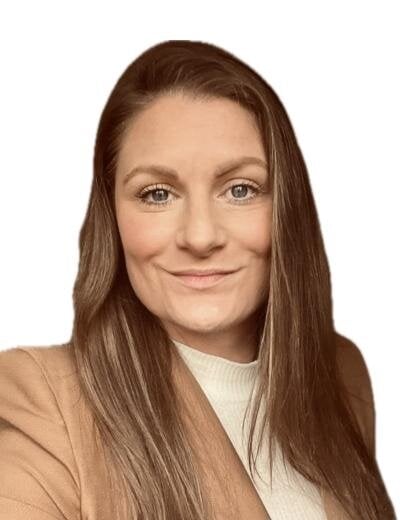
- In Person
- Online
- Either in person or online
My specialist experience working with young people with additional needs to develop trusting and meaningful relationships:
For 10 years I was a class teacher working in both mainstream and special provisions. To teach curriculum concepts and share my agenda, I knew that I would need to build connections and establish safety and rapport first. For years, I have focused on building trusting and meaningful relationships with young people with Special Educational Needs (SEN) as a foundation of education. My approach is grounded in empathy, patience, and consistent support, creating safe and nurturing environments where young people feel understood and valued. I utilise personalised communication strategies and discover shared interests to foster mutual trust, enabling students to be themselves and engage in their learning journey, meeting their potential.
My experience teaching young autistic people:
For six years, I taught autistic students in a special resource base within an outstanding mainstream primary school. I tailored my teaching methods to accommodate the unique needs of each student, incorporating visual supports, structured routines, and sensory breaks to enhance students’ learning experience. My goal was always to create inclusive and supportive classroom environments that allowed students to thrive. I taught across EYFS, Key Stage 1 and Key Stage 2, developing the curriculum and modelling best practices to support autistic learners. I trained staff, and I was promoted to Lead Teacher for Autism. I now work part-time as an Advisory Teacher for Autism for a London Borough, supporting autistic people in all education settings, and delivering training workshops to professionals and parents. I love supporting young people to explore their autistic identity and begin to advocate for their needs.
My experience working with young people with anxiety:
For many students that I have had the pleasure of teaching, anxiety has sadly been part of their school experience. To support those with anxiety, I find increasing routine and structure beneficial, as well as ensuring that students are heard, safe and reassured. Regular feelings check-ins have proven to be helpful, as well as equipping students with mindfulness techniques. Often, I model talking about worries and show how I use a toolbox of techniques and strategies to combat feelings of dysregulation. I also find that it can be helpful to explore with students what is in their control and what is not in their control, as well as teaching practical problem-solving. I have recently supported schools by delivering training on the impact of emotionally-based school avoidance for autistic young people and their families, to help professionals to understand how the school environment can cause anxiety, and how it can become a barrier to autistic students accessing school.
My experience working with young people with a demand avoidant profile:
I have supported a number of students who have a demand avoidant profile, and I have developed a deep understanding of their unique needs and challenges. My approach is rooted in building a strong, trusting relationship, which is essential for students with PDA. My calm and empathetic communication style has proven effective. I have learned that traditional teaching methods, particularly those that are considered supportive for autistic students, do not always have the same success with students with demand avoidant profiles, so I employ creative and indirect strategies to engage students. Integrating students' interests and keeping sessions novel makes learning more appealing and less pressured. By offering choices and fostering a sense of autonomy, I help students feel more in control and less resistant to demands. My patience and adaptability allow me to adjust plans and expectations based on the student's mood and comfort level, ensuring a positive and productive experience.
My experience working with young people with ADHD/ADD:
Teaching young people with ADHD and ADD has been a significant part of my career. I employ a variety of strategies to help with focus and manage impulsivity, such as breaking tasks into manageable steps, providing clear and concise instructions, and incorporating movement or regulation breaks into lessons. By creating a structured yet flexible learning environment, I have found that I successfully support students with ADHD and ADD in developing their concentration and academic skills. I have also found that explicitly teaching organisation skills, time management and planning has been beneficial. Helping young people to have an awareness of their differences, and celebrating neurodiversity and unique, innovative thinking skills helps to ensure a positive sense of self, which is invaluable.
My experience teaching Primary English:
I have 10 years of experience teaching English at Primary level. I worked within EYFS for 3 years and loved assisting young people to develop a love of literacy through songs, rhymes, roleplay, and storytelling. I enjoy teaching phonics and seeing the progression in early reading skills, mark-making and then early writing. I have taught across key stages 1 and 2 following the English national curriculum and supported children in both mainstream and specialist provision. I have tutored students in both mainstream and special provisions to prepare them for their SATS.
My experience teaching Primary Maths:
I have 10 years of experience teaching Maths at Primary level, supporting children of all abilities to develop confidence and strong foundational skills. I use a hands-on, practical approach, incorporating tactile resources like counters, number lines, and visual models to reinforce understanding. My lessons are engaging and structured, tailored to each child’s learning style. I have successfully prepared students for SATs, focusing on exam techniques, problem-solving strategies, and building mathematical fluency. I create a supportive environment that reduces anxiety and encourages a positive mindset toward maths. My goal is to make learning enjoyable, ensuring every child feels capable and ready to succeed.
My experience supporting young people with community activities:
Learning can take place in the home, school and in the wider community and is not bound by a student’s age or strict time frames. Some of my recent lessons have taken place at Pizza Hut, the local library and at Power League! One of my favourite lessons to teach and to support is cooking, I find it particularly rewarding when this is coupled with researching recipes, making a shopping list and taking a trip into the community to purchase ingredients. I am confident in supporting students in the community and believe that taking traditional learning into real-life contexts is highly valuable, helps consolidate learning and makes learning more meaningful and purposeful.
My experience working with young people to boost their confidence and self-esteem:
Boosting students’ confidence and self-esteem is a central focus of my teaching philosophy. I use strengths-based approaches, celebrating each student’s achievements and providing opportunities for them to succeed in various areas. Through positive reinforcement, encouragement, and tailored support, I help students build a strong sense of self-worth and confidence in their abilities. Over time, I feel it is important to introduce more challenge, celebrating each attempt to try something new or out of their comfort zone.
My specialist experience providing engaging sessions to inspire a love of learning:
Creating engaging and inspiring lessons is a passion of mine. I use a variety of interactive and hands-on activities, integrating technology, art, and real-world applications to make learning exciting and relevant. My goal is to ignite a love of learning in my students, encouraging curiosity and a lifelong passion for discovery. Using the students’ interests as a starting point for inspiration helps build engagement.
My skills and experience supporting young people to develop their independence:
Supporting students to develop their independence is a key aspect of teaching. I encourage self-advocacy and provide opportunities for young people to take responsibility for their learning. Through individualised support, teaching functional life skills, and fostering a growth mindset, I help young people become more confident and capable individuals, ready to navigate the challenges of the future more independently.
• Master’s Degree (with distinction) in Special Educational Needs and Inclusive Education
• PGCE in Primary Education
• Qualified Teacher Status (QTS)
• BA Hons in Criminology and Social Policy (2:1)
• Recent short courses: Safeguarding, Safeguarding Children with Disabilities, Trauma Informed Practice, Dyslexia, Domestic Abuse and the Impact on Children & Young People, Neonatal Abstinence Syndrome & Foetal Alcohol Spectrum Disorder
• Upcoming training: Self-Harm Management (July 2025), Preparation for Adulthood (November 2025).
Every child deserves an education tailored to their unique needs which enables them to flourish and reach their full potential. The best education is achieved by building positive and trusting relationships, developing a positive sense of self, fostering interests, and recognising and understanding the unique strengths and challenges of each young person. Education should also bring joy!
You want a tutor who sees and celebrates the sparkle in your child, recognising and celebrating every achievement, no matter how big or small.
- General Engagement, Confidence and Self Esteem
- Primary (Maths and/or English/Literacy)
- Study Skills & Executive Functioning Skills
- Social Communication & Language Skills
- Functional Skills (English & Maths)
- Homework Support
- Other (please provide details when contacting us)
- Early Years
- Primary
- Secondary
- Post 16
- Adult
- Anxiety
- Autism
- ADHD & ADD
- Dyslexia
- PDA (Pathological Demand Avoidance)
- SEMH (Social & Emotional & Mental Health needs)
- Working Memory and Processing Needs
- Speech and Language Needs (including non-verbal)
- Dyscalculia
- DCD (Dyspraxia)
- Global Developmental Delay & Learning Difficulties
- Complex & Medical Needs (including Cerebral Palsy; Brain Injury; Epilepsy and other needs)
- Trauma/Abuse
- SEND (inc. disabilities)
- Other SEN
Is my unwavering dedication to empowering young people with special educational needs to achieve their fullest potential through personalised, compassionate, and inspiring teaching methods. Not only am I incredibly passionate about teaching but I enjoy keeping abreast of developments in SEND, and researching, reading, writing and listening to podcasts on these topics. I am currently writing an article on the importance of eliciting child voices from neurodivergent children, to gain insight into their lived experience of school and inclusion.