Trusting and Meaningful Relationships
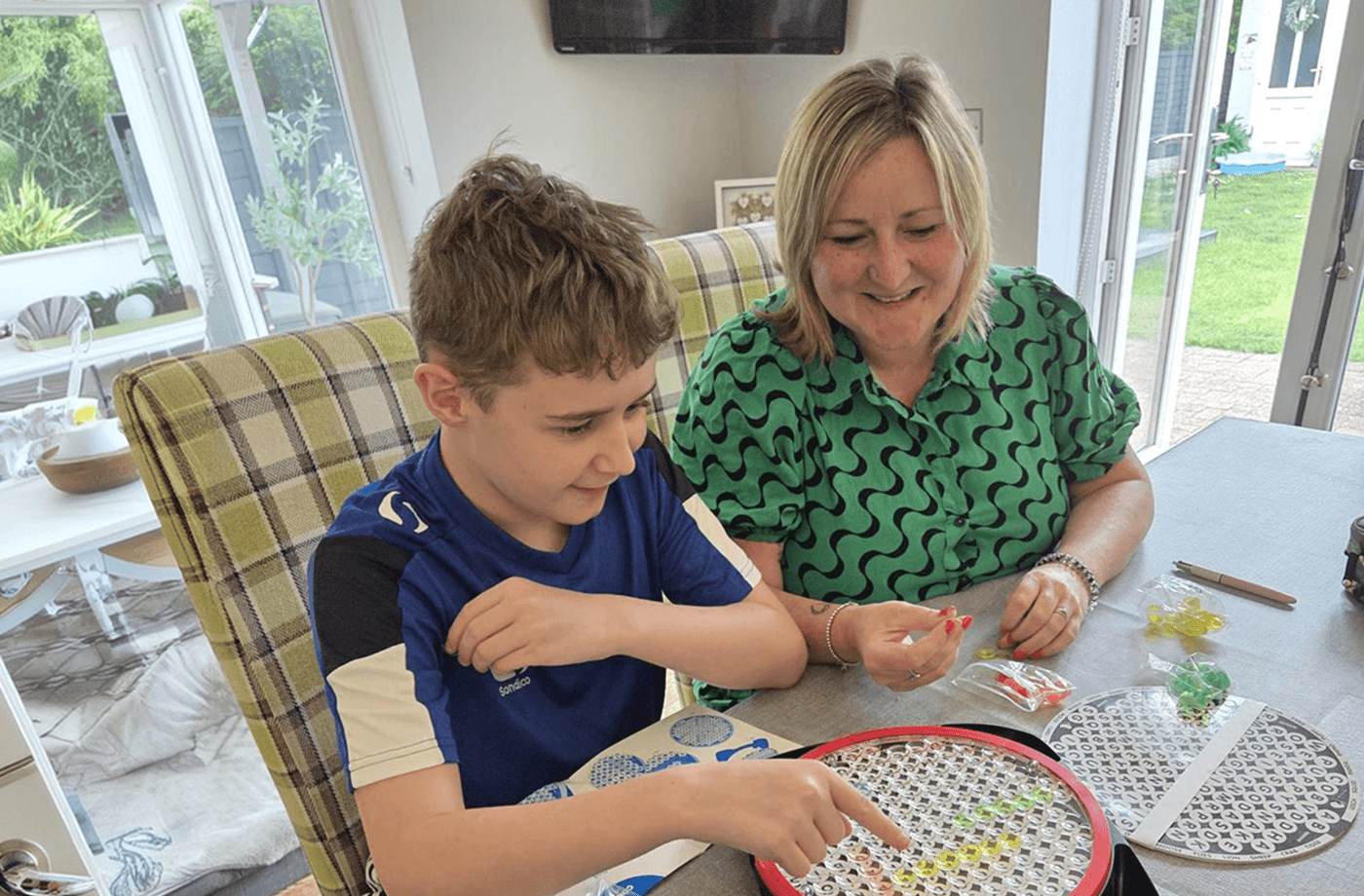
If there is one thing that has remained constant throughout my career, it is my belief that meaningful learning begins with meaningful relationships.
I began my teaching journey as a newly qualified teacher running two nursery classes and have since worked with learners across every stage of education, from the Early Years through to adulthood. While my roles have evolved over the years, my passion has remained the same: helping children and young people feel understood, valued and capable of success.
Over time, my work naturally moved towards specialist SEND teaching and personalised one-to-one support. Many of the young people I work with have experienced challenges within traditional educational environments. Some have struggled with anxiety, school attendance, confidence or previous negative experiences of learning. For these students, building trust is often the most important first step.
I take time to genuinely get to know each learner, understanding their strengths, interests, communication preferences, aspirations and challenges. Whether we are discussing football, gaming, animals, music, cooking or a student's current special interest, I use these connections to create authentic relationships that help young people feel comfortable being themselves.
Several of my current students have worked with me for more than two years, and many families describe the relationship we build as being just as important as the academic progress we achieve together. Through consistency, patience and genuine care, I create an environment where young people feel safe enough to take risks, develop confidence and discover what they are truly capable of.
Autism
Supporting autistic children and young people has been at the heart of my career.
For six years, I taught autistic pupils within a specialist resource base attached to an outstanding mainstream primary school. During this time, I taught across EYFS, Key Stage 1 and Key Stage 2 while adapting learning experiences to suit the individual strengths, needs and sensory profiles of each student.
As my experience grew, I became Lead Teacher for Autism, developing provision, coaching colleagues, training staff and modelling best practice. While academic achievement was important, I was equally passionate about helping autistic learners develop confidence, self-understanding and a positive sense of identity.
Today, I work part-time as an Advisory Teacher for Autism for a London Borough. This role allows me to support autistic children and young people across a wide range of educational settings while also delivering training for professionals and parents.
Alongside this work, I continue to support autistic learners through specialist tutoring. Many of the students I work with have struggled in traditional educational environments and flourish when learning is personalised, flexible and centred around their strengths. I particularly enjoy helping young people understand their autistic identity, recognise their unique abilities and begin to advocate confidently for their needs.
Anxiety
Anxiety is one of the most common barriers faced by the young people and families I support. Many students have experienced anxiety linked to school attendance, academic demands, social situations, sensory differences or previous negative experiences of education. For some, this has resulted in emotionally based school avoidance or a significant loss of confidence in themselves as learners.
My approach begins with creating safety. Before learning can flourish, young people need to feel heard, understood and accepted. I provide calm, predictable and supportive learning environments where students know they can succeed without fear of judgement. Building trust and reducing anxiety is often the first and most important step in helping a young person move forward.
I help students develop a greater understanding of their emotions, identify triggers and discover practical strategies that support regulation and wellbeing. This may include emotional check-ins, mindfulness techniques, structured routines, problem-solving approaches and opportunities to reflect on successes. My aim is to help young people recognise that anxiety does not define them and that they can develop tools and strategies to manage challenges more confidently.
Through my specialist SEND tutoring and autism advisory work, I have supported many young people experiencing school-related anxiety, including those educated through EOTAS and EOTAC packages. I have worked collaboratively with families, schools and professionals to help students rebuild confidence, re-engage with learning and, where appropriate, successfully transition back into educational settings. For some young people, success may mean engaging with learning again after a prolonged period of avoidance. For others, it may involve accessing community activities independently or gradually increasing school attendance.
One of the most rewarding aspects of my work is seeing an anxious young person begin to feel more capable, more confident and more hopeful about their future. Whatever a student's starting point, my goal is always to help them feel that they are not facing challenges alone and that, with the right support, meaningful progress is possible.
Speech and Language
Speech, language and communication skills are fundamental to success in education, relationships and everyday life. Throughout my career, I have supported many young people with speech and language differences, including difficulties with expressive language, receptive language, vocabulary development, processing language and organising thoughts into spoken or written communication.
I understand that communication difficulties can often impact confidence, emotional regulation and engagement with learning. I therefore take a patient and highly individualised approach, adapting my communication style to meet each learner's needs. I regularly use visual supports, structured conversations, practical activities and interest-led discussions to develop understanding and self-expression.
My aim is always to help young people communicate with greater confidence, whether that means expressing their feelings, sharing their ideas, asking for support or participating more fully in learning and social situations.
Social Interaction and Friendship Skills
Developing friendships and successfully navigating social situations can be challenging for many of the young people I support. Through my work as a teacher, autism specialist and tutor, I have helped learners develop greater confidence in understanding themselves, communicating with others and building meaningful relationships.
I take a neurodiversity-affirming approach, recognising that there is no single "right" way to socialise. Rather than encouraging young people to mask who they are, I support them to understand social situations, develop self-awareness and build authentic connections with others.
Through discussion, role play, games, shared interests and real-life situations, I help students develop skills such as conversational turn-taking, perspective-taking, emotional literacy, conflict resolution and self-advocacy. I also support young people to better understand friendship dynamics and develop the confidence to initiate and maintain relationships in ways that feel comfortable and meaningful for them.
For many students, the greatest progress comes from feeling accepted and understood. Once this foundation is established, confidence in social situations often grows naturally.
Confidence & Self Esteem
Many of the young people I support arrive with diminished confidence in their abilities and a belief that they are somehow "behind" their peers. Often, this is not because they lack ability, but because they have experienced repeated challenges within educational settings that were not designed to meet their needs.
Helping young people rebuild confidence is one of the most rewarding aspects of my work. I take a strengths-based approach, helping learners recognise what they can do rather than focusing solely on areas of difficulty. Success is carefully scaffolded, with opportunities for students to experience achievement, develop resilience and grow in self-belief.
Over time, I help young people become more willing to take risks, embrace challenges and recognise their own progress. For some students, confidence means answering a difficult question. For others, it may mean attending a session independently, expressing an opinion or returning to education after a long period of absence. Whatever the goal, I celebrate every step forward.
Language Skills
Strong communication skills underpin learning, relationships and independence. Throughout my career, I have supported many young people who have experienced difficulties with language development, expressive language, receptive language and social understanding.
I understand that language difficulties can affect every aspect of a young person's life, including their confidence, academic progress and ability to communicate their thoughts and feelings. I use visual supports, structured conversations, practical activities and highly personalised teaching approaches to develop communication skills in a meaningful way.
My sessions provide numerous opportunities for young people to develop vocabulary, language comprehension, reasoning skills and self-expression while learning within a supportive and low-pressure environment. Building communication skills often has a positive impact far beyond the learning session itself.
Social Communication
Developing social communication skills is a key area of support for many of the autistic young people I work with.
I take a neurodiversity-affirming approach, recognising that there is no single "right" way to communicate. Rather than encouraging young people to mask their differences, I support them to better understand themselves, communicate their needs and build confidence in social interactions.
Through discussion, role play, shared activities and genuine relationship-building, I help young people develop skills such as conversational turn-taking, perspective-taking, emotional literacy and self-advocacy. I also support learners to navigate friendships, recognise social expectations when helpful and develop confidence in a variety of social situations.
Above all, I want young people to feel understood, accepted and empowered to communicate in ways that work for them.
Engagement, Trust and Interest in Learning
Many of the young people I support have become disengaged from education because previous learning experiences have left them feeling overwhelmed, unsuccessful or misunderstood.
My first priority is always building trust. Without trust, meaningful engagement is difficult to achieve. I take time to understand each learner as an individual, discovering their interests, strengths, aspirations and the barriers that may be affecting their engagement with learning.
I firmly believe that learning should be enjoyable, relevant and meaningful. I regularly incorporate students' interests, games, movement, practical activities, technology and opportunities for success into sessions. Brain breaks and regulation activities are naturally integrated, helping students remain engaged and emotionally available for learning.
One of my greatest joys is seeing young people who once resisted learning begin to develop curiosity, confidence and a genuine interest in exploring new ideas.
My experience teaching Primary English
My love of teaching English began in the Early Years, where I spent three years nurturing communication, language and literacy development in nursery-aged children.
I loved helping young learners discover stories, songs, rhymes and imaginative play. Witnessing the journey from early mark-making to independent reading and writing remains one of the most rewarding aspects of teaching.
Over the past ten years, I have taught English across EYFS, Key Stage 1 and Key Stage 2 in both mainstream and specialist provisions. I have supported learners with a wide range of abilities and learning profiles, adapting my teaching to ensure that every child can access and enjoy literacy.
As a specialist tutor, I frequently work with young people who have lost confidence in reading and writing. By building learning around their interests and presenting literacy in engaging and meaningful ways, I help students rediscover both their skills and their enjoyment of English.
My experience teaching Primary Maths
For over ten years, I have taught mathematics to learners with a wide range of abilities, strengths and support needs.
Many students arrive with significant anxiety around maths and a belief that they are simply "not good at it." One of the most rewarding aspects of my role is helping them realise that mathematical success is achievable with the right approach and support.
I use practical resources, visual models and real-life applications to make mathematical concepts meaningful and accessible. Lessons are carefully adapted to suit each learner's individual learning style while building confidence alongside understanding.
Whether preparing students for SATs, strengthening foundational skills or rebuilding confidence after difficult experiences, my goal is always the same: helping learners experience success and develop a positive relationship with mathematics.
Secondary English (inc. GCSEs)
Although much of my teaching career has focused on primary-aged learners and specialist SEND provision, my tutoring experience includes supporting secondary-aged students with English skills, literacy development and exam preparation.
Many of the students I work with find extended writing particularly challenging. They often know more than they can communicate on paper, struggling to organise ideas, structure responses or express their thoughts with confidence. I specialise in breaking these barriers down through personalised strategies, explicit teaching and supportive scaffolding.
My approach focuses on building underlying communication, comprehension and writing skills alongside confidence and motivation. I help students organise their ideas, develop vocabulary, structure written responses and approach tasks in manageable steps.
For students preparing for examinations, I also support revision skills, exam technique and confidence under pressure. Above all, my goal is to help young people see themselves as capable communicators whose thoughts and ideas are worth sharing. This shift in confidence often has as much impact as the academic progress itself.
My experience supporting young people with community activities
I believe some of the most meaningful learning takes place beyond a traditional classroom.
Many of the students I support learn best when education is connected to real life and real experiences. As a result, some of my lessons have taken place in libraries, cafés, parks, sports centres, shops and community spaces.
One of my favourite activities to support is cooking. From researching recipes and writing shopping lists to budgeting, purchasing ingredients and preparing meals, cooking provides a wonderful opportunity to develop literacy, numeracy, independence and life skills in an engaging and purposeful context.
For many EOTAS and EOTAC learners, community-based learning can also play an important role in building confidence, reducing anxiety and preparing for greater independence. Seeing students develop the confidence to access their local community is often every bit as significant as academic progress.
My experience working with young people to boost their confidence and self-esteem
Confidence and self-esteem sit at the centre of everything I do.
Many of the students I support have experienced setbacks within education. Some arrive believing they are incapable learners. Others have become defined by their challenges rather than recognised for their strengths.
I work hard to help young people see themselves differently. Through personalised support, strengths-based approaches and consistent encouragement, I create opportunities for success that help students rebuild confidence in themselves and their abilities.
Progress looks different for every child. Success may mean completing qualifications, returning to education, attending a club independently or simply feeling happier and more secure in themselves.
Watching young people achieve goals they once believed were impossible is one of the greatest privileges of my work.
My specialist experience providing engaging sessions to inspire a love of learning
Creating engaging, meaningful and enjoyable learning experiences is one of my greatest passions.
Many of the young people I support have become disengaged from education because learning has previously felt stressful, inaccessible or irrelevant. I am passionate about changing that experience.
I use students' interests as a foundation for learning and regularly incorporate games, movement, practical activities, technology, problem-solving challenges and creative tasks into my sessions. Brain breaks and regulation opportunities are built naturally into learning, helping students remain engaged and successful.
I firmly believe that learning should include laughter, curiosity and enjoyment. When students feel relaxed, motivated and interested, remarkable progress often follows.
Some of the young people I support for 8-15 hours each week begin by feeling resistant to education altogether. Over time, it is incredibly rewarding to watch them rediscover a love of learning and begin to view themselves as successful learners once again.
My skills and experience supporting young people to develop their independence
Supporting young people to become more independent is one of the most important aspects of my work.
Regardless of age, every learner benefits from developing self-awareness, self-advocacy and the confidence to make informed decisions about their future. I encourage students to understand their strengths, recognise the support that helps them succeed and increasingly take ownership of their learning.
My work often extends beyond direct teaching. I regularly collaborate with families, schools and multidisciplinary professionals, attend annual reviews, contribute to reports and provide evidence for tribunal processes where appropriate. I am passionate about ensuring that young people receive the provision and opportunities they need to thrive.
One of the greatest rewards of my role is seeing progress that once felt impossible. Whether that is a student returning to education, gaining qualifications, developing independence or simply feeling happier and more confident in themselves, these moments are why I love what I do.
I also believe that truly child-centred practice requires honesty. If I ever feel that I am not the right tutor for a young person, whether because they would benefit from a different specialist skill set, additional expertise, a different teaching style or practical considerations such as location, I will always have that conversation openly and professionally.
My priority will always be the needs of the child rather than retaining work. As a result, I have successfully worked within several tutoring job-share arrangements, where tutors contribute their own specialist strengths to create the best possible package of support. I firmly believe that every young person deserves the right team around them, and I am always happy to help families find the support that will enable their child to flourish.
Pervasive Drive for Autonomy (PDA)
Throughout my career, I have supported several learners with pervasive drive for autonomy and have developed an appreciation of the individualised approaches required to help them to thrive.
PDA learners often need flexibility, collaboration and trust more than rigid plans or traditional teaching methods. I understand that strategies which work well for some autistic students may not always be effective for those with a demand avoidant profile.
My approach focuses on reducing unnecessary pressure while creating opportunities for engagement through curiosity, choice and genuine connection. I work collaboratively with students, incorporating their interests and allowing flexibility within sessions so that learning feels achievable rather than overwhelming.
One of my greatest strengths is my ability to adapt. I meet students where they are, responding to their needs, energy levels and emotional state while maintaining a clear sense of the longer-term goals we are working towards. This flexible approach helps reduce anxiety, build trust and enable meaningful progress over time.
My experience working with young people with ADHD/ADD
Supporting learners with ADHD and ADD has been a significant part of both my classroom teaching and specialist tutoring work.
I am passionate about helping young people recognise that their differences are not deficits. Many learners with ADHD possess exceptional creativity, curiosity, problem-solving abilities and innovative ways of thinking. My role is to help them understand and celebrate these strengths while developing strategies to manage the challenges they may face.
In my sessions, I use manageable learning steps, visual supports, clear instructions and opportunities for movement and regulation breaks. I explicitly teach organisation, planning and time-management strategies that can support success both inside and outside of lessons.
Building positive self-esteem is particularly important. When young people begin to understand how their brains work and recognise their own strengths, the impact on confidence can be transformational.
Thank you
Thank you for taking the time to read my profile.
Choosing the right tutor is an important decision, and I feel incredibly privileged whenever a family allows me to become part of their child's educational journey. If my experience, values and approach resonate with you, I would be delighted to hear from you. Together, we can explore how best to support your child in building confidence, celebrating their strengths and achieving their individual goals.