



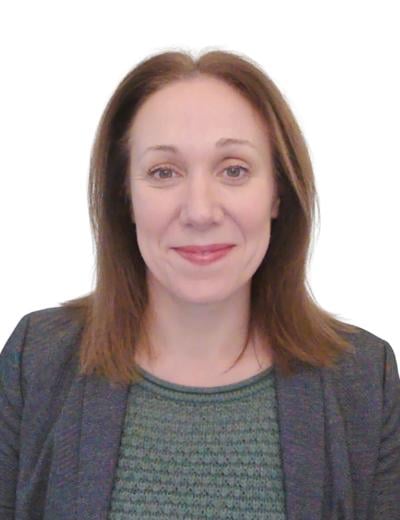
- In Person
- Online
- Either in person or online
I began my career as a teaching assistant supporting students with a range of SEND, before qualifying as a teacher and spending over two decades working across mainstream, selective and specialist provisions. I have significant experience working in pupil referral units with children experiencing social, emotional and mental health needs, where I was responsible for science and ICT across five sites and led whole-school enrichment and intervention programmes.
Across my career I have worked as a science teacher, SSAT accredited Lead Practitioner, Director of SEND and Associate Assistant Principal, leading staff training, curriculum design and strategic inclusion work. I have delivered literacy and numeracy programmes, exam preparation, targeted interventions, and bespoke support packages to students who were unable to access mainstream classrooms from key stage 1 to key stage 5.
I have extensive tutoring experience, supporting children learning from home, students currently out of school, and young people with a range of additional needs including autism, ADHD, PDA, speech and language needs and mental health challenges. I have also tutored high-attaining students aiming for top GCSE and A-level grades in science and maths, and successfully prepared students for Common Entrance and the 11+.
As an examiner for GCSE science for over eight years, I have a strong understanding of assessment and examination requirements and a proven track record of outstanding GCSE outcomes for the classes I have taught. I pride myself on helping students rebuild confidence, develop independence, and make accelerated progress even when learning has been disrupted.
I also bring lived experience to my work as a parent of a child with autism and ADHD, whom I successfully supported through home education before she returned to sixth form, completed A-levels, and went on to university. I have supported many other families balancing school, anxiety, SEND, and alternative learning pathways — and I strongly believe every child deserves the best opportunities to thrive.
- QTS(2011)
- NASENCO Postgraduate National Award in SEN Coordination
- SSAT Accredited Lead Practitioner
- GCSE Science Examiner(8+ years)
- Safeguarding & Child Protection certified
- PREVENT training
- I have delivered training to whole school staff on:
Dyslexia, Autism Spectrum Conditions, ADHD, PDA, SLCN, SEMH, Trauma-informed approaches, Literacy & Numeracy interventions, and general SEND practice. - I have worked in regular collaboration with SALT, EPs, OTs and multi-agency teams.
My priority is to build trust, safety, and connection so that meaningful learning can happen. I believe that every child can achieve when they feel understood, supported and capable — and my approach is flexible, personalised, and strengths-based. I use evidence-informed strategies such as scaffolding, metacognition coaching, multisensory approaches, and structured routines to help students develop confidence and independence.
I adapt lessons around individual needs, interests, processing styles and sensory requirements, and I specialise in supporting students who may be anxious, disengaged, or who have experienced disrupted education. A good tutor provides patience, encouragement and creativity — meeting a child where they are, and helping them believe that success is possible.
-
Your child has SEND, SEMH needs, anxiety, autism, ADHD or requires a patient and understanding approach.
-
You are looking for 1:1 tutoring to support structured learning and reintegration.
-
You want a tutor who builds confidence, resilience, and strong relationships with families.
-
Your child needs targeted support, catch-up learning, or preparation for exams from key stage 1 to key stage 5.
- General Engagement, Confidence and Self Esteem
- Primary (Maths and/or English/Literacy)
- Secondary English (including GCSEs)
- Secondary Maths (Including GCSEs)
- Secondary Science (including GSCEs)
- Study Skills & Executive Functioning Skills
- Social Communication & Language Skills
- Functional Skills (English & Maths)
- Homework Support
- Primary
- Secondary
- Post 16
- Anxiety
- Autism
- ADHD & ADD
- Dyslexia
- PDA (Pathological Demand Avoidance)
- SEMH (Social & Emotional & Mental Health needs)
- Working Memory and Processing Needs
- Speech and Language Needs (including non-verbal)
- Dyscalculia
- DCD (Dyspraxia)
- Global Developmental Delay & Learning Difficulties
- Complex & Medical Needs (including Cerebral Palsy; Brain Injury; Epilepsy and other needs)
- Trauma/Abuse
- SEND (inc. disabilities)
- Other SEN
I bring both professional expertise and personal experience — as a teacher, a SEND leader, an examiner, and a parent of a neurodivergent child who once found school overwhelming. I truly understand how complex this journey can be, and I am passionate about helping young people rediscover learning, rebuild confidence, and feel proud of themselves again.

- In Person
I have 18 year's experience as a specialist SEN teacher and have an OCR Level 5 Diploma in Teaching children with Specific learning difficulties and Dyslexia. I also obtain PDA level 2 Supporting children, teenagers and young people with Pathological Demand Avoidance. With a strong focus on meeting the academic, social and emotional needs of my pupils while recognising and respecting their individuality, my experience includes teaching children with a range of needs including Sensory Processing Disorder, Dyspraxia, PDA (demand avoidance), Autism, ADHD, Behavioural difficulties, Dyslexia, Dyscalculia, Speech and Language difficulties, Global Developmental Delay, Health, Emotional difficulties.
Throughout my career as an ASD teacher, I have specialized in supporting autistic students with a range of profiles, including those with Pathological Demand Avoidance (PDA), as well as speech and language difficulties. I have received extensive specialist training, including TEACCH, PECS, Makaton, Widgit web tools, Clicker, and behavior therapy. These tools have helped me support students in areas such as visual processing, verbal communication, social skills, attention, and executive functioning.
My work with speech-delayed students has involved a variety of targeted strategies and interventions, developed in collaboration with speech and language therapists and occupational therapists. For example, I used approaches like LEGO therapy, playdough therapy, and Therapy Box, which provided structured and enjoyable ways for students to work towards their communication goals and experience the rewards of expressing their needs.
With students displaying PDA traits, my approach has focused on building a trusting, respectful relationship where the student feels safe, understood, and empowered. Children with PDA often experience high levels of anxiety around demands, which can trigger behaviors rooted in panic rather than defiance. To help students manage these responses, I employed the PANDA approach (Pick battles, Anxiety management, Negotiation and Collaboration, Disguise and manage demands, and Adaptation), which focuses on minimizing anxiety and fostering a sense of autonomy. This approach allowed me to better understand each child’s triggers, adjust demands to reduce stress, and create a more collaborative and supportive environment.
Outdoor learning has also played a significant role in my work. Many of my students who struggled with focus, task completion, or confidence flourished in outdoor settings, where they felt more engaged, motivated, and open to experimenting. Additionally, I incorporated mindfulness exercises—such as breathing with a pinwheel, blowing bubbles, and five-senses exercises—that helped students develop self-regulation, attention, and coping skills.
Understanding that challenging behaviors often stem from communication difficulties, sensory sensitivities, or overwhelming anxiety, I used a patient, skill-building approach to help students with emotional regulation and coping strategies. For students with PDA, I treated challenging behaviors or meltdowns as expressions of extreme stress or panic. I found that viewing these episodes through this lens allowed me to respond with empathy, identify underlying triggers, and collaboratively address their needs in a calm, respectful manner.
By keeping a record of behaviors and their triggers, I developed deeper insights into each child’s unique responses, allowing me to anticipate and alleviate potential stressors. Through this tailored, empathetic approach, I have supported many autistic children, including those with PDA, to make progress academically, socially, and emotionally.
My experience working with children with a sensory processing disorder, ADHD, anxiety and difficulty with self-regulating: More recently I have been working 1:1 with a student who was diagnosed with ADHD, sensory processing disorder, anxiety and difficulty with self-regulating. He has experienced difficulties handling sensory input which affected his academic performance, his self-esteem, and his confidence. To help him to overcome his difficulties, I have employed a range of multisensory approaches such as jumping activities, brain breaks, using alternative seating, visual schedules, handheld fidgets, visuals with pictures of sensory input choices, providing a quiet workspace, redirection, sensory box, breathing techniques and lots of reassurance. All my lessons were planned around his interests which give him the incentive to engage with activities in a meaningful way and it has proved to be a real success. I also worked on helping him to improve his self-regulation skills when he needed help to control emotions, handle frustrations and resist impulsive behaviour. Consistency, predictability and follow-through were important for creating the structure of our sessions which helped him to decrease the level of his anxiety.
My experience working with children with Dyslexia, Dysgraphia and Dyscalculia: My passion for helping children with special needs haven’t stopped and because I wanted to reach out to children with specific learning difficulties such as Dyslexia and Dyspraxia as well, I decided to continue with my professional development. Five years ago, I gained the OCR Level 5 Diploma in Teaching children with Specific learning difficulties and Dyslexia. In my current teaching role, I work as a Specialist Dyslexia teacher. I’m qualified to conduct informal, curriculum-based assessments and deliver specialist teaching programmes to learners with dyslexia, dyspraxia and dyscalculia. My sessions are based on a personalised, multisensory, structured and cumulative teaching programme full of games, interactive activities, as well as visual aids and strategies to keep children engaged and progressing.
Many children with dyslexia are kinaesthetic learners (they learn by doing), therefore I engage them in purposeful movement, using rhythm and visual activities to stimulate memory and trigger recall. As many dyslexic students struggle with working memory, and short- and long-term memory I’ve created many memory games and have taught students different memory techniques.
My specific experience working with children with Dyspraxia, handwriting and organisational challenges: Many dyspraxic children experience difficulties with handwriting, writing, planning, organisation and presentation of their work. Therefore, I focus on teaching different multisensory strategies such as ‘bumpy paper’, ‘wet-dry-try technique, ‘space kid’ to help with handwriting and presentation. For students who have difficulties organising their thoughts and expressing them effectively in writing I first introduce the ‘ Thinking C-A-P-S’ code (content, audience, purpose, style) where we investigate all aspects of writing. Secondly, I focus on the planning of writing. Students need to learn and use different types of plans for different types of writing and I try to match planning strategies to their individual learning styles. Learning to plan and use planning strategies when writing is a crucial skill.
I use two different approaches to planning- written plans which are written in note form (spidergram, skeleton essay plan) and graphic organisers which come in many forms such as pictures, shapes, mindmaps, frames, tree diagrams, and webs. They are extremely effective for stronger visualisers as many children rely on visuals to help them think about what comes next and what to say when they write. Next, I introduce different writing frames as scaffolds to help students to organise their writing, build their own writing skills and reduce the fear of ‘blank paper’. They can consist of starters, connectives and sentence modifiers which offer students a structure for communicating what they want to say. Lastly, I focus on drafting, review and revision, I teach C-O-P-S proofreading strategy (capital letters, omissions, punctuation, spellings) and ‘writing detective’ (checklist of questions for good writing).
During my years as a primary teacher in Early Years (reception) and KS1, and KS2 in private and state settings I realised that my passion was helping children with special learning difficulties and children with Global developmental delays. I always made sure that all my students were able to progress and maximize their potential, by incorporating a range of communication methods into teaching sessions with the flexibility to change and develop educational activities. With some of my students, I used visual timetables, prompts gestures, Makaton, written instructions to reinforce the spoken words and to aid understanding, social stories, interactive games and lots of practical hands-on activities. I supported students in accessing the curriculum through scaffolding activities, breaking down tasks and instructions into manageable chunks, with step-by-step symbols and picture cards to back up short, clear verbal explanations.
I always took into account the interests of my students and planned lessons so that they were full of a variety of engaging activities. For instance, very often in my teaching, I used role-play which I found an extremely strong method in helping my students to develop their social and communication skills, and emotional skills and often improve their self-confidence. To be able to imagine a different world through creative play is a very important feature when it comes to expanding thought patterns, developing language, sharing, and expressing themselves, as well as empathy for each other.
My general specialist SEN teaching experience, teaching Early Years (reception) and KS1, KS2: I’ve had the privilege to teach and take part in an incredible journey that children go on in those first few years in school settings. I loved teaching phonics, reading and early math through creative role-play. To a child, play is serious work and the motivation to learn is intrinsic. Teaching phonics and reading was always a rewarding part of being an Early Years teacher as I helped many children to open the doors to an amazing world of books, different worlds and all learning. I helped to run the phonics and early math workshop to support parents in understanding how their children learn. My phonics and math sessions are fun sessions involving lots of speaking, listening, investigation and games.
My skills and experience teaching reading, phonics and maths: Reading is one the most important life skills that serves as a basic building block for learning, regardless of the school subject. I strongly believe that all SEN children are capable of learning to read and I always have high expectations of my students. The key to success is to use the right approach and strategies. Therefore I always create a personalised, structured and cumulative phonics programme for my students. I use the ‘80/20’ rule. The balance of 80% revision/overlearning with only 20% new learning introduced has been found to be the most effective. This overlearning will provide enough consolidation opportunities to allow learning to be transferred to long-term memory so that the student can retain information more easily. I do multi-sensory teaching with small incremental steps delivered one at a time and plenty of opportunities for repetition, so learners can proceed at their own pace and receive positive reinforcement as they learn. I teach a range of strategies to help children learn letter sounds and spelling rules.
As an SEN teacher, I support children who struggle with math by using various approaches tailored to their individual needs, such as hands-on activities, visual aids, and interactive games, to make learning engaging and accessible.
My experience working with children with writing challenges and reluctant writers: Since many of my MLD students struggled with writing exercises I planned a lot of activities that helped them to develop fine motor skills- muscle control in their hands and shoulders (grasp and release with tweezers, tongs, screwing/unscrewing lids, paper tearing, finger games etc). I also ensured that I included activities which particularly aid in the development of gross and core skills (such as hopscotch, target tossing in phonics, jumping, and skipping to teach counting in 2s, 5s, math scavenger hunts...) All these exercises helped to improve hand/eye coordination, the strength of hand, wrist, shoulder, and arm; balance, body and spatial awareness of my students. Many students, especially boys, find writing very challenging and they become soon reluctant writers. To help my students overcome the fear and ‘hate’ of writing I experiment with different strategies. I always try to choose a topic that gets a student excited and gives him authentic writing experiences. I often incorporate art into writing. First, I ask the student to draw his pictures, then label them, write the sentences and then short paragraphs. The key is to break down the task of writing into achievable parts. Sometimes I give the student a camera and let him tell a story through his pictures and then have him write captions for each image. Another strategy I use is guided writing where I do the physical activity and the student helps me to think of and organise the sentences and reminds me of the rules we are working on. Many boys love comics, so drawing and writing comic strips is another way I use to promote enjoyable writing experiences, especially if we turn their comics into their own books.
- QTS (Qualified Teacher Status); Bachelor of Primary Education (Honours)- Literacy, Mathematics and Pedagogy;
- OCR Level 5 Diploma in Teaching Learners with Dyslexia/ Specific Learning Difficulties;
- PDA level 2 Supporting children, teenagers and young people with Pathological Demand Avoidance
- TEAM TEACH Entry level;
- Makaton course; PECS Basic Training;
- PIVATS (Performance Indicators for Valued Assessment and Targeted Learning);
- Paediatric first aid;
- Child Protection in Education Level 2.
- Safeguarding for Tutors Level 2
My specialist individual approach:
I have great interaction skills with children as well as an appropriate level of humour when required. My kindness, caring, compassion, understanding, patience, and excellent behavioural management skills always help me to support those children with more challenging behaviour. I have the ability to inspire children and help them through challenges. I always strive to create a calm, safe and fair environment because I strongly believe children need to feel secure and relaxed to fully engage in learning. My natural creativity drives me to make my lessons fun, engaging, and multi-sensory and I always try to link learning objectives to the child's interest.
I strongly believe that all children are unique and have something special they can bring to their own education. Therefore learning needs to be personalised, playful as well as challenging to engage the students. My strength is in fostering children’s appetite for learning and motivating them through enthusiastic and imaginative teaching. I pride myself on creativity and resourcefulness, combined with strong planning and organisational skills.
I always try to improve children’s abilities and help them with their weak points so they feel confident and motivated to learn and achieve. It has always been crucial for me and my learners to feel good about themselves and have a sense of achievement and focus on building their self-esteem.
- you are looking for a patient, caring, friendly professional with a good sense of humour
- you are looking for a tutor who is able to modify any lesson and use a variety of techniques to fulfil a child's potential
- you are looking for a tutor who offers an individual multi-sensory, structured and cumulative teaching programme full of games, interactive activities, and visual aids in order to keep your child engaged and progressing
- you are looking for a tutor who cares deeply about a child's progress
- you are looking for a tutor who inspires your child and helps to build his/her confidence and self-esteem.
- General Engagement, Confidence and Self Esteem
- Primary (Maths and/or English/Literacy)
- Early Years
- Primary
- Anxiety
- Autism
- ADHD & ADD
- Dyslexia
- PDA (Pathological Demand Avoidance)
- Working Memory and Processing Needs
- Speech and Language Needs (including non-verbal)
- Dyscalculia
- Global Developmental Delay & Learning Difficulties
- Other SEN
One summer I did house-sitting of a lonely cottage in Yukon's wilderness. The cottage was surrounded by grizzly bears who competed with me for fish and juicy berries. My only company were five gorgeous huskies.
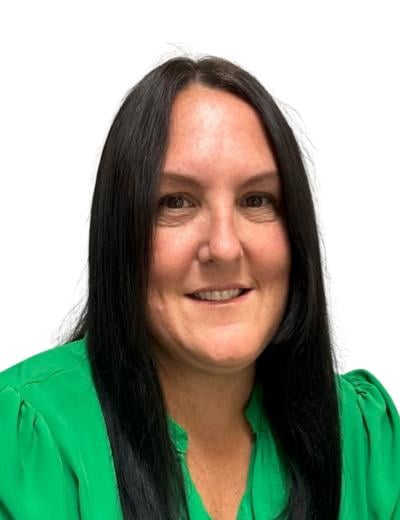
- In Person
- Online
- Either in person or online
Always wanting to be a teacher, I completed a BTEC National Diploma in Childhood Studies in 1998 and then went on to University to successfully complete the BEd Primary Education Studies degree in 2001. I am a dedicated and passionate classroom teacher and have worked in 3 mainstream primary school settings in Bromley and Bexley over my 23 year teaching career. I am highly skilled in collaborating effectively with teachers, parents and external agencies in order to ensure support for children.
I have a good knowledge of effective strategies and interventions to support, engage and inspire young people. I am a firm believer in that every child is a learner and that using a graduated approach to remove barriers to learning will enable the child to flourish.
Skills and Experience:
Working as a Class Teacher, Assistant Head, Deputy Head and Interim Headteacher I have had the opportunity to work with many children who have a range of different needs, including: anxiety, ASC (autism), ADHD, SEMH, working memory and processing needs and global development delay. I have a passion for primary education and am trained in both ReadWriteInc phonics and Mathematics Mastery. I always approach learning with a ‘I do, We do, You do’ style, giving the child confidence from effective modelling and shared practice. Drawing on over 23 years of teaching experience, I have successfully transitioned my skills into home tutoring, providing tailored, one-to-one support that meets each child’s individual needs. My extensive classroom experience has equipped me with the ability to adapt quickly, build strong rapport, and create engaging learning environments. I continue to refine my existing skillset while embracing new approaches and strategies, ensuring that my teaching remains responsive, effective, and aligned with the evolving needs of the children I support.
My experience working with young people with SEN to develop trusting and meaningful relationships enabling them to engage
I recognise that developing respectful and trusting relationships is vital, I therefore always pride myself in developing these relationships with my young people and take my time to get to know them well, tailoring my approach to suit the individual. I use humour and a nurturing approach to allow them to get to know and trust me and to create a safe and successful learning environment in which they can take risks and challenge themselves.
My experience teaching young people with ASC (autism)
I understand how to make adjustments to the working environment in order to promote consistency, structure, reduce anxiety and maximise success. I create personalised programmes for children which are suited to their own interests and bespoke to each individual child. I am able to adapt the delivery of teaching and learning through different communication mediums, using signals and visuals when required.
It is so important that children with such needs may be prepared for different transitions and changes, this can be detailed to the incremental now/next/then steps that could be required of them during an hour session, or an overview timetable of their day. It is important that children are provided with visuals to support activities or as communication tools. Choice is also a huge aspect of working with pupils with additional needs in order to provide children with ownership and autonomy over their own education. The use of visuals to support timetabling, instructions, social stories, choice and communication from both teacher and child are invaluable.
My experience supporting young people with difficulties in using language
Modelling and extending language through conversation that is of interest to the young person will enable them to see and hear how the language can be used in context, giving them confidence before exploring with it themselves. I would always use the ‘MyTurnYourTurn’ when introducing, modelling and discussing new vocabulary as this shows the young person that I’m ‘having a go’ too. I would always encourage alternative means of communicating including: drawing, gestures, visuals, scribing or typing or using speech to text to showcase to the young person that their words, thoughts, ideas or suggestions can be communicated and shared with others.
My experience teaching young people with attention and listening difficulties
Ensuring I have the attention of the child is paramount in being able to communicate effectively. I say their name and, if suitable, gain eye contact before providing clear, brief and concise instructions to ensure attention in the first instance. I then allow the child time to process the information and would ask them to repeat it back to me so that I can see they have fully understood. I use visual support when giving instructions and am clear on the amount of time they have for the task. It’s really important to give praise to reinforce and encourage good listening as well as using positive redirection. I plan in and adapt the use of rest / natural movements breaks.
My experience teaching young people English
Reading
Finding engaging texts that interest the young person will encourage them to be more involved and invested in the text and therefore reading in general. I pre-teach key vocabulary prior to reading the text and then would encourage the young person to identify those during the text sharing time, this encourages the child to stay forced and adds a level of competition and excitement to see who can ‘spot’ them first. Teaching and then encouraging pupils to summarise at key points will also ensure they have understood what they have read or have been read to, allowing them to become fully immersed in reading. Asking both closed and open-ended questions whilst reading will also encourage the child to think more deeply about the text and therefore deepen their understanding of what they have read, also encouraging links to prior learning, experiences and knowledge. Retelling narrative texts is also crucial as it vital links to speaking, listening and communication and also encourages the link into writing.
Writing
Providing word banks, pre-teaching vocabulary, having writing frames and scaffolds as well as having a good, modelled example will all allow the writing sessions to have a clear structure and support along the way. This means the child will feel supported and encouraged at every stage in the writing process, limiting the anxiety over a ‘blank’ page. Written tasks will be purposeful and meaningful to the young person as this creates the ‘buy-in’ to the task and reduces the reluctance to it. I use a stimulus for writing that is linked to their interests and therefore encourages engagement.
My experience teaching young people maths
I teach maths through a CPA approach, whereby I would also refer and use concrete resources and manipulatives so that the child can experience these first hand. Practical activities that engage and enthuse children will always make maths seem a desirable and enjoyable subject to learn and be involved in. Once a concept has been introduced and experienced using the ‘concrete’ resources, I would then look to introduce this in a ‘pictorial’ representation enabling the child to match their experiences with the concrete resources with the pictorial representation. Once the child is fully immersed and has understood both the C and P, then the abstract can be introduced, with the child experiencing just the numbers that match their prior experiences.
My experience teaching young people with attention and listening difficulties
Ensuring I have the attention of the child is paramount in being able to communicate effectively. I say their name and, if suitable, gain eye contact before providing clear, brief and concise instructions to ensure attention in the first instance. I then allow the child time to process the information and would ask them to repeat it back to me so that I can see they have fully understood. I use visual support when giving instructions and am clear on the amount of time they have for the task. It’s really important to give praise to reinforce and encourage good listening as well as using positive redirection. I plan in and adapt the use of rest / natural movements breaks.
My experience providing engaging sessions to inspire a love of learning
Children learn best when a safe environment is created, where mistakes can be made and support and
encouragement is on hand. I show my young people that we are ALL learning, ALL of the time. I aim to use children’s special interests wherever possible to showcase what they are capable of. I celebrate all successes and all strengths as well as valuing the effort and attitude. Developing a growth mindset using the power of YET has always been really successful with my young people. I can’t do that YET…but it’s coming, and I’ll help and support you to get there!
My skills and experience supporting students to develop their independence
The ultimate aim of any SEND tutor is to initially scaffold tasks and learning in order to develop an independent and confident learner. This is best achieved with a secure relationship between student and tutor and sessions that are tailored to the student’s learning style. Through my creative and personalised learning approach, I promote strategies such as curiosity and wonder to develop the small steps of self-awareness which in turn contribute to a child approaching life with a ‘can do’ attitude and a life long thirst for knowledge.
My experience helping young people with their wellbeing – anxiety or emotional behaviours
Developing a good understanding of the child through building an effective relationship with them as well as engaging in purposeful communication with adults involved enables me to understand their behaviours and feelings. I teach the young person to learn about, recognise and communicate their emotions. I empathise with a child’s emotional state and use this as a teaching tool to explore with them more effective responses. I always ensure the child has their feelings acknowledged and validated, encouraging them to feel part of the process in understanding their feelings and emotions. I share resources and ‘tools’ with the children on how to understand and explore their feelings and provide them with routines that can support them in calming their feelings if it becomes overwhelming.
My experience teaching young people with executive functioning skills/study skills
Through the use of visuals, prompts, scaffolds, pre-teaching and overlearning (revisiting prior learning) I work together with the young person to identify a preferred method to support day to day challenge areas. I then scaffold around these key areas with a long term view of developing the confidence and independence of the individual.
My experience supporting young people to develop metacognition skills
Teaching young people to think about their thinking is really, really important for them to understand what they need to do when presented with a situation. Showing them how the brain works is important for their learning journey. I would model to the young person what strategies they need to use and what they need to do. This would be done on a little and often basis so that they build confidence in knowing what strategies to use and what needs to be done.
My experience teaching young people with memory and retention difficulties
Using lots of modelling and scaffolds (including writing frames and prompt sheets) will enable the child to ‘see’ the task and then, with support and guidance, be able to complete the small sections/chunks of learning. I provide exact repetitions and will ask the child to repeat back the instruction. Using recording apps and devices will also support the child in having their ideas played back once they have verbalised them. Effective modelling of both the learning and the vocabulary will all support the child in building up their memory and retention capacity.
My experience teaching young people with executive functioning skills/study skills
Through the use of visuals, prompts, scaffolds, pre-teaching and overlearning (revisiting prior learning) I work together with the young person to identify a preferred method to support day to day challenge areas. I then scaffold around these key areas with a long term view of developing the confidence and independence of the individual.
My experience supporting young people with Global Developmental Delay
I have experience working with children diagnosed with Global Developmental Delay (GDD), supporting their learning and development across a range of areas including communication, social interaction, motor skills, and cognitive processing. My approach is always tailored to each child’s unique needs, using clear, consistent routines, visual supports, and simple, structured language to aid understanding and reduce anxiety. I am skilled at breaking down tasks into manageable steps and providing patient, repetitive reinforcement to help children retain and apply new skills over time. I also place great emphasis on building trust and positive relationships, creating a safe and encouraging environment where progress—no matter how small—is recognised and celebrated. Working with children with GDD has taught me the importance of flexibility, creativity, and collaboration with families and other professionals to ensure consistent support across all settings. This experience has strengthened my belief in the value of personalised learning and the potential within every child.
- BTEC National Diploma in Childhood Studies (qualified 1998)
- BEd Primary Education (qualified 2001) QTS
- NPQSL (National Professional Qualification in Senior Leadership) (qualified in 2021)
- Read Write Inc (phonics)
- Mathematics Mastery
- Understanding ADHD
- Understanding Autism
- Understanding Anxiety
- Understanding Low Mood and Depression
- Wellbeing for Children with EAL
- HM Government- Prevent
- HM Government- FGM
- Child Safeguarding- Level 2
- Understanding Anxiety and Stress in Children and Young People
- Non-Verbal Communication: Understanding and Managing Behaviour Patterns
- Understanding and Supporting Autistic Children in the Early Years
- Dyscalculia Awareness
Teaching should be child centered, fun, flexible and built on trusting relationships. Every child is an individual with their own set of skills, talents and preferences. High aspirational learning should be engaging of the young person’s interests using strategies that promote their best opportunity to access learning. I love Thomas Edison’s quote, ‘I have not failed. I’ve just found 10,000 ways that won’t work.’ It serves me well in all areas of life, that we’re on a journey towards success and should embrace the challenges that we face along the way. Approach each day with enthusiasm, energy and positivity. Every day is a new day!
- You need a tutor who will support your child with a fun and calm approach to learning
- You want your child to be the best versions of themselves
- You want a reliable, patient and friendly tutor
- You want your your person to increase their confidence in themselves, their capabilities and their learning
- General Engagement, Confidence and Self Esteem
- Primary (Maths and/or English/Literacy)
- Social Communication & Language Skills
- Homework Support
- Early Years
- Primary
- Anxiety
- Autism
- ADHD & ADD
- SEMH (Social & Emotional & Mental Health needs)
- Working Memory and Processing Needs
- Global Developmental Delay & Learning Difficulties
I spend a LOT of my time standing on the side of a pitch, supporting and watching my two children play football. I’m there to support, WHATEVER the weather!
I am rather good at a round of crazy golf! My game plan is ‘hit it and hope’ and it always seems to pay off, much to the annoyance of my family!