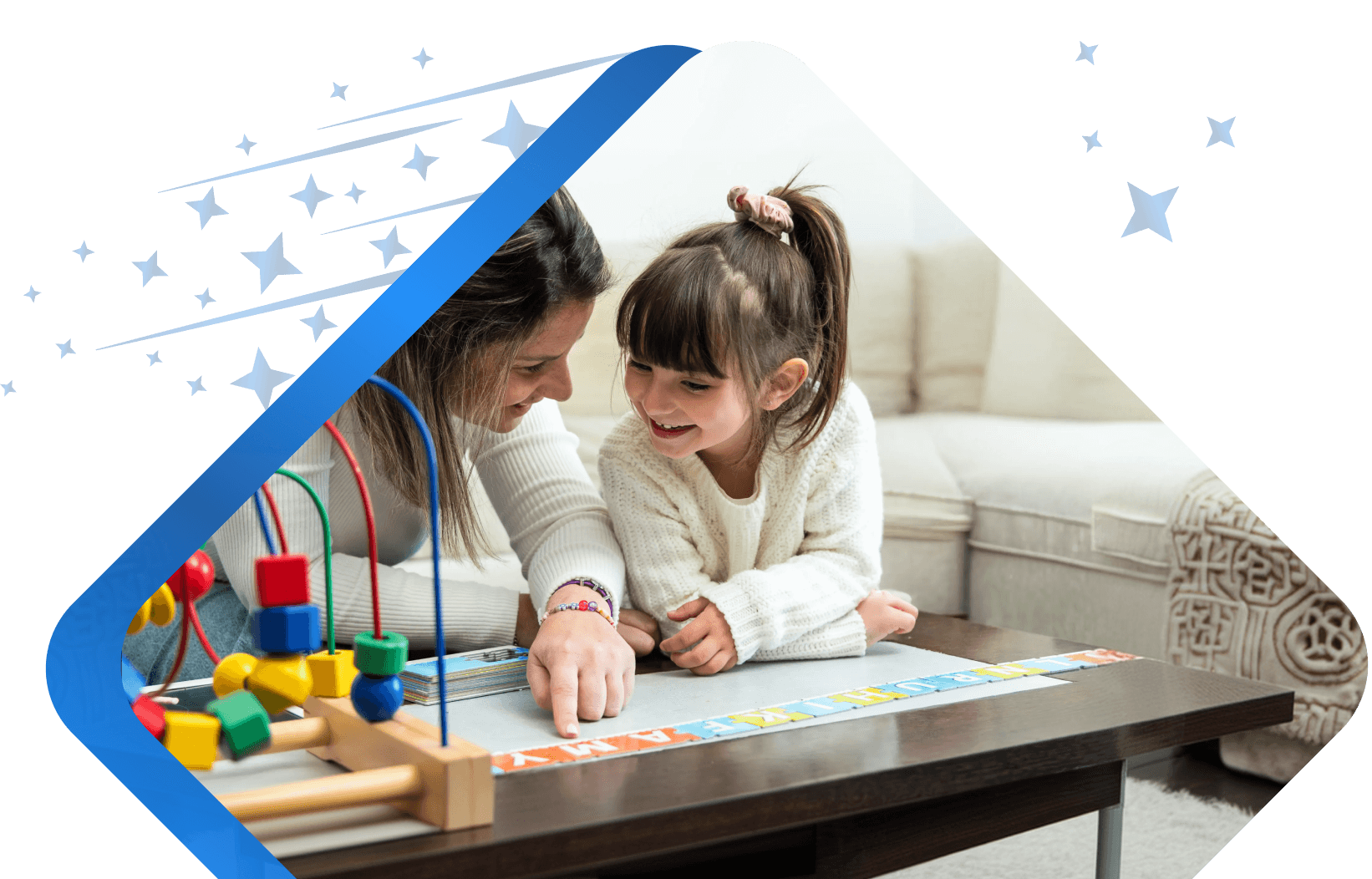
Thinking about Dyslexia and learning
Reading is a skill that many of us take for granted – as well as being the path for young people to experience the joy of books as a way to relax, stretch their imagination and extend their knowledge, vocabulary and understanding of the world. But for people with dyslexia, reading and writing can be a major struggle, which can cause almost as much frustration and anxiety for parents as for young people trying to deal with the problem.
Rather than simply being a matter of finding it harder to take in words or writing them on a page, dyslexia is now often thought of as information processing. Those with dyslexia may have difficulty processing and remembering information they see and hear, and it is this that can affect learning and mastering literary skills. It can also impact on the broader ability to organise things.
Far from being a rare problem, however, the British Dyslexia Association (BDA) believes up to 10% of people in the UK may experience a still poorly understood neurological condition to some degree. And while dyslexia can undeniably present significant challenges, the BDA is not alone in stressing that there can be genuine benefits in life for those who see the world differently – as evidenced by the many people who have taken dyslexia in their stride to go on and achieve success in science, myriad practical disciplines and a host of creative fields.
For many parents, the difficulties faced by a child with dyslexia can also bring on a sense of helplessness – or become a battleground between parents and a child struggling with homework. As well as impacting on a child’s overall well-being, dyslexia can trigger anxiety and lower confidence in children and young adults who may not be able to stop themselves from comparing their literacy skills to their peers. Then there may be worries about the potential impact on life after school.
Thankfully, there is a range of different ways that parents can help their child with dyslexia at home, especially when teaming up with a specialist dyslexia tutor to develop the right plan for your child. This is important as every child’s experience of dyslexia is distinct to them in both its nature and severity. Approaches may also need to be tailor-made to consider any other learning differences a child may have alongside dyslexia.
The difference a tutor can make to your child or young adult with Dyslexia
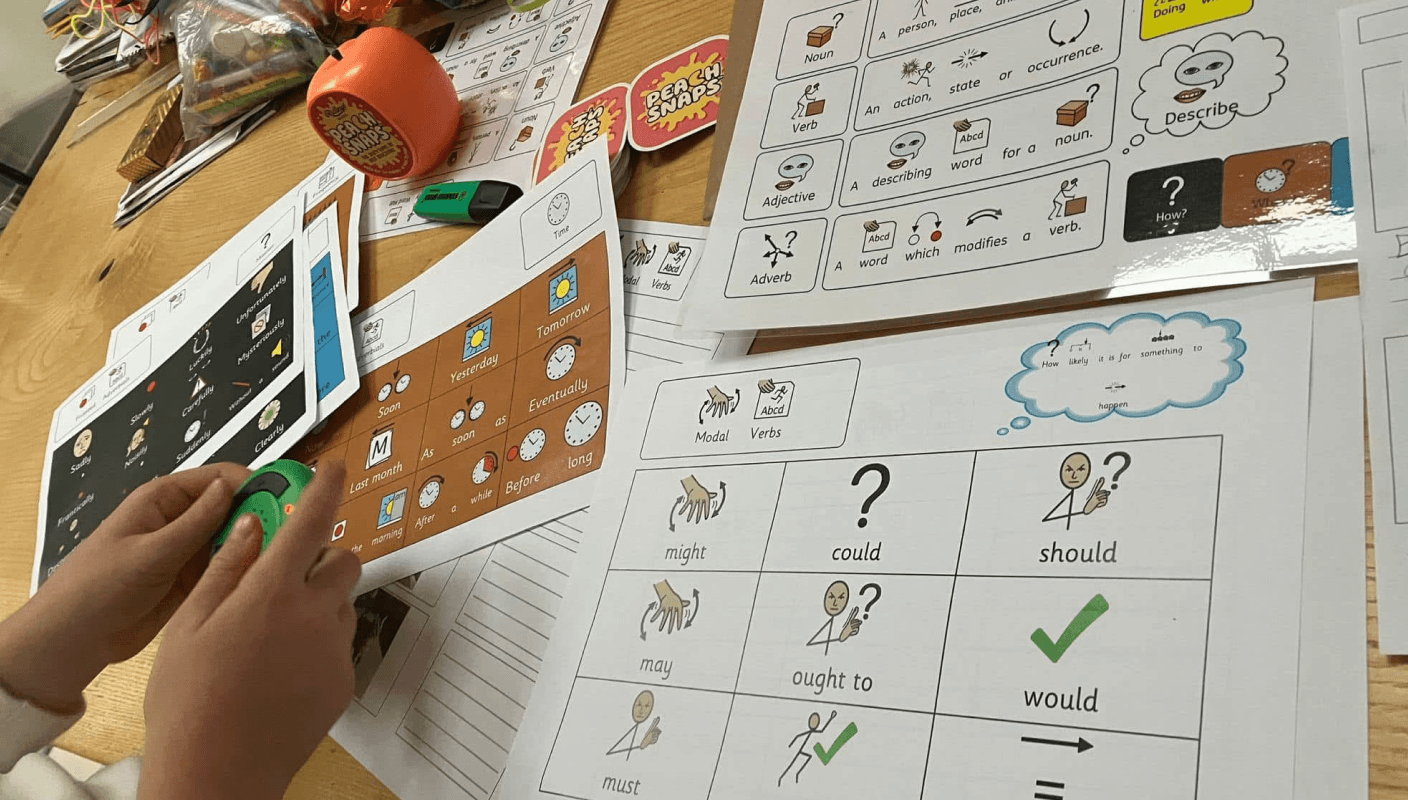
You may have already tried various ideas to help your child with their spelling, phonics, reading and writing challenges – but hit hurdles along the way which you have found difficult to overcome. When parents come to us, they often mention that, though they wish to provide the best support they can, they acknowledge lacking the in-depth knowledge and skills a specialist tutor can provide.
The benefits of a personalised tutoring plan
Given that every child’s dyslexia is as distinctive as they are, there are huge benefits to drawing on a tailormade programme developed by a highly experienced specialist tutor to get your child back on the right track with their literacy and processing skills.
How do I help my child with dyslexia at home?
“As a parent, it is important to reinforce your child’s learning of phonics using activities that are consistent with those used by the specialist tutor. Trying something different might be confusing and counter-productive” explains Linda. Here are some ideas for activities for parents to make reading and spelling enjoyable, meaningful and successful for children with dyslexia.

For all children struggling with literacy:
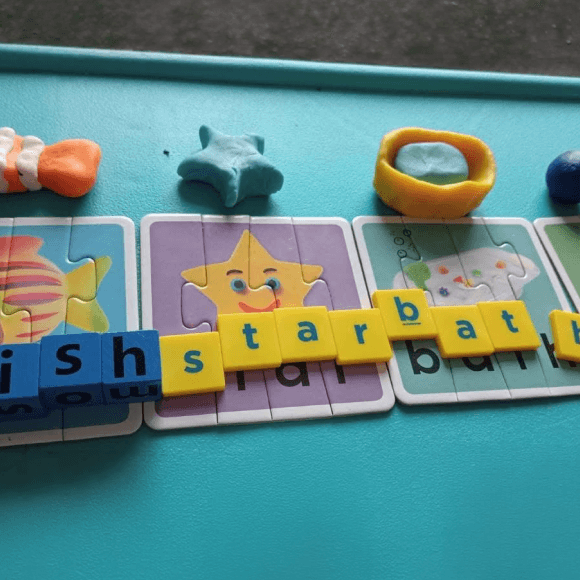
- Beneficial multisensory methodsIncludes writing with fingers in sand, or using condensation on windows or mirrors. You can also make huge letter shapes in the air, trace letters on the back of a friend or sibling, all the while repeating the letter sounds while making their shapes.
- Read stories and books togetherAs opposed to focusing on individual words or contrived sentences. Even if you, the parent, are doing most of the reading and your child is just contributing by reading the occasional word, they are enjoying the experience of reading, and getting meaning from written words.
- When your child is reading to you, try not to correct their mistakesIf what they have read does not make sense, give gentle feedback that encourages your child to monitor themselves and self-correct without feeling bad – for example, quietly asking: “Do you think that’s right?” or “Does that make sense?”
- Encourage your child to ask you if they don’t know a wordAllow your child time to work out a word, and again don’t be too quick to prompt.
- Try writing simple instructions for your child to followAs part of a Treasure Hunt, or a guide on how to make something. This encourages children to judge for themselves whether they have read the instructions correctly. You could also try asking them to write instructions for you to follow.
“Since we started working with SENsational Tutors, I’ve noticed that Lila’s started to enjoy reading, which she didn’t do before.”
For children at the very early stages of literacy:
When reading a story, have your child try to find all the examples of a target letter in a page, or paragraph.
To help them do this, you can have them colour/highlight that letter. Then read through the whole page, stopping at each identified word, and emphasising the target letter sound as you read it.
Play multisensory games to practice recognising letters and their sounds, or simple high-frequency words. Games that involve jumping around are often the most effective, as well as the most fun (see blog for specific ideas).
For older children with some literacy skills:
Don’t be too concerned about reading accuracy when mistakes don’t change the meaning of the sentence. This is because pointing out minor errors can undermine a child’s confidence, and may often then lead to more errors being made.
When your child comes across an unfamiliar word, it is not always necessary to sound out every letter. If they use context cues, they can often work out what even a multisyllabic word says from the first three or four letters, by thinking what would make sense in that sentence e.g. “Mum was ill so she went to the hosp…“ Reverse roles. So you read to your child, but deliberately make some mistakes for them to correct you. Be sure to make deliberate mistakes fairly obvious, though!
With written work, where there are spelling mistakes, give credit for the parts of the word that are spelled correctly, even if it’s just the initial letter. It may be just a little part of the word is misspelled
We all know how central reading and writing skills are to the school curriculum and life in general. But they should also be shared as a source of great pleasure – the more enjoyment children get from reading and writing tasks, the better their progress is likely to be.

Complex medical needs
For children with multiple, or complex needs, we can help you find a Tutor with the perfect skills and experience.

Some of our Dyslexia tutors
At SENsational Tutors, all our tutors have experience and expertise working with SEND students.

Eva
Online
In-person
Leighton Buzzard
With 20 years in education, I adapt maths and science lessons for autism, ADHD, and SEN. I set clear goals tailored to each student's pace, strengths, and unique personality.
View profile
Anthony
Online
In-person
Bishop's Stortford
(3 reviews)
With over 13 years of experience, I support students with autism, ADHD, and SEND in subjects such as English and Maths. I build trust and rapport to make learning a positive, empowering experience.
View profile
Felicity
Online
In-person
Brentford
(1 review)
I am a specialist English and SEN teacher with over 20 years of experience in both mainstream and specialist SEND settings.
View profile
Stuart
Online
In-person
Shrewsbury
(2 reviews)
Experienced SEND teacher providing flexible, relationship-led tuition, tailored to each young person’s needs, interests and strengths to build confidence, engagement and independence.
View profile
Liz
Online
In-person
Barton Le Clay
I have had a 40 year career in teaching and 38 yrs supporting students with SEND.
I can offer specialist literacy support, study skills and GCSE Exam Preparation from aged 7 to adult.
View profile
Heather
In-person
Online
Chester
I am an experienced teacher and SENCo with a strong track record of supporting pupils with a wide range of additional needs. I have worked in a resource provision and mainstream primary schools.
View profile
Lucy
Online
In-person
Orpington
Specialist support for children with ADHD and executive functioning needs, combining targeted maths and literacy tuition with practical strategies to build confidence, focus and independence.
View profile
Rachel
In-person
Online
London
I am an experienced tutor and former senior school leader with over 26 years of experience. I have a strong track record of supporting children with a wide range of special educational needs.
View profile
Dyslexia FAQs
Here are the answers to some of the most common questions about tutoring for children with dyslexia
Local Authorities
We often work with local authorities to provide safe, measurable and properly documented education to young people with dyslexia.
Our tutors are all qualified (QTS) teachers with specialist SEND experience. They are also trained in trauma-informed approaches to education. We provide detailed, evidence-based progress reports, attend MDT and review meetings, and maintain consistent communication with local authority representatives.
With the training and the experience to teach children who have experienced school trauma, complex autism, PDA or non-speaking presentations, SENsational Tutors provide qualified SEN tutors for local authorities and schools across the UK.
Tutoring Options
There are several different types of tutoring available through SENsational Tutors.

Private Tuition
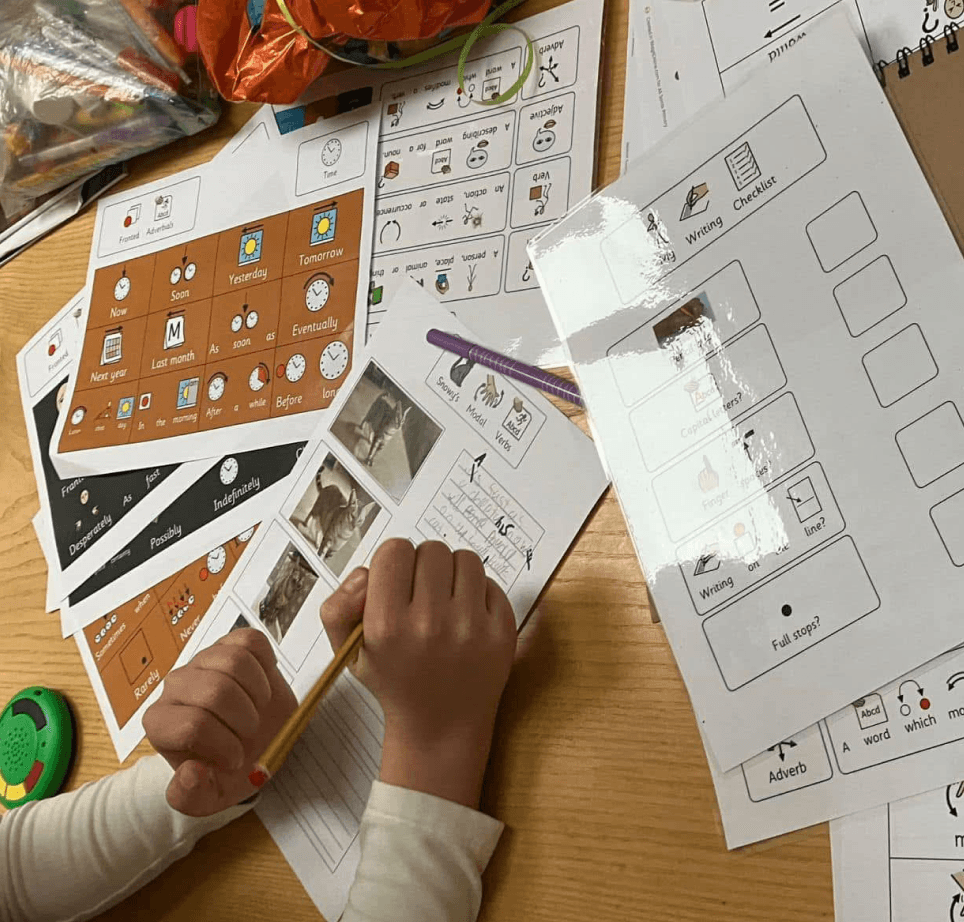
Many of our highly qualified SEND tutors can provide one to one tuition at your home.

Online Tuition
All our online tutors provide one to one tuition, ensuring your child gets dedicated support.

Home Schooling
Our dedicated SENational tutors can provide the education and support for elective home education.

EOTAS
SENsational Tutors can provide expert tutors through your EOTAS package or personal budget.

How it works
At SENsational Tutors, we aim to make your life as a parent easier and will work with you to help source the most suitable SEN tutor or professional for your child.
- Find a TutorUse our easy online tool to find experienced SEND tutors who have the skills your child needs.
- Meet your Tutor for freeBook in a free consultation with your chosen Tutor, to make sure they’re the right fit for your child.
- Book sessions directYou can then arrange tutoring sessions directly with your Tutor, giving you greater control over your availability.
“Outstanding! - I had previously struggled to find a specialist dyslexia tutor with the expertise to meet both the academic and emotional needs of my brother. The support, care and attention from SENsational has been nothing short of delightful. I urge any parents/carers of children and adults who require a specialist SEN tutor to look no further.”
Sabrina
London
What we cover
Our Tutors cover a wide range of ages, educational levels and subjects, and you can find details on each Tutor’s individual profile.
Subjects we cover
- Maths
- English/Literacy
- Science
- Homework support
- General engagement
- Confidence and self esteem
- Study skills
- Executive functioning skills
- Social communication
- Language skills
Multiple Academic levels
- Early years
- Post 16
- Primary
- Adult
- Secondary

Find a Tutor that specialises in Dyslexia
Use our online Tutor Finder to discover experienced and qualified tutors with dyslexia experience.
Case studies

Return to school for a student with complex needs
Complex & MedicalPDAAutismDyslexiaAnxietyDyspraxia/DCDDyscalculiaSEMH/EBSA

“I really didn’t know what to do.
So having an outsider come in, just provided a much calmer, professional approach. So rather than sitting and “I don’t want to read a book right now”, she actually is picking up books on her own and saying “I think I’ll read this.”. I think you (SENsational tutors) are different because you look at the child as an individual, and you seem to establish what they need specifically, rather than just using a blanket approach.”

Latest Articles

-6HCsObEmHyTymSxlGoNYxUnBzIoixR.jpg%3Fprefix%3Dlive&w=3840&q=75)


“Our son has dyslexia and dyscalculia and SENsational Tutors very quickly identified David as having the right experience and expertise to help him...
David's supportive and empathetic approach to our son has had a great impact on his maths understanding and confidence, and in less that 2 months, we are hopeful that we are on track to gaining a pass in his iGCSE in May next year - something that looked impossible at the start of the academic year!! Very happy that SENsational Tutors helped us to connect with such a skilled teacher.”
Susie
London
Find a Tutor that specialises in Dyslexia
Use our online Tutor Finder to discover experienced and qualified tutors with dyslexia experience.