Wellbeing and Mentoring
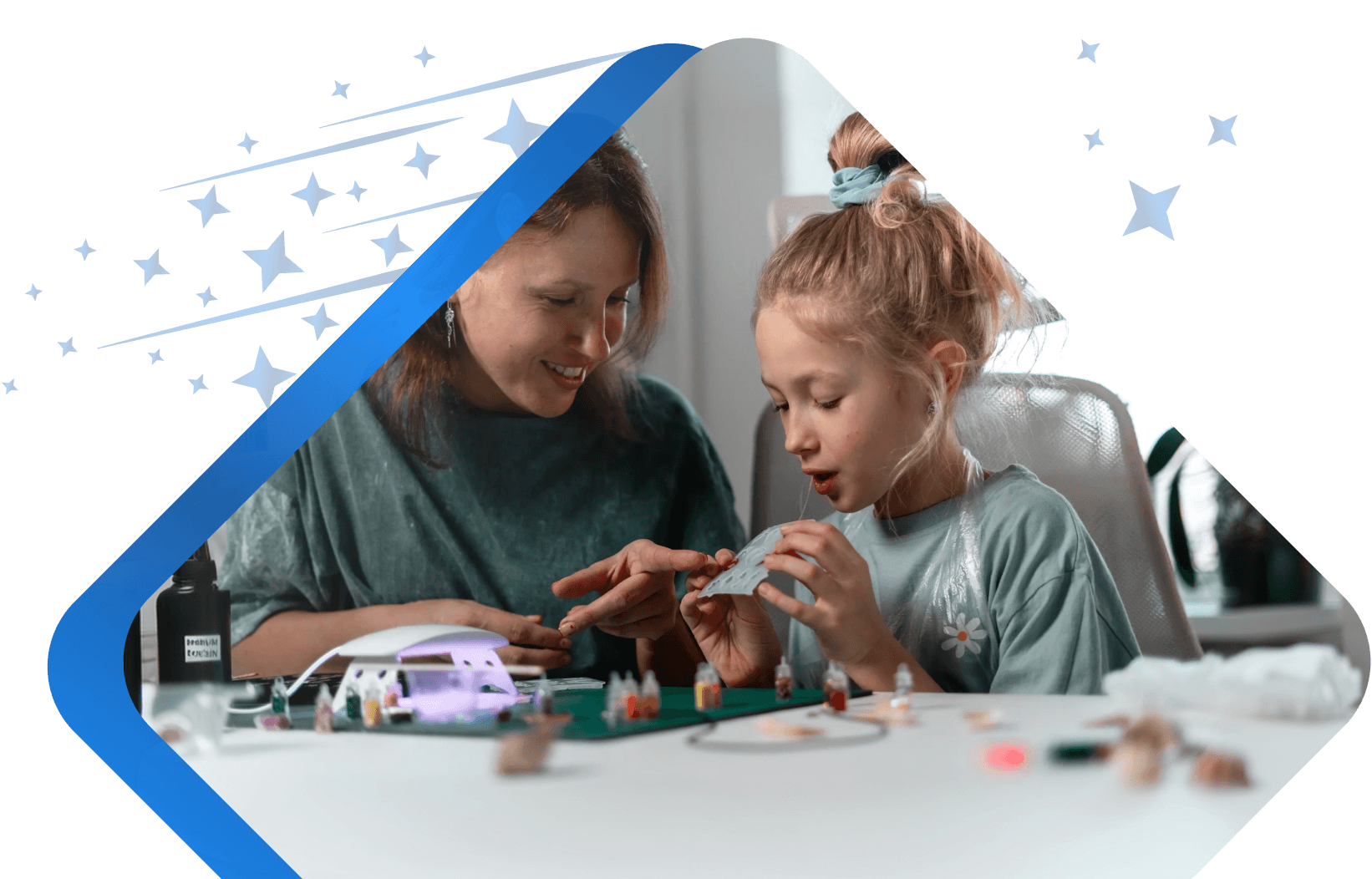
Mentoring and wellbeing support can make a huge difference to a SEND child’s experience of education.
Creating confidence in learning
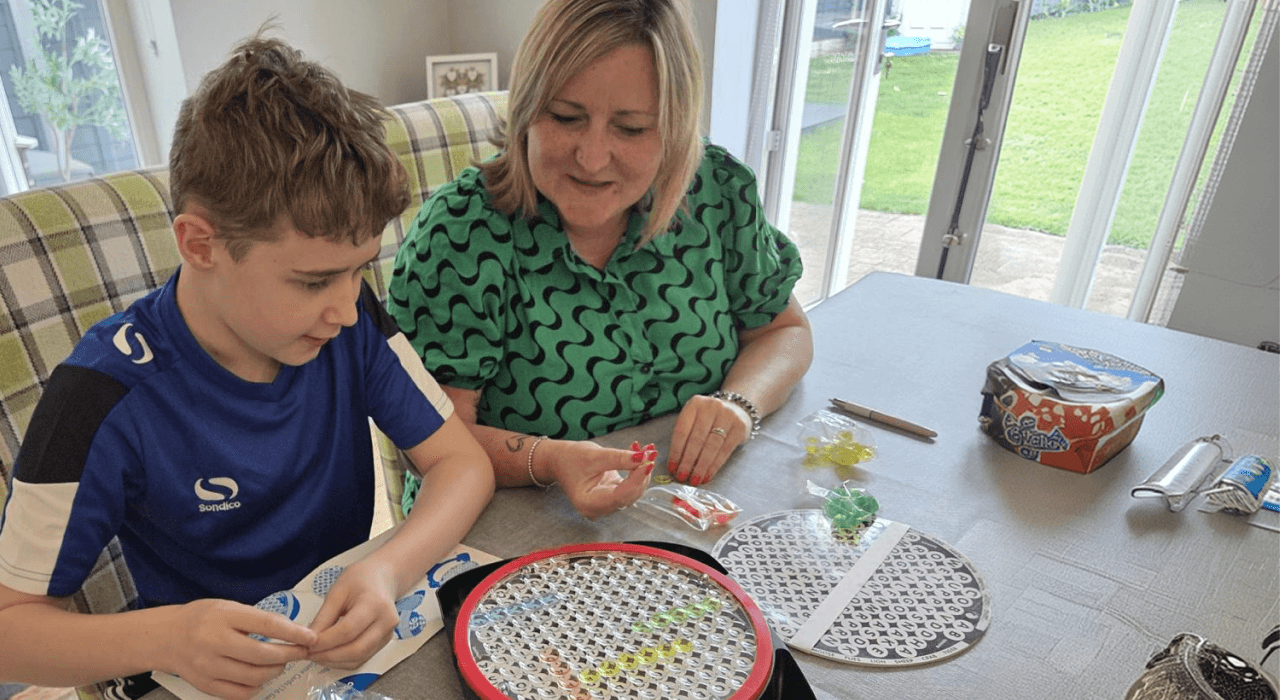
When it comes to working with students with special needs, building a rapport and a sense of trust is just as important as boosting academic achievement. An experienced SEN tutor will understand that behind a child’s hostility or reluctance to engage with schoolwork, there is probably a huge amount of anxiety coupled with low self-worth.
“Because of this, the tutor will aim to develop a nurturing relationship with a young person before any learning takes place. You can’t put the cart before the horse. By the time a student comes to us, they’re often at rock-bottom. They may have disengaged with their education provider and their parents are probably worried. You have to find a way to bring learning alive again for them and help them to re-discover their confidence. We all do our best when we feel good about ourselves.”

SENsational Tutor Kelly
Building Trust Takes Time
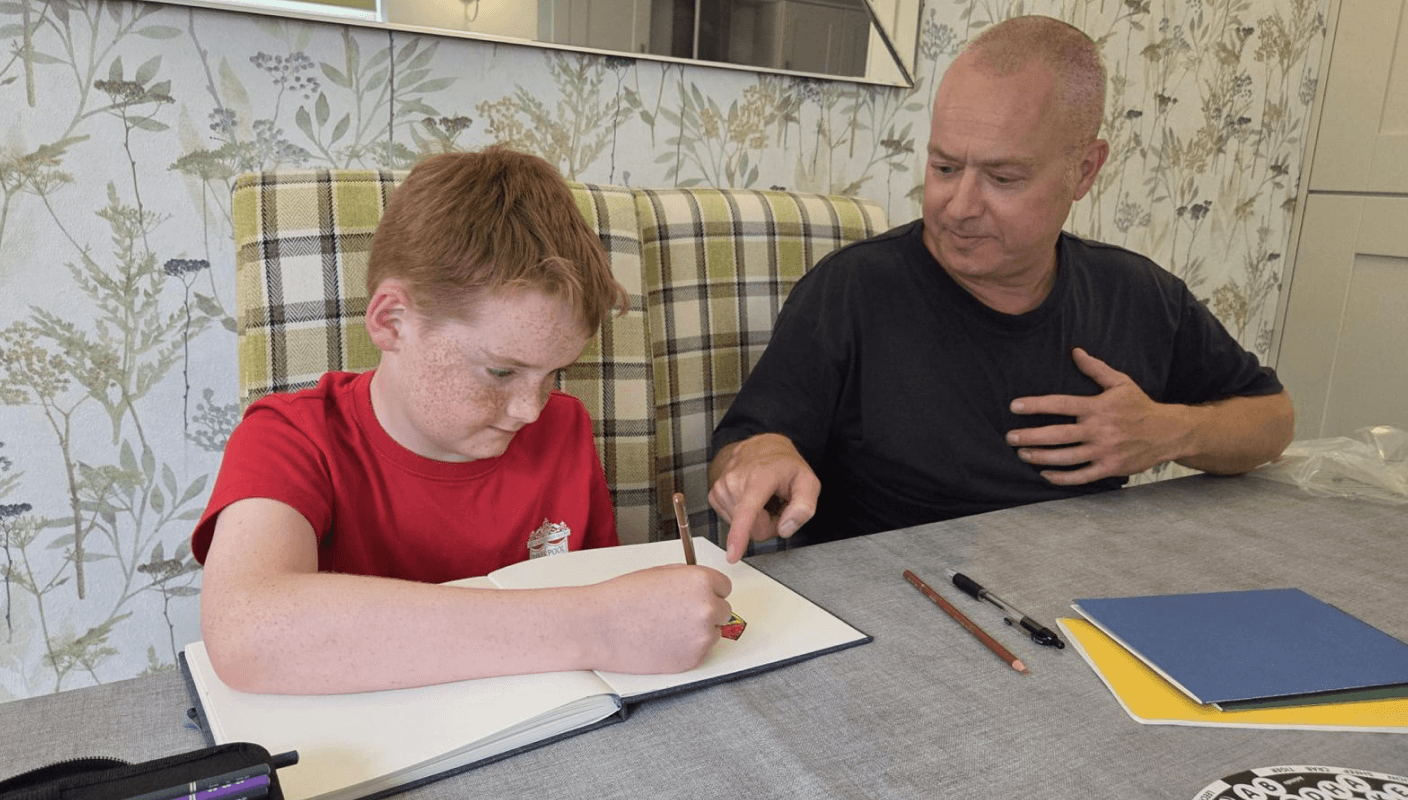
Realistically, however, it can take time to ‘connect’ with a new student, especially if they are fearful of change or find social situations challenging. And although it may sometimes appear that not much progress is being made, the fact that they are sitting down with someone they’ve never met before, is definitely a move in the right direction.
“It’s about being consistent” Kelly explains. “One student I work with, for example, is trying to get rid of me but I keep turning up! I’m always there when I say I will be and that’s the first step to building trust. And sometimes families also need to be guided to see that the session isn’t only of benefit when their child has completed lots of worksheets. Success is very different for people with special needs – just engaging with the tutor, even in a small way, is a success.”
SENsational Tutor Kelly
Tutors Need to be Aware of How the Student is Feeling
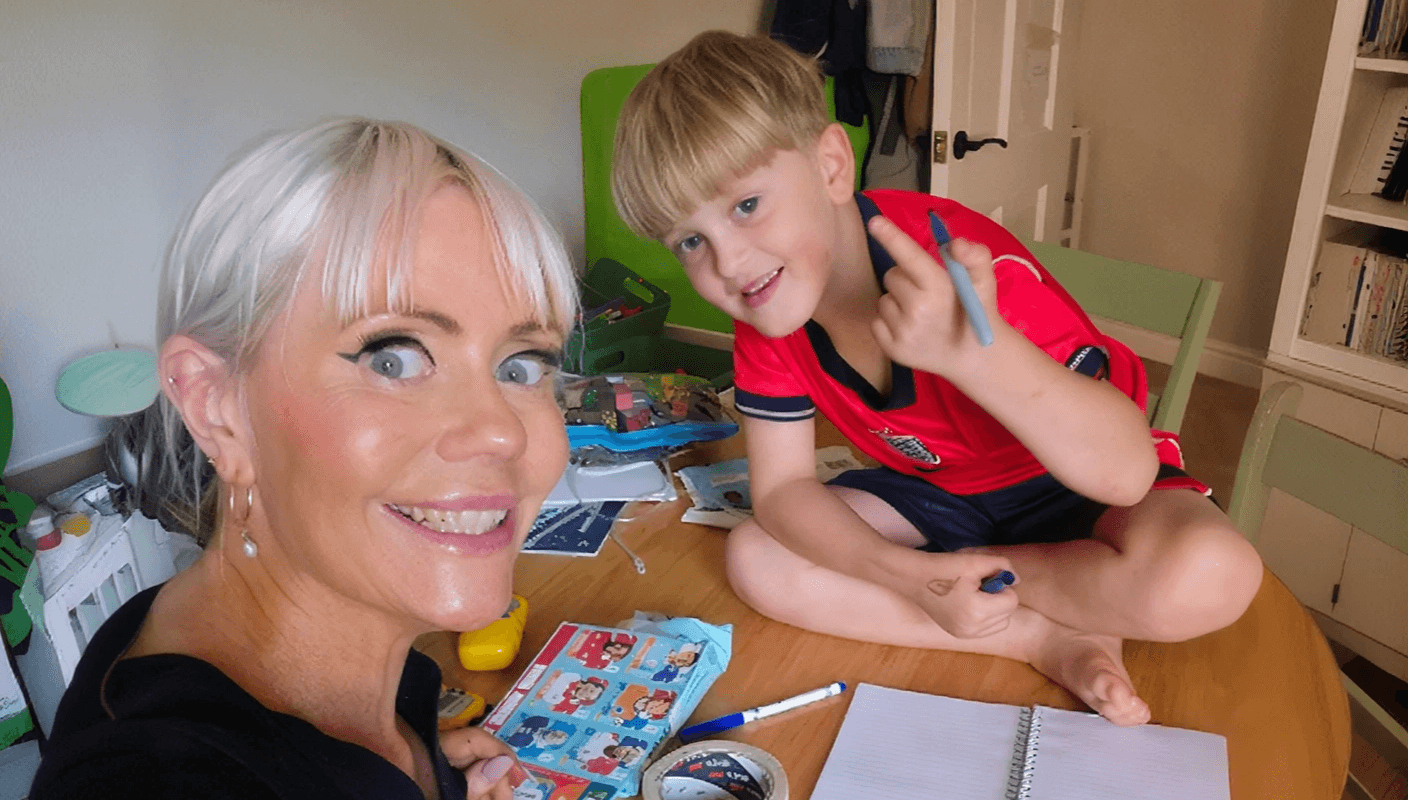
Gemma has worked extensively with children with a variety of SEN including ADHD, autism, and dyslexia and has three children of her own with special needs. She agrees that encouraging a sense of wellbeing is an essential aspect of the tutor’s role.
Aside from her teaching work, Gemma also works as an energy healer and although she never uses its techniques on her students (it would be unethical without permission) it has broadened her understanding of how to best support young people.
“I might say, ‘When I’m upset, I try to breathe like this’, or maybe, ‘When a person is angry, they might want to bang their fist on the table’” she elaborates. “I don’t force them to try anything. I just want to open up the conversation.”
In return, she says, it’s useful for the tutor to be honest about their own emotions. “I’ve noticed that students can often tell if I’m not feeling great, either, even if I’m putting on a professional ‘face’” she points out. “I tell them the truth – that I’m tired or there was a lot of traffic on the roads, or whatever.”

SENsational Tutor Gemma

Listening to the Students’ Concerns
To help with this, she offers students the chance to explain how they’re feeling at the beginning of a lesson if something seems ‘off’. And although adults often feel they have to ‘fix’ difficult situations on behalf of young people, it’s better, Gemma advises, to just ‘hold the space’ – in other words, simply listen and acknowledge any difficulties in the child’s life.
“I might say, ‘When I’m upset, I try to breathe like this’, or maybe, ‘When a person is angry, they might want to bang their fist on the table’” she elaborates. “I don’t force them to try anything. I just want to open up the conversation.”
In return, she says, it’s useful for the tutor to be honest about their own emotions. “I’ve noticed that students can often tell if I’m not feeling great, either, even if I’m putting on a professional ‘face’” she points out. “I tell them the truth – that I’m tired or there was a lot of traffic on the roads, or whatever.”
SENsational Tutor Gemma
Create a United Front
When children are complaining about the ‘pointlessness’ of something they are struggling to learn – nuances of grammar for example – it can be powerful to stand on the same side as them so that it’s you and them vs the work (rather than you and the work vs them!). In this way, you are demonstrating that you hear them, understand the challenges and will be beside them as they navigate their way through the system.
However, the most important aspect of encouraging wellbeing, Gemma maintains, is accepting the young person as they are.
“I might say, ‘When I’m upset, I try to breathe like this’, or maybe, ‘When a person is angry, they might want to bang their fist on the table’” she elaborates. “I don’t force them to try anything. I just want to open up the conversation.”
In return, she says, it’s useful for the tutor to be honest about their own emotions. “I’ve noticed that students can often tell if I’m not feeling great, either, even if I’m putting on a professional ‘face’” she points out. “I tell them the truth – that I’m tired or there was a lot of traffic on the roads, or whatever.”
SENsational Tutor Gemma
Enquire about mentoring
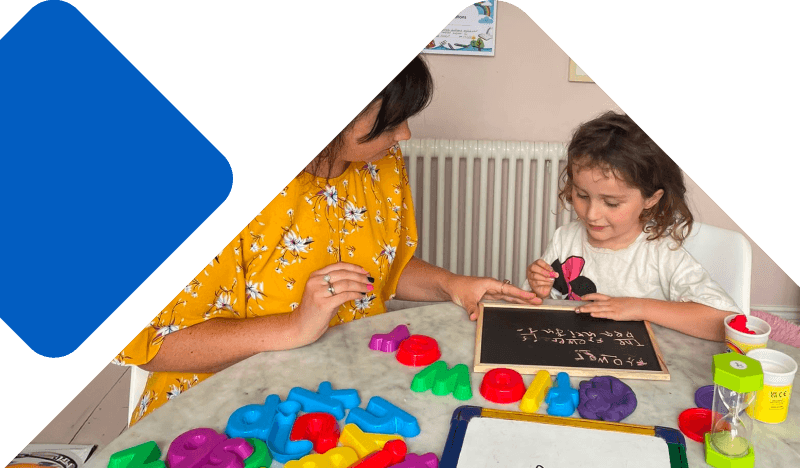
Find out more about mentoring and wellbeing support from the expert team at SENsational Tutors
Some of our Mentoring & Wellbeing tutors
Alternative Provision through SENsational Tutors ensures your child is matched with a tutor with real SEND experience.

Lucy
In-person
Whistable
We will learn through art, play, communication, experimentation and real life experiences. I will be a let your child lead me. I aim to encourage agency and a zest for learning that knows no limits!
View profile
Sarah
Online
In-person
Bramhall
(1 review)
Drawing on 20 years of experience, I build encouraging English and maths lessons for students with autism, ADHD, and SEN. I help learners feel confident, secure, and ready to progress.
View profile
Angela
Online
In-person
Windsor
(3 reviews)
With 30+ years of experience, I provide supportive tuition for young people 3-19 years. From EYFS to English and Science GCSE, I ensure practical calm sessions where students feel secure to progress.
View profile
Maxine
Online
In-person
Sheffield
Specialist Math Tutor (20+ yrs). Tailors GCSE lessons for students with SEND using clear, personalised learning strategies to builds confidence, nurture individual strengths which drives progress.
View profile
Claire
Online
In-person
London
With over a decade of experience, I offer tuition in primary education and interest led learning to learners with SEN, . My warm approach strengthens skills and builds self-confidence.
View profile
Katie
Online
In-person
Stockport
(1 review)
Drawing on 20+ years of experience, I create calm, practical sessions for children with autism, ADHD, and SEN. I prioritise a secure, supportive space to foster steady, meaningful progress.
View profile
Catherine
Online
In-person
Woodford Green
With 30 years' experience, I tailor English and maths lessons for students with autism, SEN, and dyslexia. By adapting to their pace and strengths, I ensure positive, long-term outcomes.
View profile
Brooke
In-person
Chertsey
Experienced teacher & educational psychotherapist offering bespoke tutoring, psychotherapy, EOTAS coordination & SEN consultancy. I provide attuned, relational support tailored to each young person.
View profile