




Sorry, no records were found. Please adjust your search criteria and try again.
Sorry, unable to load the Maps API.

- In Person
- Online
- Either in person or online
• My specialist experience working with young people with SEN to develop trusting and meaningful relationships;
I believe that the best learning occurs when a person feels calm, empowered and psychologically safe. I build trusted meaningful relationships by taking a genuine interest in my students’ hobbies and weaving these passions into learning materials. For example, Spiderman has used fractions to save the city and WWE characters have supported subtraction. In these approaches I prioritise consistency, providing a fun challenge to look forward to which builds positive habits and supports development in the long-term.
• My experience working with young people with ASC;
In my experience, no two individuals with ASC present the same and therefore it is key to use a tailored approach to promote their strengths. I focus on reducing cognitive load, alleviating anxiety and positive reinforcement to build confidence and momentum in sessions. I have experience with some learners who enjoy discussing all aspects of a task and understanding all about it, and others who prefer to diligently listen and communicate non-verbally. To support learners, I use visual schedules, real world examples and clear explanations for tasks which provides clarity. By adapting to the preferred communication style, this helps to build a tailored learning environment which works for the learner.
• My experience working with young people with PDA;
When supporting learners with PDA, I offer a calm, personalised approach which promotes autonomy and a curious approach to learning. By providing choice in tasks, indirect language and a collaborative approach, this helps the learner feel in control of their learning, building natural engagement.
• My experience teaching primary Maths and English;
I excel at breaking down abstract concepts into tangible manageable chunks. I use scaffolding techniques, ensuring foundational skills are mastered before introducing more complex topics. This creates predictable progression, minimises frustration and promotes those rewarding ‘Ah ha!’ moments which we all enjoy working towards. Weaving in a learner’s interests and providing practical examples and gamifying activities can also be an engaging way to promote learning.
• My experience teaching social communication and language skills;
I promote social communication and language skills throughout my sessions, using shared activities and real-world situations to promote confidence in a low-pressure environment. For example, I am an avid chess player and have found through setting up two school chess clubs, it is an excellent example of promoting social communication skills, for example being gracious in defeat and humble in victory.
• My experience developing confidence and self-esteem;
I utilise a strengths-based approach, establishing a psychologically safe learning environment. One of the most important aspects of learning is the mistake, which is an important step to growth. To model this approach, I often include an example where someone (examples: Me or Superman) has made a mistake and enabling the learner to pin-point the mistake and help to correct it. Another beneficial method of developing confidence has been genuine and specific compliments. For example, using Well done in adding those fractions, I can see how neatly you balanced the denominators on your notebook. This is much more impactful than You’re so smart.
• My specialist experience providing engaging sessions to inspire a love of learning;
I believe the most effective learning is individualised to a learner’s needs whether energy levels or attainment. I enjoy employing interest-led learning which helps to foster a curious mind and using play to incorporate educational tasks. This can be through gamification of maths puzzles and adapting interests. When tutoring maths, usually, I like to include a tailored example of a question which will include a learner’s favourite character or franchise which provides a little bit of suspense and motivation to engage and facilitate a love of learning.
• My skills and experience supporting young people to develop their independence;
Developing independence is a core goal of my tutoring practice. I actively support the development of executive functioning skills, for example planning, organising and the initiation of tasks. I use practical tools like visual timetables, lesson structure and checklists to reduce the cognitive load on the learner, promote consistency and enable them to focus on learning. I also promote self-regulation tasks, often through 5-minute movement breaks which encourages healthy learning techniques.
• My experience supporting young people with anxiety;
When supporting learners with anxiety, my main focus is to create a calm and low-pressure environment where it is normal to make mistakes. I understand that academic anxiety can often lead to an overwhelming feeling and so I break down tasks into small, more manageable steps. In maths lessons I like to focus on positive reinforcement by beginning with accessible starter exercises. This creates ‘wins’ and builds momentum during the sessions. From a positive base, I move at the learner’s pace and celebrate resilience and effort, building lasting confidence.
• My experience supporting young people with Trauma;
When working with young people who have experienced trauma, my first priority is to establish a trusting professional relationship. This helps build emotional regulation which then provides the essential foundations for academic progress. Using a trauma-informed approach, I prioritise a safe, consistent and predictable environment. Once a learner feels secure, I gently guide them to re-engage with learning at a comfortable pace for them.
• My experience supporting young people with ADHD;
For learners with ADHD, I design interactive, tailored activities to organically promote engagement by utilising their interests. I understand how to work with active minds by breaking down materials into bite-sized chunks, incorporating colour and varied materials. By actively including movement and sensory breaks into sessions as part of a routine, this provides the variety to maintain focus and keep learning enjoyable.
• My experience supporting young people with SEMH;
The safety, happiness and overall wellbeing of my learners are at the core of my tutoring approach. I prioritise creating a psychologically safe environment, focusing on building confidence, active listening and flexibility. Through this supportive approach, I adapt my lessons to meet the learner where they are, without adding any pressure, to help rebuild confidence and resilience.
• My experience supporting young people with challenging behaviour;
I approach challenging behaviour with a calm and non-judgemental mindset, recognising that it is often a way of communicating unmet needs or academic frustration. I believe in proactive behaviour management that I role-model myself, establishing clear, positively framed expectations and celebrating excellent behaviour. As part of this patient approach, I use proven strategies such as identifying triggers, teaching functional skills and building routines to maintain a constructive and supportive learning environment.
- Qualified Teacher Status (QTS)
- BSc Mathematics
- MSc Psychological Sciences
- SEN related CPD in various roles
When I think back to all the learners I have worked with, the common factor for success is that learning happens when a person feels happy and safe. This can mean different things for different people and so it is important for a Tutor to take a genuine interest to determine what provides them motivation.
...you would like a Tutor who can engage in games, sports and activities outside of the curriculum to promote confidence and build self-esteem.
...you would like a tutor who can relate to young people through gaming and computers.
...you would like Specialist SEN Maths tuition which can be adapted to your child's needs through their interests and hobbies.
- General Engagement, Confidence and Self Esteem
- Primary (Maths and/or English/Literacy)
- Secondary Maths (Including GCSEs)
- Secondary Science (including GSCEs)
- Study Skills & Executive Functioning Skills
- Social Communication & Language Skills
- Functional Skills (English & Maths)
- Homework Support
- Primary
- Secondary
- Post 16
- Adult
- Anxiety
- ASC (autism)
- ADHD & ADD
- Dyslexia
- PDA (Pathological Demand Avoidance)
- SEMH (Social & Emotional & Mental Health needs)
- Working Memory and Processing Needs
- Speech and Language Needs (including non-verbal)
- Dyscalculia
- DCD (Dyspraxia)
- Trauma/Abuse
- SEND (inc. disabilities)
- Other SEN
While I enjoy Maths and logic puzzles, I also enjoy Chess, RPG games and sports (football, badminton and table tennis).
One special thing about me is I know one good card trick and no one has guessed how I do it (so far!)

- In Person
- Online
- Either in person or online
My specialist experience working with young people with SEN to develop trusting and meaningful relationships
For the past eight years, I have worked one to one with children and young people with SEND who are without a school place, often due to exclusion or because a placement is not meeting their needs. Many of the children I support are in a vulnerable position and have had negative, sometimes traumatic, experiences associated with education.
My role is to patiently and consistently show up and gently build trust. I aim to show each young person that their previous experiences of being misunderstood or unsupported will not be repeated. My approach is warm, non-judgemental, and flexible, allowing children the time and space to settle and get to know me at their own pace.
I am naturally bubbly and genuinely interested in others, which often helps children to relax and open up quickly. Some of my tutoring relationships have lasted several years, during which I have supported students to make rapid progress and achieve qualifications that initially felt out of reach. I strongly believe that for all children, and especially those with additional needs, a trusting relationship with their teacher is the foundation for meaningful learning. Once this is in place, progress academically, socially, and emotionally often follows.
My experience supporting young people with ASC
One of my first roles was in a specialist school for students with autism, where meeting a wide range of needs was a central part of my training. I learned the importance of meeting autistic learners where they are and showing genuine interest in their passions, which is often key to building trust and engagement.
I have supported autistic children one to one within mainstream classrooms and developed sensitivity to recognising when a child is overwhelmed and needs space. I scaffold both academic and social experiences in ways that are supportive while respecting individuality and autonomy.
I regularly use visual supports, clear routines, and sensory-aware strategies, adapting them to suit each child’s needs. I also have experience with social stories, PECS, visual timetables, and basic Makaton, and I research and create resources to ensure support is tailored to each child.
Experience Supporting Students with anxiety
I have worked with children and young people with social, emotional, and mental health needs, including anxiety, trauma, and other challenges. I provide calm, predictable, and safe learning environments where students feel heard and valued.
I use structured routines, visual supports, and clear communication to reduce anxiety, while offering opportunities for emotional expression and reflection. By fostering trusting relationships, I help students feel secure, confident, and able to engage meaningfully with learning and social experiences.
My experience supporting young people with PDA
I have worked with several young people with a PDA profile, and my approach is gentle, flexible, and non-pressuring. I understand that engagement can vary day to day, and I see each positive interaction as meaningful.
While I often arrive with a plan, I am guided by the child in front of me. This can mean adapting activities to follow the child’s interests or mood to keep learning achievable. I offer choices to give a sense of autonomy and ownership, which is particularly important for children with a PDA profile.
My experience supporting students with dyslexia
I have supported students with dyslexia by focusing on building confidence alongside literacy skills. I understand that reading, spelling, and writing can feel overwhelming, so I use structured, multi-sensory approaches to make learning more accessible and engaging.
I break tasks into small, manageable steps and use visual aids, repetition, and clear routines to support memory and understanding. I also encourage the use of strategies such as phonics support, word banks, and assistive tools where appropriate.
By celebrating effort and progress, I help students feel capable and motivated. My aim is to create a calm, supportive environment where students with dyslexia can develop their skills at their own pace while growing in independence and self-belief.
My experience Supporting Students with ADHD
I have worked with children and young people with ADHD in one-to-one and small group settings. I provide clear, manageable instructions, frequent check-ins, and opportunities for movement and sensory regulation.
I break learning into achievable steps and offer choices to maintain engagement and autonomy. By celebrating effort and creativity, I help children with ADHD stay motivated and feel valued while developing confidence in their abilities.
My experience working with young people with working memory difficulties
I have supported young people who find it difficult to hold and process information, particularly when following instructions or completing multi-step tasks. I adapt my approach to reduce cognitive overload and support confidence.
I give clear, concise instructions and break tasks into manageable steps, often one at a time. I use visual prompts, repetition, and regular check-ins to reinforce understanding and help students stay on track.
I also encourage simple strategies such as checklists and verbal rehearsal. My aim is to create a structured, supportive environment where students can build confidence and develop greater independence in their learning.
My experience teaching Primary Maths and English
I have experience teaching Primary Maths and English, supporting children to build strong foundations in both subjects. I focus on making learning engaging, accessible, and confidence-building, particularly for those who may feel unsure or behind.
In Maths, I use practical resources, visual methods, and clear step-by-step explanations to develop understanding. In English, I support reading, writing, and spelling through structured activities, discussion, and creative approaches.
I adapt lessons to suit individual needs, breaking learning into manageable steps and offering encouragement throughout. My aim is to help children feel confident, capable, and motivated in their learning.
My experience teaching community support and outside activities
My first role at university involved supporting young adults with additional needs in social activities such as trips to the cinema or bowling without their parents. It was rewarding to see young people enjoy independence while remaining safe and supported.
This experience taught me to offer guidance in an unobtrusive way, allowing children to try things for themselves, such as paying for food or making choices, while being attentive and ensuring they felt confident and secure.
My experience supporting young people to build confidence and self-esteem
I believe the most powerful way to build self-esteem is through consistent, caring relationships. I take time to get to know each child, asking about their interests and remembering what matters to them. I am warm and genuinely enjoy spending time with students.
I celebrate success, both academic and social, using praise and positive reinforcement to highlight effort and progress. Even small achievements are recognised, helping children feel proud of themselves and their growth.
My specialist experience providing engaging sessions that inspire a love of learning
I am a passionate learner, and I believe curiosity and enthusiasm are contagious. Many children I work with have had difficult experiences with education and may feel anxious or disconnected from learning. I aim to rebuild positive associations by making sessions safe, enjoyable, and achievable.
I take time to understand each child’s interests and preferred ways of learning, and I use these as the foundation for sessions. Learning may be built around favourite topics, games, stories, or real-life activities to make it meaningful. By keeping learning flexible, creative, and child-led, I support children to rediscover curiosity and develop confidence in themselves as learners.
My experience teaching English
I am a former Head of English and can teach English up to A Level. I have extensive experience supporting students across the GCSE curriculum and helping them develop the analytical skills needed for success, including exploring figurative language, writers’ methods, and structuring clear written responses.
When working with students who are already performing well, I focus on deepening their understanding and helping them express their ideas with greater clarity and confidence. I break down analytical thinking into manageable steps and model how to build thoughtful responses without making the process feel overwhelming.
As much of my work is with young people with SEND, I take a calm, supportive, and non-pressuring approach. I create a safe space where students feel comfortable sharing ideas, asking questions, and developing their thinking at their own pace. My aim is to build confidence alongside strong academic skills so that students feel capable, engaged, and proud of their progress in English.
My experience supporting young people with study skills and executive functioning skills
I have supported many young people who find organisation, focus, and getting started with tasks challenging. With younger students, I focus on gently building these skills through clear routines, visual supports, and breaking work into small, manageable steps. I often use checklists, short goals, and regular encouragement to help children stay on track and experience success. I also build in movement, choice, and varied activities to help maintain attention and motivation. My aim is to help children feel more confident approaching their work, while gradually developing the independence and strategies they need to manage their learning both in and out of the classroom.
My Experience Teaching GCSE Maths and Science
I have extensive experience tutoring students through the GCSE Maths and Science curriculum and am very familiar with the exam board specifications and requirements. I teach Maths and Science up to GCSE Foundation level, supporting students to understand key concepts clearly and build the skills needed for exam success.
Having struggled with Maths myself at school, I explain concepts in ways that are accessible and confidence-building, particularly for students who may feel anxious or unsure. I break learning down into manageable steps, use visual methods and practical examples, and regularly revisit key knowledge to secure understanding.
My focus is not only on covering content, but on helping students feel capable and prepared. With clear structure, patience, and encouragement, I support steady progress and growing confidence across both subjects.
My experience supporting young people with speech and language needs
I have supported children whose verbal language is limited, and I believe the key is giving them time and space to communicate in whatever way works best. I respond patiently and respectfully, using visual supports, modelling, and encouragement to help children feel confident expressing themselves.
- 15 years teaching experience, including working with students with SEND
- PGCE in English and Drama (Qualified Teacher Status) – fully certified and experienced in teaching children across a range of abilities.
- Up-to-date Safeguarding Training – committed to ensuring every child is safe, supported, and protected in all learning environments.
- MSc in Psychology - providing a strong understanding of child development, learning differences, and social-emotional wellbeing.BA in English Literature and Language
- MA in Postcolonial Literary and Cultural Studies
I believe that learning works best when children feel safe, understood, and valued. Trust and connection are at the heart of everything I do, especially for students who may have had difficult experiences with school or feel anxious about learning. My first priority is to create a warm, non-judgemental environment where students feel comfortable, listened to, and supported at their own pace.
I teach in a flexible, child-led way, meeting each learner where they are. I use a combination of structured strategies and creative approaches to make learning meaningful and accessible. For example, I may incorporate visual supports, routines, and sensory-aware strategies, or use social stories and PECS when helpful. I also adapt lessons in real time, sometimes following the child’s interests or mood rather than a pre-planned activity, so learning feels achievable and engaging.
I believe a good tutor combines expertise with empathy. It is not just about knowing the curriculum or interventions, it is about building relationships, listening carefully, and celebrating effort and progress, however small. I use praise and positive reinforcement to boost confidence, and I encourage independence by giving students choices and opportunities to practice life skills alongside academic learning.
For me, teaching is about sparking curiosity, celebrating strengths, and supporting growth. I aim to make each session enjoyable and rewarding, helping children not only achieve academically but also develop confidence, resilience, and a genuine love of learning.
- Your child has struggled in previous school or tutoring settings and you want someone who will listen, understand, and build trust first.
- You want a tutor who is patient, flexible, and child-led, adapting lessons to your child’s interests, mood, and pace.
- Your child has SEND, PDA, or anxiety, and you want someone experienced in supporting emotional wellbeing alongside academic progress.
- You want a tutor who will celebrate effort, build confidence, and encourage independence while helping your child achieve their academic goals.
- You want learning to be engaging, enjoyable, and meaningful, not rushed or pressured.
- You want a tutor who is experienced, qualified, and committed to safety, with up-to-date safeguarding training and a deep understanding of how children learn and develop.
- General Engagement, Confidence and Self Esteem
- Primary (Maths and/or English/Literacy)
- Secondary English (including GCSEs)
- Secondary Maths (Including GCSEs)
- Secondary Science (including GSCEs)
- Study Skills & Executive Functioning Skills
- Social Communication & Language Skills
- Functional Skills (English & Maths)
- Homework Support
- Primary
- Secondary
- Post 16
- Adult
- Anxiety
- ASC (autism)
- ADHD & ADD
- Dyslexia
- PDA (Pathological Demand Avoidance)
- SEMH (Social & Emotional & Mental Health needs)
- Working Memory and Processing Needs
- Speech and Language Needs (including non-verbal)
- Dyscalculia
- DCD (Dyspraxia)
- Global Developmental Delay & Learning Difficulties
- Complex & Medical Needs (including Cerebral Palsy; Brain Injury; Epilepsy and other needs)
- Trauma/Abuse
- SEND (inc. disabilities)
As well as teaching, I am a musical theatre writer and performer. My first musical, Wayward, has recently completed its first work-in-progress showings, and I am thrilled to be developing it further.
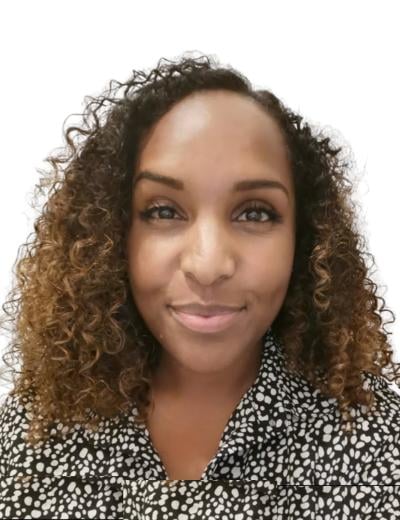
- In Person
Across every role, my purpose has remained the same - to ensure that children with SEND are understood, supported, and given equity of opportunity. My lived experience, professional journey, and personal values combine to create an approach rooted in compassion, high expectations, and unwavering commitment to inclusion.
Specialist Home Education
I began working with twin boys, both with complex speech and language needs, sensory processing needs and learning difficulties in 2022. My role involved planning personalised learning experiences and working collaboratively with a multidisciplinary team including parents, Speech and language therapist, Occupational therapist, a swimming coach, sports coach, and art teacher. The most rewarding part of the role was getting to know the boys — understanding how they learn, what motivates them, and how to help them progress and lead happy and fulfilling lives. I also supported the children in workshops, classes and activities outside of the home, including swimming, art, parks, adventurous settings. We would often take the learning elsewhere such as museums, areas of natural beauty and exhibitions. Three years in this amazing role motivated me to join Sensational Tutors! It strengthened my belief that my calling reaches beyond just schools and includes homes, the wider community and families. I do so most successfully when I work closely with parents - always listening and ready to adapt when needed.
My specialist experience working with young people with SEN to develop trusting and meaningful relationships
My approach to teaching and supporting any child is always based first and foremost on my relationship with them. As a coach to other colleagues, I would always communicate that their best tool is their relationship with a child. Throughout my career I have built trusting relationships with children, by first learning all I can about them, primarily from parents, then colleagues and often professionals. In my experience, once a child builds trust they begin to feel safe and so learning can follow. I have a deep understanding that for some children this can take time, which is where my patience and communication skills have been valuable. It is important that the team around the child is communicating and planning with the child’s best interests at heart. For example, first impressions are extremely important, so through communication you may discover that eye contact initially will put a child off, so you know to try another approach, giving the child the best opportunity to form a bond. Additionally, some children appreciate learning more about their tutor/ teacher and this too builds trust. Lastly I always listen and attend to children, which can be exceptionally meaningful to them. My approach always depends on what I know about the child and I adapt as I go where needed.
My experience supporting children with ASC
I have supported many children with autistic spectrum condition (ASC). Every child with autism presents with their own unique profile of strengths, interests, and needs, so I have learned that meaningful progress begins with building a strong, trusting relationship, as I strive for with all children. I focus heavily on what works for every individual child and constantly adapt and tailor support and teaching towards their preferred style. I always work hard to ‘learn the child’ including any triggers, sensitivities and dislikes that may not be easy to spot. If a child with ASC also has SLCN, I take the approach described below and work towards progress building in therapy advice.
My experience supporting young people with anxiety
There is a huge advantage to understanding that anxiety presents differently in every individual and it is important to be attuned to when anxiety is present as this may not always be the first thought. For this reason, I always consider where a behaviour may be coming from. By approaching with curiosity instead of assumptions, I have been able to support children, parents and colleagues to understand that anxiety affects us all differently and it is worth working towards finding the cause. For example, I have worked with children whose anxiety presented physically, with a stomach ache for example, only to learn that they were apprehensive about their new learning environment. Others have masked to the point that they ended up having meltdowns due to the exhaustion that masking can cause. Creating a safe environment in which children feel safe to feel a spectrum of emotions is essential. It is the environment, provision and specific techniques that can make all the difference, including the daily procedures that give the child what they need. For example, creating a low-arousal routine, with information in small chunks and sensory regulation resources available for example. Additionally, looking for signs and triggers can be essential so that we are being proactive in our support.
My experience supporting children with Speech, language and communication needs (SLCN) and young people who are non-speaking
Having begun my career as a teacher in a SEND setting, I had the advantage of having speech and language therapists on sight to call on for expertise. These therapists impacted my teaching in an exceptional way. I have experience developing strategies to support children from using language socially, such as reciprocating in conversations to forming sounds to begin blending. I have good knowledge of Makaton signs and understand the powerful impact this can have on understanding for all children. I understand the value of AAC and structured language programs in reducing the frustration and barrier that can come with difficulties understanding and processing language or just being understood. I have also worked with children with developmental language delay (DLD) and I am able to interpret therapy reports to work with children to meet targets. This includes targets in Education, health care plans. I am excellent at using a range of visual aids to support understanding and give children with SLCN access to learning activities. Furthermore, there are communication techniques and programs I have not used myself yet, but I have the ability to learn quickly and put such techniques into practice. If a system is working well for a child, I am ready to take in on board and work with what is working.
My experience teaching Primary Maths and English
I have sound knowledge of the primary curriculum for Maths and English. I qualified as a primary teacher in 2012 and spent 6 years teaching in a primary SEND school. As a subject leader, I created schemes of work for Maths and Science, contributing to a moderated curriculum. I incorporate multisensory approaches, enhancing learning and memory through sound, visuals, touch and more. As a home education teacher, I planned lessons in and out of the classroom where possible, weaving in my student’s interests and always adapting. I place high value on supporting children to become comfortable with making mistakes, empowering them with the freedom to fail as is so vital to learning. I have seen children take more risks and explore more with this ability.
My experience providing community support and outside activities
In my role as a specialist home education teacher, I regularly ventured out with the children I taught. An outing happened daily and ranged from casual bus trips for a break, trips out for lunch, shop visits for pleasure and to practice communicating with the community, fun swimming sessions, swimming lesson supervision, sports sessions, trampolining, museum and exhibition visits, home education workshops with groups, group trips to parks/ bowling/ outdoor swimming, walks in nature through the woods etc. This would most often include the use of public transport, including buses, trains, trams and the occasional Uber if needed. I would always keep a range of shoes/ waterproof clothing and swimming kit in my car so that I was ready to go! It has always been a pleasure working with students in the community they are part of, helping them enjoy all there is on offer.
My experience developing confidence and self-esteem
All the work I have done in my career has developed confidence and self-esteem in children, because I always focus on strengths. Giving opportunities for children to build on these and celebrating them can boost self-esteem and confidence and thus feed into areas of learning. It is essential to work on what we find difficult, but we are all aware of the satisfaction of the feeling of excelling in something. For some children, this may be that they perceive themselves as a fast runner, so some timed runs where they might beat their score next time might be extremely confidence boosting. Additionally, as described above, the creation of a safe environment where children feel free to express themselves and feel accepted precisely as they are is essential.
My specialist experience providing engaging sessions to inspire a love of learning
My early teaching career was spent discovering ways to interpret the national curriculum in a way that best suits my pupil’s learning styles and interests. Sometimes in schools children can be disillusioned by themes that do not engage them, but I believe there is always a way to personalise learning experiences. Whatever the interest, I am keen to be an expert on it that term, week, day or lesson if it is meaningful and memorable to the child. Multisensory might be just the ticket for some children, whereas others might love drawing, so making this part of the lesson will help them. Some of the experiences described above, like the importance placed on teaching children to be comfortable with mistakes, can also help children love and value learning.
My skills and experience supporting young people to develop their independence
Where appropriate, children can be encouraged to take small supportive steps towards new challenges and independence. For example, a former student who would usually need to be accompanied to a shop counter was encouraged to do this alone while I watched from an agreed position where the child could see me. This meant that if they needed to, they could look to me for a visual cue to successfully complete the task. Providing scaffolds to support children to reach a goal builds up skills slowly and at each step the child feels a sense of achievement until ultimately reaching the point of independence. This needs to be done at varying pace and always with celebration so children realise that even the smallest steps are an achievement. Praising effort works well, as it helps foster a growth mindset and develop a love of learning, again, where mistakes and challenges are viewed positively.
A Lifelong Commitment to SEND and Inclusion
My career in Special Educational Needs is rooted in a personal story that began long before I entered the classroom. Growing up alongside my profoundly disabled sister shaped my earliest understanding of care, advocacy, and inclusion. She has always been a central part of my life, and supporting her felt natural rather than exceptional. Only as I grew older did I realise how different our family experience was from others. Today, I am her legal and medical guardian, ensuring she continues to receive the care, dignity, and joy she deserves. This responsibility has deepened my empathy and strengthened my resolve to support vulnerable children and families.
Before formally entering the profession, I spent many summers working in a playscheme, supporting children with a range of needs including PMLD, ASD and ADHD. This early exposure to diverse needs felt instinctive, reinforcing my desire to pursue a career in SEND teaching. From here I went on to teach children with Autism profiles, Global Developmental Delay, Speech, language and communication difficulties, Sensory processing needs, Attention deficit hyperactivity disorder (and ADD), Moderate to severe learning difficulties and more.
These experiences have shaped my values and professional identity. They taught me to see strengths before deficits, to celebrate differences, listen deeply, and approach every child with patience, respect, and curiosity. They also instilled a lifelong commitment to helping those who need it most — a calling that has guided every step of my career.
Professional Growth and Loyal Service
Since qualifying as a teacher in 2012, I have worked in only two schools and with one family. Loyalty, commitment, and long-term dedication are central to who I am as a professional. I build strong relationships with staff, pupils, and families, and I invest deeply in the communities I join. I prefer to stay long term, contribute, and see projects through. Working in a specialist setting allowed me to collaborate closely with therapists, teaching assistants, educational psychologists, and families. I learned how to integrate multi‑agency advice into daily practice, deliver personalised interventions, and support children with complex needs to make meaningful progress. I found the value in a 'team around the child' approach to teaching and carried it with me throughout my career.
Leadership, SENCO Expertise, and Trauma‑Informed Practice
As an Inclusion leader, I gained invaluable insight into the realities of SEND in mainstream education. I saw both the triumphs and the systemic challenges — the long waits, the limited resources, and the emotional toll on families. I also witnessed extraordinary transformations. I supported many children with social, emotional and mental health difficulties (SEMH) needs and multiple diagnosis’ helping them to eradicate barriers, gain confidence and make progress. I coached other colleagues to do the same and invited skilled practitioners into the school in order to transform the way in which challenging behaviour as a result of SEND was supported.
My leadership and teaching style is collaborative, relational, and proactive. I build trust quickly, communicate clearly, and approach difficult conversations with sensitivity whilst remaining solution focussed. I am adaptable and willing to step outside a job description when needed — always guided by what is best for pupils.
My experience supporting children with Attention deficit hyperactivity disorder (ADHD):
I have met and worked with many children with ADHD. For learning, I have found that clear instructions, tapping into interests and shorter tasks for example, have all helped to make learning manageable for some children. This always comes after letting the child know that they will have brain breaks or movement breaks and sometimes discussing what will help them. I have found that often children can be anxious that they will fail or that they won’t be understood. Hearing from the child and agreeing what will happen can make a big difference. If the subject matter is daunting, then a mix of activities might be necessary, making sure the child finds the learning engaging, whilst also learning what they need to know. All strategies involve a non-confrontational approach, with lots of patience, kindness and consistency. In addition, I have found no two children with ADHD the same, so an individualised approach is always a guiding principle.
My experience supporting children with Social, emotional and mental health (SEMH)
My experience supporting children with SEMH is extensive. Children I have worked with have struggled to regulate emotions, trust adults and benefit from a range of approaches. I have led bespoke behaviour interventions, embedded trauma‑informed approaches, and worked closely with educational psychologists to train staff. I encouraged pupil voice and ownership, helping children understand their own goals and celebrate their progress. This work resulted in improved staff confidence, more consistent practice, and children who felt safe, understood, and ready to learn. A relational approach is essential and my top strategy. Children with SEMH may really struggle to trust others and I believe that this trust is built by offering safety and understanding in a consistent manner. I have often referred to the three Cs; Calm, Clear, Consistent. I have supported children with emotional regulation 1:1 and in groups, introducing ‘The Zones of Regulation’ to children and supporting them to successfully graduate from the program and access learning. My motto is to never give up on any child - We learn the child, learn what it takes to succeed and never give up. The key is understanding that one size does not fit all and sometimes success takes time.
My experience supporting children with Pathological Demand Avoidance (PDA)
Effective teaching for children with PDA relies on a highly personalised approach. My teaching is flexible in nature, so where a child may refuse an activity (for example) I understand that with patience, you can support the child to navigate this barrier. Guiding the child towards what they do want with sensitivity and skillfully reducing pressure can lead to more engagement. For example, indirect language such as phrases like “Maybe we could…” or “I’m wondering about…” can be helpful. In many cases, choices also allow children with PDA to feel part of the planning process, deciding what they are comfortable with. Offering choices in activities, resources, or timing also supports autonomy and helps the child feel more in control, which often leads to greater engagement.
My experience supporting children with Sensory processing needs
This can be very different for children who process the world differently. Effective support involves identifying the specific needs by collaborating with parents and any professionals who may b=involved and also listening and responding to the child. With this approach, any potential overload, overwhelm or stress can be limited and learning activities can be tailored to ensure the best possible engagement. Adjustments such as ear defenders, setting, lighting for example can all make a huge difference.
My experience supporting children with Dyspraxia
A child with Dyspraxia diagnosis may have difficulty with fine and gross motor skills, motor planning, and overall coordination. To meet these needs effectively, I have collaborated closely with Occupational Therapists to target specific difficulties with interventions tailored to each child. I have built up knowledge of engaging and enjoyable activities that aid a range of difficulties associated with the condition. At times, a little and often approach, such as a warm up activity to develop fine motor skills, such as finding objects buried in putty.
- Qualified teacher status (QTS)
- Post Graduate Certificate of Education: PGCE in primary education
- NASENCO Award for Special educational Needs Coordination (SENCO)
- Bachelor of Arts: English Language and Communication with Drama
- OLEVI Outstanding teacher programme
- PRICE de-escalation training 1 day bespoke programme
- Autism Awareness training
- Autism strategies in the classroom
- Philosophy for children (P4C)
- Makaton level 1 and 2
- Safeguarding level 2
- Enhanced Safeguarding level 3
- Attachment difficulties
- The Solihull Approach Foundation Course
Understanding each child as an individual — what motivates them, what supports them, and what helps them thrive — is at the heart of my practice. I believe that great educators are relationship‑builders who remain endlessly curious about the children they teach. Emotional wellbeing comes first, so I prioritise creating a warm, safe, and welcoming environment where children feel secure enough to take risks and view feedback as part of their growth. I hold high expectations for every learner and never underestimate a child’s potential. Strong partnerships with parents, alongside thoughtful collaboration with all professionals involved, ensure that every decision keeps the child’s success firmly at the centre.
You are looking for a compassionate, skilled and collaborative SEND teacher with unique and varied experience who is:
-
Resilient - I cope well under pressure, find solutions, and remain steady in emotionally intense environments
-
Adaptable - I am flexible when needed and adjust quickly to new contexts
-
Trustworthy - I am reliable, professional, and deeply committed to the children and families I support
-
Reflective - I listen, observe, and continuously refine my practice and take accountability
-
Relational - I build rapport quickly with children and adults, grounded in mutual respect and genuine care
-
Enthusiastic and loyal - I commit fully, stay long-term, and give my all to every role
- General Engagement, Confidence and Self Esteem
- Primary (Maths and/or English/Literacy)
- Study Skills & Executive Functioning Skills
- Social Communication & Language Skills
- Homework Support
- Early Years
- Primary
- Secondary
- Post 16
- Adult
- Anxiety
- ASC (autism)
- ADHD & ADD
- Dyslexia
- PDA (Pathological Demand Avoidance)
- SEMH (Social & Emotional & Mental Health needs)
- Working Memory and Processing Needs
- Speech and Language Needs (including non-verbal)
- Dyscalculia
- DCD (Dyspraxia)
- Global Developmental Delay & Learning Difficulties
- Complex & Medical Needs (including Cerebral Palsy; Brain Injury; Epilepsy and other needs)
- Trauma/Abuse
- SEND (inc. disabilities)
- Other SEN
I have had the privilege of working as a 1:1 and SEND teaching assistant, class teacher, SENCO and home education teacher. Years of working with other professionals, therapists, specialists, parents and colleagues has developed my co-constructivist approach to teaching, meaning that I value the power of collaboration, interaction and dialogue as an approach to ensuring children thrive.
I enjoy playing netball, exploring new places home and abroad, spending time with family and friends, and film, music, and current affairs. I love animals, especially my cat. I am also a big Star Wars fan!
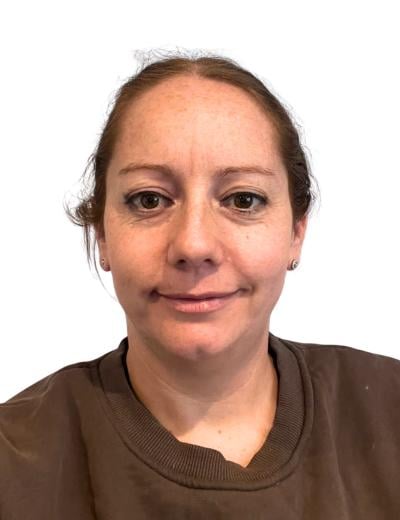
- In Person
- Online
- Either in person or online
I am an experienced primary school teacher who has worked in a wide range of year groups across the eyfs and primary phase and taught all subjects part of the national curriculum. During this time I have worked with children with a wide range of send needs including, speech and language, ASC, ADHD, PDA, ODD, dyslexia and those have have experienced trauma.
I am able to create and establish calm and engaging environments for children to lean, develop and thrive as well as meeting the child where they are at on any given day as I understand that they need consistency and adaptability.
I have built many positive working relationships with both the children and families I have worked with.
my experience e working with children with ASC:
Some of the children I have worked with have been part of the mainstream provision while others have been part of a high coin unit. Some of the children I have worked with have been academically secure but struggles with their social and emotional interactions and anxiety but other have needed more support and tailored learning to achieve and thrive academically. Some of these children have also had a PDA profile for these children I was able to support them more effectively by incorporating elements of freedom and choice into their learning.
My experience of working with children with ADHD:
I have worked with many children diagnosed with ADHD (sometimes AUDHD). I found that many of these children benefited from task boards and visuals as well as gentle refocusing and prompts. It is also to maintain a positive learning environment.
My experience working with children with speech and language difficulties:
I have worked in a school that had a speech and language centre attached as part of this I worked closely with therapists to implement support and tailor teaching and learning.
My experience working with children with anxiety, low self esteem or trauma:
within my teaching career I have worked with children who have been in care, lost a parent or supported from anxiety and low self esteem with the children before it is possible for them to learn you must first build a relationship and environment in which the learning can happen where they feel safe, secure and able to try, fail and succeed.
I am a qualified primary school teacher with over 13 years experience. I have QTS and as part of my teaching career has many courses on support children with SEN and meeting their needs. I have been part of teams around families and worked with EP’s, STIP’s and other agencies in supporting a child’s whole development. I have completed level 2 safeguarding and child protection training.
I strongly believe all children no matter their needs or backgrounds have the right and ability to thrive in their own way. We as educators need to proved lessons and environments in which they can achieve this. I am able to adapt my teaching style and approach to suit the needs to each learning and am able to employ a range of strategies and resources to support this. I create a calm collaborative working environment where a child feels ready and able to learn using concrete resources, pictorial representation/ visuals and focus on praise and positive reinforcement.
If you are looking for a tutor to support your child’s development across any area including academic, social and emotional or life skills then I can help. I will first build a great working relationship to best support their development and work closely with you to ensure your child is at the centre of what we are doing.
- General Engagement, Confidence and Self Esteem
- Primary (Maths and/or English/Literacy)
- Study Skills & Executive Functioning Skills
- Social Communication & Language Skills
- Functional Skills (English & Maths)
- Homework Support
- Early Years
- Primary
- Anxiety
- ASC (autism)
- ADHD & ADD
- Dyslexia
- PDA (Pathological Demand Avoidance)
- SEMH (Social & Emotional & Mental Health needs)
- Working Memory and Processing Needs
- Speech and Language Needs (including non-verbal)
- Global Developmental Delay & Learning Difficulties
- Trauma/Abuse
- SEND (inc. disabilities)
Having a neurodivergent child means I understand the the challenges they face but also the amazing nature of these children
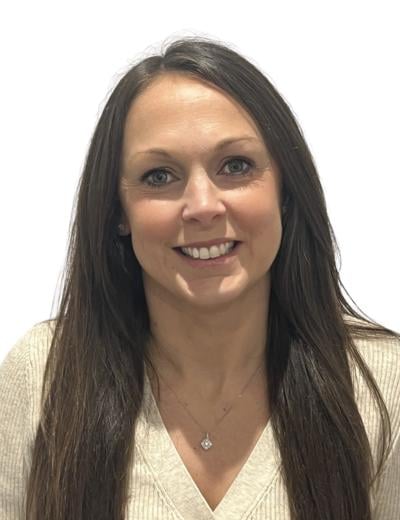
- In Person
- Online
- Either in person or online
My specialist experience working with young people with SEN to develop trusting and meaningful relationships and inspire a love for learning
I am an experienced and dedicated Primary School teacher and SENCO with 16 years experience across 2 primary schools in Greenwich and Bexleyheath. I have worked across KS1 and KS2 and in the last 2 years I have set up a provision in my current school for children with complex needs. I am highly skilled in working with children with diverse learning needs and am very confident with managing challenging behaviours. I have supported children with spina bifida, PDA, Down syndrome, hearing impairment and vision impairment as well as ASC, ADHD and dyslexia. I have 3 degrees in Psychology BSc, PGCE and a SENCO degree. I have always had a passion for learning and supporting children's learning in ways that engage them and ensure they thrive. I am proficient in developing and implementing effective SEN policies, collaborating with staff and external agencies, and fostering inclusive learning environments. I am committed to promoting equal opportunities and ensuring every child reaches their full potential. I truly believe in seeing the child as a whole and building connections and relationships.
Over my career I have worked with many multidisciplinary agencies ranging from ASD Outreach, EP, OT, Community Paediatricians, Sensory Team, Behavioural Outreach services, SALT, STEPs, and many more. As a SENCO I have promoted academic and social and emotional success amongst many children.
I love teaching through play and encouraging children to explore nature. I am passionate about learning through the children's interest because making learning purposeful is at the heart of my teaching style.
I love teaching through play and encouraging children to explore nature. I am passionate about project learning, because making learning purposeful is at the forefront of my teaching.
My experience supporting young people with anxiety, developing confidence and self-esteem and independence
Throughout my teaching career I have supported numerous children with anxiety. Currently in my SENCO role, I am supporting several families and children. The best way to support the families and children is spending time getting to know them, their routine and any triggers that may have been noticed. The techniques I have used include;
-
Animal therapy with a school pet.
-
Adapted morning routine to support them coming into school.
-
Regular check ins throughout the day with a key adult
-
Emotion diary
-
Zones of regulation
-
Comic strips to talk through the anxieties
-
Exposure techniques
-
Social stories
-
Pre-planning and pre-exposure
-
Meeting children at home or at the gate to come into school
The most important way of supporting children’s anxiety is to listen to the child and individually offer the support they need and want.
Using the TEACHH also develops independence and confidence in young learners. It allows them to complete tasks that are achievable which results in their confidence boosting. High self-esteem is crucial to young children to learn and feel confident in themselves. Continuous positive praise and encouragement is extremely important and beneficial to them too.
Scaffolding and chunking work allows the increase in independence for children too which then results in a boost to their confidence as they feel they are able to complete the tasks. They need to be taught the strategies to increase their independence. Resources which are individualised allows the child to complete tasks independently too.
My experience of working with young people with challenging behaviour
I am currently supporting a provision at my school where some of the children's behaviour could be described as challenging. I work very closely with the class teacher, parents, child and professionals involved to support the child. We will work out their triggers and attempt to minimise these where possible. Reassurance that they can demonstrate these emotions and behaviours and they are safe is vital to young people, especially if they are not yet emotionally aware. Once they are ready, we will then support them to develop coping strategies and techniques that are best for them. Routine and boundaries are key so the young person develops the feeling of safety and security.
My experience supporting young people with executive function skills
To improve children's executive function skills I have used techniques and strategies with are personal to them. These might include checklists and individualised timetables so they know what to expect next and allow them the extra time to prepare what they need. I have used techniques recommended through EHCP’s such as personal folders where children can take control of their own learning and with scaffolded support they can achieve something they are proud of.
I have been trained in mindfulness and I have disseminated this as a whole school approach. It is extremely powerful for many different reasons such as calming, regulating emotions which allow us to prepare for the day/event ahead. It allows children to practice their cognitive skills.
Games and exercise which require the young person to plan and focus are vital to improving executive function skills. This approach is extremely beneficial with young children as they believe they are just playing games and having fun!
My experience of supporting young people with ASC, ADHD, DCD, social interaction and language skills;
Before any teaching can take place, I believe children must first feel safe, secure, and understood. My approach is always to build positive, trusting relationships before anything else. I take time to learn about each child — their interests, humour, sensitivities, communication style, strengths, and triggers — so they feel truly seen and valued.
I have been a Primary School teacher for 16 years. I have taught across KS1 and KS2 and over the last 7 years I have been a SENCO at my current school. I have worked at 2 primary schools over my teaching career. I have wide experiences of working with children with SEN. In my current position, I have set up a provision in my mainstream primary school. This is to support 4 children with complex needs such as non-verbal, ASC, global delay and ADHD. I have set this provision up with the support of a specialist school in the borough. It has been up and running for 2 years and I support the HLTA and LSA who are there full time. I plan and resource the work and ensure the children are thriving in their adapted environment. We use TEACHH to support the children learning and concentration. Some of the children are using PECS to support their communication and communication and fringe boards too. We have created an individualised learning timetable to suit the children's needs, this consists of sensory circuit, identiplay, sensory play, food play etc. This provision is a great success for me to see how far the children have progressed, academically, emotionally and verbally. The feedback from the parents and multi agencies involved is phenomenal.
Over the years, I have worked alongside other professionals to support children in my school with a wide variety of needs. I work closely with SALT, ASD Outreach, OT, EP, CAMHS, Waterside, Child Therapy companies and STEPs.
At my school currently, I am working closely to support a child with Downs Syndrome with learning and increasing his independence. I have researched and found different ways to support his reading and writing through special tailored schemes for children with Down syndrome. Whilst supporting him, I worked closely with the sensory specialist team and hearing aid team to support meeting his sensory needs and learning. During this time, it has been a learning curve for me and pushed me to further my knowledge and understanding.
Over my teaching years and when I worked in a People Referral Unit (PRU) I have worked alongside many children with SEN. I have supported each child uniquely to them, ensuring that I am tailoring their learning to meet their needs. I truly believe in the whole child approach, seeing the whole child and working with everyone involved.
For some children, my support has consisted of supporting them to meet the national curriculum in their mainstream classroom. For other children it means to adapt and differentiate the curriculum to meet their needs and interests, whereas for other children it consists of ensuring they feel supported emotionally. I have worked alongside TA’s and Class Teachers to establish a relationship with the child and family and then worked together to ensure the child is fully supported. For example, ensuring they are emotionally supported which might consist of putting in sensory or movement breaks or sensory circuit time. Ensuring the learning meets their needs by the use of sensory trays and sensory learning, or by ensuring they have the appropriate resources which might be word mats, visual personalised timetable, sensory toys, Now and Next boards, PECS, regular check ins with the child, ensuring the learning is of interest to them. Over the years I have worked with children who have required a highly differentiated curriculum which has meant it is completely personalised and we have focused on real life skills as well as the national curriculum at the appropriate level.
My experience supporting young people with PDA;
A few years ago I worked with a child who was diagnosed with Pathological Demand Avoidance (PDA). Throughout her years at my school, I worked closely with her family and through her transition to secondary school. I always planned by giving her 2 options, ensuring her sensory needs were met as this would impact her learning. Also, I supported the child and family with life events such as parents getting married, christmas, concerts and going on holiday etc. I made social stories and videos to reduce the anxiety before the event and then supported parents to put things in place e.g. through the wedding day, having a room with her favourite things in, timetable of the day etc.
My school was awarded the dyslexia friendly quality mark award. I have been trained by different companies on how to support children with dyslexia. In my current role as SENCO, I am now pre-screening children a
My experience teaching EYFS
My current position as SENCO has meant that I support EYFS in my current school. I team teach with TA’s and teachers to model how to support the children in our school. I work closely with professionals to implement their recommendations and ensure the children are receiving the correct support and curriculum. I have supported staff to individualise the curriculum for children to ensure their needs are being met which has included adapting the environment for them too.
- SENCO Qualification
- PGCE
- 2.1 Psychology BSc
- Mental Health First Aid Training for Primary Schools
- ASD - Understanding and supporting children with Autism
- SEMH - Understanding and supporting SEMH needs in school
I will always attempt to build relationships with the children I work with so that they feel safe and respected. I will take a child’s lead and encourage them to learn through topics and strategies they feel comfortable with. I like to use humour and activities which are of interest and engaging to the children. I want to make sure the child is given a voice so they are able to feel in control of their own learning. Through working with children I like to focus increasing their independence and self-confidence.
You are looking for a tutor who is patient, engaging and empathetic. I love using environments that engage the children e.g. nature. Throughout my work as a SENCO, I have worked closely with numerous professionals which has helped me to create a bank of interventions and strategies to support children through their educational journey.
If you are looking for support for the children but also the family and carers, I have years of experiences of supporting families through various events in their life. I have written EHCPS, annual reviews, TAC meetings and worked with professionals to create reports to support children in school and at home. The parents know their children the best and their voice must be heard too!
- General Engagement, Confidence and Self Esteem
- Primary (Maths and/or English/Literacy)
- Functional Skills (English & Maths)
- Homework Support
- Early Years
- Primary
- Anxiety
- ASC (autism)
- ADHD & ADD
- Dyslexia
- PDA (Pathological Demand Avoidance)
- SEMH (Social & Emotional & Mental Health needs)
- Working Memory and Processing Needs
- Speech and Language Needs (including non-verbal)
- Dyscalculia
- DCD (Dyspraxia)
- Global Developmental Delay & Learning Difficulties
- Trauma/Abuse
- SEND (inc. disabilities)
- Other SEN
I have always wanted to work with children with special needs and support them to thrive in life, it has been a passion of mine since I was in Secondary School.
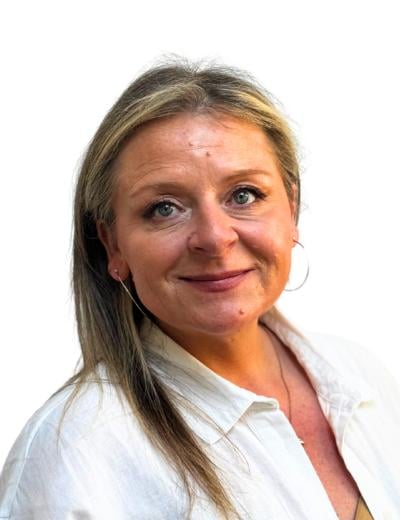
- In Person
- Online
- Either in person or online
My specialist experience working with young people with SEN to develop trusting and meaningful relationships
Often, the young people I support have faced significant hurdles in traditional
school settings. I believe a holistic approach, sparked by a child’s own
passions, is the best way to foster a true sense of safety and trust. I set
high expectations alongside achievable goals that my learners can truly
believe in. Our initial sessions focus on relationship-building; I want to
discover what makes your child shine while I learn about their unique
strengths and needs. I am highly responsive to each individual, ensuring
they feel understood and never judged.
My experience working with young people with ASC
I have supported a wide range of learners, focused on pupils who are
autistic or have social communication needs. I hold specialist
qualifications that allow me to create a "stumble-free" environment. I
carefully plan every session to remove barriers before they arise, using
sensory circuits and visual supports to ensure the day feels predictable.
By blending structure with a child’s specific interests, I help children
focus on their "superpowers." For older learners, I am experienced in the
PEERS intervention to help build lasting friendships.
My experience supporting young people with a PDA profile
Over many years, I have developed expertise in supporting children with a
PDA profile. I understand that what may appear as resistance is often a
need for safety and autonomy. My approach is flexible and low-arousal,
using declarative language and choice to reduce pressure. This keeps
engagement high and helps your child feel empowered to learn at their
own pace while building a relationship based on trust.
My experience working with young people with anxiety
For many students, anxiety is a significant barrier to education. I believe
that for a child to thrive, they must feel heard and safe. I prioritise
emotional safety through regular check-ins and by "modelling" mindfulness
techniques. Together, we explore what we can and cannot control,
helping your child build a personalised "resilience toolbox" of practical
life skills they can rely on for years to come.
My experience teaching Primary English
As a qualified dyslexia specialist, I understand that language development
requires a diverse range of learning experiences. While phonics is
important, I believe in building a broader foundation for neurodivergent
young people. I use multi-sensory strategies, tactile tools, and visual
aids tailored to how your child’s mind works. My goal is to remove the
frustration associated with literacy and transform reading into a
successful and pleasurable experience.
My experience teaching Primary Maths
I focus on moving beyond the pressure of traditional "classroom maths"
to focus on Functional Skills for independence. We transform maths from
abstract puzzles into useful life skills, such as managing a payslip or
planning a travel route. By using real-life scenarios that match your
child’s interests, we break down the "maths wall" and focus on logic
rather than rote memorisation, creating a low-pressure environment.
My experience teaching social communication skills
I have extensive experience supporting children with complex speech,
language, and motor coordination needs. I liaise closely with therapists
to ensure specialist targets are woven naturally into our sessions. Using
interventions like Colourful Semantics, WIP, and WIG, I tailor support to
your child’s interests. Whether practicing "real-world" social skills or
building sentence structures, my goal is to reduce frustration and
build confidence in their own wonderful abilities.
My experience developing confidence and self-esteem
A young person’s well-being is at the heart of every activity. I build
rapport by exploring what your child loves and where they feel most
capable. When a young person takes ownership of a new skill and sees
their own progress, the boost to their self-esteem is powerful. This
newfound confidence inevitably ripples out into their life beyond our
sessions, driving further educational progress.
My specialist experience providing engaging sessions
I am an empathetic professional dedicated to helping children thrive through
bespoke sessions. My style is intuitive and flexible; I often integrate
drama and role-play to keep engagement high. I actively seek advice
from parents to incorporate home strategies into our work. My ultimate
goal is always to promote trust, flexibility, and a genuine love for
discovery through sharing in the pride of a learner’s progress.
My experience supporting young people to develop independence
I help young people break down complex tasks like self-advocacy and
daily living into manageable steps with clear visual support. A major
part of this is fostering self-awareness; I help your child understand
their own profile. By practicing these skills in our safe environment,
they learn to communicate their needs respectfully and assertively,
ensuring they are prepared for a successful, independent future.
- MSc Psychology,
- MA Specific Learning Difficulties (SpLD), Dyslexia,
- Assessment Practising Certificate (APC) for diagnostic assessments and Joint Council Qualification (JCQ) Access Arrangements,
- Level 7 (equiv) Dyslexia Assessor (British Dyslexia Association AMBDA),
- Level 5 (equiv) SpLD specialist teacher (British Dyslexia Association),
- PGCE French and Spanish QTS,
- BA History and French,
- National Counselling Society (NCS) Level 3 Counselling,
- NCFE CACHE Level 2 Autism,
- CPD Certified training ADHD Current Research and Practice,
- Authorised ADHD screening assessor
- Safeguarding Children Level 2,
- Cybersecurity awareness training.
I am a dedicated, empathetic, and passionate advocate for inclusivity and person-centred learning. My approach draws on each learner’s unique strengths and personality to tailor individualised programs that support their journey toward reaching their full potential and independence.
- You’re looking for engaging learning activities for your child.
- You want someone with extensive experience in the SEN sector, especially in Dyslexia, DCD (Dyspraxia), ASC and ADHD.
- You want someone who will share your excitement and pride in your child's progress.
- You want a dedicated, empathetic and enthusiastic supporter to help your child thrive. I love discovering what interests your child, whether it’s Minecraft, skateboarding or Disney villains!
- General Engagement, Confidence and Self Esteem
- Primary (Maths and/or English/Literacy)
- Secondary English (including GCSEs)
- Study Skills & Executive Functioning Skills
- Social Communication & Language Skills
- Functional Skills (English & Maths)
- Homework Support
- Early Years
- Primary
- Secondary
- Post 16
- Anxiety
- ASC (autism)
- ADHD & ADD
- Dyslexia
- PDA (Pathological Demand Avoidance)
- SEMH (Social & Emotional & Mental Health needs)
- Working Memory and Processing Needs
- Speech and Language Needs (including non-verbal)
- Dyscalculia
- DCD (Dyspraxia)
- Global Developmental Delay & Learning Difficulties
- Complex & Medical Needs (including Cerebral Palsy; Brain Injury; Epilepsy and other needs)
- SEND (inc. disabilities)
I love spending time with my friends, family and my dog Erik. I delight in meeting new people to discover what they like and also what they don’t like! What brings someone joy and satisfaction? What are their strengths?.

- In Person
• My specialist experience working with young people with SEN to develop trusting and meaningful relationships;
I recognise that a strong, positive relationship between teacher or tutor and pupil is central to meaningful learning. Especially in SEND education, the need to build a trusting and safe connection is paramount, to lay the foundations for learning.
My approach is built on patience, consistency and reliability, to create a safe and secure base where the child/young person feels understood and valued. My ability to communicate both verbally and non-verbally (using music and/or communication strategies) further enhances opportunities for children to reach their full potential.
• My experience working with young people with ASC (autism);
For over twenty years, I have supported autistic students with a wide range of needs, adapting my teaching to ensure every pupil can access learning. I draw on approaches such as PECS, AAC software (including Grid), visual supports, structured routines, and sensory breaks to make learning accessible and engaging.
Alongside classroom strategies, I work closely with multidisciplinary teams to understand and respond to each pupil’s sensory profile. This enables me to support both sensory-seeking and sensory-avoidant behaviours through tailored activities that help students feel comfortable, engaged, and ready to learn. These approaches consistently promote greater independence, communication, and confidence in my students.
Through lived experience, I value the need for a secure and safe space for every child, where they feel understood, respected, and able to be themselves without pressure or judgement.
• My experience working with young people with ADHD;
I have the joy of teaching students with ADHD and ADD, many of whom have struggled in mainstream settings and been unfairly labelled as ‘naughty,’ often carrying the emotional weight of this perception. To support them effectively, I create structured yet flexible, sensory-friendly environments that incorporate movement or regulation breaks, a pupil-led pace, and just the right level of challenge to sustain focus and motivation. I use strategies such as breaking tasks into manageable steps, giving clear and concise instructions, and explicitly teaching organisation, time management, and planning skills. Creative and collaborative approaches, such as integrating music or drawing on a child’s personal interests, help build engagement and confidence. Above all, I believe in recognising and celebrating neurodiversity, supporting young people to develop self-awareness and pride in their unique strengths, which fosters resilience, independence, and a positive sense of self.
• My experience working with young people with SEMH;
As a SEND teacher and HCPC registered Music Therapist, I have worked closely with children presenting Social, Emotional, and Mental Health (SEMH) needs, using creative and therapeutic approaches to support their unique challenges. I have cultivated a deep understanding of the complex factors influencing their behaviour and emotional well-being, by employing a compassionate, patient, and consistent approach to build trust and resilience. As a therapist, I am skilled at creating safe and nurturing environments, to lay the foundations for emotional and educational learning.
• My experience working with young people with Anxiety;
Many of the students I have worked with experience anxiety as part of their school life. Through experience, I have learned the importance of being responsive, reflective, and flexible in how I support them. While clear routines and structure can offer a sense of predictability and safety, I also adapt my approach to each child’s changing needs, creating an environment where they feel heard, emotionally safe, and reassured. I regularly check in with students about how they are feeling and support them to develop mindfulness and self-regulation strategies to manage stress. By modelling open conversations about worries, I help students build a personalised “toolbox” of techniques for emotional regulation. I also support them to recognise what is within their control and what is not, alongside developing practical problem-solving skills. My Master’s training in Music Therapy has deepened my understanding of the therapeutic value of creative and expressive approaches, enabling me to integrate music and other creative activities to reduce anxiety, strengthen emotional resilience, and offer alternative, non-verbal ways for students to communicate and process their experiences.
• My experience working with young people with PDA;
I have extensive experience supporting students with challenging behaviour, including those with a demand avoidant profile such as Pathological Demand Avoidance (PDA). I understand the importance of a non-hierarchical, low-pressure approach that prioritises pupil autonomy, interests, and trust. My calm, empathetic communication style, combined with patience and adaptability, enables me to use creative and indirect strategies that reduce pressure and make learning more appealing. I integrate students’ interests, introduce novelty, and provide meaningful choices to foster engagement and a sense of control. At the same time, I maintain consistent boundaries with care and sensitivity, recognising that students with PDA benefit from structure and the presence of a reliable adult who does not give up on them. This approach helps build strong relationships, encourages positive engagement, and creates the conditions for long-term progress.
• My experience working with young people with Working memory difficulties;
I draw on my broad SEN background when supporting students with working memory difficulties, to provide structured, supportive and highly personalised approaches. Repetition is used purposefully and creatively, allowing key information and skills to be revisited in consistent, accessible ways that support retention and understanding. I frequently use music, rhythm and song as powerful tools to reinforce memory, sequencing and recall, helping children to process and retain information more effectively. Through clear routines, multisensory strategies and a calm, encouraging approach, I support students to build confidence in their learning while reducing cognitive load and promoting success.
• My experience working with young people with Sensory and/ or auditory processing needs;
I bring a strong understanding of the varied and intricate needs of students with sensory and/or auditory processing differences. I have worked closely with those who face challenges with sound processing, managing sensory input, and regulating their responses to situations that might be overwhelming. To guarantee accessibility and engagement, I have used tailored strategies such as visual aids, songs, routines, sensory-friendly classroom adaptations, and indivisualised communication systems. Collaboration with multidisciplinary teams is essential to my work, including families, occupational therapists, and speech and language therapists. My practice is rooted in empathy, patience, and the firm belief that with the right support, every young person can thrive and achieve meaningful progress.
• My experience working with young people with Speech and Language Needs;
I regularly plan and deliver sessions that build early interaction skills such as shared attention, turn-taking, anticipation, and reciprocal communication. These sessions take place within a music-rich environment, where songs, rhythm, movement and musical cues are used intentionally to support understanding, predictability and engagement. I use motivating, interest-led activities alongside communication-rich routines, supported by clear visual aids, Makaton Sign Language and symbols to strengthen language development and expressive communication. My work often focuses on functional language, emotional expression, choice-making and interaction within meaningful, everyday contexts, enabling children to communicate with greater confidence and purpose while feeling supported, understood and included. I am extremely patient and celebrate each effort to communicate with the child, to build confidence and raise self-esteem.
• My experience working with young people with Executive Functioning Skills/ study skills;
To teach study skills and executive functioning skills, I use structured, multi-sensory approaches to support areas such as organisation, planning, time management, and task initiation. Drawing on my background in music therapy, I incorporate rhythm, routine, and creative strategies to reinforce memory, focus, and emotional regulation—key components of executive functioning. My approach is highly individualised, enabling students to develop strategies that are practical, accessible, and transferable across subjects and daily life.
• My experience working with young people with DCD;
I have worked with children who have co-occurring needs, frequently alongside dyspraxia. I make it a priority to understand which aspects of dyspraxia a student requires support with, whether motor, verbal, or oral, and collaborate with them to develop visual aids and practical tools that can be used consistently at home and in school.
Across all sessions, executive functioning skills are consistently modelled, explored, and reinforced to ensure support is unique and aligned with each child’s natural learning and processing style. These skills include sequencing, organising ideas, working memory, planning, using checklists, flexible thinking, self-monitoring, self-regulation, time management, and overall organisation. The overarching goal is for these personalised strategies to become embedded in the child’s everyday life, fostering independence and self-esteem.
• My experience working with young people with Social Interaction and friendship skills;
In the classroom, I integrate social skills development into everyday learning by facilitating structured group activities and guided peer interactions. My combined expertise in education and music therapy enables me to address social interaction and friendship needs creatively and effectively, helping young people build confidence, empathy, and lasting friendships. Often, this can be addressed musically through turn-taking games, call and response games and action songs.
• My experience teaching Early Years;
My Early Years experience in SEN schools is grounded in extensive, hands-on practice, using a play-based, child-led and carefully scaffolded approach that prioritises enjoyment, curiosity and connection. I place strong emphasis on learning through play and the Arts, creating sessions that are fun, flexible and responsive to each child’s interests and needs. Drawing on my background as a musician and music therapist, I naturally incorporate a wide range of songs, rhythm, movement and creative activities to support communication, regulation, sensory processing and engagement. Music and the Arts are central to my practice, providing accessible and motivating ways for children to explore, express themselves and build foundational skills in a supportive, nurturing environment.
• My experience teaching Social Communication and Language Skills;
My music therapy skills lend themselves perfectly when teaching children Social Communication and Interaction skills. Using rhythm, melody, and improvisation, I create engaging, non-verbal opportunities for students to express themselves, take turns, and develop joint attention. Music provides a safe and motivating environment where children feel encouraged to practice listening, responding, and initiating interactions. By integrating therapeutic techniques with my teaching practice, this holistic approach not only supports their educational development but also promotes meaningful connections that extend beyond the classroom.
• My experience developing confidence and self-esteem;
I believe that building confidence and self-esteem is central to enabling children and young people with SEN to truly flourish. Too often, these qualities can be eroded by systems that do not fully recognise their challenges or provide the support they need. My approach is strengths-based: I celebrate each pupil’s unique skills and achievements, however small they may seem, and provide opportunities for success across different areas of learning. Through positive reinforcement, encouragement, and tailored support, I help students develop a strong sense of self-worth and confidence in their abilities. As their confidence grows, I gradually introduce new challenges, celebrating every attempt to step beyond their comfort zone. By making learning fun, engaging, and meaningful, I aim to inspire children to see themselves as capable learners with valuable strengths to share.
• My specialist experience providing engaging sessions to inspire a love of learning;
Creating engaging and inspiring lessons is a passion of mine. I design interactive, hands-on activities that integrate music, art, and real-world applications to make learning meaningful and accessible for all students. By drawing on students’ individual interests and strengths, I capture their attention and build genuine engagement, fostering curiosity and a lifelong love of discovery. I believe that when students feel motivated and included, they not only access the curriculum more effectively but also develop confidence, independence, and a willingness to embrace new challenges. My aim is to ensure that every learning experience is enjoyable, rewarding, and tailored to help each pupil thrive as a capable, enthusiastic learner.
• My skills and experience supporting young people to develop their independence;
Supporting students to develop independence is a central focus of my teaching. I encourage self-advocacy and provide structured opportunities for children to take ownership of their learning. Through tailored support, teaching practical life skills, and promoting a growth mindset, I help young people build confidence, resilience, and problem-solving abilities. My goal is to empower each student to become a capable, self-reliant individual, equipped to navigate challenges and make choices confidently both inside and beyond the classroom.
I also have extensive experience working with children who have high support and complex medical needs. My focus has been on developing communication through music interventions, as well as using Makaton Sign Language. I have worked closely with multidisciplinary teams, including Occupational Therapists and Speech and Language Therapists, to collaboratively design and deliver targeted therapy programmes. This collaborative approach has allowed me to provide consistent, individualised support that meets each child’s unique needs.
As a Music Therapist, my approach to relationships is grounded in psychoanalytic theory and centres on creating a safe, contained space for individuals to explore their emotions and inner world through musical improvisation, songwriting, and active listening. I strongly believe in the profound potential of working toward non-musical goals through musical means, particularly in supporting children and young adults with SEND. Music provides a unique and powerful medium for communication, emotional resilience, and personal development—often unlocking pathways that traditional methods cannot reach.
For my dissertation, I conducted in-depth research on how music therapists integrate therapeutic work to enhance student outcomes within primary SEND settings. I am experienced in the sustained emotional and mental focus required to deliver impactful one-to-one and group interventions and am committed to using music as a powerful tool for growth, connection, and learning.
- MA Music Therapy (Distinction)
- PGCE with QTS
- BA/BSc Education & Music (2:1 Upper Second-Class Honours)
- Enhanced DBS & UK Driver’s License
- Safeguarding Children (Levels 1, 2, 3)
- Safeguarding Adults (Levels 1, 2, 3)
- Makaton Sign Language (Levels 1-8)
- PREVENT Awareness Training
- Annual Training in Moving & Handling
Throughout my career, I have consistently used creativity, adaptability, and patience to ensure that every pupil can make progress toward their individual goals—academically, socially, and emotionally—while feeling safe, supported, and, most importantly, enjoying their learning journey.
I offer a holistic, music therapy-informed approach to working with learners with SEND, grounded in the belief that every child is unique and deserves to be truly seen, heard, and understood. My practice is rooted in the ethos of music therapy, which prioritises emotional connection, self-expression, and the creation of safe, supportive spaces where individuals can thrive. In this spirit, I make every effort to understand the whole child—not only their areas of difficulty, but also their strengths, special interests, and the qualities that make them who they are.
With a positive, pupil-centred approach, I strive to nurture confidence and self-esteem while supporting the development of essential skills. I am deeply aware that growth begins with relationship and trust, and I seek to build both in every session, ensuring that the learner feels valued and empowered.
I am deeply committed to inclusive education and tailor my sessions to meet each learner’s individual needs and learning style. My aim is to reduce barriers to learning through a warm, creative, and joyful environment. By deeply attuning to the needs of each learner, I ensure we can meaningfully address areas of concern while also celebrating every step of progress. Music and therapeutic principles help to build connection, reinforce strengths, and support a journey of growth, discovery, and self-belief.
...you are seeking
- a highly experienced and skilled practitioner
- a friendly, warm and nurturing approach to learning for your child
- fun, engaging activities rooted in a holistic, therapeutic approach that supports confidence and personalised learning
- an emphasis on the joy of music-making to support learning, social skills, emotional development and independence
- collaboration with the team around the child
- General Engagement, Confidence and Self Esteem
- Primary (Maths and/or English/Literacy)
- Social Communication & Language Skills
- Functional Skills (English & Maths)
- Early Years
- Primary
- Anxiety
- ASC (autism)
- ADHD & ADD
- Dyslexia
- PDA (Pathological Demand Avoidance)
- SEMH (Social & Emotional & Mental Health needs)
- Working Memory and Processing Needs
- Speech and Language Needs (including non-verbal)
- Dyscalculia
- DCD (Dyspraxia)
- Global Developmental Delay & Learning Difficulties
- Complex & Medical Needs (including Cerebral Palsy; Brain Injury; Epilepsy and other needs)
- Trauma/Abuse
- SEND (inc. disabilities)
I am a passionate pianist with a love for playing music across a wide range of genres. I enjoy piano improvisation, songwriting, and am currently learning to play the guitar. I also play the flute and love to sing, often weaving music into many aspects of my life. I am a keen swimmer and runner, and I value regular exercise as a way to support both physical and mental wellbeing. I also have a strong appreciation for the Arts and love attending the theatre and live music events whenever I can.

- In Person
- Online
- Either in person or online
My specialist experience working with young people with SEN to develop trusting and meaningful relationships
I have taught in a variety of settings, including a school for children with severe and complex learning difficulties, as well as learners with additional diagnoses such as autism and/or physical/sensory impairments. I create schemes of work which ensure consistent delivery of high-quality, motivating and challenging learning experiences and highest standards of care, to continually improve the achievement of all pupils. I design all teaching and learning activities with the needs and interests of the pupil at the heart to ensure all pupils enjoy a motivating, inspiring, personalised and specialised learning experience. I believe that most pupils learn best when they are practically engaged in experiential learning and as such, ensure all learning is child centred, fun, flexible and built on trusting relationships and within an inspiring and nurturing learning environment.
I have taught within an Early Years setting as a Coordinator supporting EAL and SEN pupils aged 3-6 which allowed me to deepen my knowledge and understanding of the core aspects of early child development. This experience has been invaluable in recognising how foundational these early years are in setting the stage for lifelong learning. By focusing on the social, emotional, cognitive, and physical development of young children, I was able to create a nurturing and stimulating environment that supported each child’s growth and readiness for future educational challenges. This background has shaped my approach to tutoring, ensuring that I emphasise the importance of early development in all aspects of learning.
Additionally, in my previous roles as Careers Lead, PSHE Lead, and English Lead, I have gained a broad and comprehensive understanding of student development across multiple areas. As Careers Lead, I have developed inspiring schemes of work that have helped students explore their career aspirations, develop essential employability skills, and navigate pathways to further education or work. In my role as PSHE Lead, I have developed inspiring schemes of work that have supported the holistic development of students by focusing on their personal, social, and health education, helping them build resilience, emotional intelligence, and a strong sense of self. As English Lead, I I have developed inspiring schemes of work that have nurtured students’ language and literacy skills, fostering a love of learning and improving their communication abilities. These experiences have enriched my tutoring practice, allowing me to approach student needs from a well-rounded perspective and provide a supportive environment for academic, personal, and social growth.
These experiences have given me a profound understanding of learning disabilities and how they affect student learning. My expertise in early childhood development enables me to effectively track progress, design action plans, and customise planning and provision to meet each student’s needs. I believe in taking a holistic approach that blends educational and therapeutic objectives into a highly personalised learning plan, incorporating students’ mental health, wellbeing, and aspirations when relevant.
Research shows a strong connection between positive wellbeing, good mental health, resilience, and improved outcomes for both children and adults. As such, I am dedicated to prioritising the social and emotional wellbeing of all the students I teach. Building positive, meaningful relationships with pupils is crucial for supporting their emotional health and overall development. I achieve this by being attentive, responsive, and reliable, creating a predictable environment where students feel safe, understood, and valued. I anticipate their needs and address them calmly, ensuring I am always available to help regulate their emotional and physiological state. This approach fosters trust and emotional security, which are key to their success both in and outside of the classroom.
Central to this process is the development of communication skills. I use strategies designed to empower each student to express their thoughts and preferences regarding their learning. I actively engage with them, listening to their input and understanding their aspirations to ensure their learning is inspiring, motivating, and tailored to their individual needs. Positive relationships, where pupils feel safe and supported, are essential to this approach, as is respecting the Rights of the Child (Unicef Gold award, 2021) and acknowledging and accepting the neuro-diversity of each student.
I also recognise that an individual’s emotional well-being directly impacts their behaviour, emotional regulation, engagement in learning, and their ability to participate successfully in the school and wider community. I believe that to ensure positive emotional wellbeing, carefully planned positive behaviour support strategies must be implemented as this will promote positive emotional wellbeing and support students in reaching their full potential.
My experience working with young people with PMLD
With 14 years of experience as a PMLD teacher, I specialize in creating a supportive, individualized learning environment for children with Profound and Multiple Learning Disabilities (PMLD). I am well-versed in the Engagement Model, which focuses on key stages of learning: exploration, realization, anticipation, persistence, and initiation. Using this framework, I design sensory-rich activities that are tailored to each student's needs, ensuring lessons are engaging, accessible, and meaningful. My approach is holistic, considering the communication, health, physical, behavioral, and sensory needs of every student to foster skill development and a sense of achievement.
I prioritize consistency through repetition and consolidation, tailoring each learning opportunity to your child's interests and motivations. By identifying what excites and engages them, I create personalized learning pathways that incorporate strategies such as sensory exploration, communication development, and community engagement. I also focus on supporting social, emotional, and mental health, integrating core skills like turn-taking, waiting, and requesting help. With an emphasis on communication and early language skills, I offer diverse opportunities for your child to interact, explore, and develop essential skills for independence.
My experience working with young people with sensory difficulties
I have experience of supporting the learning of young people with PMLD who may experience visual or hearing impairments, or a combination of both, and may also be hypersensitive or hyposensitive to touch. I always endeavour to develop a deep understanding of each individual young person’s sensory needs—whether related to vision, hearing, touch, or other senses—to develop tailored learning and communication strategies that best support their development.
To practically support the sensory needs of pupils, I ensure that lessons are sensory-rich and adaptable to each young person’s individual requirements. This may involve using visual aids, providing a variety of sensory toys, lights, and materials, and creating a classroom environment that stimulates the senses in a way that is engaging and supportive. By carefully considering these sensory needs, I can create a learning space that is both accessible and effective for every student.
My experience working with young people with communication difficulties
Developing communication skills is crucial for every young person and especially those with Special Educational Needs and Disabilities (SEND), and I am confident in using a variety of communication tools creatively to support this development. I have experience in supporting the use of Augmentative and Alternative Communication (AAC) systems, PECS (Picture Exchange Communication System), Makaton signing, visual tools, and ALD boards and they form an integral part of my approach. These tools help students express their needs, thoughts, and emotions effectively, even if they struggle with verbal communication. I also incorporate gestures, objects and visuals to reinforce and support the development of receptive communication skills. By utilising these resources in a personalised and engaging way, I ensure that each student has the means to develop core vocabulary and communicate confidently and meaningfully, fostering greater independence and social inclusion. This multi-modal approach not only enhances language skills but also helps students build stronger connections with others, contributing to their overall emotional and social development.
My experience writing schemes of work to support young people with life skills
I am committed to advancing students' education while preparing them for adulthood and development of their life skills. I firmly believe that all students should be supported in working towards the four key outcomes of Preparation for Adulthood: health, friends and community, work experience and employment, and independence. As careers lead, I have extensive experience of devising schemes of work that support young people to develop their independence in these four areas. Additionally, I encourage students to take an active role in their learning by reflecting on their performance, setting goals, and developing individual action plans when appropriate.
When creating learning experiences for young people around this area of learning, I focus on building the eight essential employability skills outlined in ‘The Skills Builder Universal Framework.’ These skills are integrated into all aspects of learning, ensuring a consistent approach to skill development across both academic and life contexts.
I believe there are numerous motivating opportunities for young adults to develop these essential skills and gain a wide range of experiences as they prepare for their next steps into adulthood and develop their life skills.
• Environmental Studies: I guide students in developing an awareness of environmental issues and encourage them to contribute positively to their local community. I also ensure that they build essential skills that prepare them for adulthood. Educational visits within the local community are an important part of this process, providing meaningful interactions with employers.
• Hospitality and Catering: I teach students how to prepare and cook food safely, as well as how to properly use and store equipment. This knowledge can be applied in real-world work contexts, where students learn how to prepare themselves and their environment to serve food to others. Additionally, I arrange visits to local hospitality and catering businesses, offering valuable insights and direct encounters with employers.
• Enterprise: I support students in developing enterprise skills by guiding them in creating products to sell, such as wax melts, ice cream, and greeting cards. This hands-on experience provides real-life work exposure and helps students develop vital skills such as teamwork, problem-solving, and creativity, all of which are essential for their future careers.
Work Experience
I value work experience, work shadowing, and/or work visits as part of every young person’s individualised learning plan as I believe that every young person should have the opportunity to experience the world beyond the classroom, as it is a crucial part of their learning and personal growth.
I always endeavour to tailor their learning to each pupil’s individual needs, interests, and aspirations, ensuring they have a meaningful and relevant experience. These opportunities could include, but are not limited to, a range of local community settings, such as garden centres, supermarkets, football stadiums, leisure centres, and family-owned shops and cafés.
I work closely with each pupil to personalise these experiences, helping them develop essential skills and gain a broader understanding of the world of work. Experiencing different workplaces and community environments plays a crucial role in building real-world skills, increasing confidence, and preparing students for adulthood. These experiences provide opportunities to develop communication, teamwork, and problem-solving abilities, ensuring students are well-equipped to transition smoothly into both the workplace and community life.
My specialist experience providing engaging sessions to inspire a love of learning.
In all my teaching practices, I prioritise creating engaging and motivating learning experiences that are focused upon the young person’s interests, ensuring that their educational journey is stimulating, motivating, and relevant to their needs. Through hands-on, sensory-rich activities, I provide opportunities for students to explore new concepts, express creativity, and develop a passion for learning. I believe there are many ways to do this including some which are outlined below.
Play
"Work and play are used to describe the same thing under different conditions." – Mark Twain
Play plays a crucial role in my teaching, especially for pupils working at early levels of development. It forms the foundation for all subsequent learning activities and is key to becoming an effective communicator. Without mastering the basics of communication, which underpins all other learning, it becomes difficult for a learner to progress. Learning to communicate is a complex process, and much of it takes place through play or play-like activities, which is often the most effective way for this learning to occur.
While play is fundamental to my approach, I have carefully considered what "play" means in this context. I define play as an activity that promotes learning, is enjoyable and motivating, and usually involves interaction with another person. Play focuses on building upon a pupil’s strengths, with the adult guiding them forward in their learning and communication. It’s important to note that play is not the same as "stimming" or repetitive behaviours that may serve a function for the pupil but don’t contribute to their development. Additionally, play isn’t an activity where the pupil is bored or requires a reward to participate. While I may model and demonstrate behaviours to support learning, play is not controlled by me—it's about giving pupils ownership of their learning and development.
I firmly believe that all pupils, can achieve through play. I focus on building upon the skills they already have, ensuring that play is purposeful, safe, and exciting. Play at my sessions can involve toys or objects, but it’s not always necessary. It offers a holistic approach that supports relationship-building and gives pupils the space to take control of their learning. I integrate play throughout lessons as appropriate, ensuring it is embedded in most activities. Play often involves strategies such as Intensive Interaction, with a primary focus on engagement. While objects may or may not be involved, the goal is to foster meaningful, motivating, and developmental play experiences.
Specialist approaches
Sensory Stories
A sensory story is an experience where a story is told using a combination of sensory experiences or props alongside a text. In these sessions, both the words and the sensory experiences hold equal importance in conveying the storyline. Sensory stories are simple, fun, and engaging, making them suitable for a wide range of pupils with varying learning needs—everyone enjoys them.
Sensory experiences are central to cognitive development and are not just an added extra—they are essential for each pupil's growth. Sharing a story together is a social bonding experience, and the story provides structure to the sensory stimulation. Repetition is key to making learning effective. By having a clear structure, sensory stories allow experiences to be repeated, increasing their predictability and providing a sense of security for the pupil.
Participating in stories is a way of saying, "I am sharing this with you." During these special story experiences, I guide pupils on a learning journey, carefully introducing a range of sensory experiences to capture their attention. This makes the story feel like a real-life experience that they can connect with and understand. I use various strategies to engage their senses, including touch, sight, sound, and even smell or taste, depending on the story.
I integrate sensory stories throughout the curriculum, carefully selecting or designing stories to meet each pupil’s individual learning needs. I use a variety of strategies to capture each pupil’s attention, creating a ‘wow’ moment that they can relate to. Sensory stories are used to help pupils interact with the curriculum in a multisensory way, bringing the learning to life.
Attention Autism
Attention Autism is a program that focuses on developing joint or shared attention, meaning the shared focus of two individuals on an object. It teaches essential skills for verbal communication, such as body language, eye contact, focused attention, and shared attention. The program progresses through various stages, promoting skills like turn-taking and completing tasks independently. The goal is to foster natural and spontaneous communication through visually-based and highly motivating activities.
I believe that the ability to attend is a fundamental skill for learning. Within my tutoring lessons, I focus on developing this ability to help pupils engage fully in all aspects of learning and communication. While the strategy is specifically designed for individuals with autism, its benefits extend to those who may not have an autism diagnosis but struggle with areas like concentration, shared attention, turn-taking, or independence skills.
Lego therapy
Lego Therapy is an effective and engaging approach I use within tutoring sessions to support young people with Special Educational Needs and Disabilities (SEND). This therapeutic technique encourages social interaction, communication, and teamwork through collaborative play with Lego blocks. By working together to build specific models, students practice important social skills such as turn-taking, problem-solving, and following instructions. Lego Therapy is particularly beneficial for students with autism, as it provides a structured yet creative way to enhance their communication abilities and emotional regulation in a safe and supportive environment. It also fosters a sense of accomplishment and boosts confidence, making it a valuable tool in helping young people with SEND develop both cognitive and social-emotional skills.
Colourful Semantics
Colourful Semantics is a powerful tool I incorporate into tutoring sessions to support young people with Special Educational Needs and Disabilities (SEND), particularly those with language and communication challenges. This approach uses colour-coded sentence structures to help students understand and produce sentences more effectively. By associating specific colours with different parts of speech—such as who, what, where, and when—students can visualise and organise their thoughts more clearly. This method supports the development of both receptive and expressive language skills, enabling students to form more complex and grammatically correct sentences. Colourful Semantics is particularly beneficial for students with autism, speech and language delays, or learning difficulties, as it provides a visual framework that makes abstract language concepts more tangible and easier to grasp. It also enhances their confidence in communication and encourages greater engagement in learning.
Arts
I believe that the Arts are essential for promoting positive emotional and physical well-being, particularly for children with SEND and PMLD. Engaging in drama, dance, art, and music allows pupils to make meaningful connections to real-life experiences, form lasting memories, and develop a strong sense of self. The creative nature of the Arts offers students a unique opportunity to experiment with their own creativity, build confidence, and foster independence, all within a safe and supportive environment. These activities not only enhance their emotional expression and communication skills but also provide a valuable outlet for self-discovery, helping them to engage with the world around them in a more meaningful way.
My skills and experience supporting young people to develop their independence.
As one of the four key outcomes of Preparation for Adulthood, I am dedicated to fostering independence in all the students I work with. By setting clear goals and providing consistent support, I help students develop essential life skills, from personal care to problem-solving. I incorporate opportunities for decision-making and self-expression in my sessions, empowering students to take ownership of their learning and feel confident in their ability to succeed. Encouraging independence is key to building self-esteem and preparing students for adulthood.
Although there are many different priority areas with regards to independence which differ for each young person, I believe communication plays a key role in developing a young person’s independence. Through the development of expressive and receptive language skills, pupils are able to make choices, express their emotions, develop their social skills and support their behavioural needs all of which contribute to the young person’s emotional wellbeing.
Assistive Technology
I have extensive experience teaching both children and adults to use assistive technologies to support their learning as I believe these tools are crucial in empowering students to overcome barriers and achieve their full potential. In my tutoring practice, I integrate assistive technology to support children with Profound and Multiple Learning Disabilities (PMLD), ensuring that each student has the tools and resources they need to engage with their learning in meaningful ways. By incorporating speech-to-text software, eye-gaze technology, and tailored communication devices, I provide students with alternative means of expression and interaction, promoting independence and active participation in lessons. I also use interactive apps and sensory-responsive tools to create engaging, multisensory learning experiences that cater to each child’s unique needs. These technologies not only support communication and learning but also foster a sense of achievement, helping students build confidence and self-esteem as they interact with their environment in a way that feels accessible and empowering, fostering greater confidence and independence in their academic journey.
- MA Education (University of Roehampton)
- QTS – Primary (University of Hertfordshire)
- BA (Hons) – Criminology and Psychology (University of Brighton); 2:1
- PGCert in Inclusion and Special Education (University of Birmingham)
- National Professional Qualification in Senior Leadership
- National Professional Qualification in Middle Leadership
- Trained Children's Yoga Teacher
- Teach First Careers Leader
- Safeguarding; Level 2
- AAC including EyeGaze and ProLoQuo2Go
- Attention Autism
- Colourful Semantics
- Elklan – Supporting Language and Learning for 3-5s
- Intensive Interaction
- Signalong
- Skills Builder Essential Skills Practitioner
- Talk for Writing
- Solution Circles
- SoSafe! Programme
- MOVE
- Moving and Handling
- PECS
- PROACT-SCIPr
- Ruth Miskin’s Read Write Inc
- Social Stories
- Sensory Integration
- TEACCH
- PROACTSCIPPr
- Zones of Regulation
It is imperative that every child’s individual skills, passions, talents and learning styles are recognised and incorporated into all their teaching and learning opportunities. This will ensure they are able to thrive as they work towards their individual aspirations within an inspiring and nurturing learning environment. I believe that most pupils learn best when they are practically engaged in experiential learning and as such, I ensure all learning is hands-on, child centred, fun, flexible and built on trusting relationships.
You would like a highly qualified, inspirational, engaging and creative tutor who can support your young person to thrive, as they work towards their best next step. You child will enjoy highly motivating, functional and challenging learning experiences that incorporate their interests and aspirations with a tutor with a love of learning and a motivation to achieve the very best for your young person!
- General Engagement, Confidence and Self Esteem
- Primary (Maths and/or English/Literacy)
- Study Skills & Executive Functioning Skills
- Social Communication & Language Skills
- Functional Skills (English & Maths)
- Homework Support
- Other (please provide details when contacting us)
- Early Years
- Primary
- Secondary
- Post 16
- Adult
- Anxiety
- ASC (autism)
- ADHD & ADD
- Dyslexia
- PDA (Pathological Demand Avoidance)
- SEMH (Social & Emotional & Mental Health needs)
- Working Memory and Processing Needs
- Speech and Language Needs (including non-verbal)
- Dyscalculia
- DCD (Dyspraxia)
- Global Developmental Delay & Learning Difficulties
- Complex & Medical Needs (including Cerebral Palsy; Brain Injury; Epilepsy and other needs)
- Trauma/Abuse
- SEND (inc. disabilities)
- Other SEN
I have ran 4 marathons in Berlin, Barcelona and twice in London!
I am qualified to teach children's yoga including mindfulness and meditation!
I also have a Boxer dog called Rosie.

- In Person
- Online
- Either in person or online
My specialist experience working with young people with SEN to develop trusting and meaningful relationships: As an SEN tutor and teacher, I develop emotional connection and trust through patience and empathy, taking time to build relationships and understand behavioural changes. By being reliable, kind, approachable, caring and showing a genuine interest, I build meaningful relationships with my pupils. I understand that behavioural challenges often stem from frustration, anxiety, or communication difficulties; I respond with calmness and understanding, and without judgement. I give students the space to communicate without feeling pressure, enabling them to feel understood and supported. To promote engagement, I adapt my teaching to suit the learning style and needs of each student, creating an individualised learning plan. I incorporate the interests of the learner as much as possible, while facilitating and inspiring the development of new interests. I build confidence and self-value by encouraging the celebration of the learning journey and efforts of the student. I am experienced in open and frequent communication with families to ensure that the student’s needs are consistently met, strengthening the student’s sense of support. I am also skilled in collaborating with specialists, such as speech and language therapists and psychologists to refine my teaching approaches.
My experience working with young people with autism: As a teacher and curriculum leader at a school with an outstanding and inclusive resourced provision for children with ASC, I have in-depth experience supporting learners who are on the autism spectrum. I understand how ASC can affect communication, social interaction, sensory processing, and behaviour in children and young people. As a tutor of autistic children, I create structured, predictable learning environments that help children with ASC to feel secure and enjoy their learning. This includes visual schedules, clear routines, and task breakdowns. I am skilled in working from and adapting different curriculums to suit the vast array of needs of learners with ASC. My approach combines emotional, social and behavioural support with a tailored and adaptable learning plan. This enables my students to thrive emotionally and academically, as well as develop their confidence and independence.
My experience teaching children with speech and language needs: I have taught many children with speech and language needs, including those who are non-verbal due to medical issues, autism and anxiety. I provide patience and encouragement in a positive, pressure-free environment, in which children can use and develop communication skills at their own pace. To support the learning preferences of my students, I use multi-sensory techniques, making learning auditory and kinaesthetic. I adapt communication to suit the needs of each learner, employing visual tools such as PECS, communication boards and visual timetables. I identify the interests of my students and apply them to their learning, so that each young person is motivated to communicate.
My experience working with young people to boost their confidence and self-esteem: Part of building meaningful, positive relationships with my students is the creation of a safe, supportive learning environment, where mistakes can be made. I believe that celebrating the individuality of my students is vital in developing their confidence and self-esteem. I set goals that are achievable for the learner, however small or incremental. This way my students feel successful, develop in their self-esteem and build the confidence to challenge themselves further. By designing scaffolding that enables the learner to achieve in their learning, I enable pupils to develop a positive perception of their learning journey. I use frequent and specific praise; I celebrate effort and progress, not just achievement of the end goal or a correct answer. Through teaching resilience and modelling a positive attitude, I promote a growth mind-set.
My specialist experience providing engaging sessions to inspire a love of learning: As a tutor, I identify the interests of my students and apply them to the learning wherever possible, while developing and expanding those interests by inspiring new ones. When planning tutorial sessions, I follow the philosophy of EPIC: every lesson should be exciting, practical, interesting and creative. With this as the basis of my teaching, I ensure that lessons are relevant to the lives of the participants. I create opportunities for discussion and debate. I make learning practical through outcomes such as cooking, letter writing or activism. To make learning creative I link subjects such as maths and art or history and drama. Wherever possible, I create immersive or multi-sensory learning experiences.
My skills and experience supporting young people to develop their independence: To promote independence I teach children to take responsibility for their own learning environment in terms of its preparation, organisation and maintenance. I offer children appropriate choices in their timetable or learning outcomes to encourage them to take ownership of their learning journey. I help children to understand the ways in which they learn best so they can apply that knowledge to their independent learning. Also, in order to support children in taking responsibility, I keep learning open and adaptable so that students can influence it along the way. I break learning activities into small steps that suit the learner, so they start to feel comfortable taking on challenges independently. To build intrinsic motivation, I create a love of learning, by making it interesting, fun and achievable. I support students in their decision making and celebrate their choices.
My experience supporting young people with social interactions and friendship skills: I use regular check-ins to discuss social interactions and friendships with students (provided they are comfortable with these discussions). I do this by listening to their perspectives on situations from their own lives and working together to identify ways they could be managed. If beneficial to the student, we role play the ideas to build confidence. As a class teacher in a primary school, I used circle time to teach, discuss and practise the skills required for effective social interactions and friendships. As phase leader I ran nurture groups to support children who needed more time and practice to develop these skills. As a year 6 lead, I managed transition groups, which aimed to prepare children for the social aspects of secondary school through role play, discussion and the evaluation of example scenarios. I take care to reinforce examples of positive social interactions, as well as model and encourage effective conversational skills.
My experience working with young people with SEMH needs: The majority of children and young people that I am lucky enough to work with as a tutor have had SEMH needs. I approach this differently for each individual but always with kindness and compassion. To address the mental health needs of my students, I take into account the sensory environment, use movement or yoga, mindfulness techniques, art, journaling and games that involve play. I support students to identify and regulate their emotions through the use of social stories and using zones of regulation. I work closely with parents/carers and other stakeholders to ensure the young person is supported holistically.
My experience working with young people with anxiety: I have over 10 years of experience working with young people experiencing anxiety, in both tutoring and classroom settings. I have effectively supported children across a range of ages and anxiety levels, including social anxiety, PTSD and generalised anxiety, which have been linked to a wide range of SEMH issues, personal circumstances and special educational needs. My experience includes:
-
Tutoring sessions for children who struggle with school-related anxiety, helping them regain confidence and improve performance in subjects that once caused fear or avoidance
-
Leading nurture groups in which I helped students engage in discussions, social interaction, and collaborative learning by fostering a supportive, pressure-free environment
-
Working closely with families and mental health professionals to integrate therapeutic goals into tutoring plans, ensuring a holistic approach to both learning and emotional well-being.
I apply anxiety-sensitive teaching strategies; support emotional regulation; customise learning plans and build relationships. I have seen first-hand the transformative impact that compassionate, anxiety-sensitive tutoring can have on a child’s progress and overall well-being. My goal is to empower students with the tools they need to not only succeed in their learning but also manage their anxiety in a way that promotes long-term confidence.
My experience working with young people with PDA: Teaching and tutoring for over a decade in a variety of settings has enabled me to develop extensive knowledge of Pathological Demand Avoidance, including its characteristics, such as anxiety-driven behaviour, social communication challenges, and avoidance strategies. When working with children with PDA, I act as a facilitator rather than a teacher. I minimise pressure and promote engagement by being flexible in my objectives and outcomes and always tailoring the learning to the interests of the young person. I provide my students with choices and enable them to lead their learning. By avoiding language that can feel demanding and strewing when possible, I create low-demand environments, where students feel safe to express themselves and engage in learning at their own pace. It is essential to establish a strong, trusting relationship, which I do through active listening, empathetic communication, and by taking the time to get to know each pupil, their interests and their needs. I am experienced in working with young people experiencing school-related trauma and burnout - working to build a trusting, positive relationship at the child’s pace and developing individualised learning plans tailored to each student’s strengths, interests, and challenges, ensuring that goals are realistic and achievable. In order to achieve positive interactions and reduce anxiety for my pupils with PDA, I use collaboration to navigate learning tasks and avoid demands. To support students in feeling calm and regulating their emotions, I teach mindfulness techniques, breathing exercises, and the use of sensory tools (if and when these are beneficial to the individual).
My experience working with young people with sensory and/or auditory processing needs: Every learner requires different strategies to keep them regulated and engaged. As a priority, I ensure that I am aware of and understand the sensory and processing needs of my students. I then shape the tuition sessions to fit with those needs. This starts with the learning environment and continues through each learning activity. Tasks need to be personalised as much as possible, through the use of symbols, images or tactile learning experiences, to name a few examples. Repetition, overlearning, interleaving and consolidation are vital for students with any processing needs.
My experience supporting young people to develop study-skills and executive functioning skills: I employ many strategies that help students to study and support their executive functioning skills, such as breaking down tasks into small steps, using visual aids (colour coding and mind-mapping) and creating study timetables. I think it is important to facilitate the development of a growth mindset, which enables children to embrace their mistakes as part of their learning. Along with relaxation and mindfulness techniques, this reduces stress and protects the mental health of the young person in relation to their learning. It is important to involve the learner as much as possible so that they become aware of how they learn and learn to identify what works best for them – they can then apply this understanding with increasing independence.
My experience teaching community support and outside activities: Several of my students prefer outdoor learning experiences, such as gardening and conservation. I am a trained Forest School practitioner. I have led many educational visits involving small groups, as well as entire school year groups. These have been focused on a wide variety of subjects, including history, geography, art, community action projects and even travelling around Europe to learn about different cultures. I have also led summer camps in London, which were themed around sport and adventure play.
My experience teaching maths and English: I have a consistent and longstanding record of outstanding English and maths teaching – mainly in key stage 2, but also 1 and 3. I was Maths Subject Leader for seven years, during which time, I led the school in a highly successful transition in our approach to the teaching of maths, resulting in a more accessible, varied and holistic curriculum. I designed and delivered training for teachers, support staff and ECTs across four schools. I went on to mentor a new maths leader, while I oversaw a wider section of the curriculum. In several roles, I have coached and mentored teachers in their planning and delivery of English lessons. I supported teachers by modelling lessons that included reading, writing and oracy skills. I am skilled in using my knowledge of the curriculum to adapt learning, tailoring it to the needs of individuals, enabling my pupils to develop their confidence and fulfil their potential.
My experience teaching children with dyscalculia, dyslexia and dyspraxia: My approach when teaching children with specific learning difficulties such as dyscalculia, dyslexia, and dyspraxia emphasises understanding each student’s unique strengths and challenges while using tailored teaching methods to promote academic success and confidence. As an experienced teacher, I bring a wealth of expertise in creating personalised, supportive learning strategies that empower students to achieve their full potential. When teaching children diagnosed with dyscalculia, I use a lot of visual representations and concrete resources to support their understanding of mathematical concepts. I break learning down into small, achievable steps. I then teach each step through a variety of ways in order to strengthen my students’ understanding. In order to support children in combating difficulties with coordination and motor skills, I implement physical adaptations and practical tools that work for the individual. I break down tasks into small, clear steps and provide structured routines to support organisational skills and task management. Through patience, flexibility and adaptability, I create a pressure-free learning environment in which children can enjoy and celebrate their progress.
My experience teaching children with ADD and ADHD: As a highly experienced teacher, I specialise in creating structured, engaging, and supportive learning experiences. I use a range of tailored teaching strategies to help students with ADD and ADHD thrive academically, socially, and emotionally. I ensure that my students can access the curriculum and reach their full potential by understanding and addressing their unique challenges with attention, focus, and self-regulation. I make learning interactive, hands-on and fun in order to engage my students with their learning. I use positive reinforcement to motivate, build confidence and develop self-esteem. In order to develop skills such as organisation, prioritisation and self-regulation, I provide executive functioning support through resources like checklists, planners and timers.
My experience tutoring children with working memory difficulties: I create a learning environment that not only addresses the cognitive challenges these students face but also builds their confidence, enabling them to succeed academically and develop critical lifelong skills. As an experienced teacher, I have developed in-depth knowledge of how working memory issues affect learning, including difficulties with following multi-step instructions, remembering key details, and holding information in mind while completing tasks. I use targeted teaching techniques, such as breaking down complex tasks into smaller, manageable steps, repetition, visual aids, and chunking techniques to support retention and recall of information. These methods make learning more accessible and reduce cognitive load. To support students in developing their working memory, I employ memory-enhancing strategies and a multi-sensory learning approach. My goal is to empower these students with tools and strategies that allow them to overcome their memory-related obstacles and unlock their full academic potential.
My experience teaching children with global developmental delay and learning difficulties: I have taught many children with GDD and learning difficulties and understand the wide range of needs they may present. I make certain to gain a holistic understanding of the individual so that I can tailor learning to suit their interests, learning styles and developmental needs. In order to engage my students, I use a creative approach to teaching, where learning is multi-sensory. Hands-on activities, visual resources and games also support the retention of information. I take time to build an authentic, trusting relationship with each pupil so that they feel secure and calm and are able to enjoy learning at their own pace. I aim to build confidence and self-worth by celebrating the progress and effort made by students.
My experience tutoring children and young people with complex medical needs: As a medical inclusion tutor I have a strong understanding of a wide range of medical conditions, including chronic illnesses, neurological disorders, and sensory impairments. I provide high quality, bespoke education to my students, whilst prioritising their health needs. I have the adaptability to modify lesson plans based on the child’s energy levels, health condition, and hospital stays, ensuring educational continuity. I understand the emotional and psychological impact of long-term medical conditions on children. I provide nurturing, empathetic support to foster self-confidence, resilience and positivity alongside academic progress. I am experienced and skilled in collaborating with families and medical professionals in order to integrate therapy goals with educational benchmarks. As a teacher of young people at a school for profound and multiple learning difficulties, I am experienced in working one-to-one with young people with physical disabilities, experiencing movement and speech difficulties, supporting them with personal care and using PECS as one tool for communication.
- Post Graduate Certificate in Education (PGCE)
- BA (Joint Hons) in War Studies and German
- A-Levels in German, History and Politics
- PDA Society training
- Level 3 diploma in Autism Awareness
- Attention autism training
- SCERTS training
- Dyslexia training
- Engagement model training
- Objects of reference training
- Certificate in Prevent Duty
- PICs
- Intensive interaction
- Teaching for mastery in mathematics
- KCSIE Safeguarding training for teachers as as well as tutors
Individualised learning
Each student has unique strengths, challenges, and learning styles. I tailor a bespoke learning plan to meet the needs of every learner. I ensure that I thoroughly understand the student’s specific needs, whether these relate to cognitive challenges, communication difficulties, physical disabilities, or emotional and behavioural issues. With this understanding, I customise strategies and set goals that are achievable but not limiting, allowing the student to experience success at their own pace.
Engagement and purpose
I believe that learning should be enjoyable. When children are engaged and inspired, they make progress. I take a creative approach to teaching, incorporating the child’s interests into their learning as much as possible. I ensure that my sessions are meaningful and relevant to each participant, so that my students feel a sense of purpose and develop their love of learning.
Building confidence and self-efficacy
Many children face obstacles that undermine their self-esteem. By celebrating progress and effort and using positive reinforcement I create a safe, supportive space where students feel valued and capable. By focusing on small, incremental successes, I help students build confidence in their abilities and encourage them to take ownership of their learning. This fosters a sense of independence and empowers students to believe in their potential.
Adaptability and flexibility
The learning process can be unpredictable, and what works one day may not work the next. My approach is flexible; I constantly adapt my teaching strategies in response to the student’s evolving needs, mood, or challenges. This may involve adjusting the pace of instruction, incorporating sensory breaks, or using alternative communication methods.
Holistic Development
I believe that education for children encompasses more than just intellectual growth. It also involves emotional, social, and practical life skills. I take a balanced approach, ensuring that sessions provide opportunities for the development of communication, social interaction, problem-solving, and emotional regulation. This might include using role-play to practise social situations, teaching mindfulness techniques for emotional regulation, or helping with organisational and executive function skills.
Patience and empathy
Patience and empathy are central to my teaching philosophy. Teaching requires repetition, reinforcement, and understanding. With a compassionate and non-judgmental approach, I work to maximise the satisfaction of learning, offering emotional support and celebrating every milestone along the way. I try to see the world from the child’s perspective,so that I am equipped to provide emotional and behavioural support, as well as academic.
Collaboration
My tutoring goes beyond the one-on-one sessions. It includes working closely with parents, caregivers, teachers, and any specialists involved in the child’s care. This collaborative approach ensures that everyone involved is aligned with the child’s educational goals and support strategies. By maintaining open lines of communication and sharing progress and insights, I create a consistent learning environment that extends beyond tutoring sessions.
- You would like a highly experienced teacher with a longstanding record of outstanding teaching and learning from a variety of educational settings.
- You are looking for a nurturing tutor, who builds supportive and meaningful relationships with students.
- You would like a tutor who takes a holistic approach to teaching children, focusing on well-being, confidence and independence, as well as academic progress.
- You are in search of a tutor who is positive, adaptable and passionate about supporting children with special educational needs.
- General Engagement, Confidence and Self Esteem
- Primary (Maths and/or English/Literacy)
- Study Skills & Executive Functioning Skills
- Social Communication & Language Skills
- Homework Support
- Early Years
- Primary
- Anxiety
- ASC (autism)
- ADHD & ADD
- Dyslexia
- PDA (Pathological Demand Avoidance)
- SEMH (Social & Emotional & Mental Health needs)
- Working Memory and Processing Needs
- Speech and Language Needs (including non-verbal)
- Dyscalculia
- DCD (Dyspraxia)
- Global Developmental Delay & Learning Difficulties
- Complex & Medical Needs (including Cerebral Palsy; Brain Injury; Epilepsy and other needs)
- Trauma/Abuse
- SEND (inc. disabilities)
I love nature and am able to put that into practice by volunteering with the London Wildlife Trust. I have practised and taught Kung Fu for almost twenty years. I enjoy travelling and have lived in Germany and China. I also enjoy spending time, cycling and running.

- In Person
- Online
- Either in person or online
Specialist SEND Tutoring
I have extensive experience working with young people with SEND, including those with Autism (ASC), ADHD, ADD, PDA profiles, SEMH needs, working memory and attention difficulties, and speech and language challenges. My focus is always on developing trusting and meaningful relationships that create a safe, supportive learning environment. By tailoring my approach to each individual, I help students feel valued, understood, and confident in their abilities.
Mindfulness-Based Approaches for Focus and Wellbeing
Where appropriate, I draw on my training in Mindfulness-Based Approaches to help students manage stress, build focus, and develop resilience. This can be particularly effective for students experiencing anxiety, emotional dysregulation, ADHD, or academic pressure. Techniques such as grounding, breathing exercises, and reflective practice are introduced flexibly, always at the student’s pace, to promote wellbeing and self-regulation.
Supporting Students with Working Memory and Attention Difficulties
For students with challenges around working memory, executive functioning, or attention, I use structured, evidence-based techniques such as breaking tasks into manageable steps, using visual organisers, and embedding active recall strategies. These methods support information retention and application while reducing overwhelm.
Teaching and Tutoring Across the Key Stages, Including A-Level
I have taught Art & Design and Design & Technology up to A-Level and have tutored a wide range of subjects across the key stages, including Maths, Biology, Psychology, Sociology, and English. My experience spans both academic skills and study skills coaching, from helping KS2 students build strong foundations to supporting A-Level students with exam preparation. I adapt sessions to balance academic progress with confidence-building and motivation.
Building Confidence and Self-Esteem
My sessions are designed to empower students by celebrating achievements and promoting a growth mindset. Through patient guidance and carefully structured challenges, I help young people rebuild self-belief and resilience, particularly those who may have experienced setbacks in their education.
Inspiring a Love of Learning
I design creative, interactive sessions that are tailored to students’ interests, making learning enjoyable and accessible. By connecting subjects to real-world contexts and personal strengths, I aim to reignite curiosity and intrinsic motivation, especially for those who may have disengaged from school.
Promoting Independence
A core part of my teaching is equipping young people with the skills to become independent learners. This includes supporting organisation, time management, problem-solving, and self-reflection. My goal is to help each student feel a sense of control and autonomy in their education, preparing them for success both in school and beyond.
- Bangor University Mindfulness-Based Approaches Master of Arts (MA) with Merit
- September 2017 - June 2022 Modules on Eastern and Western psychology, neuroscience, research, and teaching MBSR/MBCT
- Liverpool John Moores University
- Post Graduate Certificate of Education (PGCE)
- September 2009 - July 2010
- Manchester Metropolitan University
- BA (Hons) Fashion Design & Technology
- Awarded Qualified Teacher Status (QTS) in 2010
- Teaching in Environments other than Schools
- Trauma Informed Practitioner Training
- Understanding Autism, Asperger's & ADHD
- The Autistic Child Training
- Attachment Theory Training
- Adverse Childhood Experiences
- Online Safety
- Psychological Safety Training
- Mindfulness-Based Stress Reduction (MBSR) Training
- Mindfulness-Based Cognitive Therapy (MBCT) Training
- Safeguarding Training (Advanced) Level 2
- Wellness Coaching Training
- Team Teach Training
- Embodiment Practitioner Training
- ICF Coaching Training
- Ongoing SEND CPD
My teaching philosophy centres on providing holistic support, combining personalised academic support with a deep understanding of each student’s emotional needs. I create safe, supportive environments where students feel understood and empowered, grounded in three core principles:
Personalised, Student-Centred Learning:
Each student’s learning journey is unique. I adapt my teaching to match their pace, needs, and goals, employing evidence-based methods to keep learning engaging and meaningful. I support SEND students at all educational stages, including those preparing for or attending university, helping them navigate academic and personal challenges with confidence.
Emotional Well-being as a Foundation for Learning:
Learning is most effective when students feel calm and secure. My approach includes mindfulness, low-arousal techniques, and trauma-informed strategies that enable students to manage stress, build resilience, and foster a positive relationship with learning. This foundation promotes both emotional and academic growth.
Promoting Independence and Self-Advocacy:
My goal is to nurture independent, confident learners who understand their unique needs and can advocate for themselves. I equip students with skills that support autonomy and self-reflection, preparing them for success both academically and beyond.
I also incorporate creative activities, such as art and role-play, that enable students to express themselves in non-traditional ways. While not a replacement for therapy, these activities support emotional expression, self-awareness, and confidence, especially for students who may find verbal communication challenging.
-
You’re looking for a tutor with specialist experience in SEND. With 16 years of teaching experience, including over 6 years in specialist one-to-one SEND tutoring, I have the expertise to support students with Autism, ADHD, SEMH, working memory difficulties, and more. My approach is tailored to each student’s strengths and challenges, ensuring they feel understood and supported.
-
You want a calm, trauma-informed learning environment. My sessions are designed to reduce stress and anxiety, using mindfulness and low-arousal techniques that create a safe space for learning. This approach is especially effective for students who benefit from consistent, predictable support.
-
You value a holistic approach that nurtures emotional well-being alongside academic progress. I help students develop emotional regulation skills, resilience, and confidence, fostering a positive relationship with learning that extends beyond the classroom.
-
Your child needs personalised, adaptable teaching methods. My student-centred approach ensures that each lesson is tailored to meet individual learning goals, pacing, and preferred learning styles, empowering students to progress meaningfully at their own rate.
- You want support for students preparing for higher education. I provide guidance and skills-building for SEND students transitioning to and attending university, equipping them with the organisation, self-advocacy, and independence skills they need to thrive in new environments.
- You appreciate creative, engaging activities that make learning enjoyable. For students who benefit from non-traditional forms of expression, I incorporate art, movement, and role-play into my sessions. These activities help foster self-awareness and engagement, particularly for students who find verbal communication challenging.
- General Engagement, Confidence and Self Esteem
- Primary (Maths and/or English/Literacy)
- Secondary English (including GCSEs)
- Secondary Maths (Including GCSEs)
- Secondary Science (including GSCEs)
- Study Skills & Executive Functioning Skills
- Social Communication & Language Skills
- Functional Skills (English & Maths)
- Homework Support
- Primary
- Secondary
- Post 16
- Adult
- Anxiety
- ASC (autism)
- ADHD & ADD
- Dyslexia
- PDA (Pathological Demand Avoidance)
- SEMH (Social & Emotional & Mental Health needs)
- Working Memory and Processing Needs
- Speech and Language Needs (including non-verbal)
- Dyscalculia
- DCD (Dyspraxia)
- Trauma/Abuse
- SEND (inc. disabilities)
I love creating things from scratch, whether it’s making my own clothes or running upcycling workshops in my local community. I’m always learning something new—recently it’s been coding and web design! When I’m not working, I’m happiest travelling or exploring nature with my mischievous cocker spaniel, Freddie.
Alongside my teaching, I have also trained in ICF coaching and am working towards becoming an ICF credentialled ACC coach. This training deepens my ability to empower students, support self-reflection, and help young people set and achieve their own goals.