My specialist experience working with young people with SEN to develop trusting and meaningful relationships
For the past eight years, I have worked one to one with children and young people with SEND who are without a school place, often due to exclusion or because a placement is not meeting their needs. Many of the children I support are in a vulnerable position and have had negative, sometimes traumatic, experiences associated with education.
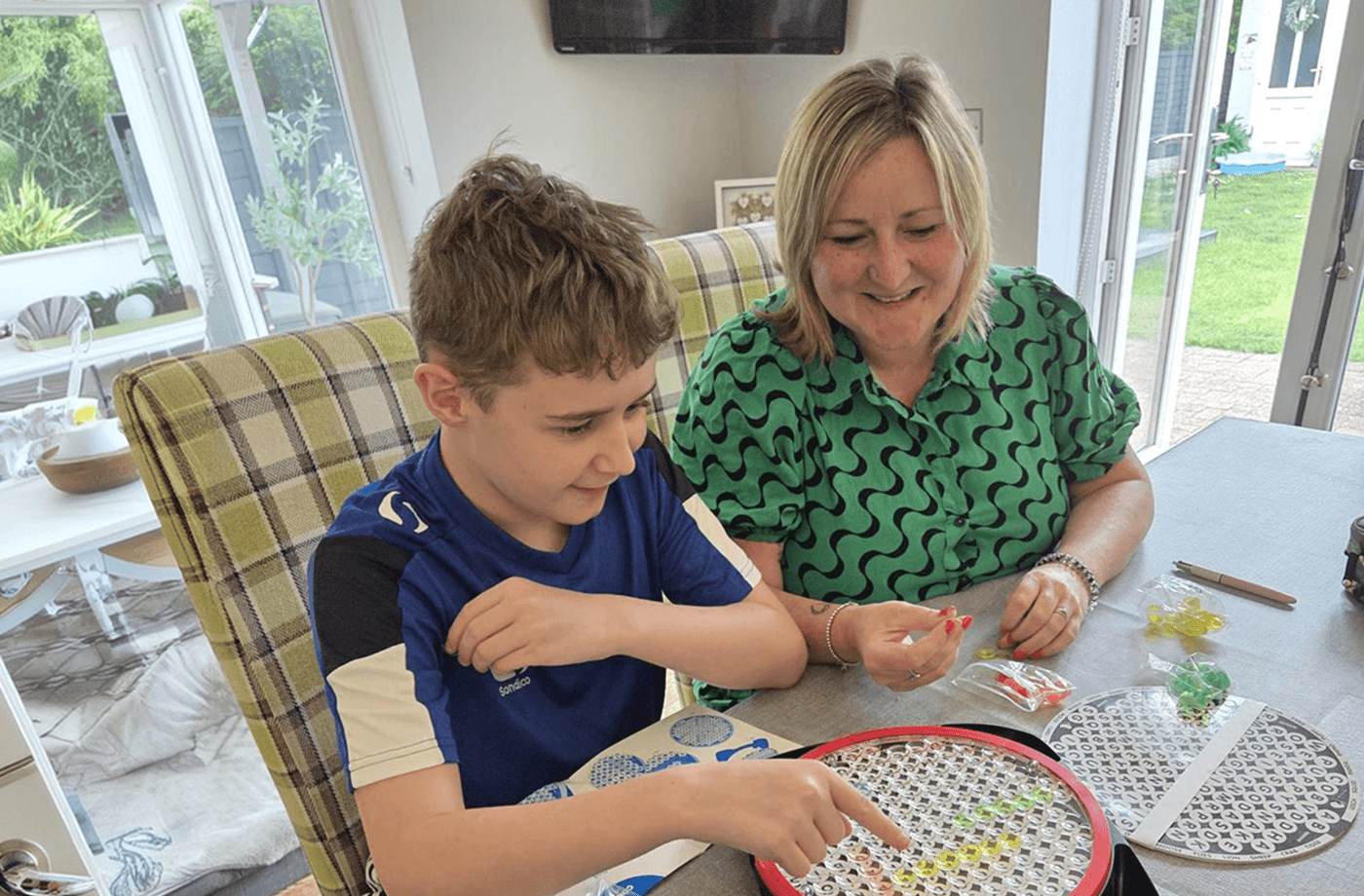
My role is to patiently and consistently show up and gently build trust. I aim to show each young person that their previous experiences of being misunderstood or unsupported will not be repeated. My approach is warm, non-judgemental, and flexible, allowing children the time and space to settle and get to know me at their own pace.
I am naturally bubbly and genuinely interested in others, which often helps children to relax and open up quickly. Some of my tutoring relationships have lasted several years, during which I have supported students to make rapid progress and achieve qualifications that initially felt out of reach. I strongly believe that for all children, and especially those with additional needs, a trusting relationship with their teacher is the foundation for meaningful learning. Once this is in place, progress academically, socially, and emotionally often follows.
My experience supporting young people with ASC
One of my first roles was in a specialist school for students with autism, where meeting a wide range of needs was a central part of my training. I learned the importance of meeting autistic learners where they are and showing genuine interest in their passions, which is often key to building trust and engagement.
I have supported autistic children one to one within mainstream classrooms and developed sensitivity to recognising when a child is overwhelmed and needs space. I scaffold both academic and social experiences in ways that are supportive while respecting individuality and autonomy.
I regularly use visual supports, clear routines, and sensory-aware strategies, adapting them to suit each child's needs. I also have experience with social stories, PECS, visual timetables, and basic Makaton, and I research and create resources to ensure support is tailored to each child.
My experience supporting young people with PDA
I have worked with several young people with a PDA profile, and my approach is gentle, flexible, and non-pressuring. I understand that engagement can vary day to day, and I see each positive interaction as meaningful.
While I often arrive with a plan, I am guided by the child in front of me. This can mean adapting activities to follow the child's interests or mood to keep learning achievable. I offer choices to give a sense of autonomy and ownership, which is particularly important for children with a PDA profile.
My experience supporting young people with SEMH (Social, Emotional and Mental Health needs)
I have strong experience supporting children and young people with SEMH needs, including those who may find emotional regulation, behaviour, or engagement with learning challenging.
I understand that behaviour is a form of communication, and I approach each child with patience, empathy, and curiosity. I focus on building trusting relationships and creating a calm, consistent environment where students feel safe and understood.
I use clear boundaries alongside a flexible and supportive approach, helping students feel secure while respecting their individual needs. I support young people to recognise and express their emotions through gentle conversations, check-ins, and appropriate strategies.
By prioritising relationships, I help students feel more settled and confident, which supports their ability to engage with learning and develop more positive experiences of education.
My experience supporting students with Anxiety
I have supported many children and young people who experience anxiety linked to learning, social situations, and school environments. I understand that for some students, simply engaging with education can feel overwhelming, particularly if they have had difficult past experiences.
I focus on creating a calm, predictable environment where students feel safe and at ease. I adapt my pace and expectations to the individual, using clear communication and gentle structure to reduce uncertainty. I also remain responsive in the moment, adjusting sessions if a student becomes overwhelmed so that learning continues to feel manageable.
As confidence grows, I support students to take small, achievable steps forward. By building trust and maintaining a consistent, supportive presence, I help students feel more secure, develop resilience, and engage more comfortably with learning over time.
My experience teaching Primary Maths and English
I have experience teaching Primary Maths and English, supporting children to build strong foundations in both subjects. I focus on making learning engaging, accessible, and confidence-building, particularly for those who may feel unsure or behind.
In Maths, I use practical resources, visual methods, and clear step-by-step explanations to develop understanding. In English, I support reading, writing, and spelling through structured activities, discussion, and creative approaches.
I adapt lessons to suit individual needs, breaking learning into manageable steps and offering encouragement throughout. My aim is to help children feel confident, capable, and motivated in their learning.
My experience teaching social communication and language skills
I have experience supporting children and young people to develop social communication and language skills in ways that feel supportive and confidence-building. I help students with conversational skills, turn-taking, understanding social cues, and expressing thoughts and feelings clearly through gentle modelling, structured activities, and natural conversation.
I adapt my communication style to suit each child's needs, using clear language, visual supports, and extra processing time where appropriate. My approach is patient and encouraging, helping children feel understood, confident, and more comfortable communicating with others.
My specialist experience providing engaging sessions that inspire a love of learning
I am a passionate learner, and I believe curiosity and enthusiasm are contagious. Many children I work with have had difficult experiences with education and may feel anxious or disconnected from learning. I aim to rebuild positive associations by making sessions safe, enjoyable, and achievable.
I take time to understand each child's interests and preferred ways of learning, and I use these as the foundation for sessions. Learning may be built around favourite topics, games, stories, or real-life activities to make it meaningful. By keeping learning flexible, creative, and child-led, I support children to rediscover curiosity and develop confidence in themselves as learners.
My skills and experience supporting young people to develop their independence
I have supported many young people to develop independence in a way that feels safe, achievable, and appropriate to their individual needs. I understand that independence looks different for every child, so I take a gradual and supportive approach.
I encourage young people to make choices, take small steps, and try things for themselves, while offering reassurance and guidance when needed. This might include managing simple tasks, organising their belongings, or making decisions about their learning.
My aim is to build confidence alongside independence, helping young people feel capable and proud of what they can do, while knowing support is always there when they need it.
My experience Supporting Students with ADHD
I have worked with children and young people with ADHD in one-to-one and small group settings. I provide clear, manageable instructions, frequent check-ins, and opportunities for movement and sensory regulation.
I break learning into achievable steps and offer choices to maintain engagement and autonomy. By celebrating effort and creativity, I help children with ADHD stay motivated and feel valued while developing confidence in their abilities.
My experience supporting young people with sensory and auditory processing needs
I have supported young people who experience sensory sensitivities and auditory processing differences, adapting my approach to create a calm and accessible learning environment. I use clear, concise language, allow extra processing time, and check understanding regularly. I am mindful of sensory triggers and adjust sessions to reduce overwhelm, using visual supports, written instructions, and predictable routines to help students feel comfortable and able to engage.
My experience supporting young people with speech and language needs
I have supported children whose verbal language is limited, and I believe the key is giving them time and space to communicate in whatever way works best. I respond patiently and respectfully, using visual supports, modelling, and encouragement to help children feel confident expressing themselves.
My experience supporting young people with study skills and executive functioning skills
I have supported many young people who find organisation, focus, and getting started with tasks challenging. With younger students, I focus on gently building these skills through clear routines, visual supports, and breaking work into small, manageable steps. I often use checklists, short goals, and regular encouragement to help children stay on track and experience success. I also build in movement, choice, and varied activities to help maintain attention and motivation. My aim is to help children feel more confident approaching their work, while gradually developing the independence and strategies they need to manage their learning both in and out of the classroom.
My experience working with young people with working memory difficulties
I have supported young people who find it difficult to hold and process information, particularly when following instructions or completing multi-step tasks. I adapt my approach to reduce cognitive overload and support confidence.
I give clear, concise instructions and break tasks into manageable steps, often one at a time. I use visual prompts, repetition, and regular check-ins to reinforce understanding and help students stay on track.
I also encourage simple strategies such as checklists and verbal rehearsal. My aim is to create a structured, supportive environment where students can build confidence and develop greater independence in their learning.
My experience teaching Secondary English
I am a former Head of English and can teach English up to A Level. I have extensive experience supporting students across the GCSE curriculum and helping them develop the analytical skills needed for success, including exploring figurative language, writers' methods, and structuring clear written responses.
When working with students who are already performing well, I focus on deepening their understanding and helping them express their ideas with greater clarity and confidence. I break down analytical thinking into manageable steps and model how to build thoughtful responses without making the process feel overwhelming.
As much of my work is with young people with SEND, I take a calm, supportive, and non-pressuring approach. I create a safe space where students feel comfortable sharing ideas, asking questions, and developing their thinking at their own pace. My aim is to build confidence alongside strong academic skills so that students feel capable, engaged, and proud of their progress in English.
My experience teaching Secondary Maths
I have been teaching Maths up to GCSE level for the past eight years as part of my work as a SEND specialist, and I am very familiar with the GCSE specifications and requirements. I recently taught a student the full GCSE Maths course online over two years, supporting her across all areas of the curriculum. She made significant progress from her starting point and went on to achieve a grade 5 in her exam.
Having found Maths challenging myself at school, I understand how it can feel for students who lack confidence in the subject. This allows me to explain concepts in clear, accessible ways and break learning down into manageable steps.
I focus on building understanding and confidence together, using structured approaches, repetition, and practical examples to help students feel more secure and capable in Maths.
My experience teaching GCSE Science
I have experience teaching GCSE Science, including recently delivering the full AQA Combined Science course online to a student who was out of school. Over time, she made strong progress from a low starting point and achieved a grade 5 in her exams. I focus on breaking down complex scientific concepts into clear, manageable steps, using simple explanations, visual support, and regular revision to build understanding and confidence.
My experience teaching GCSE Chemistry
I have experience teaching GCSE Chemistry as part of the Combined Science curriculum, including supporting students with anxiety and gaps in education. I focus on breaking complex topics down into clear, manageable steps and making abstract ideas feel more accessible through simple explanations and regular recap.
I also support students with the mathematical side of Chemistry, helping build confidence with equations, calculations and exam questions. My approach is calm, encouraging and paced to help students feel capable and secure in their learning.
My experience supporting students with Dyslexia
I have supported students with dyslexia by focusing on building confidence alongside literacy skills. I understand that reading, spelling, and writing can feel overwhelming, so I use structured, multi-sensory approaches to make learning more accessible and engaging.
I break tasks into small, manageable steps and use visual aids, repetition, and clear routines to support memory and understanding. I also encourage the use of strategies such as phonics support, word banks, and assistive tools where appropriate.
By celebrating effort and progress, I help students feel capable and motivated. My aim is to create a calm, supportive environment where students with dyslexia can develop their skills at their own pace while growing in independence and self-belief.
My experience supporting young people to build confidence and self-esteem
I believe the most powerful way to build self-esteem is through consistent, caring relationships. I take time to get to know each child, asking about their interests and remembering what matters to them. I am warm and genuinely enjoy spending time with students.
I celebrate success, both academic and social, using praise and positive reinforcement to highlight effort and progress. Even small achievements are recognised, helping children feel proud of themselves and their growth.
My experience teaching GCSE Psychology
Alongside my teaching, I hold an MSc in Psychology, which gives me a strong subject knowledge and understanding of key concepts within the GCSE specification. While my teaching background is primarily in English, I feel confident supporting students with GCSE Psychology, particularly in making theories and studies accessible and engaging. I approach the subject by breaking content down clearly and helping students build confidence in both their understanding and written responses.
My experience supporting young people with dyscalculia
I have supported students who find Maths particularly challenging, including those with dyscalculia, by focusing on building understanding and confidence from the ground up. I use clear, step-by-step teaching, repetition, and visual and practical methods to support number sense and problem-solving. I am patient and encouraging, helping students move at their own pace so that Maths feels more manageable and less intimidating over time.
My experience teaching community support and outside activities
My first role at university involved supporting young adults with additional needs in social activities such as trips to the cinema or bowling without their parents. It was rewarding to see young people enjoy independence while remaining safe and supported.
This experience taught me to offer guidance in an unobtrusive way, allowing children to try things for themselves, such as paying for food or making choices, while being attentive and ensuring they felt confident and secure.
My experience supporting young people with selective mutism
I have supported children with selective mutism and understand that anxiety can make verbal communication feel extremely difficult in certain environments. I recognise the importance of creating a calm, safe space where children feel comfortable and not under pressure to speak.
I do not place direct expectations on a child to use verbal communication. Instead, I support them to communicate in ways that feel manageable, such as through gestures, writing, or visual supports. I use gentle modelling and natural interaction within sessions, often incorporating play-based or interest-led activities to help the child feel relaxed and engaged.
As trust develops, I support gradual and child-led steps towards increased communication where appropriate. I celebrate all forms of expression and aim to help each child feel understood, confident, and secure in communicating in their own way.