My specialist experience working with young people with SEN to develop trusting and meaningful Relationships;
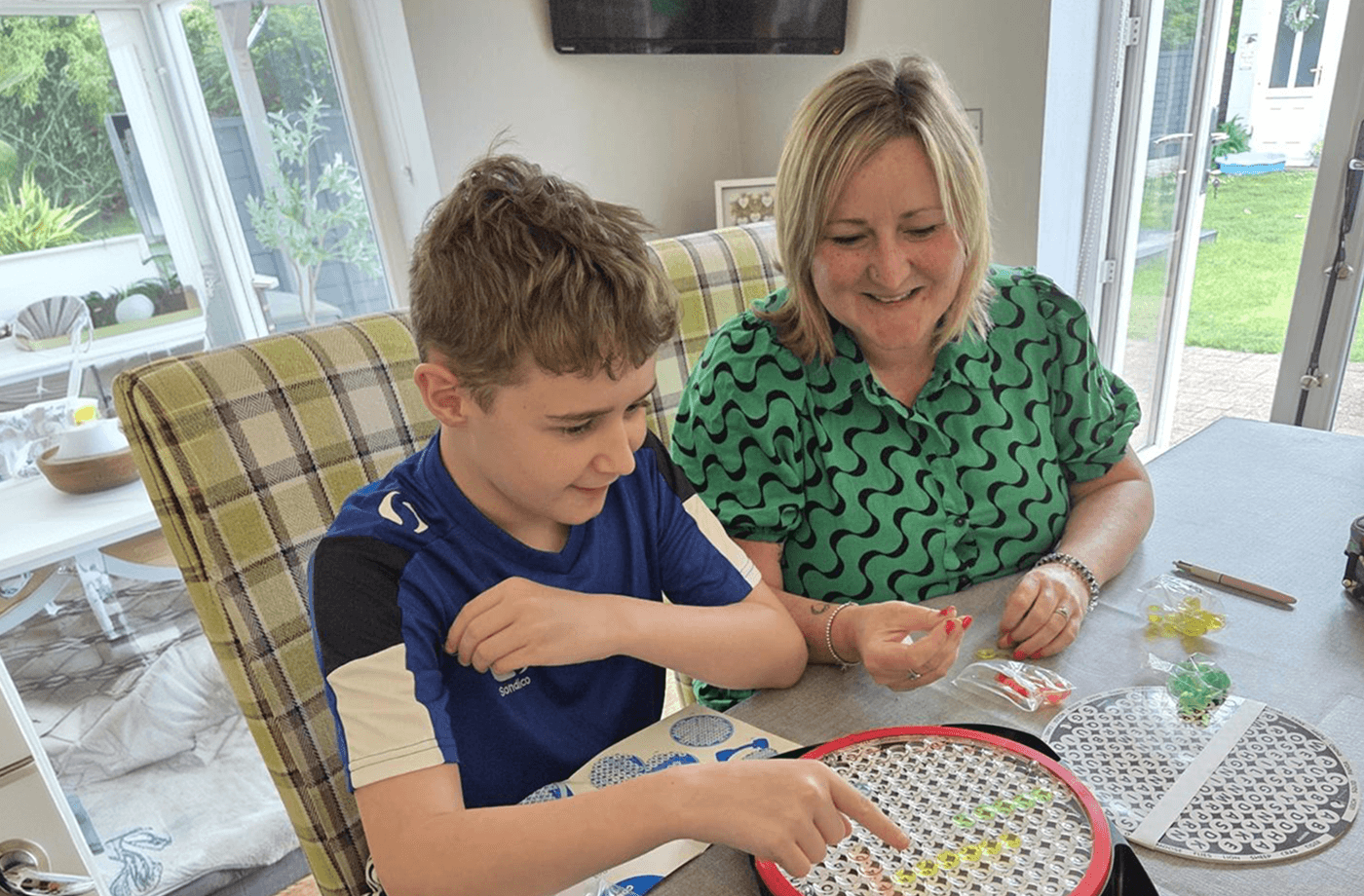
Some children I have supported have experienced many challenges in their school settings. I believe that a holistic approach, tailored to a young person’s interests, helps capture their attention and fosters a sense of safety and trust. I set high expectations with achievable goals that my learner can believe in and commit to. Initial sessions involve relationship-building activities to promote a positive connection whilst I get to know my learner’s unique strengths and needs. I am highly responsive to a child: Do they need to keep moving when communicating and learning? Do they benefit from a designated sensory space? Most importantly, a young person with SEND needs to feel understood and not judged.
My experience working with young people with ASC;
I have had the privilege of working with a diverse range of needs, with much of my support focused on pupils diagnosed with or presenting with ASC. This has allowed me to develop a deep understanding of each individual’s unique needs and strengths. I have undertaken extensive training and have qualifications to equip me with effective ideas and techniques to support children with Autism in reaching their full potential. My approach often incorporates sensory circuits and movement breaks, visual supports, such as timetables and fidget tools, to address sensory needs while engaging children in activities. Developing routines, providing structure, and maintaining clear boundaries have been essential in helping children focus on new concepts. I like to get to know the likes and dislikes of my learners to find multi-sensory approaches that contribute to the development of children’s attention, communication, and play skills. For older learners (tweens/teens), I have experience in the PEERS intervention for building social communication, where I have had the pleasure of seeing real progress in boosting social confidence and friendships for the young people on the programme.
My experience working with young people with anxiety;
For many students with SEND, anxiety has unfortunately been a common factor in their education. To support those experiencing anxiety, I believe that the young person needs to feel ownership when establishing routines and structures. It’s equally important to ensure students feel heard, safe, and reassured. Regular check-ins on their feelings have also proven beneficial, as has teaching them a range of breathing and mindfulness techniques. Often, I share my worries with them and demonstrate how I use a variety of techniques and strategies to manage feelings of dysregulation. I have found that exploring what students can and cannot control and teaching practical problem-solving makes a positive impact. I aim to help my young person build their own ‘toolbox’ of life skills they can rely on to support their emotional literacy and resilience.
My experience working with young people with dyslexia (English and Literacy);
As a specially qualified dyslexia expert, I understand the need for a rich and broad range of learning experiences required for language development. Yes, phonics plays an important role, but there is so much more to building solid foundations that a neurodivergent young person can rely on to grow their language, literacy and comprehension to their best advantage. I always look forward to meeting my learners to try diverse, multi-sensory strategies that work well for them, with the ultimate goal of reading and writing for pleasure.
My experience working with young people with sensory needs;
Young people benefit from developing language and motor skills through real-world experiences. This fosters essential life skills, boosts confidence in social interactions, strengthens relationships, and most importantly, builds their self-belief to recognise their abilities. I have facilitated activities from turn-taking and waiting to reduce frustration, to sensory experiences like a trip to the dining room. I understand that some daily activities can feel overwhelming for a young person with SEN surrounded by life’s intensity of sounds, smells and textures. I work closely with learners, finding strategies that work for them to build their confidence and independence.
My Experience Supporting Young People with Processing Needs.
Processing (visual and auditory) is often an area of difficulty for individuals with SEN. As a Dyslexia specialist, I have advanced training and professional experience in working with students to equip them with a toolbox of strategies that they can rely on, from multisensory approaches, visualisation techniques, concrete and real-world tools, to assistive technology. Working memory and processing needs, both visual and auditory, can often impact confidence and self-esteem. I work closely with my learner, watching their body language for any signs of discomfort and responding swiftly. I listen carefully to how thinking and remembering feel for them and how they impact their learning. My learner’s well-being is always at the forefront of my mind in any programmes I design, and all of my sessions will involve opportunities to build emotional resilience and wellness.
My experience working with young people on executive functioning skills;
I’m a qualified Executive Functioning coach and I have extensive expertise in working with young people with executive functioning needs. As a qualified dyslexia specialist, many of my students have ADHD and ASC alongside additional learning needs. I am specially trained to administer ADHD screening, and I have in-depth studies (Psychology Masters, Psychotherapeutic counselling qualification) and I use many cognitive behavioural therapy (CBT) techniques in my specially designed programmes.
For many learners, it’s important to maintain a young person’s motivation by providing small, manageable tasks that are clearly explained and allowing sufficient time for completion. All of my sessions incorporate regular, brief breaks for movement, games, and even singing and dancing if this appeals to my learner. I find talking about their interests can be very effective in keeping students engaged. Physical tools such as a stress ball or fidget cushion are simple strategies that can greatly enhance their learning experience and motivation. Additionally, I believe it is essential to regularly check in on their emotional well-being, and I teach calming techniques to help them focus more effectively.
My experience teaching primary maths and dyscalculia.
As a qualified assessor of specific learning difficulties, I have more than fifteen years of experience assessing and providing specific numeracy interventions for learners with dyscalculia. From Year 1 to Year 8, my interventions aim to build crucial foundational skills. As with any intervention, I do a thorough strength and needs audit to inform the specially designed intervention that I will create for my learner. I have delivered a variety of numeracy lessons tailored to children with different ability levels and needs. I prioritise making maths engaging, often using real-life resources and outdoor opportunities to develop both numeracy and fine motor skills. Hands-on, multisensory approaches have consistently shown positive outcomes. Additionally, I have completed “Catch Up Maths” training, which involves brief, targeted activities to consolidate understanding and boost confidence.
My experience developing confidence and self-esteem.
My approach to specialist teaching and learning has always been to keep the young person’s well-being at the heart of every activity in a session. Yes, the content needs to be well-founded and relevant to their learning needs, but an individual’s response to any activity needs to be underpinned by their emotional engagement. My approach to building rapport centres around finding out about what the child likes, what they know they do well and exploring what they don’t like and where they lack confidence. This helps us to find teaching and learning opportunities to explore in our sessions. When a young person starts to feel ownership of a skill and knows they have made progress on a target they want to improve on, there is a powerful boost of confidence and self-esteem. Even more rewarding, growth in confidence and self-esteem ensures that life skills are being gained beyond the educational setting.
My specialist experience providing engaging sessions to inspire a love of learning;
I seek engaging learning activities for my unique learner. I have extensive experience in the SEN sector, especially in Dyslexia, ASC, and ADHD and utilise well-founded and respected approaches to underpin my specially designed sessions. I love to share my excitement and pride in my learner’s progress. I am an empathetic and enthusiastic professional dedicated to helping the child thrive. I enjoy discovering a person’s particular areas of interest to find resources and content most suited to them. I am genuinely interested in getting to know each child and understanding how to best support their educational needs, both within and outside of education. My teaching and learning style can often be less structured and more intuitive if I think it will benefit my learners. I focus on maintaining calm and steady emotions, frequently integrating drama and role-playing into my lessons. The language I use and how I approach questions play a significant role, often influencing the response and the likelihood of success with each task. I actively seek advice from parents to incorporate and adapt their tried-and-true strategies into my sessions. My goal is always to promote increased trust in others, boost self-confidence and ultimately help students develop more flexibility and independence in the daily challenges of life.