



- In Person
- Online
- Either in person or online
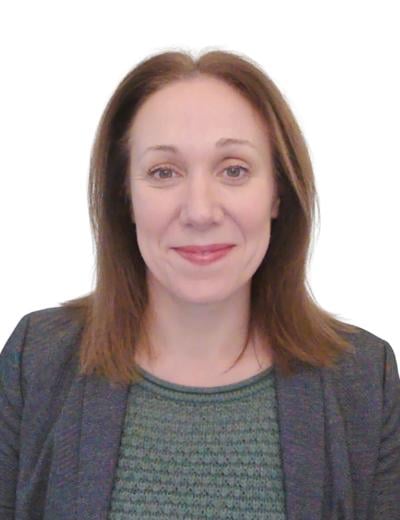
I began my career as a teaching assistant supporting students with a range of SEND, before qualifying as a teacher and spending over two decades working across mainstream, selective and specialist provisions. I have significant experience working in pupil referral units with children experiencing social, emotional and mental health needs, where I was responsible for science and ICT across five sites and led whole-school enrichment and intervention programmes.
Across my career I have worked as a science teacher, SSAT accredited Lead Practitioner, Director of SEND and Associate Assistant Principal, leading staff training, curriculum design and strategic inclusion work. I have delivered literacy and numeracy programmes, exam preparation, targeted interventions, and bespoke support packages to students who were unable to access mainstream classrooms from key stage 1 to key stage 5.
I have extensive tutoring experience, supporting children learning from home, students currently out of school, and young people with a range of additional needs including autism, ADHD, PDA, speech and language needs and mental health challenges. I have also tutored high-attaining students aiming for top GCSE and A-level grades in science and maths, and successfully prepared students for Common Entrance and the 11+.
As an examiner for GCSE science for over eight years, I have a strong understanding of assessment and examination requirements and a proven track record of outstanding GCSE outcomes for the classes I have taught. I pride myself on helping students rebuild confidence, develop independence, and make accelerated progress even when learning has been disrupted.
I also bring lived experience to my work as a parent of a child with autism and ADHD, whom I successfully supported through home education before she returned to sixth form, completed A-levels, and went on to university. I have supported many other families balancing school, anxiety, SEND, and alternative learning pathways — and I strongly believe every child deserves the best opportunities to thrive.
- QTS(2011)
- NASENCO Postgraduate National Award in SEN Coordination
- SSAT Accredited Lead Practitioner
- GCSE Science Examiner(8+ years)
- Safeguarding & Child Protection certified
- PREVENT training
- I have delivered training to whole school staff on:
Dyslexia, Autism Spectrum Conditions, ADHD, PDA, SLCN, SEMH, Trauma-informed approaches, Literacy & Numeracy interventions, and general SEND practice. - I have worked in regular collaboration with SALT, EPs, OTs and multi-agency teams.
My priority is to build trust, safety, and connection so that meaningful learning can happen. I believe that every child can achieve when they feel understood, supported and capable — and my approach is flexible, personalised, and strengths-based. I use evidence-informed strategies such as scaffolding, metacognition coaching, multisensory approaches, and structured routines to help students develop confidence and independence.
I adapt lessons around individual needs, interests, processing styles and sensory requirements, and I specialise in supporting students who may be anxious, disengaged, or who have experienced disrupted education. A good tutor provides patience, encouragement and creativity — meeting a child where they are, and helping them believe that success is possible.
-
Your child has SEND, SEMH needs, anxiety, autism, ADHD or requires a patient and understanding approach.
-
You are looking for 1:1 tutoring to support structured learning and reintegration.
-
You want a tutor who builds confidence, resilience, and strong relationships with families.
-
Your child needs targeted support, catch-up learning, or preparation for exams from key stage 1 to key stage 5.
- General Engagement, Confidence and Self Esteem
- Primary (Maths and/or English/Literacy)
- Secondary English (including GCSEs)
- Secondary Maths (Including GCSEs)
- Secondary Science (including GSCEs)
- Study Skills & Executive Functioning Skills
- Social Communication & Language Skills
- Functional Skills (English & Maths)
- Homework Support
- Primary
- Secondary
- Post 16
- Anxiety
- Autism
- ADHD & ADD
- Dyslexia
- PDA (Pathological Demand Avoidance)
- SEMH (Social & Emotional & Mental Health needs)
- Working Memory and Processing Needs
- Speech and Language Needs (including non-verbal)
- Dyscalculia
- DCD (Dyspraxia)
- Global Developmental Delay & Learning Difficulties
- Complex & Medical Needs (including Cerebral Palsy; Brain Injury; Epilepsy and other needs)
- Trauma/Abuse
- SEND (inc. disabilities)
- Other SEN
I bring both professional expertise and personal experience — as a teacher, a SEND leader, an examiner, and a parent of a neurodivergent child who once found school overwhelming. I truly understand how complex this journey can be, and I am passionate about helping young people rediscover learning, rebuild confidence, and feel proud of themselves again.
- In Person
- Online
- Either in person or online
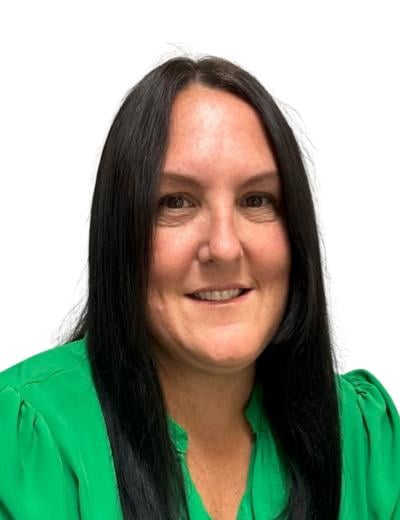
Always wanting to be a teacher, I completed a BTEC National Diploma in Childhood Studies in 1998 and then went on to University to successfully complete the BEd Primary Education Studies degree in 2001. I am a dedicated and passionate classroom teacher and have worked in 3 mainstream primary school settings in Bromley and Bexley over my 23 year teaching career. I am highly skilled in collaborating effectively with teachers, parents and external agencies in order to ensure support for children.
I have a good knowledge of effective strategies and interventions to support, engage and inspire young people. I am a firm believer in that every child is a learner and that using a graduated approach to remove barriers to learning will enable the child to flourish.
Skills and Experience:
Working as a Class Teacher, Assistant Head, Deputy Head and Interim Headteacher I have had the opportunity to work with many children who have a range of different needs, including: anxiety, ASC (autism), ADHD, SEMH, working memory and processing needs and global development delay. I have a passion for primary education and am trained in both ReadWriteInc phonics and Mathematics Mastery. I always approach learning with a ‘I do, We do, You do’ style, giving the child confidence from effective modelling and shared practice. Drawing on over 23 years of teaching experience, I have successfully transitioned my skills into home tutoring, providing tailored, one-to-one support that meets each child’s individual needs. My extensive classroom experience has equipped me with the ability to adapt quickly, build strong rapport, and create engaging learning environments. I continue to refine my existing skillset while embracing new approaches and strategies, ensuring that my teaching remains responsive, effective, and aligned with the evolving needs of the children I support.
My experience working with young people with SEN to develop trusting and meaningful relationships enabling them to engage
I recognise that developing respectful and trusting relationships is vital, I therefore always pride myself in developing these relationships with my young people and take my time to get to know them well, tailoring my approach to suit the individual. I use humour and a nurturing approach to allow them to get to know and trust me and to create a safe and successful learning environment in which they can take risks and challenge themselves.
My experience teaching young people with ASC (autism)
I understand how to make adjustments to the working environment in order to promote consistency, structure, reduce anxiety and maximise success. I create personalised programmes for children which are suited to their own interests and bespoke to each individual child. I am able to adapt the delivery of teaching and learning through different communication mediums, using signals and visuals when required.
It is so important that children with such needs may be prepared for different transitions and changes, this can be detailed to the incremental now/next/then steps that could be required of them during an hour session, or an overview timetable of their day. It is important that children are provided with visuals to support activities or as communication tools. Choice is also a huge aspect of working with pupils with additional needs in order to provide children with ownership and autonomy over their own education. The use of visuals to support timetabling, instructions, social stories, choice and communication from both teacher and child are invaluable.
My experience supporting young people with difficulties in using language
Modelling and extending language through conversation that is of interest to the young person will enable them to see and hear how the language can be used in context, giving them confidence before exploring with it themselves. I would always use the ‘MyTurnYourTurn’ when introducing, modelling and discussing new vocabulary as this shows the young person that I’m ‘having a go’ too. I would always encourage alternative means of communicating including: drawing, gestures, visuals, scribing or typing or using speech to text to showcase to the young person that their words, thoughts, ideas or suggestions can be communicated and shared with others.
My experience teaching young people with attention and listening difficulties
Ensuring I have the attention of the child is paramount in being able to communicate effectively. I say their name and, if suitable, gain eye contact before providing clear, brief and concise instructions to ensure attention in the first instance. I then allow the child time to process the information and would ask them to repeat it back to me so that I can see they have fully understood. I use visual support when giving instructions and am clear on the amount of time they have for the task. It’s really important to give praise to reinforce and encourage good listening as well as using positive redirection. I plan in and adapt the use of rest / natural movements breaks.
My experience teaching young people English
Reading
Finding engaging texts that interest the young person will encourage them to be more involved and invested in the text and therefore reading in general. I pre-teach key vocabulary prior to reading the text and then would encourage the young person to identify those during the text sharing time, this encourages the child to stay forced and adds a level of competition and excitement to see who can ‘spot’ them first. Teaching and then encouraging pupils to summarise at key points will also ensure they have understood what they have read or have been read to, allowing them to become fully immersed in reading. Asking both closed and open-ended questions whilst reading will also encourage the child to think more deeply about the text and therefore deepen their understanding of what they have read, also encouraging links to prior learning, experiences and knowledge. Retelling narrative texts is also crucial as it vital links to speaking, listening and communication and also encourages the link into writing.
Writing
Providing word banks, pre-teaching vocabulary, having writing frames and scaffolds as well as having a good, modelled example will all allow the writing sessions to have a clear structure and support along the way. This means the child will feel supported and encouraged at every stage in the writing process, limiting the anxiety over a ‘blank’ page. Written tasks will be purposeful and meaningful to the young person as this creates the ‘buy-in’ to the task and reduces the reluctance to it. I use a stimulus for writing that is linked to their interests and therefore encourages engagement.
My experience teaching young people maths
I teach maths through a CPA approach, whereby I would also refer and use concrete resources and manipulatives so that the child can experience these first hand. Practical activities that engage and enthuse children will always make maths seem a desirable and enjoyable subject to learn and be involved in. Once a concept has been introduced and experienced using the ‘concrete’ resources, I would then look to introduce this in a ‘pictorial’ representation enabling the child to match their experiences with the concrete resources with the pictorial representation. Once the child is fully immersed and has understood both the C and P, then the abstract can be introduced, with the child experiencing just the numbers that match their prior experiences.
My experience teaching young people with attention and listening difficulties
Ensuring I have the attention of the child is paramount in being able to communicate effectively. I say their name and, if suitable, gain eye contact before providing clear, brief and concise instructions to ensure attention in the first instance. I then allow the child time to process the information and would ask them to repeat it back to me so that I can see they have fully understood. I use visual support when giving instructions and am clear on the amount of time they have for the task. It’s really important to give praise to reinforce and encourage good listening as well as using positive redirection. I plan in and adapt the use of rest / natural movements breaks.
My experience providing engaging sessions to inspire a love of learning
Children learn best when a safe environment is created, where mistakes can be made and support and
encouragement is on hand. I show my young people that we are ALL learning, ALL of the time. I aim to use children’s special interests wherever possible to showcase what they are capable of. I celebrate all successes and all strengths as well as valuing the effort and attitude. Developing a growth mindset using the power of YET has always been really successful with my young people. I can’t do that YET…but it’s coming, and I’ll help and support you to get there!
My skills and experience supporting students to develop their independence
The ultimate aim of any SEND tutor is to initially scaffold tasks and learning in order to develop an independent and confident learner. This is best achieved with a secure relationship between student and tutor and sessions that are tailored to the student’s learning style. Through my creative and personalised learning approach, I promote strategies such as curiosity and wonder to develop the small steps of self-awareness which in turn contribute to a child approaching life with a ‘can do’ attitude and a life long thirst for knowledge.
My experience helping young people with their wellbeing – anxiety or emotional behaviours
Developing a good understanding of the child through building an effective relationship with them as well as engaging in purposeful communication with adults involved enables me to understand their behaviours and feelings. I teach the young person to learn about, recognise and communicate their emotions. I empathise with a child’s emotional state and use this as a teaching tool to explore with them more effective responses. I always ensure the child has their feelings acknowledged and validated, encouraging them to feel part of the process in understanding their feelings and emotions. I share resources and ‘tools’ with the children on how to understand and explore their feelings and provide them with routines that can support them in calming their feelings if it becomes overwhelming.
My experience teaching young people with executive functioning skills/study skills
Through the use of visuals, prompts, scaffolds, pre-teaching and overlearning (revisiting prior learning) I work together with the young person to identify a preferred method to support day to day challenge areas. I then scaffold around these key areas with a long term view of developing the confidence and independence of the individual.
My experience supporting young people to develop metacognition skills
Teaching young people to think about their thinking is really, really important for them to understand what they need to do when presented with a situation. Showing them how the brain works is important for their learning journey. I would model to the young person what strategies they need to use and what they need to do. This would be done on a little and often basis so that they build confidence in knowing what strategies to use and what needs to be done.
My experience teaching young people with memory and retention difficulties
Using lots of modelling and scaffolds (including writing frames and prompt sheets) will enable the child to ‘see’ the task and then, with support and guidance, be able to complete the small sections/chunks of learning. I provide exact repetitions and will ask the child to repeat back the instruction. Using recording apps and devices will also support the child in having their ideas played back once they have verbalised them. Effective modelling of both the learning and the vocabulary will all support the child in building up their memory and retention capacity.
My experience teaching young people with executive functioning skills/study skills
Through the use of visuals, prompts, scaffolds, pre-teaching and overlearning (revisiting prior learning) I work together with the young person to identify a preferred method to support day to day challenge areas. I then scaffold around these key areas with a long term view of developing the confidence and independence of the individual.
My experience supporting young people with Global Developmental Delay
I have experience working with children diagnosed with Global Developmental Delay (GDD), supporting their learning and development across a range of areas including communication, social interaction, motor skills, and cognitive processing. My approach is always tailored to each child’s unique needs, using clear, consistent routines, visual supports, and simple, structured language to aid understanding and reduce anxiety. I am skilled at breaking down tasks into manageable steps and providing patient, repetitive reinforcement to help children retain and apply new skills over time. I also place great emphasis on building trust and positive relationships, creating a safe and encouraging environment where progress—no matter how small—is recognised and celebrated. Working with children with GDD has taught me the importance of flexibility, creativity, and collaboration with families and other professionals to ensure consistent support across all settings. This experience has strengthened my belief in the value of personalised learning and the potential within every child.
- BTEC National Diploma in Childhood Studies (qualified 1998)
- BEd Primary Education (qualified 2001) QTS
- NPQSL (National Professional Qualification in Senior Leadership) (qualified in 2021)
- Read Write Inc (phonics)
- Mathematics Mastery
- Understanding ADHD
- Understanding Autism
- Understanding Anxiety
- Understanding Low Mood and Depression
- Wellbeing for Children with EAL
- HM Government- Prevent
- HM Government- FGM
- Child Safeguarding- Level 2
- Understanding Anxiety and Stress in Children and Young People
- Non-Verbal Communication: Understanding and Managing Behaviour Patterns
- Understanding and Supporting Autistic Children in the Early Years
- Dyscalculia Awareness
Teaching should be child centered, fun, flexible and built on trusting relationships. Every child is an individual with their own set of skills, talents and preferences. High aspirational learning should be engaging of the young person’s interests using strategies that promote their best opportunity to access learning. I love Thomas Edison’s quote, ‘I have not failed. I’ve just found 10,000 ways that won’t work.’ It serves me well in all areas of life, that we’re on a journey towards success and should embrace the challenges that we face along the way. Approach each day with enthusiasm, energy and positivity. Every day is a new day!
- You need a tutor who will support your child with a fun and calm approach to learning
- You want your child to be the best versions of themselves
- You want a reliable, patient and friendly tutor
- You want your your person to increase their confidence in themselves, their capabilities and their learning
- General Engagement, Confidence and Self Esteem
- Primary (Maths and/or English/Literacy)
- Social Communication & Language Skills
- Homework Support
- Early Years
- Primary
- Anxiety
- Autism
- ADHD & ADD
- SEMH (Social & Emotional & Mental Health needs)
- Working Memory and Processing Needs
- Global Developmental Delay & Learning Difficulties
I spend a LOT of my time standing on the side of a pitch, supporting and watching my two children play football. I’m there to support, WHATEVER the weather!
I am rather good at a round of crazy golf! My game plan is ‘hit it and hope’ and it always seems to pay off, much to the annoyance of my family!

- In Person
I have taught in the independent sector for over three decades, helping students achieve top grades in Science and recently worked in a school which provides education for students who have SEND requirements. I have taught Entry Level Science, Double Award Science and Separate Science (Physics, Chemistry and Biology) at GCSE, and Triple Science (Physics, Chemistry and Biology) at IGCSE. I have prepared students for exams with AQA and Edexcel; I am also familiar with the OCR board. I have helped prepare SEN students for Common Entrance exams at 11+ and 13+ including interview practice. I have tutored adults who are preparing for Functional Skills exams in English and Maths and supported students preparing for GCSE Maths. In my work as assistant head of sixth form I have supported students as they prepare their UCAS applications including advice on writing personal statements and preparing for interviews.
As a teacher, I have a proven track record of helping underperforming students achieve their potential. My ability to motivate and inspire students is well-recognised, and I have consistently seen improvements in academic outcomes and student self-confidence. My role as assistant head of Sixth Form, where I led a team focused on student welfare, is a testament to my commitment to student success. I oversaw the rapid growth of the Sixth Form, ensuring a nurturing and supportive environment that facilitated academic excellence.
My specialist experience of working with SEN students: As a dedicated SEN tutor, I specialise in creating personalised learning experiences for students with autism, ADHD, dyslexia, and other needs. Building trusting relationships is at the heart of my approach, ensuring each child feels supported and understood. For example, I worked with a student sensitive to sensory stimuli, adapting science experiments to meet his needs while keeping him engaged. Regular one-on-one check-ins helped build rapport and confidence.
For a student with autism and a passion for Biology, I designed independent projects that aligned with the curriculum, allowing him to explore advanced topics at his own pace. This tailored approach boosted both his engagement and academic performance.
I integrate technology and sensory activities to make learning accessible and enjoyable, using interactive whiteboards, apps, and hands-on lessons to suit each student’s strengths. I challenge low expectations often placed on SEN students by showing them how to navigate their learning barriers and achieve success through effective teaching strategies.
My commitment to providing individualised support helps students grow academically and personally, giving them the confidence and tools they need to thrive. I am determined to help every child realise their full potential in a nurturing and inclusive environment.
My specialist experience of working with dyslexia: I have extensive experience supporting students with dyslexia, using tailored, multisensory strategies and assistive technology to enhance their learning. For example, with O., a bright student with dyslexia, I incorporated multisensory activities like sand writing, engaging her visually, auditorily, and kinaesthetically. This approach helped her grasp complex concepts more effectively, and collaborating with a speech therapist made learning both fun and productive.
For J., assistive technology was key. I introduced text-to-speech software and dyslexia-friendly fonts, transforming his reading experience. These tools reduced the barriers he faced, boosting his confidence and academic performance. His newfound love for Biology showed how technology can empower students with dyslexia to explore subjects once seen as unreachable.
Progress is incremental for dyslexic students, as I saw with S. Celebrating small victories, like reading new words, was essential. By breaking down science vocabulary into manageable chunks and celebrating each achievement, I helped her view learning as an attainable goal rather than an overwhelming challenge.
My specialist experience of working with ADHD: I have worked with many students with ADHD, tailoring my teaching to provide personalised support. For example, one student struggled with focus during traditional lessons, so I introduced hands-on activities and interactive learning stations. This allowed him to move around and engage with the material in a way that suited his attention span and energy levels.
I also implemented flexible seating options, including standing desks and wobble stools, and provided frequent brain breaks to help him manage his energy. Structured routines, visual aids, and clear instructions created a predictable environment that improved his focus. I maintained regular communication with his parents, inviting them to observe a lesson and aligning classroom strategies with those used at home. This unified approach helped alleviate their concerns.
Positive reinforcement, such as house points, celebrated each small success and boosted his self-esteem. By adapting the learning environment and recognising his achievements, I created a space where he could thrive. This approach fostered academic success, improved behaviour, and built self-confidence, ensuring that the student's unique needs were met.
My specialist experience of working with dyscalculia: I have extensive experience working with young people with dyscalculia, helping them develop confidence and strategies to overcome their challenges in maths. Understanding that dyscalculia affects number sense, memory retrieval, and problem-solving, I tailor my teaching to provide structured, step-by-step guidance that breaks down complex concepts into manageable parts.
I use a multisensory approach, incorporating visual aids, hands-on activities, and real-world applications to make abstract mathematical concepts more tangible. By integrating number lines, manipulatives, and rhythm-based learning, I help students develop a stronger sense of numbers and patterns. I also focus on strengthening their working memory through repetition, scaffolding techniques, and consistent reinforcement of key skills.
Building confidence is central to my approach, as many students with dyscalculia experience maths-related anxiety. I create a supportive, low-pressure environment where mistakes are seen as learning opportunities rather than failures. Encouraging a growth mindset, I celebrate progress at every step and use positive reinforcement to build resilience.
Collaboration with parents, teachers, and specialists is also key, ensuring consistency in strategies across learning environments. My goal is to equip students with practical skills, boost their self-belief, and foster a more positive relationship with maths, helping them achieve their full potential.
My specialist experience of working with dysgraphia: I have many years of experience supporting young people with dysgraphia, helping them develop confidence in their written communication and overcome barriers to learning. Understanding that dysgraphia affects handwriting, spelling, and the ability to organise thoughts on paper, I tailor my teaching strategies to reduce frustration and build essential writing skills.
I use a multisensory approach, incorporating oral storytelling, dictation software, and hands-on activities to help students express their ideas without the pressure of handwriting. I provide structured scaffolding techniques, such as graphic organisers, sentence starters, and word banks, to support written expression and build fluency. By breaking down writing tasks into manageable steps, I help students develop organisation and coherence in their work.
Since many students with dysgraphia experience low confidence in their writing abilities, I create a supportive, non-judgmental environment where effort is celebrated over perfection. Encouraging a growth mindset, I help students see improvement through small, achievable goals.
I also collaborate with parents, teachers, and therapists to implement assistive technology, handwriting exercises, and alternative learning strategies tailored to each student’s needs. My goal is to empower students with the tools and self-belief they need to express themselves effectively and succeed academically.
Assisting with homework, study skills and exam techniques (particularly those facing challenges with executive functioning skills): I have enjoyed teaching young people how to develop study skills and executive functioning strategies, particularly those preparing for SATs, 11+, GCSEs, and post-16 exams. Many of my students struggle with organisation, time management, and planning, so I provide structured routines and practical tools to help them manage their workload effectively.
To support executive functioning, I use visual schedules, checklists, and planners to create clear, predictable routines. Breaking down large tasks into smaller, manageable steps allows students to approach assignments with confidence. I also incorporate mind maps, study visuals, and revision techniques such as active recall and spaced repetition to enhance retention.
For exam preparation, I guide students in modifying and condensing notes, using strategies like flowcharts and bullet points to simplify information. I also teach time management skills, practice exam techniques under timed conditions, and provide targeted strategies for different question types.
Additionally, I use interactive activities and games to develop planning and organisational skills in an engaging way. Visible timers help students pace themselves, while a structured learning environment—whether online or in-person—supports focus and productivity. My approach fosters independence, self-confidence, and long-term study habits, empowering students to manage their learning more effectively.
My experience working with young people to boost their confidence and self-esteem: Boosting the confidence and self-esteem of young people is a key part of my role as a tutor. I have seen the transformative power of education and mentorship in helping students overcome self-doubt and develop self-belief. Creating a supportive learning environment where students feel safe to take risks, embrace challenges, and learn from mistakes is central to my approach. By fostering a growth mindset, I help students shift their focus from what they struggle with to recognising their achievements, no matter how small.
Building strong relationships with students is essential in this process. Taking time to understand their strengths and challenges allows me to tailor teaching methods to their individual needs, ensuring they feel valued and capable. I use positive reinforcement, SMART goals, and structured reflection to help students recognise their progress and build resilience.
Beyond academics, I aim to equip students with the confidence to tackle life’s challenges. Encouraging perseverance and a positive mindset helps them develop independence and self-assurance. Watching students grow in confidence, take pride in their progress, and step into their future with a strong sense of self-belief is one of the most rewarding aspects of my work as a tutor.
My skills and experience supporting students to develop their independence: My role as a teacher is to guide students toward becoming independent learners, gradually transferring responsibility to them. From the first session, I encourage students to set their own goals, giving them ownership of their learning and increasing their engagement. When students take control of their education, they build confidence, develop problem-solving skills, and become self-directed learners.
To foster independence, I use reciprocal teaching, an active learning method where students engage in the ‘fab four’ strategies: questioning, clarifying, summarising, and predicting. This approach shifts lessons from teacher-led instruction to student-led discussion, allowing students to take on various roles and lead activities. By the end of a session, they often guide their own learning, reinforcing understanding through peer collaboration.
I also incorporate choice within activities, encouraging students to select tasks that align with their interests and learning styles. Collaborative lesson planning and reflection further develop their critical thinking and self-awareness. Additionally, I teach practical skills like time management and organisation using tools such as mind maps and visual schedules. Over time, I step back, allowing students to take charge while providing support when needed. Watching students become confident, independent learners is fulfilling and exciting
Boosting the confidence and self-esteem of young people has always been a key aspect of my role as a tutor. I have witnessed firsthand the transformative power of education combined with mentorship, and this drives me to work closely with each student to unlock their full potential. Helping students overcome self-doubt and empowering them to believe in their abilities is one of the most rewarding aspects of my work. I strive to create an environment where students feel safe to take risks, embrace challenges, and learn from their mistakes—all essential steps in building self-belief.
Ultimately, helping students discover their own potential and guiding them toward a positive self-image prepares them not only for academic success but also for the challenges they will face in the future. Being part of this journey, watching their confidence flourish, and seeing them step into their future with self-assurance is a privilege that continuously inspires me.
The Process
Getting to know the learner – I will introduce myself to the student, discussing my work in education as well as hobbies and interest. I then give students a chance to introduce themselves as a person including their interest, dreams and aspirations.
Learning – I then teach students about the learning processing using the CAMR system which I devised. Each stage of learning is identified and broken down so that they understand what happens when they are learning effectively.
Identify learning styles – All students complete an online assessment process which identifies their main learning styles. We then discuss the most effective strategies that work for them and identify practical ways they can use these in the classroom.
Personal learning plan (PLP) – All students complete an online science assessment that allows me to identify their level and standard which is then used to construct a PLP which incorporates SMART targets. Students are regularly assessed and their progress compared with the targets, adjustments can then be made to the learning programme if targets are not being met. When writing an PLP, I ensure that the language is precise and accessible. I include detailed observations, measurable goals, and specific strategies that teachers and parents can implement. Additionally, I provide a summary for parents, ensuring they fully understand the plan and can reinforce it at home.
- BSc (Hons) Biology/Sociology
- PGCE Biology and Science
- Differentiation and adaptive learning strategies CPD
- NTP training
- Autism training
- Supporting students’ social, emotional, and mental health
- Growth Mindset Training
- Prader Willi Syndrome
- Relationship and Sex Education CPD
- Managing dyscalculia
At the core of my teaching philosophy is the belief that every child, regardless of their needs or abilities, deserves to feel valued, understood, and empowered. I strive to create an environment where each student is celebrated for their individuality and supported in reaching their full potential. For children with special educational needs, this approach is even more vital, as they often face unique challenges that require thoughtful, personalised support.
I believe that every child is a potential world-changer, and unlocking that potential begins with truly understanding who they are. By getting to know each student as an individual, I can tailor my approach to their learning style, emotional needs, and personal interests. This personalised method fosters a safe, stimulating environment where learning becomes meaningful and relevant. Through the use of creative and hands-on experiences, I help students build confidence and take risks in their learning journey, knowing that failure is a natural part of growth.
A key component of my approach is the MSP system - Mindset, Study Skills, and Personal Development. By focusing on these three strands, I help students build resilience, develop effective learning strategies, and grow as individuals. I understand the challenges that can hinder progress, particularly for SEN students, and I work to provide alternative paths that lead to success, ensuring each child feels supported and capable.
I also emphasise the importance of extracurricular activities in my teaching. These activities offer students opportunities to explore their talents, develop social skills, and build self-esteem. I have seen firsthand how participation in clubs and activities can deepen relationships and positively impact classroom behaviour and academic performance.
Equally important is understanding the emotional and psychological needs of SEN children. I keep up with the latest research on adolescent psychology, and I recognise that stress and emotional wellbeing play a significant role in a student's ability to learn. By creating a supportive, nurturing environment, I help students manage their emotions and develop the life skills necessary to handle future challenges.
Ultimately, I believe in fostering a sense of pride and accomplishment in every student, ensuring they know that their voice matters. My goal is to equip children with the confidence, self-motivation, and independence they need to thrive - not only in their academic journey but in life. For parents seeking a tutor who understands the unique needs of SEN students, my approach is built on compassion, expertise, and a commitment to helping each child succeed.
You want a tutor with extensive SEN expertise: I have years of experience developing personalised learning plans for SEN students, allowing me to tailor my lessons to meet the specific needs of children with diverse learning abilities. All lesson plans focus on each student’s unique strengths, weaknesses, and learning preferences.
You want proven academic support across key subjects: I teach Chemistry, Physics and Biology across various key stages (Biology, Physics and Chemistry to KS4 and Biology to KS5), meaning I can guide students through a wide range of scientific concepts, from foundational understanding to advanced topics. I have also helped students prepare for Common Entrance exams at 11+ (Maths, English and verbal and non-verbal reasoning) and 13+ (Maths, English and Science) including interview practice and public speaking skills. In my work as assistant head of sixth form I supported students as they prepared their UCAS application including advice on writing personal statements and preparing for interviews.
You want creative and engaging teaching methods: My passion for creative writing, art, and storytelling allows me to make lessons engaging, relatable, and enjoyable. I use creative strategies to help students understand complex topics and build confidence in their learning abilities.
You value a focus on building strong study habits: Beyond subject knowledge, I help students develop effective study habits and time management skills, equipping them to prepare for tests and improve their academic performance.
You want continuous progress evaluation: I regularly assess student progress and provide targeted feedback to ensure continuous improvement. I also share detailed progress reports with parents, ensuring alignment on academic and personal development goals.
You value strong communication skills: I work closely with parents, and external professionals, ensuring clear and open communication.
You want a tutor who is committed to safeguarding and wellbeing: As someone with experience in pastoral care, I am committed not only to students’ academic success but also to their emotional maturity.
You want a focus on holistic development: My experience as a mentor and public speaker allows me to offer valuable guidance on personal development, identity, and conflict resolution.
You want a tutor dedicated to continuous improvement: My commitment to personal growth, whether through creative writing or courses like Kintsugi, reflects my dedication to constantly improving both my teaching methods and my students’ outcomes.
- General Engagement, Confidence and Self Esteem
- Primary (Maths and/or English/Literacy)
- Secondary Maths (Including GCSEs)
- Secondary Science (including GSCEs)
- Study Skills & Executive Functioning Skills
- Functional Skills (English & Maths)
- Homework Support
- Other (please provide details when contacting us)
- Primary
- Secondary
- Post 16
- Adult
- Anxiety
- Autism
- ADHD & ADD
- Dyslexia
- PDA (Pathological Demand Avoidance)
- SEMH (Social & Emotional & Mental Health needs)
- Working Memory and Processing Needs
- Dyscalculia
- DCD (Dyspraxia)
- Trauma/Abuse
- SEND (inc. disabilities)
- Other SEN
As a dedicated tutor with a unique blend of academic expertise and creative flair, I bring a fresh approach to education that goes beyond traditional teaching methods.
With extensive experience supporting SEN students and a deep understanding of differentiated instruction, I am committed to tailoring lessons that meet the individual needs of every learner. My passion for subjects like Biology, Physics, and Chemistry is matched by my love for storytelling, creative writing, and art, enabling me to craft engaging, imaginative lessons that resonate with students.
As a mentor, public speaker, and advocate for personal growth, I aim to inspire confidence and curiosity in my students, empowering them to succeed academically and beyond. With a focus on holistic development, technology integration, and a nurturing approach to well-being, I offer a dynamic, comprehensive learning experience that helps students reach their full potential.
I am currently writing a teen horror movie about a group of students waiting for their A-level results, a third book in a sci-fi series and preparing a graphic novel for publication.