



- In Person
My specialist experience of engaging students with SEND in their learning and developing meaningful relationships: All children respond better and engage more effectively in their learning if they feel safe, calm and know that they are valued and being listened to. It is my job to make sure that this is the case with every child I teach. I will take the time to get to know your child, their needs, their interests and dislikes. I'll plan fun, bespoke sessions and learning activities that will be based on your child's individual needs and personality. I will treat them with kindness, patience and respect, and I always value families' input as you are the expert on your child. Do not worry if they become disengaged or dysregulated - we will work through it together, one step at a time and at their pace. There are many ways of calming and re-engaging children after such moments. They all depend on the individual child, but include activities such as having a movement break, using a pictorial emotions board, setting clear goals, using praise and agreed rewards, trying a different learning style, and using adaptive and supportive resources to reduce tiredness and frustrations.
My specialist experience of working with students with autism: I have been a primary school teacher in Manchester schools for the last 20 years. The majority of this was as a class teacher, but I moved into a more specialist SEND-based route as the years went by. One of the most significant projects was when I was asked to help set up a specialist hub within our mainstream primary school to support around 12 pupils with complex SEND who were not able to cope and/or reach their potential in their regular classes. Most of these children were autistic and it was my job to help develop the SEND hub itself and then plan and resource the learning activities for each child on a weekly basis. It was my privilege to then work with the children, who were aged 4 to 11, on a 1:1, small group and larger group basis. There were some ideas, activities and resources that were key to making the hub as effective as it was, including having clear routines for each part of the school day, using visual timetables, using visual resources such as PECs and Widgit symbols, using social stories, and providing lots of fun and practical hands-on activities that linked to the learning topic. It was also vital to utilise and build upon their individual areas of interest, that were sometimes very intense and specific, to engage them in their learning. One pupil loved Alphablocks (a cartoon on Cbeebies) and mobile phone network providers, and so we all became experts in these two subjects, or course!
My specialist experience of working with students with sensory processing issues: I feel that the impact that sensory processing issues can have on learning is often significantly underestimated. They are also sometimes overshadowed by other areas of need. However, there are lots of things we can do to support children who have sensory issues. Sometimes the answers can be as simple as providing ear defenders, having a weighted toy, avoiding certain textures, changing the light levels in a room, or using a sensory cushion. When my son was younger, his writing was clearer when he used a pencil that had elastic bands wrapped around it. A specialist advised us to try it because that sensory stimulation apparently helps to remind the brain that the pencil is there, therefore he had a firmer grip and more control.
My specialist experience of working with students with anxiety and mental health struggles: It is really important to work at a pace that is appropriate for each pupil. Pupils with anxiety and mental health needs often need more opportunities to be successful, even if that means starting with tasks that do not yet challenge their full potential. They often need more activities that will help them to understand how they are feeling and how they can express that to others, such as through the use of emotions visuals and social stories. If their behaviour is challenging, they will probably benefit from agreed expectations for behaviour that can be written together and displayed nearby, and clear and specific praise. Fun cooperative games, sharing successes with others, creating a nurturing environment and opportunities to be helpful are also invaluable.
My specialist experience of working with students with ADHD: It makes me feel sad and frustrated that children with ADHD and hyperactivity are often labelled as disruptive when their behaviour is down to a need, not a choice. Pupils with ADHD can learn much more effectively and have a much more positive experience of learning if teachers are prepared to try a range of strategies that have frequently been found to help. These include:
- giving them lots of shorter tasks to do
- using clear instructions
- removing distractions
- making it fun
- giving them 'special challenges' to complete
- using a wider variety of learning styles
- incorporating frequent movement breaks
- using graphic organisers
- pictorial vocabulary support
It is also important to use different ways of recording their learning and successes. Learning and progress can be recorded through photographs, drawings, artwork, a presentation, mind maps, songs, speech bubbles, recorded observations by the teacher... It all depends on the needs of the child and the level they are working at, but all are valuable and should be valued by educators.
- Postgraduate Certificate of Education: Primary Education - 2003
- Qualified Teacher Status - 2003
- BA (Hons) New Media Production - 2001
- Most recent courses and training (2022/2023):
- Safeguarding Young People course
- Prevent awareness course
- Mental Wellbeing training
- Body Positivity training
- Trauma Informed Teaching training
A great teacher will find ways to help every single child love to learn, utilising their strengths and supporting them in any ways necessary with the things they find more difficult. We all want our children to be happy, well-rounded and successful. As family members and teachers of children with extra needs, we know that factors such as resilience, self-confidence and independence are just as, if not more, important than achievements that can be evidenced on paper and recorded in a chart. Great teaching is about being creative, building trust, having fun and enabling every child to be successful, whether through lots of tiny miracle steps or through great obvious leaps forward in their progress.
Please consider me if you would like your child to learn in fun and engaging ways that are tailored specifically to their needs. I utilise a wide variety of learning styles. My lessons are very interactive and I often use art, creative tasks, stories and games when teaching. I love getting to know each child so that I can plan activities and lessons that really interest them and also help to develop their social and emotional skills as well as meeting specific academic needs.
- General Engagement, Confidence and Self Esteem
- Primary (Maths and/or English/Literacy)
- Social Communication & Language Skills
- Early Years
- Primary
- Anxiety
- Autism
- ADHD & ADD
- Dyslexia
- SEMH (Social & Emotional & Mental Health needs)
- Working Memory and Processing Needs
- Speech and Language Needs (including non-verbal)
- DCD (Dyspraxia)
- Global Developmental Delay & Learning Difficulties
- Complex & Medical Needs (including Cerebral Palsy; Brain Injury; Epilepsy and other needs)
Likes: Bedtimes with my children when I get to have lots of cuddles and read great books in silly voices.
Dislikes: Olives and slugs in our greenhouse.
Hobbies: Roller derby and making rugs.
Fun fact: In the very early days of television, my grandad wrote to John Logie Baird (a famous Scottish inventor known as 'the Father of Television') asking him for advice on how to build a TV. Apparently, he got a detailed hand-written reply, complete with instructions and diagrams...which has been completely lost in the mists of time!
- In Person
- Online
- Either in person or online
Personal Qualities:
I consider my main areas of strength to be in my ability to form relationships through excellent communication skills, enthusiasm, approachability and flexibility. I believe that both my teaching and leadership experience have given me the necessary skills required to make a real difference to children with SEN and give them the chance to flourish and reach their individual potential. I can identify barriers to learning and create bespoke, fun and inspiring sessions to overcome these challenges. I am patient, creative in my approach and believe passionately in the power of education to transform lives.
As an experienced SENCO, I have developed and managed bespoke education programmes for children and young people within schools and over the past six years since becoming a Specilaist SEN Tutor, I have supported the families I have worked with in creating bespoke EOTAS packages for those young people unable to access mainstream school provision. My work has involved collaborating closely with local authorities, families, schools, and external agencies to ensure that each learner’s academic, social, and emotional needs are met through tailored interventions. I have extensive experience in coordinating multi-agency support, and monitoring progress to ensure high-quality, outcomes-focused education. My background in SEND support, Safeguarding and behaviour management underpins my ability to deliver effective, person-centred plans that promote wellbeing, and long-term success.
My specialist experience working with young people with SEN to develop trusting and meaningful relationships:
I have a deep understanding of the importance of creating an environment of trust and acceptance for pupils with SEN to thrive. I understand the need for effective communication and collaboration between the pupil and their parents and/or caregivers to ensure the best possible outcomes for the pupil. I have worked with pupils with a range of SEN including but not limited to: Autism Spectrum Disorder, Attention Deficit Hyperactivity Disorder, Dyslexia, Dyspraxia, Anxiety, PDA and Behavioural Difficulties. I am experienced in using a range of strategies to meet the individual needs of my pupils, tailoring my approach to their individual style of learning. I am passionate about supporting pupils with SEN to reach their full potential, and firmly believe that every child has the right to an education that is both inclusive and tailored to their individual needs.
My experience working with young people with Anxiety:
Supporting young people with anxiety requires a compassionate and individualised approach. Sadly, anxiety is more common among children and young people and can significantly impact their daily ability to function, learn and thrive. Flexibility, empathy and patience are essential skills when supporting young people with anxiety. I am aware that there are many different types of anxiety disorder including: generalised anxiety, separation anxiety and social anxiety. In my previous role as Deputy and SENCO I worked closely with our Therapeutic Inclusion Lead and learnt the importance of gathering information about the young person’s symptoms, triggers and impact on their daily life. I believe it is the duty of professionals to work together to support pupils’ by providing appropriate interventions, fostering a safe and supportive environment in order to manage their anxiety, enabling the young person to thrive both academically and emotionally.
My experience teaching young people with Sensory processing needs:
I have experience of teaching pupils with sensory needs. I consider their individual needs and how to best support them. I have had to learn different strategies to help them in the classroom such as modified seating, sensory breaks, and visual supports. I have also had to create a calm and soothing environment to help reduce their anxiety.
Most importantly, I have had to focus on building positive relationships with the pupils. I believe that it is important to take the time to get to know the pupil and understand their individual needs so that I can create an environment that is safe and supportive for them.
My experience supporting young people with challenging behaviour:
Through my many years of supporting individuals with challenging behaviour, I have developed a deep understanding of how behaviour communicates unmet needs, stress, or difficulty coping. I have learned to approach every situation with patience, empathy, and consistency, recognising that maintaining a calm presence is often the key to de-escalation. I strongly believe that behaviour is a form of communication and as teachers / tutors it is our role to identify what the young person is trying to communicate.
I pride myself on my ability to identify triggers and creating proactive strategies to reduce distress. This has included adapting communication, using clear routines, offering choices, and reinforcing positive interactions to build trust and predictability.
My experience supporting young people with Executive Functioning skills:
Through my teaching experience, I have developed a strong understanding of how to support young people in developing their executive functioning skills, such as organisation, attention, working memory, and self-regulation. I use structured routines, visual aids, and scaffolded tasks to help pupils manage their learning more independently. By breaking tasks into manageable steps, modelling, and providing consistent feedback, I help children build confidence in their ability to organise their thoughts and actions.
My experience supporting young people with social interaction and friendship skills:
I have had extensive experience supporting young people in developing their social interaction and communication needs. I recognise that positive relationships are fundamental to a child’s wellbeing and success in school and beyond. I recognise that when young people are being taught outside of a school environment that developing their social skills is of the utmost importance, and wherever possible I will actively create opportunities for pupils to practise empathy, cooperation, and communication within a safe and structured environment. Through social stories and role-play, I help children understand social cues, manage conflicts, and build meaningful connections.
My experience working with young people with Dysgraphia:
Through my experience supporting young people with dysgraphia, I have developed a strong understanding of how this learning difference affects fine-motor skills, their ability to record their ideas and their confidence. I have learned that dysgraphia is not a reflection of intelligence or motivation; rather, it is a barrier that requires patience, tailored support, and creative strategies.
I have supported young people by breaking tasks into manageable chunks, providing structured writing frames, and offering alternative methods of recording their ideas—such as typing, speech-to-text tools, mind-mapping, and oral explanations. These approaches help young people to demonstrate their understanding without being limited by handwriting difficulties.
A key part of my role has been building confidence. Many young people with dysgraphia experience frustration or avoid written tasks because they fear making mistakes. By giving consistent reassurance, celebrating small successes, and creating a low-pressure learning environment, I have seen my pupils develop greater self-belief and willingness to engage in writing activities.
My experience teaching Primary Maths & English:
I have been a primary teacher for over 20 years, and recognise that every pupil has their own unique strengths and challenges. Adjusting my teaching style to suit their pace and learning preferences enables pupils to experience the sense of success. In Maths, I believe laying the foundations and ensuring pupils have a good understanding of Number and place value is crucial. I believe using a multi sensory approach including hands-on manipulatives such as counters, number lines, numicon and visual aids make abstract concepts more tangible. In English, I believe that fostering a love of reading is the most important foundation for young people and then this can then be built upon with phonics games and developing an understanding of language and making predictions in stories. I use books as my main stimulus for any writing, whether that be Early Years all the way through to Year 6. I firmly believe that when a child is immersed in stories, poems and non-fiction and they develop a love for reading and texts that the love of writing and the meaning for writing will make the next steps of text marking and developing their writing style an enjoyable and meaningful process.
My experience developing confidence & self esteem:
My ultimate aim as a teacher and tutor is to provide fun and inspiring sessions to help pupils engage, therefore developing their confidence and self-esteem in order to get the most from their learning. I have seen how successful tailoring sessions to pupils’ interests and specific topics can be. These activities are designed to help pupils understand the concept and to apply their knowledge in a creative and fun way, which leads to a feeling of positivity and success; which directly impacts on a pupil’s emotional well-being and self-esteem and self-worth. I have used a variety of different methods such as role-play, games, and first-hand experiences and activities. I have also used technology such as apps and online games to help pupils understand and interact with the subject. Furthermore, I have incorporated a variety of different learning styles to ensure that all pupils are engaged and able to understand the concept or topic being taught.
My specialist experience providing engaging sessions to inspire a love of learning:
I am driven by the passion I have to facilitate and support pupils by providing experiences which are rich and exciting. The richness comes from learning in many different ways: outdoors, through cross curricuar links or by seeing, hearing and doing. I am passionate about inspiring a love for learning, and ensuring young people are fully immersed and pro-active participants in their learning. I feel it is so important to empower young people to be actively involved in their learning.
My skills and experience supporting young people to develop their independence:
As a class teacher and tutor I have extensive experience of supporting pupils to develop their independence. It is such a hugely important aspect of a child’s development and there are many strategies that I have employed over the years to support pupils to become more independent in their learning and life in general. Having the commitment to creating a safe and inclusive learning environment must come first. I set achievable goals, encouraging pupils to take risks and make mistakes and proactively celebrate these. My knowledge of different teaching strategies to support pupil learning and my ability to think creatively and come up with innovative solutions to any problems, ensures pupils feel safe to challenge themselves recognising and trusting that all their efforts will be celebrated. It is important to allow pupils to make choices and give them a sense of control, whilst as the teacher / tutor retaining overall direction and control of the sessions.
My experience in supporting young people with Autism:
My experience teaching young people with ASC has been very rewarding. I have found that by taking the time to understand each pupil’s unique needs and interests, I have been able to create an environment that is conducive to learning. I believe flexibility is key, as some concepts may take longer to grasp. Taking time to learn their interests, and communication preferences helps in creating a relationship, which I believe to be the fundamental foundation when working with children with autism. Children with autism often thrive in environments with clear routines and predictable structures, and I have found clear, concise instructions are often most effective. I have also found that by using visual cues, such as pictures and diagrams, and a wide range of manipulatives, I can help my pupils focus better and understand concepts more easily. I am always very mindful of sensory triggers (like loud noises or bright lights) and providing sensory-friendly options can help children feel safe and focused.
My experience supporting young people with DCD:
Over many years as a teacher and SENCO I have supported young people with Developmental Coordination Disorder (DCD), helping them overcome challenges related to motor coordination, organisation, and self-esteem. I always feel it is important to collaborate with appropriate professionals with the expertise in this area, and have worked closely with occupational therapists to create support plans that are bespoke and ensure strategies recommended are embedded across home and educational settings. My approach focuses on understanding each young person’s unique strengths and difficulties, using clear communication, scaffolding, and positive reinforcement to promote progress.
My experience working with children with SEMH:
Over many years of working in Primary Education I have gained valuable experience supporting young people with social, emotional, and mental health (SEMH) needs. I understand the importance of building trusting relationships and creating a safe, predictable environment where pupils feel valued and understood. I use a trauma-informed approach, focusing on empathy and consistency to help children regulate their emotions and engage in learning. I pride myself on getting to know the young person I am working with, and always develop tailored strategies that address each child’s individual challenges and strengths. I believe that early intervention is key in helping young people develop resilience, confidence, and a positive sense of themselves.
My experience working with young people with Speech and Language needs:
I have had the opportunity to teach pupils with a variety of speech and language difficulties. As a class teacher and SENCO I worked with Speech & Language therapists to develop and improve pupils ability to understand and use language in order to communicate effectively in their everyday lives. To do this, I used various strategies such as visual aids such as picture cards and social stories to help bridge communication gaps. Once again building strong relationships, based on patience and empathy, as communication challenges can often lead to frustration or anxiety for the child. Using clear, concise sentences ensures better understanding. Modelling speech is also key; repeating words or phrases correctly but naturally helps reinforce proper usage without direct correction. Breaking tasks into manageable steps, providing prompts or cues as needed, and gradually reducing support as the pupil gains confidence. I pride myself on creating low-pressure situations where pupils feel comfortable trying to express themselves.
My experience working with young people with PDA:
I have worked with a number of young people diagnosed with PDA on a 1:1 basis, and understand that their avoidance is anxiety-driven, and I always treat it as such. I believe again, that building a relationship based on understanding, acceptance and recognising where the avoidance is coming from is key. I would always avoid direct instructions, I have recently completed training on the PACE model and use this approach when working with young people with PDA. The use of ‘I wonder’ and providing choices and options helps the pupils to feel in control, e.g., “Would you like to start with drawing or reading?” I have also learnt that being really flexible in my approach and always being fully prepared that sometimes plans will need to change if the child feels overwhelmed.
My experience working with young people with Working memory difficulties:
Over the years I have taught many children with working memory difficulties and have seen first hand the barriers it can cause in enabling young people to reach their true potential. This has deepened my understanding of how diverse learning needs can be supported through empathy, flexibility, and creative teaching approaches.
I recognise that working memory difficulties does not reflect a lack of ability, but rather a different way of processing information. My focus has always been on identifying individual strengths — such as creativity or problem-solving — and using these as a foundation for learning. I ensure that pupils feel valued and confident, helping them to develop resilience and a positive self-image as learners.
I pride myself on using a range of multi-sensory teaching strategies — combining visual, auditory, and kinaesthetic elements. For example, I incorporate practical activities, visual aids, and digital tools that support reading and writing. Breaking instructions into manageable steps, providing extra time, and using scaffolding techniques such as word banks or sentence starters have also proved effective tools.
My experience teaching Early Years:
I am skilled in creating inclusive, nurturing environments where every child can access learning and achieve their potential, regardless of ability or need. My experience of working with children within the Early Years Foundation Stage (EYFS) framework is underpinned by a deep understanding of child development and early intervention strategies. I have experience of working 1:1 with young people working working within the Early Years framework; and pride myself on creating a stimulating, play-based environment, and use effective observation and assessment to guide learning.
My specialist experience supporting children to develop their focus and concentration skills:
I have a wide range of experience supporting children to develop their focus and concentration skills. I have worked with children of all ages and backgrounds in a variety of settings, including schools and private homes. I have used a variety of approaches to help children develop their focus and concentration skills, including mindfulness training and educational strategies. I have also worked with parents to help them create supportive home environments that promote learning and focus. Additionally, in my role as SENCO I have provided individualised strategies and recommendations to teachers and other professionals to help them work effectively with children who have difficulty concentrating.
My specialist experience working with young people with ADHD:
My wide experience of teaching pupils with ADHD has taught me that ADHD is unique, and each pupils’ needs will vary. Being flexible, patient and having a willingness to adapt my approach to meet the individual needs is essential. I strongly believe that by providing the right support, and interventions young people with ADHD can thrive academically, socially and emotionally. Pupils with ADHD often benefit from differentiated instructions, which involve tailoring teaching strategies and resources to their individual needs. I have found that multi-sensory activities can be particularly beneficial and breaking tasks into manageable steps will help pupils to succeed. Consistency is key; as pupils with ADHD often struggle with social skills and emotional regulation; therefore creating an environment where pupils feel able to express their emotions and learn effective communication techniques is essential.
My experience working with young people with Complex Medical Needs:
Over the many years of being a SENCO of a Primary school and I have supported and worked with young people and their families with complex medical needs. I appreciate the sensitivity and collaborative approach required for working with pupils with complex medical needs. In my experience working with young people who have complex medical needs, I have learned the importance of combining high-quality teaching with compassion, flexibility, and teamwork. Every pupil’s needs are unique, and I have developed a strong commitment to ensuring that all children, regardless of their medical condition, have equal access to learning opportunities and a sense of belonging in the classroom. I always take time to understand each pupil’s medical requirements, triggers, and routines, ensuring that the learning environment is safe, inclusive, and responsive to their needs.
Teaching Pedagogies for SEN:
I have found that by taking the time to understand each pupil’s unique needs and interests, I have been able to create an environment that is conducive to learning. I have also found that by using visual cues, such as pictures and diagrams, and a wide range of manipulatives, I can help my pupils focus better and understand concepts more easily. I have had to learn different strategies to help pupils overcome sensory difficulties in the classroom such as modified seating, sensory breaks, and visual supports. I have also had to create a calm and soothing environment to help reduce their anxiety.
Approaches to support learning:
I have a wide range of experience supporting children to develop their focus and concentration skills. I have worked with children of all ages and backgrounds in a variety of settings, including schools and private homes. I have used a variety of approaches to help children develop their focus and concentration skills, including mindfulness training and educational strategies. I have also worked with parents to help them create supportive home environments that promote learning and focus.
- Bachelor of Education (BEd) with QTS
- Designated Safeguarding Lead - Training Level 3
- The Trauma and Attachment Aware Classroom
- Dyadic Developmental Practice Psychotherapy & Parenting Level 1
- Stepping into Headship
- FASD training- FASD Society
- Creating a Dyslexia friendly classroom
- Inclusive Practice in Schools
- Attachment Training
- ADHD in the classroom
- Ban Har- Singapore Maths 3 day course
- Speech and Language training- The Early Years
- Ambitious about Autism
- Trauma Training- theory behind trauma and attachment
- Specialist Dyslexia Training- Literacy Matters
- Educating PDA students in school
- Prevent Training
- A Journey, Three Keys and a Wizard - A unique transition programme which helps young people to explore personal motivation, internal strength, peer pressure and worroes about work and bullying
- Rights Respecting Schools - UNICEF Programme - focusing on well-being, participation, relationships and self-esteem
My Philosophy for Teaching and Learning
My experience of teaching and tutoring has taught me that fundamentally a tutor needs to have patience, excellent pedagogical knowledge and an innate love of learning. No two children learn in exactly the same way, and I feel tutors are in a unique and privileged position as we get to develop a knowledge of each child’s personal learning strengths and styles and we can tailor our teaching to ensure each pupil makes connections, understands the process and ultimately deepens their learning. Benjamin Franklin’s quote has always resonated with me, “Tell me and I forget. Teach me and I remember. Involve me and I learn.”
Personalised Learning
I pride myself on being able to assess learners’ individual needs, creating tailored learning plans and being able to adjust my teaching style to suit the learner’s needs. I keep up to date with the latest research and technologies that can be used to help pupils with special educational needs access the curriculum.
My teaching philosophy is based on the idea that all pupils are capable of learning and can hugely benefit from a personalised approach that focuses on their individual needs and interests. I believe in creating a safe, supportive, and engaging learning environment where pupils can explore and develop their knowledge and skills. I also believe in helping pupils develop a sense of ownership over their learning by providing them with opportunities to ask questions, and make connections between the subject they are learning and their own lives.
Building positive relationships is at the heart of everything I do.
I am supportive and encouraging, providing positive feedback to foster a safe learning environment.
I pride myself on nurturing my pupils, where necessary I will use a therapeutic approach, focusing on the young persons interests and strenghts to enable them to develop trust in our tutor - pupil relationship and their confidence and self-esteem.
I am passionate about Inclusion; I believe that both my teaching and leadership experience have given me the necessary skills required to take on the challenges and different responsibilities of a 1:1 SEN Tutor to make a real difference to children with SEN and give them the chance to flourish and reach their individual potential.
I believe 1:1 tutoring is a great privilege as I have the chance to contribute to developing and shaping an Inclusive 1:1 provision for pupils with additional needs in a vocation I am so passionate about.
I am patient and able to break down difficult concepts into simple, understandable ideas.
I strive to make all of my lessons / sessions memorable, fun and interesting.
- General Engagement, Confidence and Self Esteem
- Primary (Maths and/or English/Literacy)
- Study Skills & Executive Functioning Skills
- Social Communication & Language Skills
- Functional Skills (English & Maths)
- Homework Support
- Early Years
- Primary
- Anxiety
- Autism
- ADHD & ADD
- Dyslexia
- PDA (Pathological Demand Avoidance)
- SEMH (Social & Emotional & Mental Health needs)
- Working Memory and Processing Needs
- Speech and Language Needs (including non-verbal)
- DCD (Dyspraxia)
- Complex & Medical Needs (including Cerebral Palsy; Brain Injury; Epilepsy and other needs)
- Trauma/Abuse
- SEND (inc. disabilities)
I love to travel with my family and have recently taken up Paddle Boarding! Sadly I am not a natural and need to employ many of the qualities of a teacher, such as patience, adaptability and having a great sense of humour (and a love for water also comes in handy!!)

- In Person
- Online
- Either in person or online
My specialist experience working with young people with SEN to develop trusting and meaningful relationships
I have over 22 years of teaching experience across mainstream, specialist and alternative provision, including senior leadership roles such as Associate Headteacher in a specialist SEMH school and Head of Department within specialist SEND settings. Developing trusting and meaningful relationships is central to my practice, particularly for young people who have experienced trauma, school exclusion, emotionally based school avoidance (EBSA) or significant anxiety around learning.
I currently work as a specialist educational consultant supporting neurodivergent pupils, including those with autism, ADHD and PDA profiles. Many of the young people I work with are receiving EOTAS provision or have become disengaged from school. My approach is relational, trauma-informed and neurodiversity-affirming. I prioritise psychological safety, predictability and respect for the young person’s autonomy, recognising that engagement with learning can only develop once trust has been established.
My experience supporting young people with ASC
I have extensive experience supporting autistic children and young people across both mainstream and specialist settings. I established and ran a resourced provision centre for autistic pupils and have also held leadership roles within specialist schools supporting pupils with autism and complex needs.
My work focuses on understanding each young person’s sensory profile, communication style and cognitive strengths. I use structured routines, visual supports, social narratives, comic strip conversations and interest-based learning to reduce anxiety and support engagement. I also have significant experience supporting autistic pupils with co-occurring ADHD, anxiety and PDA profiles, particularly those who experience high levels of demand avoidance or school-related anxiety.
My experience supporting young people with ADHD
I have supported many pupils with ADHD across both mainstream and specialist provision. In SEMH settings where I held senior leadership roles, a significant proportion of the pupils I worked with presented with ADHD alongside other neurodevelopmental differences.
I support young people to develop an understanding of how their brain works and help them develop strategies for attention regulation, emotional regulation and organisation. My sessions are structured but flexible, incorporating movement, multi-sensory activities and highly engaging tasks. This helps pupils sustain attention, regulate energy levels and experience success within learning.
My experience teaching Early Years
I have extensive leadership experience within Early Years education. I served as Head of Early Years for approximately 226 pupils in a large primary phase and also led Early Years provision within a specialist SEND school. These roles involved supporting a wide range of developmental needs and working closely with families and multidisciplinary professionals.
My Early Years teaching focuses on early communication, language development, social interaction, play-based learning and early literacy and numeracy. I have particular experience identifying and supporting early signs of neurodevelopmental differences, including autism and ADHD, and adapting learning environments to support sensory regulation and engagement.
My experience developing confidence and self-esteem
Many of the young people I work with have experienced repeated academic difficulty, school anxiety or exclusion, which can significantly affect their confidence and self-esteem. Through my work in SEMH settings and as a specialist SEND tutor, I have supported many pupils to rebuild confidence and re-engage with learning.
I use a strengths-based approach that focuses on achievable steps and recognising each young person’s abilities and interests. By creating opportunities for success and providing consistent encouragement, I help students begin to see themselves as capable learners again.
My specialist experience providing engaging sessions to inspire a love of learning
I design highly personalised sessions that connect learning to each young person’s interests, strengths and preferred ways of learning. I frequently incorporate creative approaches such as art, drama, games and practical problem-solving to make learning engaging and meaningful.
This approach is particularly important for pupils who have experienced EBSA or negative experiences within school. By combining enjoyable activities with carefully structured learning opportunities, I help young people rediscover curiosity, motivation and enjoyment in learning.
My skills and experience supporting young people to develop their independence
Supporting young people to develop independence is a key goal of my work. I help pupils build skills in organisation, emotional regulation, problem solving and self-advocacy so that they can gradually take greater ownership of their learning.
I have supported pupils at many stages of development, from early communication and self-regulation skills in younger children through to study skills and preparation for further education in older students. I often draw on frameworks such as the Autism Education Trust Progression Framework to support the development of independence and meaningful long-term outcomes.
- Qualified Teacher Status (Manchester Metropolitan University)
- National Award in Special Needs Coordination (Level 7)
- Level 2 Team Teach and de-escalation (Physical Support)
- Designated Safeguarding Lead with Safeguarding, keeping children safe and GDPR training
- Exam Invigilation Certificate
- Trauma-Informed Approach in Education
- Emotion-Based School Non-Attendance
- Mental Health First Aider for young people
- Person-Centred Approach to special needs
- Haven: Communication and interaction for teens with Autism
- Mental Health for the Neurodivergent (Autistic and OK)
- Identifying and Supporting Sensory Processing Difficulties
- Sensory Integration therapy
- Zones of Regulation and Self-Regulation
- Reading Recovery
- Speech and Language interventions by Speech Bubble Ltd (listening, processing, understanding, communicating and interacting)
- Moving and Handling training
- Attention Autism teaching
- Total Communication and Intensive Interaction Techniques
- British Sign Language
- Alternative Assistive Technologies for Communication (PODD books)
- The engagement model
- Curricula for Special Needs
- Certificate in Internal Quality assurance and assessment processes
- Postgraduate Diploma in legal Practice and Solicitor of the Supreme Court Practising Certificate
- Bachelor of Laws Degree (Upper Second Class Honours)
I believe in creating a warm, inclusive, and inspiring learning environment where every student feels valued, supported, and encouraged to reach their full potential. My approach is deeply compassionate and nurturing, fostering strong relationships built on trust and understanding.
By tailoring learning experiences to each student's unique needs, interests, and aspirations, I ensure that education is not only accessible but also meaningful and engaging. Through play, creativity, and interactive experiences, I cultivate curiosity and a love for learning, making progress towards academic and personal goals both enjoyable and fulfilling.
At the heart of my philosophy is the belief that when children feel safe, seen, and celebrated, their confidence and self-esteem grow, empowering them to achieve success in all aspects of their development.
• You are seeking an experienced specialist with deep understanding of neurodivergent profiles and complex needs
• Your child benefits from a relationship-led, calm and emotionally safe approach
• Engagement, trust and regulation need to come before academic demand
• Your child is anxious, resistant, disengaged or struggling to access learning in traditional ways
• You value a neuro-affirming, strengths-based approach that respects individuality
• You want a tutor who can work confidently and professionally with families, schools and local authorities
• You are looking for highly personalised support rather than generic programmes
- General Engagement, Confidence and Self Esteem
- Primary (Maths and/or English/Literacy)
- Secondary English (including GCSEs)
- Secondary Maths (Including GCSEs)
- Secondary Science (including GSCEs)
- Study Skills & Executive Functioning Skills
- Social Communication & Language Skills
- Functional Skills (English & Maths)
- Homework Support
- Early Years
- Primary
- Secondary
- Post 16
- Adult
- Anxiety
- Autism
- ADHD & ADD
- Dyslexia
- PDA (Pathological Demand Avoidance)
- SEMH (Social & Emotional & Mental Health needs)
- Working Memory and Processing Needs
- Speech and Language Needs (including non-verbal)
- Dyscalculia
- DCD (Dyspraxia)
- Global Developmental Delay & Learning Difficulties
- Complex & Medical Needs (including Cerebral Palsy; Brain Injury; Epilepsy and other needs)
- Trauma/Abuse
- SEND (inc. disabilities)
- Other SEN
I spent three years living in the Bornean jungle teaching the Sultan’s grandchildren.
I have six children aged 11 to 25 and a cat called Manolo.
I’m also no stranger to challenge and perseverance—I’ve cycled the length of New Zealand, run the London Marathon, and climbed all 15 peaks of Snowdonia.
I also sing in a choir.
I love camping!

- In Person
- Online
- Either in person or online
My experience as a specialist teacher/tutor
Throughout my teaching career, I gained invaluable experience of working with children and young people with SEN from and in both mainstream and specialist settings. I have either supported or taught children from Early Years through to Key Stage 5. This includes 1:1 support in a mainstream Year 6 classroom and teaching and leading Key Stages 3 and 5 classes in a specialist provision for autistic students at an ‘Outstanding’ specialist school and college. My classroom practice has always been observed to be outstanding by senior leadership teams and OFSTED. I received the following feedback from a Director of Education: “I felt a sense of calm being in your space. I could also see the range of learning prompts and communication systems that have been put in place to ensure the students’ success. I love how you have set up the sensory integration room and how you create opportunities for community engagement.” Most of my tutoring experience is with young autistic people who find learning difficult in the school environment, are home educated or have an EOTAS package.
My experience working with the autistic community
I have extensive experience supporting autistic children and young people with a wide range of profiles, communication styles and sensory needs. My teaching practice is firmly rooted in autistic‑informed approaches: I prioritise predictability, clarity and genuine respect for everyone’s individual way of experiencing the world. I find that my most successful sessions as a specialist tutor are those that follow a TEACCH structure and incorporate a young person’s monotropic interests.
Over the years, I’ve worked with pupils who are verbal, non‑verbal, gestalt language processors, selectively speaking, highly anxious, experiencing autistic burnout and/or disengaged from education. I adapt my teaching to meet each learner exactly where they are and to support their sensory processing differences. My focus is always on reducing anxiety, building trust, promoting regulation and creating learning experiences that feel safe, achievable and meaningful.
My experience working with PDA
I’ve worked with many pupils with a PDA profile and what I’ve learned is that connection and collaboration make all the difference. I take a gentle, low‑demand approach that helps pupils feel safe, in control and genuinely listened to. Instead of pushing through tasks, I focus on building trust, offering choices and finding creative ways to weave learning into things they already enjoy. I use indirect language, humour and lots of adaptability so pupils feel empowered and in control. When the pressure comes down, their confidence comes up and that’s when real progress starts to happen!
My experience working with ADHD
My experience of supporting young people with ADHD has focused on helping them build the skills, confidence and routines they need to thrive academically and emotionally. My approach is highly structured yet flexible; using clear expectations, visual scaffolds and engaging, interest‑led tasks to maintain focus and reduce overwhelm.
My experience supporting young people with SEMH
My work with young people with Social, Emotional and Mental Health needs is grounded in patience, relational practice and a deep understanding of trauma‑informed approaches. During my teaching career, I led a Pastoral Team who oversaw an SEMH department and I was part of the team who created and quality assured the ‘Well-being Curriculum’ that was delivered to students with SEMH to develop their emotional literacy, relationships and general emotional and physical well-being. I always prioritise creating a safe, predictable learning environment where young people feel heard, respected and able to take risks without fear of failure. Through consistent boundaries, reflective conversations and carefully adapted learning activities, I help pupils rebuild trust in education, develop emotional literacy and experience success at a pace that feels achievable for them.
My experience teaching Maths and English
I have taught Maths and English in line with the National Curriculum for Early Years, Key Stages 1 and 2. I have also taught functional Maths and English during my time working a specialist college. I specialise in breaking down concepts into clear, manageable steps and using visual, multisensory methods to support memory and comprehension. I am skilled at adapting the curriculum to each child’s pace and learning style whilst incorporating interest-based activities and play.
My experience of delivering engaging sessions
I’m known for creating sessions that are structured, purposeful and genuinely enjoyable. I design bespoke resources - from sorting tasks to visual supports - that make learning accessible and memorable. I weave pupils’ interests into lessons to boost motivation and I use a mix of games, visuals, movement and hands‑on tasks to keep engagement high. My sessions are predictable enough to feel safe but flexible enough to respond to each young person’s energy, focus and emotional needs on the day. Above all, I aim to create an environment where pupils feel relaxed, curious and ready to learn.
My experience supporting young people to develop independence and confidence
I support young people to build their independence and confidence through a strengths‑based approach that recognises individual abilities and aspirations. I break learning and life‑skills tasks into achievable steps, offering just the right level of scaffolding so pupils can experience genuine success and gradually take ownership of their progress. Through consistent encouragement and opportunities to make choices, I help learners develop self‑belief and the resilience needed to navigate challenges both in and beyond education. My aim is always to empower young people to recognise their own capability with increasing autonomy.
- Postgraduate Certificate in Education (Primary) with Qualified Teacher Status
- Postgraduate Certificate in Autism
- BSc Psychology Degree
- IPSEA SEND Law - Level 1
- TEACCH Induction Course (3-day course)
- Team Teach (de-escalation) - Level 2
- Designated Safeguarding Lead Training
- Child Safeguarding - Level 2
- Plus a range of online training and webinars, including: ‘Facilitating Sensory Circuits’, ‘Understanding PDA in school’, ‘Behaviour as Communication’, ‘Early Break: Trauma-Informed Practice’ and ‘Understanding Autism and ADHD'
- I am currently studying for a Masters in Autism
My teaching approach is underpinned by Dr Luke Beardon’s ‘Golden Equation’ (autism + environment = outcome) whereby positive learning outcomes are a result of a sound understanding of need and an appropriate, supportive environment.
I consistently adopt a strengths-based, low-demand and autism-informed teaching approach which allows young people to advocate for their own learning experiences, supports sensory and emotional regulation and, ultimately, ensures engagement with calm and encouraging sessions which promote positive well-being and feelings of success!
You want a specialist tutor who will make your young person feel valued and empowered, an enthusiastic tutor who has solid knowledge and understanding of autism and a range of special educational needs and an adaptive tutor who will tailor learning opportunities to your young person’s interests and strengths.
- General Engagement, Confidence and Self Esteem
- Primary (Maths and/or English/Literacy)
- Study Skills & Executive Functioning Skills
- Functional Skills (English & Maths)
- Homework Support
- Early Years
- Primary
- Anxiety
- Autism
- ADHD & ADD
- PDA (Pathological Demand Avoidance)
- SEMH (Social & Emotional & Mental Health needs)
- Working Memory and Processing Needs
- Speech and Language Needs (including non-verbal)
- Global Developmental Delay & Learning Difficulties
- Trauma/Abuse
- SEND (inc. disabilities)
- Other SEN
My first job at the age of 16 was working at a local ‘Summer School’ for autistic children. I had no idea what I was getting myself in for but I had the best experience which sparked my passion for supporting the autistic community. Around eight years later, some of those cheeky monkeys co-incidentally walked into my very first classroom as 16-year-olds! It was a very powerful full-circle moment for me. I felt like I was in the right place doing exactly what I should be doing. I still have meaningful relationships with many of these young people and their families; PA’ing for some of them at the weekend and catching up with others at their birthday parties! Being part of their life and journey is an absolute privilege.
- In Person
- Online
- Either in person or online
I began my teaching career in Salford where I was invited to become a Leading Maths Teacher, shortly before being invited to lead a Resourced Provision for children with a vast array of needs such as Physical and Medical needs including Down‘s Syndrome, Cerebral Palsy, Moderate learning difficulties, ASD, ADHD, dyslexia, dyscalculia, anxiety, childhood trauma etc, from Special Measures to ‘Outstanding’’ as SENCo (judged by both HMI and OFTSED inspection).
Throughout my teaching career, I have demonstrated my passion for securing the best education for all pupils on a daily basis. I consider our differences as opportunities rather than barriers and have successfully empowered individuals with diverse, complex needs such as anxiety and trauma from significant adverse childhood experiences to difficulties with executive functioning with overlapping causes to achieve their goals. I have taught whole classes, groups interventions and 1:1 targeted support regularly.
I can help with:
Supporting learners with SEN to develop trusting and meaningful relationships: Excellent progress is due to relationships based upon respect and trust; precision teaching to pupils' individual needs and interests within a culture of celebrating each and every personal ‘success’. I am very familiar with situations where individuals require greater support to form secure, positive relationships and to change the dynamic of learning, with creativity and flexibility on a daily basis to strive for success together.
Supporting learners with complex needs: Having worked with young people with a range of complex needs including combinations of ASD, ADD, ADHD, PDA, dyslexia, dyscalculia, social, emotional, behavioural and speech and language needs, I aim to fully understand each need and how it impacts on the student’s life. Importantly, I consider how one need may affect another such as frustrations from communication difficulties or struggles with impulse control leading to challenging behaviour.
Supporting learners with executive functioning difficulties: We use executive function when we plan, organise, strategise, pay attention and remember details. It affects impulse control, emotional control, flexible thinking, working memory, self monitoring, planning and prioritising, task initiation and organisation. Difficulties with this set of crucial skills can be a condition in its own right or present in a large number of neurodiverse conditions. I have a wide range of strategies that learners can be encouraged to implement to strengthen and overcome these difficulties.
My experience teaching young people with ADHD: When teaching students with ADHD I know how important it is to plan for clear, concise instructions with visual prompts; supports to remain on track such as timers and movement breaks, and for the lesson to be relevant, engaging and exciting. I support teaching with learning aids and regular progress updates. If appropriate, I use the zones of regulation to support the student to manage their emotions.
Supporting learners with anxiety/ SEMH needs to build confidence and self-esteem: With trust and respect at the heart of my teaching, I believe it is important to build a relaxed, pressure-free, environment where pupils feel safe, supported and heard. Allowing learners to lead their learning and taking each day/lesson as it comes without prior expectations can reduce the pressure on young people. Understanding when to provide space is an essential skill to have when working with young people with SEMH needs.
My experience teaching young people with challenging behaviour: When teaching students with behaviours that may challenge I try to understand why the behaviour is happening e.g., could it be because their needs are not being met and they are trying to communicate? I support students positively by helping them to understand their individual triggers and strategies they can use to self-regulate. I plan my teaching to reduce triggers and I remain calm and approach behaviour from a holistic strength-based perspective.I actively engage learners in setting their own positive targets and give choices which allow them to lead their own learning and plan for difficult situations, avoiding 'power struggles'. A behaviour management plan drawn up together allows for consistency, support and empowerment.
Supporting learners with PDA or ODD: Whilst a regular structure to the day, with a multisensory approach and consistent expectations and manageable tasks, can give pupils familiarity and structure; I recognise that for some pupils with Pathological Demand Avoidance or oppositional defiant Disorder usual approaches to teaching and learning may not be appropriate or effective, for example, with PDA I have found that a different approach is needed allowing a greater sense of agency with low demand, careful choice of language and no performance pressure.
Supporting learners with autism: Being calm, patient and consistent, I am able to provide learners with ASD the support and space they need in order to build positive relationships. I foster a learning environment which promotes and celebrates success, whatever form that may take. Showing a genuine intrigue in a student’s interests can be a good starting point in forming those positive relationships. A consistent approach where routine is maintained and managed, and boundaries/expectations are explicit and fair, is essential when working with young people on the autistic spectrum.
Supporting learners with Physical and Medical Needs such as Cerebral Palsy: In my experience, when working with a child who has physical and medical needs, flexibility is essential due to the varying severity of symptoms and emotional needs. Learning that is targeted, multi-sensory, fun and interactive, delivered in manageable chunks can be planned to address associated conditions alongside main areas of need. With guidance from other health specialists, adaptive equipment such as a universal cuff to support grip, or communication boards/ assistive technology which supports language skills, or the correct form of repetitive movements etc can be practised consistently in engaging ways to promote independence.
Supporting learners with Global Developmental Delay: A multifaceted specific learning difficulty, GDD presents differently in each individual, usually meaning children are not meeting several developmental milestones. Support will depend upon the developmental areas which have been identified as requiring additional help. A range of strategies such as interactive activities to keep students engaged, supporting learning with visual cues, breaking tasks down into manageable chunks, keeping language/instructions short and clear, allowing additional time for processing, repetition of incremental steps building up towards a larger goal.
Supporting learners with Speech and Language needs including non-verbal learners: Working alongside experienced speech and language therapists I have implemented a range of skills to help young people overcome language difficulties. I therefore have a range of strategies which have been successful at encouraging these children to communicate. These include: a focus on non-verbal communication such as, eye gaze, assistive technology (AT), body language, eye contact, gesture and visual aids. As well as simplifying spoken language and allowing time for students to respond.
Supporting learners to improve their English including writing, phonics and reading: I am trained in Reading Intervention which is multisensory and incorporates many aspects of reading including reading fluency, comprehension, word recognition, phonological awareness, context, and vocabulary. A wider focus beyond phonics, systematically building up a bank of sight words can be more effective, allowing pupils to recognise the shape of letters and words without the need to memorise all the combinations of sounds and letters of English. Re-reading of familiar books also builds confidence and fluency. Followed by a carefully graded approach to independent reading books can be very successful at building confidence, fluency and independence for learners with additional needs.
The multiple skills involved in learning how to write can make it very challenging from coming up with ideas, spelling words, choosing vocabulary, formulating sentences and then writing them down in an organised suitable manner. I have multiple strategies to support learners throughout the process from verbal practise of sentences, physical chunking of ideas for organisation to motor control of handwriting and letter formation and beyond.
I have a range of fun activities aimed to develop:
-
Fine motor skills for handwriting such as threading activities or art activities
-
Spelling to build a bank of known spellings and broaden vocabulary
-
Talk For Writing for language fluency to enable learners to imitate and rehearse verbally before reading, analysing and writing their own work. This method reduces pressure on the learner to create original ideas. Especially useful for story telling, this method also helps children build a repertoire of popular story structures and familiarise themselves with the language of storytelling such as traditional tales, fables, etc
Supporting learners to develop their Maths Mastery: Guided by The National Centre for Excellence in the Teaching of Mathematics, I deliver a mastery model of the National Curriculum maths which aims to develop a deep understanding of mathematical concepts using concrete and pictorial aids. This can incorporate life skills such as budgeting and money management.
Supporting learners to develop their Science skills: Having a degree in Molecular Biology and a Science specialism with my PGCE, I have a particular love of teaching science, especially sparking curiosity and designing investigations with learners. The asking of quality questions, alongside the ability to find answers and evaluate ideas are important skills in all areas of life.
Supporting and mentoring learners to develop independence, study skills, focus and attention: Developing independence is a skill that is built up over time, with careful scaffolding of support which is assessed and amended on a daily basis per the needs of the student at that time. Progress is not linear as it is task specific and dependent upon cognitive ability on the day. Therefore, it should be guided by the student on the day and the desired outcome of the task to avoid cognitive overload.
Modelling how to break seemingly difficult tasks down into manageable chunks coming from the place of ‘what do I know already that can help me?’ and ‘what do I need to find out?’ can not only help children master skills but also helps to build their confidence, as they receive praise and rewards for incremental successes.
Time management techniques may help to support individuals to focus and complete achievable tasks in short bursts with built in rest breaks, age and ability specific:
In my experience, engaging teaching relies upon several key parts. These are:
-
Establishing a calm learning environment with few distractions
-
Setting clear and achievable, child-led goals
-
Providing manageable tasks which can be broken down
-
Utilising a range of learning styles such as visual, kinaesthetic and auditory approaches
-
Planning regular appropriate breaks and importantly, incorporating student’s own interests in learning tasks improves motivation and enjoyment.
I aim to create bespoke ‘Quality First Teaching’, alongside careful ongoing assessment of individual pupils' needs, to select or implement advised targeted interventions or assisted technologies to fill gaps in individual pupil’s understanding to enable their success.
Importantly, I have experience of SEN education as both a parent and a teacher. As a parent of two boys, both with varied additional needs, including anxiety, EBSA, AST, PDA, ADHD, dyslexia and ongoing CFS/ME, I can fully appreciate that school can be a challenging environment in some circumstances and that some children and young people need a different educational environment.
More recently, I have home educated my eldest son through his GCSEs. Following a CFS/ME diagnosis, my son was unable to attend High School for the whole of Year 11. He suffered from post-exertional malaise, extreme fatigue, pain, chronic digestive issues, cognition difficulties, brain fog, poor recall and retention of information. Having exceeded the school’s expectations, this experience firmly reinforced my belief that anything is possible when you understand and accommodate a person’s needs.
- BSc (Hons) Molecular and Cellular Biology
- PGCE Primary Education
- PGCE Special Needs Education
- Qualified Teacher Status (QTS)
- Parent/carers Autism Skills Training: Living with Autism
- IPEELL writing training
- Safeguarding Training
- Attachment Theory Training
- Talk for Writing
- Maths Training New Curriculum
- English Writing Assessment Moderation Y6, Y4
- Assessing Maths
- Adverse Childhood Experiences and Early Trauma
- Managing Behaviour to Support Mental Well Being
- Understanding Stress and Anxiety
- Reading Intervention Specialist Teacher
- Dyslexia Friendly Schools: Removing Dyslexia as a Barrier to Education
- Developmental Dyspraxia Motor Intervention with Madeleine Portwood
- Leading Maths Teacher
- Calm for Kids Qualified Children’s Yoga Teacher
- Smartbox Academy - multiple AAC courses
- Executive Functioning
Deeply passionate about supporting individuals to achieve their full potential, I firmly believe that mistakes are just stepping stones in the learning process.
I am trained to identify specific areas of weakness in young people’s skills and to put in place effective interventions to assist in their area of need.
The well being of the child is paramount. As such, my teaching is very child centred, my pace is adapted to that of the child and their needs at that time. I recognise that needs can vary on a daily basis depending upon many factors, such as sleep, mental health, dietary issues, health and emotions such as anxiety or excitement.
High self-esteem and a willingness to step outside of the comfort zone are characteristics fostered within my students, as I believe these are vital to personal growth and learning.
My core beliefs are:
- Self-esteem serves as the foundation upon which confidence and resilience are built, encompassing beliefs about our worth, abilities, and capabilities. When individuals have a positive view of themselves, they are more likely to feel confident in their abilities and have the resilience to overcome challenges that come their way.
- High self-esteem involves feeling confident and comfortable with who we are, while low self-esteem can lead to self-doubt and negative self-perception. Positive self talk and celebrating all successes is a key part of my teaching beliefs.
- Believing in oneself and one's ability to meet life's challenges and succeed is essential for positive mental health. It stems from a positive self-assessment and a sense of competence in various areas of life. Allowing the individual to take on new challenges with optimism.
- Hand in hand with this, resilience is the ability to bounce back from adversity, adapt to change, and overcome obstacles. It involves coping effectively with stress and setbacks.
- People with high self-esteem tend to be more resilient because they have a strong sense of self-worth and belief in their ability to navigate difficult situations. They're better equipped to handle failures or criticism without letting it significantly impact their self-image and as a result, they are able to create their own purposeful, happy lives.
To achieve these requires trust and support for a child or young person to know that getting things wrong is as important, if not more so, than getting things right.
I know and respect the value of parental involvement as parents know their child better than anyone, including their previous barriers to learning. All areas of my teaching are adapted according to their needs: my language, selected resources and strategies as informed by ongoing assessment, EHCPs and other professionals working alongside the child to identify gaps and to learn about the pupil’s interests, ambitions and traits. This allows me to create fun, relevant and purposeful learning and ultimately, enables them to thrive.
*You want a deeply passionate tutor who will support each individual to achieve their full potential.
* want an experienced teacher who actively listens, builds relationships upon trust and fosters a love of learning in their students.
*You want a team player who is able to work with you, your child and a range of specialists to create a bespoke programme of support with your child at the centre.
*You want to work with an experienced tutor who understands the demands of educating a young person with additional needs both as a teacher and as a parent.
- General Engagement, Confidence and Self Esteem
- Primary (Maths and/or English/Literacy)
- Study Skills & Executive Functioning Skills
- Social Communication & Language Skills
- Homework Support
- Early Years
- Primary
- Secondary
- Anxiety
- Autism
- ADHD & ADD
- Dyslexia
- PDA (Pathological Demand Avoidance)
- SEMH (Social & Emotional & Mental Health needs)
- Working Memory and Processing Needs
- Speech and Language Needs (including non-verbal)
- Dyscalculia
- DCD (Dyspraxia)
- Global Developmental Delay & Learning Difficulties
- Complex & Medical Needs (including Cerebral Palsy; Brain Injury; Epilepsy and other needs)
- Trauma/Abuse
- SEND (inc. disabilities)
I am a fun loving, bubbly parent, teacher and trained children’s yoga instructor. I enjoy being outside, amongst the changing seasons which can teach us so much about growth and renewal. I am highly tenacious and will persevere to achieve my goals. I enjoy learning and utilising AI and new technologies. Recently, I used digital art and AI to illustrate a book that I wrote to support children’s development of their self confidence. I have also had work published in a book for trainee teachers.

- In Person
- Online
- Either in person or online
My experience working with young people with SEN to build meaningful relationships.
I have over 23 years’ experience working with children and young people with a wide range of Special Educational Needs, both in schools and through specialist tuition. Central to my practice is the belief that meaningful progress begins with trust. I prioritise building calm, respectful, and consistent relationships, particularly with learners who may feel anxious, disengaged, or wary of education due to previous experiences.
My background in senior leadership and therapeutic tuition enables me to balance clear boundaries with empathy and flexibility, creating an environment where young people feel emotionally safe, understood, and valued as individuals.
My experience working with autistic young people
I have experience supporting autistic children and young people, including those who find mainstream settings overwhelming or inaccessible. I adapt my communication style, session structure, and expectations to suit each learner’s individual profile, sensory needs, and processing style.
I work in a predictable, low-pressure manner, using clear routines while remaining flexible and responsive. My approach supports emotional regulation, reduces anxiety, and helps learners engage at their own pace, building confidence alongside academic skills.
My experience working with young people with PDA
I have significant experience working with young people with Pathological Demand Avoidance (PDA) profiles and understand the importance of reducing perceived demands while maintaining purposeful learning.
Sessions are carefully framed to promote collaboration, autonomy, and choice, avoiding power struggles and allowing learners to feel in control of their learning. I use indirect language, negotiation, and interest-led activities to support engagement while maintaining clear learning intentions and emotional safety.
My experience working with young people with speech and language needs
I have worked closely with learners who experience speech, language, and communication difficulties, adapting my teaching to ensure language is accessible, clear, and supportive.
I break down instructions, model language, use repetition where appropriate, and allow processing time. My sessions support vocabulary development, comprehension, expressive language, and confidence in communication, often in collaboration with other professionals and strategies already in place.
My experience teaching English and Basic Maths
As a highly experienced English specialist, I support learners across KS2–KS5, including literacy development, functional skills, and GCSE English Language and Literature. I am also an experienced GCSE English Examiner, which allows me to provide accurate, focused guidance aligned with assessment criteria and exam expectations.
Alongside English, I can support Basic Maths, focusing on functional numeracy, confidence with number, and practical application. Lessons are tailored to individual ability levels and learning styles, ensuring progress feels achievable and meaningful.
My experience working with young people to help boost confidence and self-esteem
Many of the young people I work with have experienced repeated setbacks in education, leading to low self-esteem and anxiety around learning. My approach focuses on small, achievable successes, positive reinforcement, and recognising effort as well as outcome.
By creating a supportive and non-judgemental learning environment, I help young people rebuild confidence, develop a more positive self-image, and begin to see themselves as capable learners again.
My specialist experience planning engaging sessions to inspire a love of learning
I specialise in designing bespoke, engaging sessions that are responsive to a young person’s interests, strengths, and emotional needs. Drawing on my leadership experience and therapeutic practice, I plan sessions that are purposeful yet flexible, allowing learning to unfold naturally.
I use creativity, choice, and interest-based learning to re-ignite curiosity and enjoyment, particularly for learners who have become disengaged or resistant to traditional approaches.
My skills and experience in supporting young people to develop their independence
Supporting independence is a key part of my work. I help young people develop self-belief, decision-making skills, and confidence in managing their own learning, always at a pace that feels safe and achievable.
Through structured support, reflection, and gradual release of responsibility, I encourage learners to take ownership of their progress, build resilience, and develop the skills they need to move forward with greater confidence—both academically and emotionally.
- BA Hons English Language and Literature
- PGCE English
- NPQML
- NPQSL
- Mindfulness Teacher
My teaching philosophy is grounded in the belief that learning is most effective when young people feel safe, understood, and respected as individuals. I take a relationship-led, therapeutic approach that prioritises emotional wellbeing alongside academic progress, recognising that confidence, trust, and engagement must come before outcomes. Drawing on over 23 years’ experience as an English teacher, senior leader, examiner, and SEND tutor, I adapt my practice to meet the unique needs of each learner, particularly those with social, emotional, communication, or neurodivergent profiles. I believe in reducing pressure, offering choice, and creating meaningful, engaging learning experiences that build resilience, independence, and a genuine love of learning. My aim is not only to support academic success, but to help young people rediscover belief in themselves as capable, confident learners.
You should choose me as your tutor because I understand that learning isn’t just about getting the right answers — it’s about feeling safe, listened to, and supported. I take the time to get to know you as an individual, working at your pace and in a way that feels manageable rather than pressured. With many years of experience teaching English, supporting SEND learners, and helping young people who may have lost confidence in education, I know how to break learning down so it feels achievable and even enjoyable again. I’ll help you build skills, confidence, and independence, while making sessions calm, respectful, and tailored to what works best for you — so you can feel more confident not just in your learning, but in yourself too.
- General Engagement, Confidence and Self Esteem
- Secondary English (including GCSEs)
- Social Communication & Language Skills
- Homework Support
- Other (please provide details when contacting us)
- Secondary
- Anxiety
- ADHD & ADD
- SEMH (Social & Emotional & Mental Health needs)
- SEND (inc. disabilities)
- Other SEN
I played football for the England Ladies Football Team!

- In Person
- Online
- Either in person or online
I have 15 plus years of experience working with SEN children and adults who attend university both in the UK and internationally. I completed my Primary Education PGCE in 2010. Since then I have also completed training with both Dyslexia Action and the National Autistic Society. I have also undertaken TSST (teacher specialist subject training) in maths which enabled me to teach up to GCSE level Maths. In 2022 I completed another postgraduate diploma in Psychoanalytical Observational Studies. This course helped me develop skills to work with that harder-to-reach student. It was a distinctive experiential approach to training professionals such as myself to work with children, young people and their families. One of the aims of the course was to deepen the understanding and awareness of human development and interaction which helps me tremendously in my role as a SEN tutor.
I have worked with students with ASD/ASC/Autism for many years. I have taught adults studying at university study skills such as; essay writing, strategies for improving memory, organisational skills, note-taking, revision and exam techniques. I have also worked alongside Autistic adults in the workplace to support them in learning their new roles. One young man was learning an administration role for a construction company. I have taught highly functioning autistic children who have disengaged from mainstream primary education English and Maths at a level appropriate. I also taught at a specialist school for autistic children which was a very unique experience with children that were more severe in their learning difficulties. In this school, I used the PECS system.
Many of my students have presented with anxiety alongside their other conditions. I am very skilled in helping people to navigate their anxiety and/or depression. One particular student I worked with last year successfully achieved her maths GCSE and was very socially anxious for which I helped her develop coping strategies. I'm particularly skilled in making students feel at ease with my non-judgemental and calm demeanour.
I have tutored both adults and children with ADHD. For the children I taught maths and English to in the class I would vary up the activities, using a multi-sensory approach. I would help these students develop their executive functioning skills which are often lacking in students with ADHD.
I have experience working in schools attached to care homes where students presented with mainly SEMH learning needs this was as rewarding as it was challenging. It was lovely to be a part of a child's journey to help them achieve their potential.
I have a sensitivity to all my students in terms of sensory processing as it can be present in a range of conditions or as a separate condition. In class, I will always check in with the students whether the lighting is too bright/dull, the colours on the screen, the volume of my voice/audio in the room. Students are usually quite self-aware of what their needs are and I am sensitive in providing them with an appropriate environment that will enable them to achieve their best.
At the moment I have a couple of students who struggle with Ehlers-Danlos Syndrome. One of these students is also on medication for epilepsy and blackouts. They are often in pain and I am mindful to help them to comfortable positions and also to offer frequent breaks. I find these students in particular need more help with memory skills and I adapt my teaching accordingly. I also currently work with a student who has a speech impediment and he likes to use some of our time together to work on improving his speaking skills.
I have worked with many young people who present with SEMH I understand every behaviour is a form of communication. In a non-judgemental way I approach each individual and initially place emphasis on relationship building, in my experience once a trusting, positive relationship is developed, the learning flows. I have managed to turn around many young persons from being disillusioned with education to engaging with education and hope for their future academic life. My current student has gone from hating school to talking about studying photography at college after he has completed his GCSE English and Maths with me.
- PGDip Psychoanalytical Observational Studies
- TSST Secondary Maths
- National Autistic Society - Core modules
- Dyslexia Action - Reading workshop
- Team Teach certificate
- Safeguarding Children certificate
- PGCE Primary Education (QTS)
- Bsc (Hons) Computing and Management Studies
Teach - using a multisensory approach, go at the student's pace, tailor to the individual's needs and interests/motivations.
I hold all my students in high esteem no matter what challenging behaviour they may present. I believe that every student wants to behave well and achieve their fullest potential with their time in education they are sometimes simply in the wrong environment for them to achieve this.
I have tons of sensitivity and empathy which enables me to respond to the individual in the moment in a unique way enabling the student to succeed.
- General Engagement, Confidence and Self Esteem
- Primary (Maths and/or English/Literacy)
- Secondary Maths (Including GCSEs)
- Study Skills & Executive Functioning Skills
- Social Communication & Language Skills
- Functional Skills (English & Maths)
- Homework Support
- Early Years
- Primary
- Secondary
- Post 16
- Adult
- Anxiety
- Autism
- ADHD & ADD
- Dyslexia
- PDA (Pathological Demand Avoidance)
- SEMH (Social & Emotional & Mental Health needs)
- Working Memory and Processing Needs
- Speech and Language Needs (including non-verbal)
- Dyscalculia
- DCD (Dyspraxia)
- Complex & Medical Needs (including Cerebral Palsy; Brain Injury; Epilepsy and other needs)
- Other SEN
Through my experience of traveling and reading I'm a bit of a self-taught socio-cultural anthropologist! l Iove to travel the world and learn about different, cultures, religions, languages, and methods of education! At the moment I am busy planning a trip to New Zealand with my husband and four children!
- In Person
- Online
- Either in person or online
Throughout my career, I have developed expertise in Special Educational Needs (SEN), particularly in ASD, sensory processing issues, emotional and behavioural challenges, global developmental delay, speech and language and social communication difficulties. I have used structured teaching methods such as TEACCH and SPELL to create a supportive learning environment. My experience includes the use of visual aids, clear communication strategies, and individualised education plans to meet the diverse needs of my students. I provide a highly-specialist autism-specific support that aims to improve receptive understanding, expressive communication, social skills and emotional regulation. I believe it’s crucial to support autistic young people firstly to be regulated and ready to learn and to provide engaging learning opportunities which support students to thrive.
I have successfully supported pupils with challenging/distress behaviours by implementing positive behavioursupport plans and focusing on proactive and empathetic support. To engage my students, I design lessons that incorporate their interests and use creative methods such as Attention Autism and multisensory activities. My efforts to enhance emotional and social skills in my students include co-regulation and implementing strategies like the Zones of Regulation, helping pupils to recognise and manage their emotions effectively and teaching calming techniques and strategies, in addition to incorporating movement breaks and sensory activities.
I have also worked on developing independence in my students, empowering them to take ownership of their learning through organisational strategies and study skills. In order to support students with anxiety and executive functioning challenges, I adapt my teaching methods and provide a structured approach that minimises overwhelm, by working at their pace and breaking down tasks into manageable steps that contribute to a positive learning experience.
I hold Qualified Teacher Status (QTS) and have completed a PGCE in Art Education, which has equipped me with the skills to integrate creativity into my teaching approach. Additionally, I have completed a Level 2 Counseling course, enhancing my ability to support students emotionally. I am currently studying for a Post Graduate Certificate in SEND, specialising in Autism. This continuous learning enables me to implement evidence-based practices that benefit my students. Within my current role I provide training and outreach, Iwrite and deliver training on a range of SEND areas, including topics such as Understanding Autism, Anxiety Management, Communication Strategies, Supporting Behaviour that Challenges and the Use of Visuals in the Classroom and I offer individual pupil support and advice to mainstream schools in best practise and ways to support their SEND pupils.
I believe that learning should be a positive experience, centered on students' well-being and self-esteem. I adopt a person-centered approach that incorporates individual strengths and interests and is built on a foundation of trust and rapport where the children I work with feel safe, seen and supported. I aim to build self-esteem, resilience, and a love for learning in every student. I believe that every student deserves an inclusive and engaging educational experience, and I am dedicated to implementing personalised strategies for each individual pupil.
- You are looking for a compassionate and dedicated tutor who values the unique needs of each student, ensuring they feel understood and supported throughout their learning journey.
- You seek a specialist in Autism Spectrum Conditions who possesses a strong understanding of effective strategies to meet the diverse learning needs of your child
- You need expertise in supporting your child with a variety of challenges, including high- and low-functioning autism, moderate or severe learning needs, and social, emotional, and behavioral difficulties.
- You want someone who can support mental health issues, sensory processing difficulties, communication and language delays, and implement effective behaviour management strategies.
- You're looking for an empathetic professional who truly understands the individual learning needs of each child
- You value a passionate and caring tutor dedicated to helping your child reach their full potential by providing the encouragement and support they need to thrive
- You want engaging, meaningful lessons that are thoughtfully tailored to meet your child's unique learning needs and cognitive profile, making each session enjoyable and productive.
- You prefer creative, flexible, and adaptive teaching methods that cater to diverse learning styles, ensuring your child feels empowered and confident in their abilities.
- General Engagement, Confidence and Self Esteem
- Primary (Maths and/or English/Literacy)
- Study Skills & Executive Functioning Skills
- Social Communication & Language Skills
- Functional Skills (English & Maths)
- Homework Support
- Primary
- Secondary
- Post 16
- Anxiety
- Autism
- ADHD & ADD
- PDA (Pathological Demand Avoidance)
- SEMH (Social & Emotional & Mental Health needs)
- Working Memory and Processing Needs
- Speech and Language Needs (including non-verbal)
- Global Developmental Delay & Learning Difficulties
- Trauma/Abuse
- SEND (inc. disabilities)
My passion for education extends beyond the classroom, as I also teach yoga and guided relaxation sessions, emphasising the importance of holistic well-being and emotional regulation. I also enjoy making art, and enjoy doing acrylic pour paintings.

- In Person
- Online
- Either in person or online
- Special Educational Needs (SEN) Expertise:
-
- Experienced in the teaching of young people with SEN, including Profound and Multiple Learning Disabilities (PMLD), Autism, Pathological Demand Avoidance (PDA), ADHD, and Cerebral palsy.
- Trained primary school teacher with experience across all key stages.
- Developed and delivered engaging education sessions for 16-19-year-olds, including Level 1/Level 2 qualifications, employability, and functional skills in English and Maths.
- Worked in different settings, this has allowed me to hone my skills and adept to any environment. These settings include, Pupil referral Units (PRU), Children’s Residential, Council run homes, Respite centres, Young people's own homes and Young offenders institutions.
- Development and Coordination:
- Responsible for the development and coordination of subjects across the full age and ability range with reference to the national curriculum and programmes of study.
- Identified learning objectives across the curriculum and developed policies as appropriate.
- Sustained and embedded high-quality subject delivery, regularly monitoring, reviewing, and evaluating the delivery of the curriculum.
- Data Tracking and Transition Support:
- Tracked pupil progress and collected and monitored data to support teaching and learning.
- Aided the transition process alongside parents, children, and MDT professionals to help ensure smooth transitions from a PRU setting back to mainstream education.
- Dynamic Lesson Delivery:
- Delivered and facilitated dynamic, creative, and active lessons, supporting educational activities across the curriculum.
- Worked in partnership with a range of agencies and providers.
- SEMH Teaching:
- Responsible for determining the most appropriate and effective support for children and young people with Social, Emotional, and Mental Health (SEMH) needs.
- Ensured the correct provision of resources within the educational setting, removing barriers to academic performance and catering to individual and personal needs.
- AAC and AT Expertise:
- Enabling AAC (Augmentative and Alternative Communication) users to access education, offering a range of services including direct intervention and curriculum adaptation.
- Predominantly worked on Grid 3 and has experience with AAC and Assistive Technology (AT).
- Excellent Communication Skills:
- Proficient in building strong relationships with students, families, and support networks.
- Effective in fostering a collaborative and supportive learning environment.
- Outgoing and Persuasive Manner:
- Skilled in coordinating people who hold differing beliefs or values.
- Persuasive in promoting inclusive education and advocating for students' needs.
- Analytical and Planning Skills:
- Wide experience in analytical and planning tasks, developing detailed and effective schemes of work.
- Strong organizational abilities, ensuring that all students' needs are met and learning objectives are achieved.
- Conscientious and Strong Work Ethic:
- Committed to delivering high-quality education and support to students with SEN.
- Demonstrates a strong work ethic and dedication to continuous improvement.
- Confidence, Patience, and Self-Motivation:
- Confident, patient, and self-motivated in addressing the unique needs of each student.
- Resilient and adaptable, open to learning and implementing new strategies.
- Teamwork and Networking Skills:
- Strong teamwork and networking skills.
- Effective in coordinating and collaborating with colleagues, support staff, and external agencies.
- Creative Arts and Cultural Integration:
- Passionate about integrating creative arts and cultural activities into the curriculum to provide valuable opportunities for self-expression and cognitive development.
- Current- (MA Special Educational Needs) – enabling the development of an excellent understanding of special educational needs and disability 'policy practice and provision' in the UK.
- PGCE (Postgraduate Certificate in Education): Qualified teacher with comprehensive training in educational theory and practice, specialising in SEN.
- Safeguarding Children for Education NSPCC: Ensured comprehensive understanding of child protection and safeguarding practices within educational settings.
- Advanced Grid 3 Training: Proficient in using Grid 3 software to support communication and learning for students with complex needs.
- Communication Access UK Training: Accredited by Communication Access UK, committed to inclusive communication practices.
- Smartbox Training: Skilled in utilising Smartbox assistive technology solutions to enhance communication and learning for students with diverse needs.
- Pie Corbett’s Talk For Writing – Trained in talk for Writing, a scheme developed by Pie Corbett supported by Julia Strong, a wonderful approach to teaching writing that is engaging and motivating for students and teachers alike.
- Team Teach- skilled in de-escalation strategies which support the reduction of risk and restraint, to assist teaching, learning and caring.
- Teacher of employability and functional skills in English and Maths- able to deliver education to both adult learners and young people to help them improve their skills, get a job, or progress in their current role.
I believe in the transformative power of education. As an experienced educator specialising in teaching young people with Special Educational Needs (SEN), my philosophy centres around providing young people with a greater sense of their own autonomy by gaining confidence in themselves. My philosophy is inclusive, engaging, and supportive. I understand that every student is unique. Therefore, my approach to education is underpinned by the development, writing and delivery of bespoke schemes of work, ensuring that each learner's individual needs, interests, and abilities are met with empathy and creativity.
Understanding the Learner
The foundation of my teaching philosophy lies in a deep understanding of each student's strengths, challenges, and learning preferences. I take the time to build strong relationships with my students, their families, and support networks. This collaborative approach allows me to gather valuable insights into their educational and emotional needs, which informs the design of bespoke schemes of work.
Bespoke planning and Differentiation
To me, writing schemes of work is an art that requires careful planning, creativity, and flexibility. I begin by consulting with everyone involved, including the young person. I then design differentiated activities that cater specifically to each individual learner's style, ensuring that the learner can access the curriculum and achieve their potential. Most recently I designed and adapted Entry Level Functional Skills, English and Maths for a young PMLD student, who has quadriplegic cerebral Palsy. We have worked together so he could achieve a greater sense of autonomy by gaining a qualification.
Planning:
- The Initial Assessment: This is the foundation to understanding each student's starting point and identify their strengths and areas for improvement.
- Goal Setting: This is essential when working with young people, their care providers, and support teams. Setting realistic and meaningful short-term and long-term goals it provides everyone with the same aim.
- Customised Resources: As each learner is unique, it is important to develop and source resources that cater to each young person's specific needs and interests. All resources are thoughtfully designed to cater to each student's unique needs, ensuring that learning is accessible and engaging for everyone, incorporating multi-sensory activities, tactile resources, visual aids, and interactive technology, to enhance engagement and understanding.
- Assistive Technology: I am fully trained to teach and deliver eye-gaze technology to facilitate communication and participation. Tools such as eye-gaze technology, communication devices, and adaptive software support non-verbal students and those with PMLD in accessing the curriculum.
Inclusive and Dynamic Delivery
Delivering schemes of work is where the magic happens. I believe in creating a dynamic and inclusive classroom environment where every student feels valued and motivated to learn. My teaching strategies are rooted in positive reinforcement, patience, and adaptability. I use a variety of instructional methods, including:
· Interests and passions: Linking lessons to a young person’s interests and passions makes learning more relevant and meaningful.
· Assessment: Using learner friendly assessments to monitor progress and adjust teaching methods, planning or changing short- and long-term goals accordingly.
· Assistive Technology: Utilising tools such as eye-gaze technology, communication devices, and adaptive software to support non-verbal students and those with PMLD in accessing the curriculum.
· Sensory Integration: Incorporating sensory activities that cater to the needs of students with PMLD, helping them engage with the learning materials through tactile, auditory, and visual stimuli.
· Eye-Gaze Technology Integration: Implementing eye-gaze technology to facilitate communication, interaction, and learning for students with limited mobility,
Choose me if you want a bespoke educational experience
- You Value Nurture, Expertise and Qualifications:
- Nurture: fostering a nurturing approach to education creates a calm and understanding environment, allowing trust and confidence to grow.
- Qualifications: With a PGCE (Postgraduate Certificate in Education) and extensive training in SEN, including Advanced Grid 3, Smartbox, and Tobii Dynavox, I am well-equipped to support diverse learning needs.
- Safeguarding: I hold Safeguarding Children for Education NSPCC, ensuring a safe and supportive learning environment.
- You Need Specialized SEN Support:
- Experience: I specialise in teaching young people with SEN, including autism, PMLD, PDA, ADHD, cerebral palsy, and more.
- Innovative Techniques: I utilise eye-gaze technology and assistive tools to enhance communication and learning for students with complex needs.
- You Require Customised Educational Plans:
- Bespoke Schemes of Work: I design and implement personalised education plans tailored to individual student needs, ensuring accessibility and engagement.
- Resource Development: I create customised resources such as tactile learning aids, visual schedules, adapted books, and communication boards.
- You Appreciate Effective Communication and Support:
- Communication Skills: I excel in building strong relationships with students, families, and support networks, fostering a collaborative and supportive learning environment.
- Continuous Assessment: Regularly monitoring progress and adjusting teaching methods to ensure consistent achievement of learning objectives.
- General Engagement, Confidence and Self Esteem
- Primary (Maths and/or English/Literacy)
- Study Skills & Executive Functioning Skills
- Social Communication & Language Skills
- Functional Skills (English & Maths)
- Early Years
- Primary
- Post 16
- Adult
- Anxiety
- Autism
- ADHD & ADD
- Dyslexia
- PDA (Pathological Demand Avoidance)
- SEMH (Social & Emotional & Mental Health needs)
- Speech and Language Needs (including non-verbal)
- Global Developmental Delay & Learning Difficulties
- Complex & Medical Needs (including Cerebral Palsy; Brain Injury; Epilepsy and other needs)
- Trauma/Abuse
- SEND (inc. disabilities)
I am ADHD. This is special because it enables to me to gain a greater understanding of the young people I teach. I understand the barriers they face because, I too have faced these barriers. I also have a son who has ADHD and another son with PDA and ADHD. I actually suspect our very lovely but fat cat is neurodiverse too.
I like eating bowls of mushy peas. I love the sound of the birds in the morning, watching the sunset in the evening.
I lived and worked on a farm in the South of France. I picked tobacco, grapes and walnuts. I drove a tractor and learnt a lot of funny French songs. I arrived back home after a year fluent in French with bags of washing and I slept for a week.

- In Person
- Online
- Either in person or online
My Specialist Experience Working with Young People with SEN to Develop Trusting and Meaningful Relationships
Building positive and trusting relationships with the children I teach and support is at the heart of my approach. I strive to create a welcoming and inclusive environment where every child feels valued and respected. By taking the time to understand their individual interests, needs, and backgrounds, I demonstrate genuine care and empathy. I communicate with warmth and positivity, ensuring my interactions are respectful and encouraging. Consistency and reliability are central to my practice—I follow through on promises and maintain routines that provide a sense of security. I also prioritise active listening, validating their feelings, and fostering a safe space for self-expression. By celebrating their successes, supporting them through challenges, and empowering them to take ownership of their learning, I help build their confidence and trust. Through these efforts, I establish meaningful connections that enable each child to thrive.
My Experience Working with Young People with ASC (Autism)
With extensive experience teaching and supporting children with autism, I have worked across roles such as Specialist SEN Teacher, SENDCO, Assistant Headteacher, and SEMH Outreach Lead, providing individualised support in mainstream schools, Resourced Provisions, and specialist settings. I am highly skilled in creating tailored, evidence-based interventions that support the unique needs of children with autism, fostering their academic, social, and emotional growth.
My teaching strategies prioritise structure, predictability, and flexibility. I effectively use approaches like TEACCH, which combines structured environments with visual schedules and task boards to enhance independence. Social stories, comic strip conversations, and video modelling are integral to my teaching, helping children understand social cues, routines, and expectations. To develop communication, I am proficient in implementing tools like PECS (Picture Exchange Communication System), AAC devices, and other assistive technologies, ensuring that children with delayed language skills, or pre-verbal can express themselves effectively.
I am adept at recognizing sensory processing challenges and integrating strategies such as sensory diets, calming corners/toolkits, and sensory movement breaks to support regulation and focus. I use a strengths-based approach to identify each child’s interests, incorporating these into learning activities to increase engagement and motivation. I also employ scaffolding techniques, differentiated instruction, and chunking of tasks to build skills incrementally, ensuring success at every step.
My behaviour support strategies include conducting functional behaviour assessments to understand the purpose of behaviours and implementing positive behaviour support plans that teach alternative skills. I use de-escalation techniques and visual tools like 'emotional thermometers' and Zones of Regulation to help children identify and manage their feelings.
Collaboration is central to my approach. I work closely with families, speech and language therapists, occupational therapists, and mental health professionals to ensure a holistic support plan.
My skills in empathy, active listening, and building trusting relationships underpin my practice. I strive to create environments where children feel safe, understood, and capable of achieving their full potential. By combining structured methods with creativity and individualised care, I empower children with autism to thrive academically, socially, and emotionally.
My Specialist Experience Teaching Young People with ADHD/ADD
I adopt a dynamic, individualised approach when working with children with ADHD/ADD that leverages their strengths, while addressing their unique challenges. I create structured, predictable environments with clear expectations and routines, which help minimise distractions and provide a sense of security. My teaching strategies include breaking tasks into manageable chunks, using visual schedules, and providing frequent and immediate feedback to keep children focused and motivated. I incorporate movement breaks, sensory tools, and active learning techniques to channel their energy positively and maintain engagement.
To support executive functioning skills, I use tools such as checklists, timers, and organisational aids, helping children develop self-management strategies. Incorporating technology, like apps for time management and interactive learning platforms, also enhances focus and makes learning more engaging. I tailor interventions to suit each child’s needs, such as incorporating flexible seating options, offering frequent changes in activity, and using reward systems to reinforce positive behaviours. Social-emotional learning activities, including mindfulness exercises and self-regulation techniques like Zones of Regulation, are integrated into my teaching to help children manage emotions and impulses.
My empathetic, patient, and adaptive nature enables me to build strong relationships with children, making them feel supported and understood. I use a strengths-based approach to highlight their talents and achievements, fostering confidence and a positive self-image. My ability to balance structure with flexibility, along with my enthusiasm, creativity, and understanding of ADHD, ensures that children feel empowered to learn and succeed in a way that works best for them.
My Experience Working with Young People with Sensory and/ or Auditory Processing Needs
Teaching and supporting children with sensory processing needs requires a thoughtful, personalised approach that creates a balanced and sensory-friendly learning environment. I use personalised sensory diets, which are tailored to each child’s sensory needs, incorporating a range of activities and strategies to help them self-regulate and maintain focus. These sensory diets may include activities such as deep pressure exercises, stretching, or calming sensory tools like fidget toys or weighted blankets. By embedding these activities into the child’s daily routine, I help them manage sensory sensitivities and remain engaged in learning.
I also use low arousal approaches to reduce stress and anxiety, such as creating a calm, predictable learning environment with soft lighting, minimal noise, and clear visual schedules. These strategies help to prevent sensory overload and provide children with a sense of safety and control. Sensory circuits, which are structured physical activities designed to provide sensory input and help children focus, are incorporated into lessons to offer regulated sensory breaks. These circuits help to promote alertness, improve concentration, and manage overstimulation.
In addition, I make use of visual aids, calming techniques, and mindfulness practices to help children regulate their emotions and sensory experiences. I also adapt my teaching approaches by breaking tasks into smaller steps, offering frequent movement breaks, and providing clear instructions, ensuring that children with sensory processing challenges can engage in learning without becoming overwhelmed. Resources such as noise-cancelling ear defenders, tactile sensory tools, and wobble cushions are also used to support sensory needs during lessons.
Through careful assessment and observation, I monitor each child’s sensory triggers and responses, tailoring my strategies to meet their individual needs. I collaborate with other professionals, including occupational therapists and parents, to develop consistent and holistic support plans.
My Experience Working with Young People with Speech and Language Needs
Teaching and supporting children with Speech, Language, and Communication Needs (SLCN) and developmental language disorder (DLD) requires a personalized, strengths-based approach. As a trained Elklan Practitioner, I have extensive experience collaborating with speech and language therapists (SLTs) to design and implement individualised therapy programs. I use evidence-based strategies such as Blank Level Questions, WellComm screenings, Talk Boost, Intensive Interaction, and Colourful Semantics to develop language comprehension, expressive skills, and social communication. These interventions are complemented by resources like visual timetables, social stories, PECs, and Makaton, ensuring communication support is accessible and engaging.
To enhance language learning, I integrate tools like barrier games, mind maps, vocabulary maps, and structured routines, tailored to children’s needs. I also foster creativity and coherence in writing through storytelling development and phonological awareness activities. Attention and listening strategies, such as visual aids and Attention Autism, further support children in maintaining focus and engaging actively in their learning.
My practice emphasises building confidence by celebrating individual achievements and creating an inclusive, nurturing environment where children feel valued and empowered. Regular assessment and progress monitoring allow me to adapt teaching strategies effectively. By working closely with professionals and families, I ensure a holistic, coordinated approach that supports children’s communication, learning, and social skills, helping them thrive in both educational and everyday contexts.
My Experience Working with Young People with Social Interaction/ Communication Needs
I have extensive experience in teaching children who have social communication and interaction needs. I create a Total Communication Environment, where a variety of communication methods—such as objects of reference, visual supports, and spoken language—are used to ensure accessibility and encourage effective communication.
During tutoring, I focus on developing social communication skills through a range of personalised strategies. I use social stories and comic strip conversations to help children understand social situations, manage interactions, and develop social skills. Social skills and friendship interventions are also integrated into my sessions to support the development of relationships and peer interactions. Additionally, I employ structured interventions like Identiplay to improve play skills, using motivating activities (e.g., role play, pretend scenarios, and sensory elements) to encourage communication and language development. I offer children regular opportunities to engage in play, including the introduction of new objects and themes to spark creativity and language modelling.
Building on child-led play is central to my approach. I follow the child’s lead, extending ideas and modelling actions to encourage independence and social interaction. I also provide regular opportunities for turn-taking games, supported by visual aids like turn-taking boards to help children understand and participate in the activity.
In addition, I integrate sensory activities into the sessions to help regulate emotional and sensory needs. This includes visual, tactile, and proprioceptive activities, as well as a sensory diet tailored to the child's needs. I ensure that there are regular opportunities to experience these activities, which help to regulate arousal levels and support focus during sessions.
I emphasise the use of a minimal language approach, using simple instructions and key words along with visual supports like Now-Next boards and visual timetables to aid understanding. I allow sufficient processing time and model new language through frequent repetition. Additionally, I use programmes such as Talk Boost, WellComm, and Time to Talk to support the development of expressive and receptive language skills.
Overall, my approach is flexible and tailored to the needs of each child, ensuring that they have the opportunity to build essential social, communication, and play skills in a supportive, home-based environment. I work closely with families to ensure the support is consistent and holistic, fostering a positive learning experience that enhances the child's development.
My Experience Working with Young People to Boost Their Confidence and Self-Esteem
Promoting children’s self-esteem and confidence is central to my teaching, as these qualities are foundational to their development and success. I create a nurturing environment where children feel valued, respected, and safe to take risks in their learning. By celebrating each child’s unique strengths and achievements, I help them develop a positive sense of self. I use purposeful praise, focusing on effort and growth, to foster a mindset where challenges become opportunities for learning.
My strategies include setting achievable, personalised goals to build a sense of accomplishment and scaffolding tasks to ensure success. I encourage autonomy by involving children in decision-making and offering choices, empowering them to take ownership of their learning. Social-emotional learning activities, such as mindfulness exercises and positive affirmations, help children build resilience and self-awareness. A strengths-based approach, focusing on what children can do rather than limitations, further supports confidence and motivation.
Building trusting and empathetic relationships is key to my practice. I create a positive, inclusive culture where mistakes are normalised as part of learning and every child feels seen and heard. Through encouragement, active listening, and adapting to individual needs, I help children recognise their worth and develop lasting confidence to thrive both in and beyond the classroom.
My Specialist Experience Providing Engaging Sessions to Inspire a Love of Learning
I am passionate about developing a love of learning in the children I teach by creating a positive, engaging, and nurturing environment where curiosity and exploration are encouraged. I recognise that every child is unique, so I tailor my approach to meet their individual interests, strengths, and learning styles. By incorporating hands-on, interactive activities, real-life connections, and multi-sensory resources, I make learning feel exciting, relevant, and meaningful. I also use celebration of achievements, no matter how small, to build confidence and self-esteem, helping children recognise their own progress and fostering a growth mindset.
I actively encourage student choice and autonomy, allowing children to take ownership of their learning. Whether it’s through selecting topics for projects or offering different ways to demonstrate understanding, I empower children to be active participants in their education.
To cultivate a love of learning, I ensure lessons are dynamic and flexible, often incorporating games, stories, and creative problem-solving challenges. This approach encourages critical thinking and helps children see learning as an enjoyable and exciting process rather than a task to be completed. Through positive reinforcement, praise, and encouragement, I create an atmosphere where mistakes are viewed as a natural part of learning, helping children feel safe to take risks and explore new concepts with confidence. Ultimately, I strive to inspire curiosity, foster resilience, and help children develop a lifelong love of learning that extends beyond the classroom.
My Skills and Experience Supporting Young People to Develop Their Independence
Promoting independence in the children I work with is a core aspect of my teaching approach, and I achieve this by fostering a supportive environment that encourages autonomy while providing the necessary structure and guidance. A strategy I use is the TEACCH approach, which involves creating structured workstations where tasks are broken down into clear, manageable steps. This approach allows children to work independently at their own pace, with visual cues, labels, and clear instructions to guide them through each task. These workstations are set up with specific visual supports, such as visual schedules, task cards, and colour-coded instructions, to help children understand what is expected and give them the tools to complete tasks with minimal adult intervention.
In addition to the TEACCH approach, I use visual supports like first/then boards, choice boards, and social stories to help children understand transitions, routines, and expectations, which supports their ability to work independently. These strategies are designed to reduce anxiety and increase confidence, enabling children to feel secure in completing tasks on their own.
My general ethos centres on creating an environment where children are empowered to take ownership of their learning and behaviour. I encourage problem-solving, self-regulation, and decision-making through consistent routines, positive reinforcement, and opportunities for children to make choices in their learning. By gradually increasing the level of independence expected, while ensuring that each child receives the right level of support when needed, I help them build the skills and confidence to work autonomously, develop resilience, and take pride in their own achievements. Ultimately, my approach is rooted in the belief that all children have the potential to be independent learners, and my role is to guide, scaffold, and celebrate their journey toward self-sufficiency.
My Experience Teaching Maths and English
I have extensive experience in designing and delivering personalised, multisensory maths programmes tailored to meet each child’s unique learning needs. By integrating a variety of strategies that appeal to different learning styles, I ensure maths is accessible, engaging, and meaningful. I use visual aids such as number lines, ten frames, and colour-coded charts alongside tactile resources like base-ten blocks, counters, and manipulatives to help children develop a concrete understanding of abstract concepts. Kinaesthetic activities, including physical movement exercises and interactive games, further reinforce learning through hands-on experiences.
To support deeper understanding, I incorporate digital tools and educational apps that cater to visual, auditory, and kinaesthetic learners, providing dynamic ways for children to practise and consolidate their skills. I also make maths relevant by embedding real-life applications, such as budgeting, measuring, and cooking, to show its practical significance. My approach includes breaking tasks into manageable steps, using scaffolding techniques, and providing positive reinforcement to build confidence and motivation. Through targeted interventions focusing on number sense, arithmetic, and problem-solving, I ensure children develop a strong foundation in maths while fostering a positive attitude towards the subject.
In English, I have significant expertise in teaching both reading and writing, with a particular focus on phonics and comprehension. I have led the implementation of the Read Write Inc. programme across a school, ensuring its success through staff training, progress monitoring, and strategic adaptations to meet diverse learner needs. My ability to create personalised phonics programmes has enabled me to support individual children effectively, addressing specific gaps in knowledge and providing targeted interventions. My in-depth understanding of the National Curriculum ensures high-quality, structured teaching that promotes continuity and progression in reading skills.
Beyond phonics, I employ a variety of strategies to enhance reading comprehension, including guided reading, shared reading to model fluency, and activities that build inference, prediction, and summarisation skills. To support sight word recognition, I use interactive games that reinforce high-frequency words in a fun and engaging way, helping children develop automaticity and confidence in their reading. I also incorporate vocabulary maps, visual aids, and multi-sensory techniques to support vocabulary acquisition and deeper understanding. Additionally, I work closely with parents to create a supportive reading environment, ensuring sustained progress and engagement.
In writing, I am trained in Talk for Writing, a structured approach that develops children’s confidence and skills through imitation, innovation, and independent application. I use strategies such as Colourful Semantics to support children with additional needs, helping them construct grammatically accurate sentences in a structured way. Mind maps, story planners, graphic organisers, and assistive technology further aid idea development, spelling, and grammar. By blending evidence-based methodologies with targeted SEND interventions, I ensure that all children, regardless of ability, feel supported in their writing journey, building confidence, creativity, and a love for storytelling.
My Specialist Experience Teaching Young People with Anxiety
I have extensive experience supporting children with anxiety across a range of settings (Mainstream schools, Resourced Provisions, LA Specialist Advisory Teacher). I have also supported children and families as part of Local Authority EBSA (Emotionally Based School Avoidance) teams. As a trauma and attachment-informed practitioner and mental health lead, I implement a variety of evidence-based approaches tailored to each child's needs. These include co-regulation techniques, mindfulness practices, solution-focused coaching, and the Zones of Regulation framework to support emotional awareness and control.
I prioritise creating a safe, nurturing, and predictable environment that reduces anxiety triggers while fostering trust and connection. My strategies include the use of visual supports, structured routines, and graduated exposure to help children manage challenges at their own pace. I also integrate cognitive-behavioural principles into my teaching, encouraging positive thought patterns and coping strategies. My skills in restorative practices and therapeutic play enable me to build strong relationships and address underlying anxieties effectively.
My ability to differentiate and adapt teaching, promote social-emotional learning, and scaffold activities ensures that all children feel supported and capable. I am highly skilled in behaviour analysis, de-escalation techniques, and proactive problem-solving, which help children build resilience and confidence. By combining empathy, adaptability, and a holistic understanding of SEND, SEMH, and mental health needs, I empower children with anxiety to overcome barriers and achieve their potential.
My Experience Working with Young People with PDA
Teaching and supporting children with Pathological Demand Avoidance (PDA) requires a highly nuanced, relationship-centred approach tailored to their need for autonomy and control. I prioritise building trust and reducing anxiety, which often underpins demand avoidance, by fostering a calm, predictable environment. My strategies are rooted in collaboration and flexibility, focusing on minimising perceived demands and empowering the child through choice and shared decision-making. I use indirect communication techniques, such as presenting tasks as invitations, using humour, and embedding learning into everyday, interest-led activities to reduce the pressure to comply.
To support children with PDA, I implement low-arousal approaches to create a sense of safety and avoid escalating anxiety. I employ scaffolding techniques, breaking tasks into smaller, manageable steps and using tools like 'learning menus' to offer options without overtly demanding participation. Role reversal strategies, where the child takes the lead or “teaches” me, are also effective in engaging them while maintaining their sense of control. Sensory tools, calming activities like mindfulness or art, and flexible routines further support self-regulation and reduce stress.
When introducing new concepts or activities, I use graduated exposure, starting with non-threatening, familiar elements and gradually building complexity as the child’s confidence grows. Positive reinforcement is used carefully, ensuring praise feels genuine and pressure-free. Visual supports, timers, choice boards, and unobtrusive prompts help provide gentle structure without triggering avoidance.
My skills in empathy, adaptability, and creative problem-solving enable me to respond dynamically to a child’s evolving needs. I focus on building trust through active listening, validating their feelings, and maintaining a calm, supportive demeanour. By fostering autonomy, respecting their need for control, and focusing on strengths, I create an environment where children with PDA feel safe, understood, and empowered to learn and grow.
My Specialist Experience Teaching Young People with SEMH
With extensive experience in supporting children who have experienced trauma, are Looked After Children (LAC), or have SEMH needs, I bring a deep understanding of the challenges these children face and the strategies necessary to support their emotional and academic development. As a SEMH Outreach Lead Teacher for Salford LA, I worked closely with schools to develop tailored support systems for children facing significant emotional challenges. I have also served as a Designated LAC Teacher, ensuring that children in care received the specific support they needed to succeed both academically and emotionally. In addition, I led SEMH projects across schools, creating frameworks that promote positive mental health and resilience, and I have set up and run nurture groups and SEMH provisions to provide children with a safe, supportive environment that fosters their emotional and social development.
My approach is deeply informed by trauma-sensitive, attachment-based relational practices, understanding that children who have faced trauma or instability often struggle to form trusting relationships and regulate their emotions. I use a trauma-informed approach to ensure that my interactions with children are calm, consistent, and nurturing, helping to build a sense of safety and security. I focus on creating predictable routines, offering clear and compassionate communication, and providing opportunities for children to express their emotions in a safe space. By embedding attachment theory in my teaching, I help children form secure relationships with both adults and peers, which in turn promotes emotional regulation and positive social interactions.
I employ a range of strategies and interventions tailored to each child's individual needs. These include nurture group activities that focus on building emotional literacy, self-regulation strategies such as mindfulness or calming techniques, and therapeutic approaches like attachment play therapy to help children process and express difficult emotions. I also implement restorative justice practices to support conflict resolution and repair relationships, encouraging children to reflect on their actions and understand the impact on others. Through the use of positive behaviour reinforcement, I aim to build resilience and confidence in children, helping them develop coping strategies for managing their emotions and behaviours.
I interact with children in a way that is empathetic, non-judgmental, and patient, always seeking to understand the root causes of their behaviours and emotions. I offer consistent, clear boundaries while providing the emotional support and encouragement needed for them to feel valued and understood. My ability to remain calm under pressure, coupled with my dedication to building trust and fostering positive relationships, enables me to support children with trauma, LAC, and SEMH needs effectively, helping them develop the skills and confidence to thrive in both their academic and personal lives.
My Specialist Experience Teaching Young People with Dysgraphia (DCD)
Supporting children with dyspraxia requires a tailored, patient, and multi-sensory approach to help them develop motor skills, coordination, and confidence in their learning. With my extensive experience, I use a combination of teaching strategies and interventions designed to address the unique challenges these children face. I employ task-breaking techniques, simplifying complex tasks into smaller, manageable steps, which makes it easier for children with dyspraxia to process and complete activities. I also provide clear, consistent instructions and visual aids, such as step-by-step diagrams, to support their understanding and reduce any anxiety or frustration associated with the task at hand.
I incorporate fine and gross motor activities into the learning routine, offering exercises to improve hand-eye coordination, balance, and spatial awareness. For instance, I use handwriting programs specifically designed for children with dyspraxia, such as Write from the Start or Handwriting Without Tears, which focus on strengthening hand muscles and improving letter formation. I also encourage the use of specialised equipment, such as pencil grips, slant boards, and weighted tools, to help improve motor control and ease of writing. To support gross motor skills, I provide activities like obstacle courses or ball games, which promote balance and coordination in a fun, low-pressure setting.
In addition to physical skills, I support executive functioning by teaching strategies for organisation, time management, and sequencing tasks. Children with dyspraxia often struggle with these areas, so I use visual timetables, checklists, and colour-coded materials to help them stay organised and on track. I also utilise assistive technology when necessary, such as speech-to-text programs or typing software, to help them with written tasks and reduce the impact of motor difficulties.
I regularly assess progress through informal observations, motor skill assessments, and feedback from parents and specialists, such as occupational therapists, to ensure that interventions are effective and that the child is progressing. This allows me to adjust my teaching strategies as needed and provide ongoing support tailored to each child’s needs.
My Specialist Experience Teaching Young People with Working Memory and Processing Needs
Supporting children with working memory and processing difficulties requires a structured, individualised, approach to help them process, retain, and recall information effectively. My strategies include breaking tasks into smaller, manageable steps to reduce cognitive overload and allow children to focus on one element at a time. I incorporate visual aids, such as mind maps, graphic organizers, and checklists, to externalise information and provide clear frameworks for understanding.
For retention and recall, I utilise techniques such as repetition, active recall, and chunking—grouping information into smaller, digestible units. Mnemonic devices, task boards, and visual reminders further support memory retention, while tools like written instructions, audio recordings, and interactive digital apps scaffold cognitive abilities.
To address processing challenges, I offer explicit instruction, pace activities to align with children’s processing speeds, and integrate multisensory learning approaches to strengthen comprehension. Importantly, I also employ metacognitive strategies to help children understand and manage their own learning processes. These include teaching children to think about how they learn best, set goals, monitor their progress, and adjust strategies when needed. Reflection activities and self-assessment tools empower children to take ownership of their learning, building their capacity for independent problem-solving.
Creating a calm, supportive, and organised environment is key. Positive reinforcement and regular assessments ensure interventions remain effective and tailored to individual needs.
My Specialist Experience Teaching Young People with Dyslexia
With extensive experience in supporting children with dyslexia, I specialise in creating personalised multisensory literacy programs that cater to each child’s unique learning needs. I utilise structured literacy programs like Kelly & Phillips Multi-Sensory Dyslexia Programme, Beat Dyslexia, Lexia, Hegarty Reading, and Word Shark, which emphasise systematic phonics to build strong skills in reading, writing, and spelling. Currently completing a postgraduate certificate to become a Dyslexia Specialist Teacher and Assessor, I’ve gained expertise in creating multisensory programs engaging visual, auditory, and kinaesthetic pathways for improved retention and understanding.
I employ strategies such as breaking tasks into smaller steps, using color-coded text, and incorporating visual aids like phonics charts and mind maps to improve organisation and comprehension. Repetition and overlearning reinforce skills, while assistive technologies, including text-to-speech tools and audiobooks, provide alternative ways to access content. I scaffold tasks, use templates, and teach metacognitive strategies to help children self-monitor and structure their work effectively.
My postgraduate training has deepened my ability to screen and assess dyslexia and design personalised interventions, focusing on strengths and challenges. By fostering a growth mindset and creating a supportive environment, I help children build confidence and resilience, ensuring they feel empowered in their learning journey.
EHCPs/SEN Support Plans Experience
I have in-depth experience in writing and securing Education, Health, and Care Plans (EHCPs) for children with a wide range of needs. This process involves conducting detailed assessments, collaborating with parents, carers, and professionals such as educational psychologists and speech and language therapists, and ensuring that the child’s strengths, needs, and aspirations are thoroughly represented. I am adept at translating this information into clear, targeted outcomes that align with the child’s developmental and educational goals.
In my teaching, I consistently incorporate EHCP targets and outcomes into personalised learning plans to ensure that my approach is fully aligned with each child’s specific needs. I also integrate SEN Support Plans, tailoring my teaching strategies, interventions, and resources to deliver the support outlined in these documents. By regularly reviewing progress against these targets, I adapt my teaching to remain responsive and effective.
My bespoke teaching approaches often include multi-sensory strategies, structured routines, and evidence-based interventions to address areas such as communication, social interaction, and academic skills. Through close collaboration with families, school staff, and external professionals, where appropriate, I ensure that children’s
- SpLD (Dyslexia) with AMBDA/ADS Postgraduate Certificate - Currently Studying
- The National Award for Special Educational Needs Co-ordination (NASENCo)
- Primary Postgraduate Certificate in Education with QTS
- Psychology (BSc) 2:1 - University of Liverpool
- Senior Mental Health Lead Practitioner
- Team Teach Trained
- Trauma Responsive Education and Attachment Lead
- Designated Safeguarding Lead (Level 3)
- Restorative Practice
- Emotionally Friendly Schools
- Emotionally Based School Avoidance (EBSA)
- DDP Pace for Educators
- Attachment Play
- Understanding Behaviour and De-Escalation
- Emotion Coaching
- Zones of Regulation
- Motivational Interviewing
- SCERTS Model Practitioner
- Attention Autism
- Autism and SPELL Framework
- TEACCH Approach - Structured Workstations
- Emotional Regulation and Management of Anxiety
- Positive Behaviour Support (PBS)
- Intensive Interactions
- Precision Teaching
- Reading Recovery
- Read Write Inc Phonics
- Adaptive Teaching (across the four main areas of need)
- The use of Visual Support Aids
- Education Endowment Fund (EEF) SEND Strategies and Interventions
- Sensory Integration Therapy - Sensory Diets and Sensory Circuits
- Elklan Practitioner
- Speech and Language (expressive, receptive language and social communication)
- The Engagement Curriculum (children with complex needs)
- Autism, PDA, ADHD/ADD, Anxiety, Dyslexia, Dyscalculia, DLD, DCD
My teaching philosophy is grounded in the belief that every child is unique and has the potential to succeed, regardless of their challenges. I believe in creating an inclusive, supportive, and nurturing environment where children feel valued, safe, and confident to explore their learning. My approach is child-centred, focusing on understanding each child's individual strengths, needs, and interests to inform personalised, meaningful teaching. I believe in the power of collaborative learning, where children are encouraged to share ideas, problem-solve together, and develop social and emotional skills.
I prioritise building strong, trusting relationships with the children I teach, knowing that a positive connection is key to fostering motivation, engagement, and resilience. Through the use of differentiated and adapted teaching, multi-sensory strategies, consistent use of visual aids, and clear routines, I ensure that all children, can access and enjoy learning at their own pace. I also encourage the development of a growth mindset, where mistakes are seen as opportunities for growth and perseverance is celebrated.
Above all, my philosophy is rooted in the belief that learning should be an exciting and empowering experience. I strive to ignite a love of learning in every child by making lessons engaging, relevant, and fun, while fostering their independence and self-confidence. I am committed to continuous reflection and professional development to ensure that my teaching remains responsive, effective, and centred around the needs of the children I teach.
You want someone who:
- Is a dedicated, experienced, and compassionate educator who is committed to helping children and young people with SEND thrive.
- Has a proven track record of personalising learning through holistic, individualised teaching plans, using evidence-based strategies and multi-sensory teaching methods, incorporating children's interests and strengths to promote engagement and ensure exceptional outcomes.
- Is deeply committed to creating inclusive, supportive learning environments that cater to the diverse needs of children, ensuring they feel safe, valued, and confident in their learning journey.
- Demonstrates effective communication skills, patience, and empathy, allowing me to build strong, trusting relationships with children and their families. I use a collaborative approach, working closely with parents, teachers, and other professionals to ensure the very best outcomes for each child.
With years of experience as a SENDCO, Assistant Headteacher, SEND Consultant, and Mainstream and Specialist Teacher across multiple schools, I bring a wealth of knowledge and expertise in effectively teaching and supporting children with a wide range of needs, including autism, PDA, dyslexia, dyspraxia, ADHD/ADD, SEMH, Trauma, Anxiety, SLCN and more.
I provide highly tailored, practical teaching and interventions, fostering both academic and personal growth in a way that recognises each child’s unique abilities and challenges. My approach is rooted in a deep understanding of SEND, an unwavering dedication to student success, and a genuine passion for making a positive difference in the lives of children and young people with additional needs.
- General Engagement, Confidence and Self Esteem
- Primary (Maths and/or English/Literacy)
- Study Skills & Executive Functioning Skills
- Social Communication & Language Skills
- Functional Skills (English & Maths)
- Homework Support
- Other (please provide details when contacting us)
- Early Years
- Primary
- Secondary
- Anxiety
- Autism
- ADHD & ADD
- Dyslexia
- PDA (Pathological Demand Avoidance)
- SEMH (Social & Emotional & Mental Health needs)
- Working Memory and Processing Needs
- Speech and Language Needs (including non-verbal)
- Dyscalculia
- DCD (Dyspraxia)
- Global Developmental Delay & Learning Difficulties
- Complex & Medical Needs (including Cerebral Palsy; Brain Injury; Epilepsy and other needs)
- Trauma/Abuse
- SEND (inc. disabilities)
- Other SEN
One special aspect of who I am is my passion for a variety of activities that nurture both my physical and mental well-being. I thoroughly enjoy yoga, dance, running and swimming, which not only help me maintain balance and energy in my own life, but also allows me to bring a sense of calm, focus, and creativity into my teaching.
Whether I’m taking my dog Reggie on exciting adventures, or embarking on long walks, I embrace the joy of outdoor exploration, which inspires me to appreciate the small wonders of everyday life.
My love for travelling has exposed me to diverse cultures and perspectives, enriching my ability to connect with people from all walks of life.
In my downtime, I can often be found reading, listening to Podcasts, or indulging in the uplifting experience of watching musicals, which fuel my creativity and offer me a sense of joy and relaxation.
These hobbies not only bring fulfilment to my personal life, but also allows me to model for the children and young people I teach, the importance of self-care, exploration, and lifelong learning.

- In Person
I am a skilled tutor with experience of working both within students’ homes and in specialist settings (including working with the Home and Hospital Teaching Service in Oldham for several years). I have experience in teaching pupils who have ASD, dyslexia, dyscalculia and ADHD, as well as supporting children with both mental and physical health conditions.
My ethos is built around developing positive relationships with the students. I work to understand the strengths and difficulties a student may face and develop a flexible, bespoke curriculum to support the needs of the individual. I strive to develop confidence within the student and encourage them to develop an enquiring mind which supports their problem solving and creative thinking. I embrace the fact that we are all different and that everybody learns in a different way, and have a willingness to tailor learning around interests and existing areas of strength.
My Specialist Experience Teaching Pupils with Autism:
Throughout my 22 years in mainstream schools, alternative provisions and in the home environment I have taught many autistic learners. As with any student, the needs of the learner differ and the key aspect of my teaching is to respect the individual and identify both their academic needs and their preferred way of learning. A large number of the students I have taught have struggled with abstract concepts in mathematics, such as algebra. I have found that using Realistic Maths Education which focuses on the transition between concrete and pictorial learning has offered greater opportunities to access areas of the curriculum which they have previously found inaccessible. As confidence develops in the student the anxiety previously created by learning is lessened.
My specialist experience working with young people with SEN to develop trusting and meaningful relationships:
My ethos is built around developing positive relationships with the students. I work to understand the strengths and difficulties a student may face and develop a flexible, bespoke curriculum to support the needs of the individual. I believe that education should be an engaging experience, which is underpinned by mutual respect between teacher and student.
My experience teaching young people with ADHD:
With specialised experience in teaching young people with ADHD, I employ targeted strategies to ensure each student reaches their full potential. I offer clear structure to the individual learners and “chunk” work into manageable tasks to reduce cognitive overload and offer opportunities for brain-breaks through alternative tasks. Where appropriate I use dual-coding strategies to support the learner. Most importantly, I ensure that immediate feedback is provided to reinforce positive achievements and outcomes.
My experience teaching young people with sensory and/or auditory processing needs:
With 20 years of experience within specialist settings I have much experience of supporting students with different processing needs. Time to think is important and often not offered in a classroom setting; it is therefore an important skill of mine to ensure that the student understands a topic. Clear outcomes need to be agreed and shared with the student – I often provide tick-lists, so students are able to measure their own progress within the course of the lesson and haver a clear structure they are able to follow and understand.
My experience teaching young people with challenging behaviour
I strongly believe that “one size does not fit all” and therefore not every student learns in the same way. Often by making education more engaging and having a flexible approach to the process of learning I have been able to overcome some of the challenging behaviour students have demonstrated in my 23 years in teaching. I feel by developing mutual respect between teacher and student some of the barriers students might have experienced in traditional classroom settings are removed and therefore behaviour is improved.
My experience working with young people to develop their social interaction and access community activities:
Within my teaching in alternative provisions, it has been necessary to look for opportunities to look beyond the classroom. As such, I have taken students into the community on visits and trips; providing social modelling in wider scenarios which have enabled students to develop confidence in social skills as well as their classroom based-skills.
My experience teaching Primary English and maths:
I have a vast experience of teaching in specialist settings, as such, I have taught across the curriculum in most subjects delivering work at Key Stage 2 and 3 through project based learning. I currently specialise in Mathematics – delivering maths from an Entry level standard to the GCSE curriculum. However, my ethos has always been based around developing fluency within a student’s understanding of the subject. I therefore have based much learning on a confident understanding of the foundations of the subjects I teach.
My experience working with young people to boost their confidence and self-esteem:
Having worked in alternative provisions for over 20 years, the importance of the student’s self-esteem is easily recognisable to me as a barrier to their learning. This is particularly the case in mathematics where students experience a large amount of maths anxiety. Often this can be overcome by revisiting topics and building on foundations of learning, ensuring the student has developed fluency before moving on. It is necessary to highlight achievements and positive outcomes and ensure the student recognises how these link to other aspects of learning. As a student’s self-belief and confidence in their learning increases so does their capacity to learn new areas which has a profound affect on their experiences in education.
My specialist experience providing engaging sessions to inspire a love of learning:
I strive to develop confidence within the student and encourage them to develop an enquiring mind which supports their problem solving and creative thinking. I embrace the fact that we are all different and that everybody learns in a different way, and have a willingness to tailor learning around interests and existing areas of strength. By tailoring the experiences to meet the interests of the student and demonstrating a style of learning which doesn’t just rely on text-books I foster a love of learning and highlight the relevance of knowledge in different scenarios. Context is important to this style of learning as we need to recognise the relevance of a task to ensure it has some validity to the student’s life.
My Specialist Experience Teaching Pupils with Anxiety:
As a young child I struggled greatly with anxiety and it was only in my early 40s that I was diagnosed with OCD, which was proven to be the cause of much of my anxiety. I am therefore understanding of the challenges which students may have in accessing their education and whilst every child is unique, I have experience of supporting students in this respect. Working in specialist settings over the past 20 years of my career, I have supported students to develop their confidence both academically and socially. In particular, maths can be quite exposing to some students so I am keen to build on the foundations of learning and take learning at a pace which supports the student to develop their fluency in the subject.
My Specialist Experience Teaching Young People with SEMH/Mental Health Needs:
Having taught in specialist settings for the last 20 years, I’ve helped many students with SEMH needs not only succeed academically but also gain confidence socially. Although each lesson is structured and broken into more manageable “chunks”, I strive to provide engaging activities which are flexible in their demands to meet the needs of the student. I use Realistic Maths Education to provide concrete examples to students and then from this contextual basis support students in their further exploration of a topic through both pictorial and abstract representations. This has proven to be a successful technique in reducing the cognitive load for the student and therefore maximising outcomes in both lessons and exams.
My Specialist Experience Supporting Learners with Dyslexia:
Although dyslexic learners face challenges in traditional, class-based learning systems, they offer creative brilliance that with the right support can allow them to flourish as confident mathematicians. Many of the barriers to success can be through the complexity of the questioning and the unnecessary use of complex vocabulary. I encourage students to use pictorial representations of the question which supports the successful completion of questions. This pictorial representation often leads to the student gaining a much deeper understanding of the mathematical techniques used, rather than following a rote process.
- My understanding of child BA Hons - Geography - University of Salford
- Secondary PGCSE in Geography and ICT - Manchester Metropolitan University
- Qualified Teacher Status
- Qualified Mountain Leader (summer)
- Team Teach Qualified
- Secondary Mathematics TSST Course - University of Plymouth
- Realistic Maths Education Trained
My teaching philosophy is based around developing enquiring minds and I find the best way to achieve this is to make the student’s learning engaging.
I focus on developing fluency in a subject and ensure that students are confident with topics before moving on. Having completed training in Realistic Maths Education, I recognise the importance of context in the teaching and learning process and seek opportunities to provide examples or practical experiences which give students a deeper understanding.
I treat all students as individuals and create a working environment based around mutual respect. I pride myself in ensuring that success is shared with the student through positive praise and reinforcement.
- You want your child to develop confidence in their ability in Maths or Business.
- You want your child to feel empowered in their learning, enabling them to overcome anxieties about their ability to achieve.
- You want an empathetic and flexible teacher who bases the teaching and learning process around the specific needs of the child.
- You want someone who is willing to go above and beyond to provide personalised learning for your child.
- You want someone who always reflects on their teaching and considers how they could improve in the next session.
- Secondary Maths (Including GCSEs)
- Study Skills & Executive Functioning Skills
- Functional Skills (English & Maths)
- Homework Support
- Secondary
- Post 16
- Anxiety
- Autism
- ADHD & ADD
- Dyslexia
- SEMH (Social & Emotional & Mental Health needs)
- Working Memory and Processing Needs
- Dyscalculia
- Trauma/Abuse
- SEND (inc. disabilities)
When I'm not teaching I am usually running up hills (I'm a keen, though not talented, fell runner) or working on a market stall selling hot sauces.
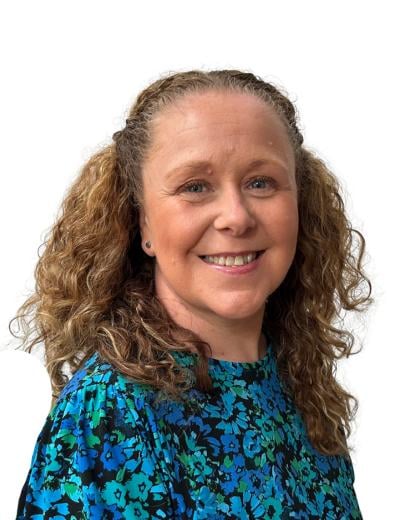
- In Person
- Online
- Either in person or online
Passion for Teaching and Leadership
With over a decade of experience supporting and teaching children and young people with special educational needs, I have worked across both primary and secondary settings, including SEMH schools and specialist provisions. My teaching spans a wide age range—from younger learners building foundational skills to teenagers developing independence and preparing for life beyond school.
Currently, I teach young people aged 16–19 with special educational needs, supporting them in English, Maths, Functional Skills, Science and History, while helping them build the confidence and practical skills needed for further education or employment. This role has deepened my ability to scaffold learning for students who may have gaps in their education or a history of disengagement.
In addition to teaching, I have led whole-school SEND initiatives as a Primary Lead—training staff, mentoring colleagues, and designing inclusive, accessible curricula. This experience has shaped my ability to create structured, nurturing learning environments where every student feels understood, valued, and capable of success.
I am committed to ongoing professional development, particularly in multi-sensory learning, trauma-informed practice, and emotional regulation strategies. By continually evolving my skills, I not only enhance student outcomes but also support colleagues in delivering effective, inclusive teaching across settings.
Tailored Support for a Range of Needs
Throughout my career, I have supported children and young people with a wide range of needs, including autism, PDA, ADHD/ADD, dyslexia, dyspraxia, global developmental delay, anxiety, sensory processing differences, SEMH challenges, and low self-esteem.
I understand that no two learners are the same. I take time to get to know each individual, adapting my teaching to suit their needs—whether through structured multi-sensory techniques, breaking tasks into manageable steps, or using interactive activities to boost engagement and retention. These personalised strategies drive academic progress while also developing confidence, independence, and emotional resilience.
Much of my work has focused on supporting students who have struggled in traditional school settings, particularly those with SEMH needs. I create calm, structured environments—whether in person or online—where learners feel safe, respected, and empowered to re-engage with education.
Positive relationships are at the heart of my practice. By building trust and responding to emotional needs with patience and empathy, I help students develop emotional regulation, self-esteem, and a renewed sense of belief in their ability to succeed.
Collaboration and Holistic Learning Approaches
I work closely with families, SENCos, social workers, therapists, and external agencies to provide coordinated, holistic support. Through strong partnerships and regular communication, I help ensure each student’s academic, emotional, and social development is supported in a well-rounded, coordinated way.
I contribute to EHCP reviews and suggest tailored interventions that align with each learner’s profile. I also guide families toward relevant resources and services to ensure ongoing support.
To promote focus and emotional regulation—especially for students with autism, sensory needs, or SEMH—I incorporate holistic activities such as peer massage, yoga, and mindfulness. These practices help students feel calm, centred, and ready to learn.
Dedicated to Making a Difference
I am driven by the belief that every child can thrive with the right support. My goal is to help each student become a confident, independent learner who enjoys their education and feels proud of their progress.
The heartfelt feedback I receive from families reflects not just the academic growth of the children I work with, but also the trust, confidence, and positive relationships we build along the way. I am committed to making a lasting, meaningful difference in the lives of the young people I teach.
- First Class BA (hons) Primary Education degree
- Qualified Teacher Status (QTS)
- A-levels in English Literature, Film Studies, Media Studies and Communication Studies
- Safeguarding Training
- Attachment Theory/Trauma Training
- Power of Reading/ Talk for Writing
- White Rose Maths
- Read, write Inc Phonics
- Yoga for children
- PRICE - Positive Behaviour Support Training
- Child Protection Training
- Prevent Training
- Autism Awareness
- PDA Training and strategies
- Dyslexia Awareness
- Understanding Diabetes
- Understanding ADHD
- National Professional Qualification for Leading Teaching (NPQLT) (Ongoing)
My teaching ethos is rooted in inclusivity, empowerment, and a holistic approach to education. I believe every child deserves a learning environment where they feel valued, supported, and inspired to reach their full potential. By tailoring learning experiences to each student’s strengths and challenges, I nurture confidence, independence, and a love of learning.
I am passionate about breaking down barriers to education through using adaptive, multi-sensory strategies, structured interventions, and student-led approaches. Integrating visual supports, assistive technology, and scaffolded learning ensures lessons are accessible, engaging, and meaningful. My goal is not only to develop academic skills but also to foster emotional resilience, problem-solving abilities, and self-belief, equipping students with the tools they need to thrive beyond the classroom.
Collaboration is at the heart of my teaching philosophy. I work closely with families, multi-agency teams, and professionals to provide a well-rounded, person-centred approach that meets each child’s needs. By prioritising student voice and engagement, I create a safe, nurturing space where learners feel empowered to take ownership of their education and develop a growth mindset.
Above all, I am committed to cultivating a positive, enriching educational experience that equips children with the skills, confidence, and motivation to succeed both academically and personally. Seeing students re-engage with learning, gain confidence, and surpass their own expectations is the driving force behind my dedication as a tutor.
- You want a tutor who understands your child’s unique strengths and challenges, providing personalised, inclusive sessions that nurture confidence and success.
- You’re looking for someone who goes beyond academics, helping your child build independence, resilience, self-belief and a love of learning that extends beyond the classroom.
- You value engaging, adaptable teaching methods that ensure lessons are interactive, meaningful, and tailored to how your child learns best.
- You appreciate collaboration, with a tutor who works closely with families and professionals to create a well-rounded, holistic support system.
- Your child has special educational needs and requires structured, supportive strategies to help them thrive in their learning journey.
- Your child struggles in school and needs a patient, understanding tutor who will empower them to overcome challenges and develop resilience.
- You want a calm, structured learning environment, particularly for children with SEMH, PDA or autism, where they feel safe, supported, and encouraged to grow.
- You need a tutor who truly listens, adapting lessons to ensure your child feels understood, respected, and motivated.
- You seek an experienced SEN specialist with a track record of success, helping children with diverse learning needs unlock their full potential and make meaningful progress.
- General Engagement, Confidence and Self Esteem
- Primary (Maths and/or English/Literacy)
- Secondary English (including GCSEs)
- Secondary Maths (Including GCSEs)
- Study Skills & Executive Functioning Skills
- Social Communication & Language Skills
- Functional Skills (English & Maths)
- Homework Support
- Primary
- Secondary
- Post 16
- Anxiety
- Autism
- ADHD & ADD
- Dyslexia
- PDA (Pathological Demand Avoidance)
- SEMH (Social & Emotional & Mental Health needs)
- Working Memory and Processing Needs
- Speech and Language Needs (including non-verbal)
- Dyscalculia
- DCD (Dyspraxia)
- Global Developmental Delay & Learning Difficulties
- Complex & Medical Needs (including Cerebral Palsy; Brain Injury; Epilepsy and other needs)
- Trauma/Abuse
- SEND (inc. disabilities)
I have a deep love for adventure and exploration, and my experiences traveling the world have shaped my outlook on life and my approach to teaching.
One of my most memorable experiences was spending a year traveling across the globe—skydiving, hot air ballooning over Uluru/Ayers Rock, diving in the Great Barrier Reef, and even appearing in a crowd scene in a Jim Carrey movie! I have rafted down white-water rapids in New Zealand, gone on a safari in Kenya, and visited incredible places like Hawaii, Singapore, and Fiji. Backpacking along the West Coast of America, from Las Vegas to San Francisco, further broadened my horizons. These adventures have enhanced my adaptability, resilience, and ability to connect with people—qualities I bring into my work as a tutor.
Personal Interests
Outside of teaching, I love spending time with my family and my two Australian Labradoodles, Ivy and Daisy. We enjoy long walks and discovering new places together, making the most of the outdoors. I also have a deep love of reading and enjoy exploring different genres and perspectives through books. As a mum, I understand the importance of creating meaningful learning experiences that inspire curiosity and confidence—whether in the classroom, through stories, or in everyday life.