NEW
April
Online
In-person
Joined 2026
New Mills
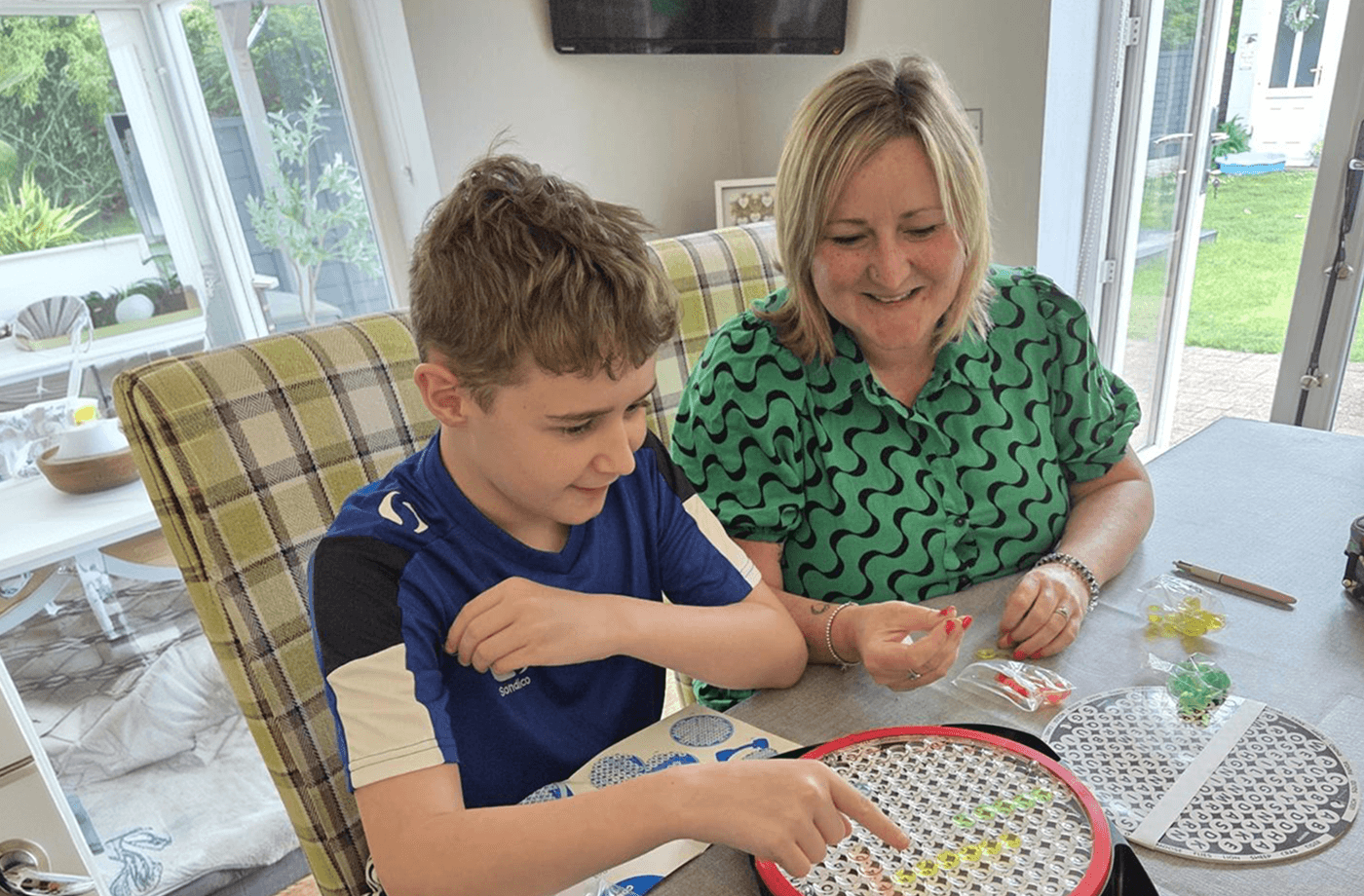
Once trust has been built, I love engaging students by designing lessons that build on their interests and allow them to demonstrate their strengths.
Usually responds in 12 hours
£100.00
per hour
Availability
Monday
10:00 - 16.00
Tuesday
10:00 - 11.00
Wednesday
10:00 - 14:00
Thursday
12:00 - 16:00
Friday
Fully booked
Saturday
09:00 - 12:00
Sunday
Fully booked
SEN Needs Specialisms
Anxiety
Autism
Dyslexia
PDA
SEMH
Working Memory & Processing
Trauma
I can help with...
Engagement & Motivation
Confidence & Self Esteem
Study Skills
Education Stages I support...
Secondary
Post 16
Locations I cover...
Derbyshire, Greater Manchester, Cheshire, Staffordshire, South and West Yorkshire
Enquire about tutoring with April
To get in touch with this tutor, just fill out our quick online enquiry form.
About me
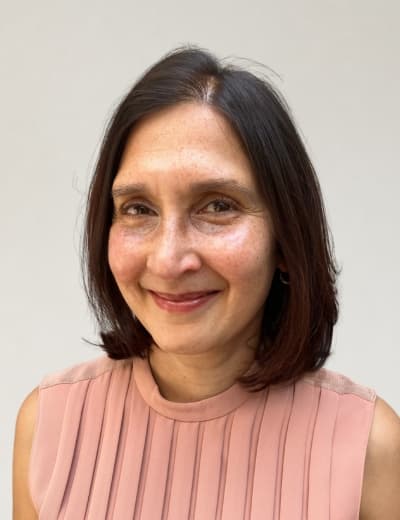
After 18 years in London schools, including three Head of English roles and a seven-year stint as an Assistant Principal, I moved to Derbyshire and began tutoring. I am absolutely passionate about working with teenagers: the challenges they present and the insight they offer mean no two lessons are the same.
I have a strong record of success in building relationships with children who have spent time outside formal education. And the first time a child, initially reluctant to engage, bounds down the stairs to open the door to you? That’s one of the most rewarding experiences in the world!
Skills & Experience
Teaching Philosophy
Every child is different, and every child deserves to learn in an environment in which their strengths are celebrated and their needs supported. I needed a very patient tutor to get me through my Maths at GCSE, and a Physics teacher who believed in me (even though it took me ten attempts to build a basic circuit that would power a lightbulb!). I love teaching because I love playing a part in building children’s confidence, and because I learn something new from my students every day.
Qualifications & Training
PGCE in Secondary English & QTS
MPhil Philosophy of Language
MA Philosophy
BA (Hons) English and Philosophy
Choose me if…
You are looking for a professional, patient, compassionate tutor who has 19 years’ experience in helping children to shine.
Something Sensational About Me
When I’m not teaching, I’m usually reading or writing – my flash fiction has been shortlisted for the Bridport Prize, and I am currently looking for a publisher for my debut novel. I also love the outdoors – hence the move from London to Derbyshire – and all animals (but particularly my cat, who would be deeply offended if he did not get a mention somewhere!).
Reviews
There are no reviews for this tutor yet
If you’ve worked with them, we’d love for you to share your experience
Enquire about tutoring with April
Fill out our quick and easy form to enquire about sessions with this tutor. Or if you’d like to look for more tutors, use our online Tutor Finder.