




Sorry, no records were found. Please adjust your search criteria and try again.
Sorry, unable to load the Maps API.
- In Person
- Online
- Either in person or online
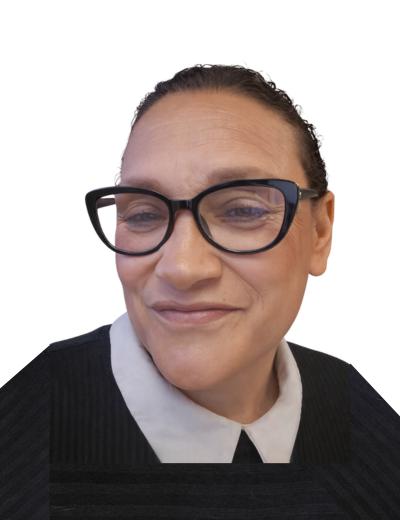
My approach is relationship-led and trauma-informed. I prioritise emotional safety, consistency and genuine connection, recognising that behaviour is often a form of communication. Through calm, predictable and compassionate practice, I support young people to feel understood and regulated, enabling them to re-engage with learning at their own pace and in ways that work for them.
I am highly skilled in adapting teaching to meet individual learning profiles. This includes supporting neurodivergent learners, Gestalt language processors and pupils with sensory or processing differences. I use structured routines, visual supports, interest-based learning and clear communication to reduce cognitive load and increase accessibility.
Alongside my teaching and leadership roles, I am a qualified psychometric assessor and educational consultant, enabling me to take a holistic, evidence-based approach to understanding need. This informs targeted support, appropriate adjustments and realistic goal setting, ensuring progress is meaningful and sustainable.
Above all, I am passionate about empowering young people. I focus on developing independence, confidence and self-belief, gradually reducing support and encouraging self-advocacy. My aim is not just academic progress, but helping each young person feel capable, valued and hopeful about their future.
I hold Qualified Teacher Status (QTS) and Qualified Teacher Learning and Skills (QTLS), alongside a BA (Hons) in Education and a Master’s degree in Inclusive Practice, providing a strong academic and practical foundation in inclusive education. I have also completed the National Professional Qualification for SENCO (NPQ SENCO), supporting my strategic and statutory leadership of SEND provision across complex settings.
I am currently undertaking doctoral (PhD) studies in Inclusive Practice, with a research focus on neurodiversity, inclusion and effective support for learners with SEND. This research-led perspective strengthens my reflective practice and ensures my work remains informed by current evidence and best practice.
I am a qualified psychometric assessor (CCET Level 7) and have completed ADOS-2 training, enhancing my understanding of autism assessment and enabling me to interpret assessment outcomes meaningfully to inform provision. I also hold CELTA and TESOL qualifications, which support my work with learners who have speech, language and communication needs.
Alongside formal qualifications, I have extensive experience working collaboratively with Speech and Language Therapists (SaLT), Occupational Therapists (OT), educational psychologists and wider health professionals. I regularly translate specialist recommendations into practical, classroom-based strategies and ensure joined-up, child-centred support.
In my role as a SENCO and educational consultant, I have also worked closely with local authorities, contributing to EHCP development, annual reviews and SEND tribunals. I am confident presenting evidence, liaising with professionals and families, and advocating effectively to ensure provision reflects the child or young person’s needs.
I remain committed to ongoing professional development and collaborative practice, ensuring support is ethical, coordinated and focused on positive outcomes for children and young people with SEND.
My teaching philosophy is rooted in inclusion, relationships and respect for the individual. I believe that learning can only happen when a child or young person feels safe, understood and valued. Many of the pupils I work with have experienced anxiety, trauma or repeated barriers to education, so my first priority is always to build trust and create a calm, predictable environment where they can begin to re-engage at their own pace.
I view behaviour as communication and approach challenges through a trauma-informed, neurodiversity-affirming lens. Rather than focusing on compliance, I seek to understand the underlying need and respond with empathy, structure and flexibility. I adapt my teaching to each learner’s profile, recognising that progress looks different for every child and that development is not linear.
I believe in personalised, meaningful learning that builds on strengths and interests while reducing unnecessary cognitive and sensory load. I combine clear routines with creativity, modelling and scaffolding to support confidence and independence.
Ultimately, my goal is to empower young people to believe in themselves. I want learners to leave sessions feeling capable, heard and hopeful, with the skills and self-belief they need to move forward both academically and emotionally.
Choose me if you want someone who truly takes the time to understand your child, not just their diagnosis. I prioritise trust, emotional safety and connection, especially for children and young people who may feel anxious, overwhelmed or disengaged from learning.
Choose me if you value a calm, patient and flexible approach that adapts to your child’s needs on the day, while still providing structure and gentle direction. I understand that progress is not always linear, and I celebrate every step forward, no matter how small.
Choose me if your child is neurodivergent and needs support that is respectful, trauma-informed and genuinely inclusive. I have extensive experience supporting autism, ADHD, anxiety, speech and language needs and complex emotional profiles, and I work in ways that reduce pressure rather than increase it.
Choose me if you want someone who works collaboratively with families and professionals, communicates clearly and advocates confidently for your child. Above all, choose me if you want your child to feel safe, capable and hopeful again — because that is always my ultimate goal.
- General Engagement, Confidence and Self Esteem
- Primary (Maths and/or English/Literacy)
- Secondary English (including GCSEs)
- Secondary Maths (Including GCSEs)
- Study Skills & Executive Functioning Skills
- Social Communication & Language Skills
- Functional Skills (English & Maths)
- Homework Support
- Early Years
- Primary
- Secondary
- Post 16
- Adult
- Anxiety
- Autism
- ADHD & ADD
- Dyslexia
- PDA (Pathological Demand Avoidance)
- SEMH (Social & Emotional & Mental Health needs)
- Working Memory and Processing Needs
- Speech and Language Needs (including non-verbal)
- Dyscalculia
- Global Developmental Delay & Learning Difficulties
- Complex & Medical Needs (including Cerebral Palsy; Brain Injury; Epilepsy and other needs)
- Trauma/Abuse
- SEND (inc. disabilities)
Something special about me is the genuine care I bring to my work. I am deeply passionate about SEND and driven by a desire to make a meaningful difference in the lives of children and young people who may have felt overlooked, misunderstood or let down by education. I don’t see this as just a job — it is a commitment to advocacy, inclusion and possibility.
Alongside my professional expertise, I bring warmth, creativity and approachability. I love being creative and often use this in my work to make learning engaging, practical and accessible. My enjoyment of DIY means I’m comfortable thinking flexibly, problem-solving and adapting resources to suit each child. I also have a real love for animals, which often helps me build rapport with young people who connect more easily through shared interests or gentle conversation.
What truly sets me apart is my ability to blend evidence-based practice with humanity. I work with compassion, curiosity and optimism, always believing that with the right support, every young person can grow in confidence, independence and self-belief.
- In Person
- Online
- Either in person or online
My experience of working with pupils who have dyslexia
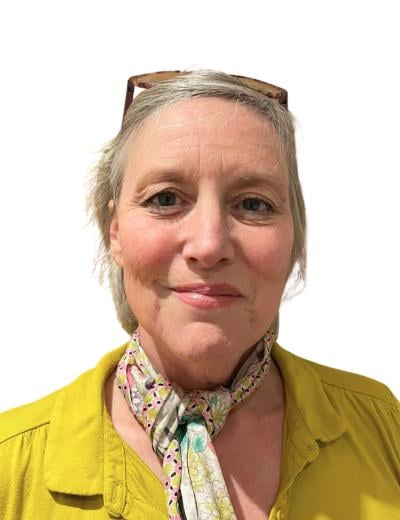
As an English specialist, I have supported many pupils who have dyslexia and understand the challenges they face. I use structured, multisensory techniques to help them decode text, build fluency in reading and writing, and develop confidence. By breaking tasks into manageable steps and tailoring strategies to their strengths, I create a supportive environment where pupils feel capable, motivated, and increasingly successful in their learning. In addition to teaching English, I’ve also worked for many years as a GCSE and A level examiner, an experience that has equipped me with the knowledge of how to really hone in on how to achieve the best results possible.
My experience supporting pupils experiencing anxiety and wider SEMH difficulties
I have worked with many young children who experience significant anxiety and wider SEMH needs, including those who struggle with emotional regulation, confidence, or forming trusting relationships. My first priority is always to understand what your child is feeling and to acknowledge these experiences as completely real and valid, never dismissed or minimised. From this foundation of trust, I create a calm, predictable, nurturing space where your child feels truly seen and safe to engage. Sessions move gently at their pace, using co-regulation, play-based and interest-led activities, low-pressure tasks, and clear routines to reduce overwhelm. By focusing on connection first, we build resilience and coping skills step by step, ensuring learning feels achievable and empowering while confidence grows in small, meaningful ways.
My experience of working with pupils who have ASD
Throughout my tutoring and teaching career, I have worked extensively with pupils who have ASD, and over the past eight years I have developed deeper expertise through roles in alternative provisions as well as working as a 1:2:1 tutor. These experiences have strengthened my understanding that every learner with ASD has needs unique to them, and that a flexible, individualised approach is essential.
I prioritise creating a safe, predictable environment from the very first session, building strong relationships with both pupils and their families to ensure a collaborative home-school partnership. My practice focuses on reducing anxiety through strategies such as offering choice, using low-pressure tasks that appeal to the individual, incorporating interest-led activities, and supporting co-regulation. We work, in particular, on developing communication as this is both the foundation to all other learning as well as a way of giving pupils a sense of success. Sessions are dynamic and responsive so that pupils’ needs are met at every stage, while we work together to remove barriers step by step and celebrate small wins.
I also provide structured, multisensory support in reading, writing, and numeracy, carefully adapted to address processing and working-memory challenges.
My experience of working with pupils who experience ADHD and ADD
Alongside my work with pupils who have ASD, I have extensive experience supporting learners with ADHD or ADD, including many who present with a combination of ASD and ADHD. These dual diagnoses often require a highly flexible and responsive approach, as pupils may experience both sensory sensitivities and challenges with attention and impulse control.
One effective strategy I use is breaking tasks into short, manageable steps with clear visual cues, combined with movement breaks and interest-based activities. This approach helps maintain focus while reducing overwhelm, and it supports self-regulation by allowing pupils to reset before continuing. By embedding choice and predictability into sessions, I create an environment where pupils feel safe, engaged, and able to succeed.
My experience supporting pupils with Communication & Language difficulties
I have supported many EYFS children who find communication challenging, whether due to delayed speech, limited expressive language, or difficulties understanding instructions. My sessions focus on building strong foundations through play-based, interactive activities that encourage natural communication. I use visual supports, modelling, repetition, and child-led dialogue to create a pressure-free environment where your child can explore language confidently. By celebrating every attempt and giving plenty of opportunities for success, children begin to communicate with greater ease, supporting not only their learning but also their self-esteem and ability to connect with others.
My experience of working with pupils who have PDA
I have supported pupils with Pathological Demand Avoidance (PDA), where reducing anxiety and maintaining trust are central to effective learning. My approach focuses on creating a collaborative, non-confrontational environment by embedding choice and flexibility into every session. I use indirect language, low-demand tasks, and interest-led activities to reduce perceived pressure, while prioritising co-regulation and emotional safety. Building strong relationships with pupils and families is key, ensuring that strategies are consistent and supportive across home and school settings.
My experience of working with pupils who have sensory and auditory processing needs
I have supported many pupils with sensory processing challenges, often alongside ASD and ADHD. A key strategy I use is creating a low-stimulation environment and offering sensory breaks with calming tools such as weighted cushions or fidget items. This helps pupils regulate their sensory input, reducing anxiety and improving focus so they can engage more effectively in learning tasks.
My experience of working with pupils who have GDD
I have extensive experience supporting children with Global Developmental Delay, and my approach is grounded in patience, gentle encouragement, and a genuine belief in every child’s potential. I focus on what can be achieved rather than what can’t, taking time to understand each learner’s strengths so that we can build on them together. Progress for pupils with GDD is often steady and gradual, so I create a calm, reassuring learning environment where they feel safe to take risks and practise new skills at their own pace. I break tasks down into small, achievable steps and offer consistent praise to nurture confidence and motivation. My sessions are flexible, responsive, and shaped around the child’s individual abilities, ensuring that every moment feels manageable, positive, and meaningful as we work towards secure, lasting progress.
My experience supporting pupils with sensory seeking and sensory avoidance needs
Many of the children I work with experience sensory sensitivities or sensory-seeking behaviours, and my approach is shaped around helping them feel regulated and comfortable before any learning begins. I carefully adapt activities using a multisensory, child-led approach, offering movement breaks, tactile resources, and a low‑pressure environment where your child’s needs guide each moment. By reducing sensory overload and building predictable routines, children are better able to focus, participate, and enjoy learning. My aim is always to help your child feel safe in their body so they can thrive emotionally and academically.
My experience of working with pupils who have complex needs, including medical needs
I have worked with pupils whose learning is impacted by complex needs, including medical conditions requiring tailored care and planning. I understand the need to follow all medical advice and procedures, and my experience has strengthened my ability to adapt sessions around health requirements, fatigue, and sensory sensitivities, while maintaining a calm, predictable environment. I collaborate closely with families and professionals to ensure safety and continuity, and I use highly individualised strategies to balance academic progress with wellbeing. My practice is rooted in flexibility, empathy, and clear communication, so pupils feel secure and supported at every stage.
In Summary
My experience to date has taught me the need to ensure tailored support is provided for each learner so that they can achieve to the best of their ability. I build strong relationships not just with children, but with their families, and I prioritise safety, predictability and genuine care from the first session. I’m skilled at reducing anxiety by using choice, low-pressure tasks, interest-led activities, and co-regulation, and my sessions are dynamic to ensure that my learner’s needs are met every step of the way. In collaboration with learners, I remove barriers step by step and celebrate small wins. I also provide structured, multisensory reading, writing and numeracy support, adapted for processing and working-memory needs.
Typically, I will use a range of strategies and pedagogies, such as:-
- Numeracy and Literacy: use of kinaesthetic materials as well as visual activities, such as art and drawing
- GCSE English (Language or Literature): anxiety-aware pacing, guided annotation of set texts, scaffolded paragraph building, and practice papers with calm coaching
- Reading and Writing Support: multisensory phonics, sentence construction vocabulary games, dictation-to-composition bridges, and interest-led prompts
- Executive Function Boost: visual schedules, chunked tasks, movement breaks, and co-created checklists that learners can reuse independently
- Life Skills, PHSE and Communication Skills: practical based sessions, with use of PECs and Social Stories to support
Please note that all sessions, whilst prepared in advance, are dynamic to suit the specific needs of each individual learner during that particular session. I have found that my dynamic, flexible approach to sessions enables the building of positive relationships and builds self-esteem.
- MA Creative Writing
- BA Hons Combined (English Literature, Language and Communication)
- PGCE Secondary
- Certificate in Understanding Autism
- Safeguarding (children and vulnerable adults)
I strongly believe that learning works best when sessions are dynamic and engaging, and when the tutor is kind and patient. I start with what the learner already likes - their interests, strengths, sensory preferences - then build challenge gradually. My principles: 1) Relationship first – trust, communication and emotional safety enable learning. 2) Strength-based – notice success; grow confidence; pace carefully. 3) Flexible and creative: adapt in the moment; reduce demands when needed; co-design goals with the learner and family. 4) Independence – scaffold now, fade support later; celebrate success and self-advocacy.
· Your child needs a tutor who is patient and who focuses on what can be done rather than what can't.
· You are looking for someone who is prepared to learn as well as teach.
· You need someone who truly understands that sessions need to be adapted dynamically to your child’s unique needs.
· You want someone who will build trust and positive relationships, with a focus on developing communication and reducing anxiety.
· You want sessions that are flexible, creative, and interest-led, not rigid or one-size-fits-all.
· You value a tutor who prioritises relationship first, celebrates small wins, and scaffolds independence step by step.
· You’re looking for someone experienced with Global Development Delay, Autistic Spectrum Disorders, Attention Deficit Disorders and a vast amount of experience of working with pupils who experience anxiety and wider SEMH difficulties.
· You want clear, practical communication and ideas that support both home and school.
· You believe learning should feel safe, positive, and empowering, never pressured or critical.
- General Engagement, Confidence and Self Esteem
- Primary (Maths and/or English/Literacy)
- Secondary English (including GCSEs)
- Study Skills & Executive Functioning Skills
- Social Communication & Language Skills
- Functional Skills (English & Maths)
- Homework Support
- Other (please provide details when contacting us)
- Early Years
- Primary
- Secondary
- Post 16
- Adult
- Anxiety
- Autism
- ADHD & ADD
- Dyslexia
- PDA (Pathological Demand Avoidance)
- SEMH (Social & Emotional & Mental Health needs)
- Working Memory and Processing Needs
- Speech and Language Needs (including non-verbal)
- DCD (Dyspraxia)
- Global Developmental Delay & Learning Difficulties
- Complex & Medical Needs (including Cerebral Palsy; Brain Injury; Epilepsy and other needs)
- Trauma/Abuse
- SEND (inc. disabilities)
- Other SEN
When I’m not tutoring, you’ll often find me caring for pets. I volunteer as a pet sitter and also hold a dog boarding licence, so animals are a big part of my life. I love the outdoors and spend as much time as possible walking, exploring nature, and enjoying fresh air. This balance keeps me grounded and energised, which I bring into my sessions. Whether it’s building trust with learners or creating calm, positive spaces, my love for animals and nature reflects my approach: patient, nurturing, and adaptable. I believe learning should feel safe, just like home.

- In Person
- Online
- Either in person or online
My specialist experience working with young people with SEN to develop their engagement, trust and interest in learning;
As an educator who has had experience in Secondary Education, FE and HE I have been used to accommodating and making provision for SEN pupils and students and working with support staff to ensure that these students have the provision they need to maximize their own potentials and develop and engage in subjects and learning. I have taught a variety of students over this period, who are all very individual and need a tailored approach and consideration for their capabilities, interests, personalities and SEN. I always like to start with very soft skills introductions and use this opportunity to discover the student’s interests, prior knowledge, skillset, ability level, want, needs and aims, so that I can gauge from what and how they would most benefit from my expertise. Though I always plan and structure each session according to the all the individual factors, I am very aware the need to keep this very flexible and adaptable in order to meet the needs of the moment, the student, and the ever-changeable elements of the session, day or the longer program.
- My experience working with autistic young people;
During the last 4 years of my teaching practice however, I have specifically taught autistic students on a 1 to 1 basis. This period has been the most rewarding of my teaching profession to date and I feel I have learned much myself with regard to Autism, ADHD, PDA and SEMH and developing strategies that make for conducive learning environments and fun and interesting creative projects which help students relax, focus, engage and enjoy learning in and of itself.
I have taught students with autism and SEN to various levels during the last 4 years. Each has been very individual, have their own specific needs and aims and I have adapted the subject matter, levels and delivery style accordingly for each.
Obviously, the level of individual ability and experience regarding their creative practice and understanding of subject differs for each student and so pace and ‘over the shoulder’ support needs to be ascertained early on so that the student feels independent enough n their work, but supported, inspired and guided throughout. This is crucial for the student to keep interest and engagement while also developing confidence and independence.
- My experience working with young people with PDA;
Regarding the students with PDA, I always use strategies to avoid conflict and bring instruction or direction in gently and ‘softly’, often talking around the creative ideas and learning and allowing the student to absorb possibilities, discuss options and even suggest the way forward themselves. Patience is key and planning and routine help with the calmness of sessions and I usually try to have visual guides to our aims, goals and sessions on the wall, printed and at hand or available to be referenced on screen. Monitoring the student and pupil is important to constantly reassess if the session’s demands need to be adjusted or scaled back. Often, I will have background music playing of the students choosing to help create a relaxing space. Avoiding direct instruction and using more indirect phrases can help avoid conflict situations and giving choices allows the sense of creative ownership for the student.
- My experience working with young people with ADHD;
Regarding the students with ADHD, I use a personalized response the student for each session to accommodate how the student is feeling and acting. I find having a structure to work towards is useful but with the ability to be flexible depending on the needs of the moment and the student. Structured lesson plans are useful to offer routine and an overarching curriculum with previews of the work we will be undertaking. Reminders of aims and goals help students and repeating instructions and targets and using visual guides for this works well too to support the students. Variety and short sections help but with the flexibility to continue on work that the student has become engaged with. In session I use frequent breaks, background music that is student led and suitable, reviews and praise and encouragement and discussion.
- My experience working with young people anxiety;
In the sessions I run, we always strive to break the time into manageable blocks and always with the proviso that if the pace is too much or concentration is lapsing, we can break, change focus, rest or even go outside, talk or just have some downtime. The sessions need to be fun and enjoyable. This is key. Finding a topic or subject that the student/pupil is interested in as a project’s focus is a great way to motivate learning and keep attention and enthusiasm, though this ‘focus’ still needs to be able to adapt and change as necessary.
- Social skills/social interaction/friendship skills;
During my sessions with my students I have encouraged collaborative working with other students and socializing during break times. This has included myself and other tutors escorting students over lunch break where they have socialised and developed friendships with peers as well as us all enjoying dialogue, conversation and discussion including likes, interests and more general topics. We also encouraged the development of basic practical social skills such as ordering food and drinks, payment and supervised this as the students became more confident and independent.
Many of the strategies included above form routine parts in my sessions when I teach pupils/students how to animate, design and create digital content, images, digital games and animation. There are various cross-over strategies used and applied, but each student is individual and the sessions are always about working specifically to the needs of the student with the goal of building their confidence, social abilities and specific subject related skills and knowledge while encouraging their interests. Holistically this works towards helping them to become creative, happy, confident and positive individuals.
Currently one of my main students, who I have been teaching digital skills to for 4 years now, has been nominated for the prestigious Anna Kennedy Autism Hero Awards, which I see as a mark of how inclusive education, patience, space and a passion for creative digital design can elevate any student and their sense of self-worth.
- Post Graduate Certificate of Education in Applied ICT with QTS
- First Class BA (Hons) Multimedia Design and Digital Animation
- HND (Distinction) in Multimedia Design
- Regular ASC & SEN/D CPD, delivered through college,
- 2D Graphics: Photoshop, Procreate, Illustrator, InDesign.
- 3D Modelling, 3D printing and 3D Animation: 3D Studio Max, Blender.
- Games Design – Unreal Engine and Unity
- Video and audio editing: After Effects, Premiere, Audacity, ToonSquid.
- Storyboarding skills & cinematographic flair.
- Interactive: Animate, Flash, Dreamweaver, Muse, Spark, WordPress, Character CC.
I returned to education myself as a mature student after running my own business for years and found this to be one of the most rewarding periods of my life. During this time as a student, I was asked to teach the year below my own on the BA hons course I was taking and discovered my passion for teaching. After qualifying as a design practitioner, I found that I wanted to return and train formally as an educator to understand, practice and develop the skills needed.
Education for me is an exchange. I have learned as much through the process of teaching as I hope my students and pupils have under my guidance. Passing on or unlocking skills and knowledge is obviously important in any education, but equally so is helping students learn how to learn themselves, develop the ability of how to communicate effectively to others, problem solving and how to express themselves and their own ideas clearly.
This expression might be verbal or visual, but giving them the toolset do this with confidence is the reward of education as a teacher. Using the processes of animation, moving image or static design and digital technology is a natural way to connect many students to the creative process in today’s world. Watching their confidence and self-esteem rise along with their independence as they learn and create is the success of it all for me.
... you want someone who will work with all parties, listen, be patient, support and encourage your child to find their own voice of expression through learning, practicing and creating.
- General Engagement, Confidence and Self Esteem
- Social Communication & Language Skills
- Other (please provide details when contacting us)
- Secondary
- Post 16
- Adult
- Anxiety
- Autism
- ADHD & ADD
- PDA (Pathological Demand Avoidance)
- SEMH (Social & Emotional & Mental Health needs)
I have a Standard Poodle, a ridiculously large 1950’s American car, I play double bass in my own band which I manage, but also tour and record with and for other local artists such as Richard Hawley and Jarvis Cocker.
Design and creativity have always been an integral part of my life and has been a constant ‘soul-food’. This year one of my students, who struggled badly in their former educational system, has been nominated for the prestigious Anna Kennedy Autism Hero Awards Due to her achievements and progression. I see this as a mark of how truly inclusive education coupled to a passion for creative digital design can nurture and elevate any student and help them manifest their potential. I have a number of accolades, which I am very proud of. For example I was a finalist in the BBC New Talent (Animation) (2005) and received the Adult Learner Award (2004).
- In Person
My experience developing trusting and meaningful relationships.
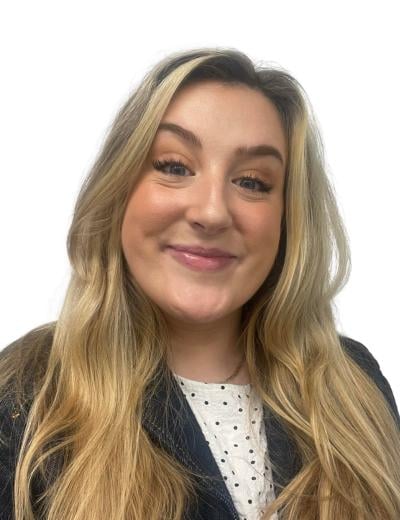
I believe tutoring is all about building strong, trusting, and supportive relationships with young people to cultivate a learning environment that is comfortable and suited to their needs; so, they can grow, not just academically but socially as well. Developing trust is a long process, I am always calm, kind and patient – and don’t worry - nothing with shock me and nothing will offend me! Creating relationships through non-academic activities can be important to develop social confidence – at SEMH primary I would join Forrest Schools once a week, outdoor nature walks offer a holistic and enriching experience for children with autism; from sensory stimulation and physical exercise to cognitive development and emotional regulation, having fun with the students doing something practical provides a nurturing and inclusive environment for their growth and development.
My experience to boost their confidence and self-esteem.
When I have taught SEMH Primary, I specialised in teaching nurture groups and creating a positive and supportive learning environment. Many students had lower levels of Maths and English than their age group, I would use intervention time to support with phonics, arithmetic, and writing (using social stories to encourage a positive attitude towards difference), using creative ways to engage them. Many of these students have a lack of self-confidence and see themselves as ‘failing’. I have done years of work with these students and learnt how to build their confidence back up. This is usually through building a trusting relationship and using Carol Dweck’s research into the ‘Growth mindset’. I have seen my students build confidence, not only in their schoolwork but socially as well! Which is always a joy to see!
My experience providing engaging sessions to inspire a love of learning.
As a class teacher, I love when I can provide specialist 1:1 support for my students – this is one of the reasons why I wanted to tutor. I feel 1:1 sessions are integral to a young person’s world of learning, all of my sessions are built around your young person, providing support they needs and zoning-in on their specific interests. I have used: music therapy, sensory play, art projects and storytelling to encourage communication development. Tracking progress, and celebrating 'little wins' is so important so your young person can take ownership over their learning, and see their own development!
My specialist experience supporting young people to develop their independence.
I work with young people day-to-day with SEN needs; I work with them to develop independence in social skills, creating friendships, and develop tools to help with mental wellbeing. By providing scaffolded support, giving young people choices, using assisted devices, setting goals, providing challenge/competition, and celebrating progress! This is one of the favourite parts of my job – young people doing things they never thought they could do!!
I found Sensational Tutors probably in the same way you did; searching for a way to bridge gaps outside of the classroom, to build confidence in our young people and facilitate a love of learning. I genuinely adore what I do, I put all my heart and soul into supporting the young minds I teach. There is no one size fits all in teaching, I have always created a picture of my students needs and ambitions quickly, developing resources made just for them and their interests.
I am a fun, caring and passionate experienced English teacher with QTS, I have experience teaching; GCSE syllabus, A level syllabus, functional skills, nurture groups and have specialised in teaching students with SEND and SEMH needs. I have a strong belief in continuous learning, as I hope you can see from my academic profile and personal developments. In my teaching career I have specialised in working with students with ADHD, PDA, SEMH and autism. I am always researching and updating myself on the most recent research in teaching pedagogy to support my students in the best way possible.
I have taught in SEMH Primary and Secondary Schools, and I have spent the last few years teaching GCSE resit in colleges across Yorkshire. I try to cultivate a way to support each and every student’s individual needs to support their learning. I use specific resources that I create for each student so they are able to access the work. I support students through challenges to learning and I try to find what's stopping them from progressing or accessing the learning. I investigate their prior knowledge and look for gaps in their learning – I feel targeted revision really works for seeing progress.
- PGCE (Secondary English) with QTS
- MA English Literature
- BA HONS Public Relations
- Autism Awareness Course
- Re-sitting GCSE's and SEND links - Research talk by University of Manchester
- Doncaster Deaf Trust training
- Safeguarding Level 3 - Designated Safeguarding Officer
- EHCP Review training
I haven’t always been a teacher; I completed a master’s degree to eventually go into to academic research as university level. I decided to complete a PGCE in Secondary English because I wanted to learn how to best support my students when lecturing my subject. This was the best decision I ever made, I never could have predicted the love, joy, gratitude, and pride that I would feel when supporting these young people. I did my PGCE training in an All-Boys SEMH Secondary school… during covid…while it seemed the world was falling apart around us, I was there with some of our most vulnerable young people, many in care or unsafe homes; this was their safe place and that’s exactly how I decided what kind of teacher I would be.
I feel learning best takes place when all the students’ needs are met; when they are comfortable, safe and with people they trust. This means they can be completely themselves and explore their ambitions and interests with support around them. I also believe a lot of fun, and laughter adds a lot to learning too!
Choose me if you would like a caring, fun, chatty, reliable, and kind tutor who will always put the needs of your child first. Our tutoring sessions will hopefully become part of your young person’s routine, which helps them grow and learn.
- General Engagement, Confidence and Self Esteem
- Primary (Maths and/or English/Literacy)
- Secondary English (including GCSEs)
- Study Skills & Executive Functioning Skills
- Functional Skills (English & Maths)
- Homework Support
- Primary
- Secondary
- Post 16
- Anxiety
- Autism
- ADHD & ADD
- Dyslexia
- PDA (Pathological Demand Avoidance)
- SEMH (Social & Emotional & Mental Health needs)
- DCD (Dyspraxia)
- SEND (inc. disabilities)
- Other SEN
I am a happy, calm, and fun teacher. I love working with young people and always try and make it fun with some laughter! In my spare time I am a dog sitter, which I have been doing for a few years now and it brings me so much joy! I run most days and love being outside either running around the city or taking time to drive out to do some trail running. I am an avid climber and mostly recently climbed to the Summit of Ben Nevis; with the hopes of working towards climbing mountains around world under 8000 Meters. I also love teaching and support young people find their passions, while also finding inner confidence in their work!

- In Person
- Online
- Either in person or online
I have extensive experience supporting secondary-age pupils with a wide range of Special Educational Needs and Disabilities, both in mainstream education and one-to-one provision. My specialist areas include autism (including PDA), ADHD, speech and language needs, working memory difficulties, sensory and auditory processing needs, anxiety, trauma, and SEMH.
My work is grounded in the belief that meaningful progress begins with trust. I specialise in establishing calm, consistent learning environments, particularly for pupils who are disengaged, anxious, or currently out of education. I maintain high expectations alongside a clear understanding that readiness to learn develops at different rates.
Autism, Anxiety, and Emotional Regulation
I have significant experience supporting autistic pupils and those with complex anxiety profiles. My approach prioritises predictability, reduced sensory load, and clear lesson structure. Visual scaffolding, explicit modelling, and carefully sequenced tasks are used to support comprehension and enable pupils to engage confidently with challenging material, including GCSE-level texts.
Lessons are designed with a clear understanding of each pupil’s tolerance for change. Routine and preparation are used to build trust and emotional safety, supporting sustained engagement over time.
ADHD, Working Memory, and Attention Needs
When working with pupils with ADHD or working memory difficulties, I focus on clarity, structure, and momentum. Tasks are broken into manageable stages with clear goals and regular feedback.
I use visual supports, checklists, and repetition strategically, while reducing cognitive overload and unnecessary multitasking. Independence is developed gradually through scaffolded practice.
Speech, Language, and Communication Needs
I have extensive experience supporting pupils who find it difficult to articulate ideas, organise responses, or interpret implicit meaning in texts.
My approach includes:
-
explicit modelling of analytical responses
-
structured, step-by-step skill development
-
visual prompts to support inference and writer’s methods
-
chunking and reordering texts to aid understanding
This enables pupils across the full GCSE grade range (1–9) to make sustained progress.
SEMH and Mental Health Needs
I have worked extensively with pupils with SEMH needs in both mainstream and specialist contexts. My approach is calm, consistent, and relational, with a strong emphasis on emotional safety, clear boundaries, and personalised support.
Where appropriate, I incorporate grounding strategies to support emotional regulation. In all cases, maintaining stability, safety, and engagement is the priority.
Subjects and Curriculum Experience
I have taught the following subjects at secondary level:
-
English Language and Literature (AQA, WJEC, iGCSE)
-
Media Studies (AQA)
-
ICT (AQA, BTEC)
-
Computer Science (AQA)
-
Business Studies (AQA, BTEC)
Prior to specialising in English, I taught ICT for six years, including graphic and web design, office applications, and introductory programming (Scratch, Python, HTML).
Independence, Confidence, and Engagement
A central aim of my work is to develop independence, confidence, and a realistic sense of capability.
Pupils are given structured choices to promote ownership, while scaffolding is gradually reduced at an appropriate pace. This supports sustained engagement and long-term progress.
- Qualified Teacher Status (QTS)
-
PGCE Secondary ICT – Sheffield Hallam University
-
BA (Hons) English Studies (2:1)
-
NPQML – National Professional Qualification for Middle Leadership
Teaching Experience
-
Over 10 years’ experience teaching at secondary level in mainstream and private settings
-
Subjects taught include:
-
English Language and Literature
-
Media Studies
-
ICT
-
Computer Science
-
Business Studies
-
Safeguarding and SEND Training
-
Safeguarding Children (Levels 1, 2, and 3) – CPD Certified
-
Autism Awareness – Level 2 CPD Certification
-
Working with Children with SEND – Level 2 CPD Certification
-
PREVENT Awareness – Level 2
Additional Certifications
-
Food Safety and Hygiene – Level 2
I maintain high expectations while working in a calm, patient, and empathetic manner. My teaching is grounded in the belief that pupils make meaningful progress when they feel emotionally safe, understood, and respected. Establishing trust early is a priority, particularly for learners who have previously struggled within educational settings.
I create structured, low-pressure learning environments where pupils can engage without fear of failure. This is especially important for those who have experienced anxiety, disengagement, or repeated difficulty in school. A consistent, predictable approach enables pupils to feel secure enough to participate and sustain engagement over time.
My teaching emphasises reflection, dialogue, and incremental progress. Pupils are supported to understand how they learn, respond constructively to feedback, and build confidence through achievable steps. Academic development is closely linked to self-belief and independence, both of which are developed alongside subject knowledge.
My aim is for every pupil to leave sessions more confident, more engaged, and better equipped to approach future learning with increasing independence.
I am particularly well-suited to supporting pupils with additional learning needs, including autism, ADHD, anxiety, SEMH, and complex profiles where traditional approaches have not been effective.
My work is most effective with pupils who require a highly personalised, structured, and calm approach in order to engage with learning. This includes those who are disengaged, anxious, or currently unable to access mainstream education.
I provide consistent, relationship-led support that prioritises emotional safety alongside academic progress. Pupils are supported to build confidence, independence, and resilience in a way that is sustainable over time.
I work closely with parents, carers, schools, and Local Authorities to ensure clarity around provision, communication, and progress. This joined-up approach is particularly effective for pupils with long-standing or complex barriers to learning.
This provision is best suited to families and professionals seeking specialist, structured support with a clear focus on sustained progress and long-term outcomes.
- General Engagement, Confidence and Self Esteem
- Primary (Maths and/or English/Literacy)
- Secondary English (including GCSEs)
- Study Skills & Executive Functioning Skills
- Social Communication & Language Skills
- Functional Skills (English & Maths)
- Homework Support
- Other (please provide details when contacting us)
- Primary
- Secondary
- Post 16
- Adult
- Anxiety
- Autism
- ADHD & ADD
- Dyslexia
- PDA (Pathological Demand Avoidance)
- SEMH (Social & Emotional & Mental Health needs)
- Working Memory and Processing Needs
- Speech and Language Needs (including non-verbal)
- DCD (Dyspraxia)
- Trauma/Abuse
- SEND (inc. disabilities)
Outside of my professional work, I have a strong interest in music. I play acoustic guitar and continue to develop my skills through regular practice and study of music theory. Music provides a valuable creative outlet and a way to focus and reflect.
I also have a background in professional cooking, having previously run a British Indian restaurant cooking school. Cooking remains an important part of my life and reflects qualities I value in teaching: patience, structure, and attention to detail.
I am a parent to two children, and family life is central to who I am. Supporting their curiosity and confidence reinforces my belief that learning is most effective when it feels natural, engaging, and low-pressure.
I enjoy board games and digital games such as Minecraft and Roblox, which often provide useful shared reference points when building rapport with young people.
I spend a great deal of time outdoors, particularly walking and observing wildlife. This helps me maintain a calm, grounded approach that carries through into my work with pupils.
- In Person
- Online
- Either in person or online
My specialist experience of working with children with SEN in developing a trusting relationship.
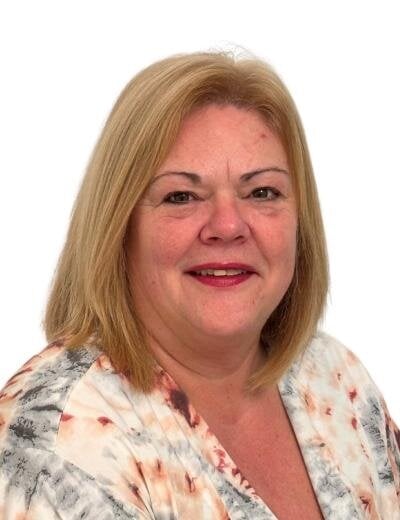
Working at the same secondary school for my teaching career, I very soon realised that my specialism was in teaching students with a wide variety of additional needs. From pupils that needed support with reading, writing or specialised equipment to those who were at risk of exclusion, I have always managed to build up good relationships with pupils enabling them to feel at ease to ask for the right support they need to succeed in every lesson.
My experience of teaching autistic young people
Throughout my time as a teacher, I have worked with many children with Autism, each presenting different behaviours such as taking things very literally, the need to be spoken to in a calm and clear manner, requiring short breaks in tasks and needing support with writing to avoid sensory overload to name a few. Getting to know the student prior to teaching, their likes and dislikes and showing a general interest in them, goes a long way to getting the maximum out of the learning.
My experience of teaching students with Dyscalculia
Strategies I use to support children with dyscalculia, in a face-to-face lesson I would use manipulatives and break questions down into smaller steps. For online lessons, using bar modelling to support understanding and encouraging them to use a ruler to break down long wordy GCSE questions.
My experience of teaching students with PDA
As with all SEND needs the relationship between student and tutor is the key. When working with students with PDA, I find hiding a task in another subject can get a similar outcome and also enable reference to the activity when doing exam work. A good example of this would be baking, this would involve several topics including reading scales, metric units along side ratio and proportion.
My experience in teaching young people with Anxiety
As a teacher of the lower sets in school most of the students I teach have some form of anxiety often linked to maths. A lot of the worry comes from thinking they aren’t any good at the topic. To overcome this, I would teach a child a topic and then do weekly recaps so they retain the information and hence slowly turning them into confident and independent learners.
My experience of teaching with pupils with ADHD
I have worked with a wide variety of pupils with ADHD, both medicated and un medicated but very individualised to the child. Keeping activities varied to increase focus and engagement will help the young person however building a good relationship with the child will maximise the learning outcome of the session.
My experience of teaching students with working memory difficulties
Repetition is crucial in order to keep taught skills in the working memory, to support this I always include an element of retrieval at the start of my lessons. As weeks progress and the topics covered increase the recall of the topic become less frequent, this can be supported with a little extra work away from a tutoring session.
My skills and experience supporting young people to develop their independence
Supporting a young person’s independence means giving them space to try things, make choices, and learn from experience while still offering steady encouragement. By offering small responsibilities, clear boundaries, and celebrating progress, I help young people build confidence and trust in their own abilities.
How this looks within the Maths curriculum:
In Maths, independence can be developed through structured problem-solving tasks and clear topic titles that help students organise their learning. I often use revision cards as a tool for memory and recall. At first, students may need guidance to create these cards, but over time they become a powerful resource — written in the student’s own words and tailored to how they understand each topic. Once established, these cards can be used alongside revision guides to reinforce knowledge and strengthen long-term recall.
My experience of teaching young people with SEMH/ behavioural issues
The key behind teaching pupils with behavioural issues is the build up a positive relationship with them. The behaviour is often used to mask a lack of understanding of the topic in a classroom environment, but on a 1 to 1 basis I would be able to use a variety of explanations or methods, so, the pupil gains a good understanding of the topic.
My experience in teaching young people with challenging behaviour
I have extensive experience teaching young people with challenging behaviour, both in mainstream settings and now as a one-to-one tutor. Many of the students I worked with were placed in lower Maths sets not because of low ability, but because behaviour-related barriers had disrupted their learning. My approach focuses on building a strong, positive relationship from the start, restoring confidence in their abilities, and reading the moment—knowing when to push, when to redirect, and when to pause and explore their interests. This balance helps students re-engage with learning and make meaningful progress.
My experience of teaching Maths
I came into teaching after completing my Maths degree as a mature student and quickly found my place in secondary education. I know the Foundation GCSE syllabus inside out and can confidently pinpoint individual gaps in understanding. Over the years, I’ve specialised in supporting students in Years 7–11 who find Maths challenging, helping them grow in confidence through engaging lessons with plenty of key-skill repetition. Now, as a tutor, I work across all major exam boards, teaching both Foundation and Higher GCSE Maths as well as KS2 and KS3. I make learning visual where needed, identify misconceptions quickly, pace lessons appropriately, and can seamlessly connect topics when a student’s understanding allows, even without prior planning.
My experience in supporting young people in the community
As a tutor, my working environment has significantly changed from being in the classroom. Tutoring in the student’s home has now become a familiar environment, arriving on time with the right equipment is paramount to getting the start of the session right.
My specialist experience in providing engaging lessons and inspire a love of learning
Being an experienced teacher, I can move learning on to the next step or explain the topic in a different way in order for the pupil to feel successful. If a child feels successful, they will be engaged in their learning. My ‘tool kit’ will enable the use of hands on or visual resources when needed without pre planning. Children love to learn, learning new things and getting things right will build their confidence, building their confidence will inspire a love of learning having said all that having the right tutor that can quickly build a positive relationship with the young person is the key!
My experience working with young people to boost their confidence and self esteem
I’ve taught many students over my 15 years of teaching, and all have a love of learning Maths. I give them praise when they have got something right and find a way to praise when it is wrong. Quickly finding where errors have been made is easy in a one to one tutoring session so a child can’t repeatedly get questions wrong. If a child is getting things right, they feel successful which builds their confidence. By recapping each week it builds their working memory and when they get something right week after week their confidence slowly increases.
My experience in teaching young people with sensory and processing needs
When working with a child with sensory needs, it is crucial to identify what the need is as soon as possible. Building a positive relationship initially would help identify when a child is having sensory difficulties during the lesson. As a teacher I have a ‘tool kit’ which is full of hands-on resources and various fidget toys which I take to every session. To help processing needs, again, knowing the young person, understanding when they are processing things and when they need extra support is key to getting the most out of the learning experience.
My experience of teaching executive functioning/ study skills
My lessons contain elements where a student will have the chance to verbalise what they have learnt and the steps they have taken to get there. This will then be written into instructions to help them read back what they have learnt and repeat the task at a late time, aiding independent learning.
My experience of teaching young people with Dyslexia
A positive relationship with the young person will enable them to feel comfortable to ask if they don’t understand. Giving them more time to write things down, making sure they have read and understood the question being asked and allowing them to verbalise an answer before putting something into their own words are some of the strategies I use within a lesson.
Supporting young people with speech and language needs
Whatever subject you are teaching, ensuring young people speak in full sentences, using pictures or hands on resources to support learning, speaking slowly, using new language repeatedly and encouraging them to speak and write down thoughts and explanations with help build their confidence and ability.
My experience in teaching study/ effective functioning skills
Teaching in a mainstream school with large classes it is vital that practices to develop these skills are used daily. Building reputation of prior learning into each lesson, encouraging students to annotate their work to build independence and finishing the lesson by independent writing of step by step explanations of their understanding of the learning covered. These all help to develop a young person’s effective functioning skills enabling them to become confident independent learners.
My experience in teaching Maths and English
Every teacher has a responsibility to teach both Maths and English as part of their subject. My main subject is Mathematics at Secondary school level however my specialism is teaching those who find Maths a challenge. Ensuring a calm and supportive environment, having lots of hands on resources and building a pupils confidence ensures you get the maximum out of the child’s learning. Encouraging students to read explanations, discuss what they have learned and then allowing them to write instructions down is how I would add a literacy focus into a lesson. Whist I have not taught English as a subject on it’s own I am more than happy to work with a child on areas that they need support in, whether it be reading, writing, spelling or punctuation.
My experience of teaching social communication and language skills
Encouraging peer and team work into a classroom helps to build both social and language skills. In a one to one tutoring session that would be difficult however the young person will be interacting with a person they have never met which brings in the social element.
- PGCE in Secondary Mathematics with QTS
- Bachelor of Science in Mathematics
- Enhanced DBS
- Understanding and supporting pupils with Dyscalculia
- Understanding and supporting pupils with PDA
- Understanding and supporting pupils with Dyslexia
- Safeguarding Certificate (updated annually)
Developing a postive relationship between teacher and pupil is the key to maximising a young persons potential. Throughout my seventeen years as an educator this is something I have prided myself in doing year after year.
If a young person walks away from my lesson feeling successful I know I have done a good job. Whist I believe learning should be fun and enjoyable, I also believe that understanding and making progress can be equally as rewarding for a child.
I have the ability to explain topics in a variety of ways, whether it be verbal, visual or a hands-on approach. Often using a visual prop turns a boring GCSE question into a real life scenario and helps the understanding of the key skill involved.
My in-depth knowledge of the Maths curriculum enables me to move learning on at the right speed for the individual and diverging where possible into other topics and subjects.
- You want a reliable, patient and friendly tutor
- You want a tutor that can make the pace of the lesson fit the learner
- You want your young person to increase their confidence in learning
- You want a tutor who will make your child feel successful
- You want your child to become an independent learner
- You want a reliable tutor who comes prepared for the session with a variety of resources
- General Engagement, Confidence and Self Esteem
- Secondary Maths (Including GCSEs)
- Study Skills & Executive Functioning Skills
- Social Communication & Language Skills
- Homework Support
- Primary
- Secondary
- Adult
- Anxiety
- Autism
- ADHD & ADD
- Dyslexia
- PDA (Pathological Demand Avoidance)
- SEMH (Social & Emotional & Mental Health needs)
- Working Memory and Processing Needs
- Speech and Language Needs (including non-verbal)
- Dyscalculia
- DCD (Dyspraxia)
- Global Developmental Delay & Learning Difficulties
- SEND (inc. disabilities)
Outside of teaching, I love going to the theatre to see musicals, and at home I enjoy crocheting.
I love cooking and often take baked goods along with me to tutoring as a reward, I've baked with students within my sessions to help bring learning to life.
A few years ago I also took up golf — I’m definitely not the best player, but I absolutely love it. Learning a new skill later in life has given me fresh empathy for young people who find Maths challenging; it’s a great reminder of what it feels like to struggle, persevere, and improve at your own pace.
- In Person
- Online
- Either in person or online
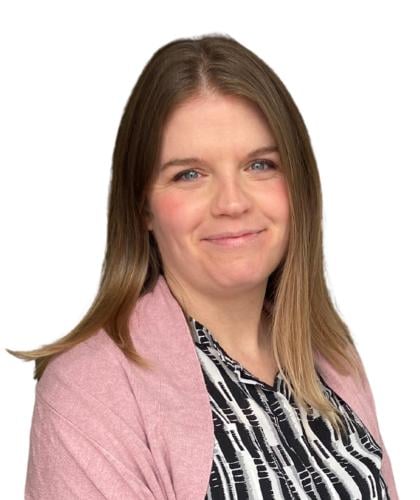
- My specialist experience working with young people with SEN to develop trusting and meaningful relationships;
I have personal lived experience of both brain injury and autism within my immediate family, which has informed my understanding and empathy when working with children and young people with SEND, as well as their families. This insight allows me to build meaningful, trusting relationships and is something I consider the most rewarding and impactful aspect of being a tutor. Throughout my career, I have been fully committed to each and every student I’ve supported, even within the demanding environments of busy special schools. I’ve consistently been commended for this dedication, and I take great pride in the positive difference I’ve made during my students’ learning journeys.
- My experience working with young people with ASC;
I have a patient, calm manner with my students and I have taught children/ young people with autism in a range of educational settings. I create relevant and purposeful learning experiences for these students, whilst keeping to routine and using symbols and visual aids where appropriate. My brother has autism and complex needs and I have been a carer to him all his life. I therefore bring a personal experience to my professional work.
My specialist experience supporting children with ADHD: The students that I have taught with ADHD have required a number of different strategies in order to keep them engaged, focused and be able to retain information. For example the tasks need to be; personalised as much as possible, use symbols or images, created for short bursts of attention and need to be built up very progressively. Repetition and consolidation are vital for ADHD and other SEN needs. It is also key to provide reward time and identify the students’ motivators.
- My experience working with young people with Anxiety;
Most of the children and young people that I have worked with, have been anxious or have been suffering from varying levels of an anxiety disorder. I will have approached this differently for each group or individual but have always done so with kindness and compassion. Gradual approaches are required, depending on the student and situation. As a teacher, I am creative and come up with different solutions to support the mental health needs of my students. For one of current students with complex needs and anxiety, this has meant a gradual and planned approach to source an Equine provision, liaising with parents and professionals, writing progressive targets and the student now being able to engage with horse riding each week.
• My experience supporting young people with sensory and/or auditory processing needs;
The students that I have taught with these needs have required different strategies to keep them engaged, focused and able to process and retain information. For example, the tasks need to be: personalised as much as possible, use symbols or images, created for the sensory needs of the learner and built up progressively. Repetition, overlearning, interleaving and consolidation are vital for students with any processing needs.
• My experience supporting young people with speech and language needs;
I have worked alongside Speech and Language Therapists (SALTs) in my years within Special School settings and am currently tutoring a Year 2 student whose primary need is Speech and Language. We are slowly building up her sentences through play and I model the correct language in a non-pressured and supportive way.
• My experience teaching young people with SEMH/anxiety/mental health needs;
Most of the children and young people that I have worked with, have been anxious or have been suffering from varying levels of anxiety. I will have approached this differently for each group or individual but have always done so with kindness and compassion. As a teacher, I am solution focussed and come up with different creative strategies to address the mental health needs of my students, including; considering the sensory environment, breathing/relaxation techniques such as yoga/ ‘Peace Out’, drawing and journaling, exercise and laughter.
• My experience supporting young people with executive functioning skills, working memory and study skills;
Throughout my Special Needs teaching experience, I have had to explore and deliver a variety of strategies for different levels of executive functioning, working memory and study skills. For Primary ages, I have taught reading and phonics, English and Maths including; using visual aids and holistic project-based learning activities; adapting the National Curriculum to make it engaging and functional. Online teaching requires an adapted version of this, which Is done through various learning platforms, interactive media such as visualisers, gaming and live Microsoft document sharing.
• My experience supporting young people with dyspraxia;
I have taught students where dyspraxia is a co-existing condition with other diagnoses. From this experience I understand that students with dyspraxia need an increased level of support with their fine motor skills and proception.
• My experience supporting young people with social interaction and friendship skills;
These skills are fundamental for an individual’s personal development; the ability to develop relationships and to interact effectively with those around them. They have been a core part of my teaching philosophy, across all subjects, in schools and now into tutoring. I have experience teaching these skills through role play activities, life skills, PSHE sessions and interactive/ scenario based learning tasks. The introduction of social media has created a new way of communicating and I have experience helping students navigate these communication challenges in safe and effective ways.
I use the ‘Zones of Regulation’ within my practice for children and young people with complex needs, which is a framework that supports a students emotional regulation and understanding the behaviour of others.
• My experience developing confidence and self-esteem;
I have a positive and caring nature, which allows me to form bonds with students very quickly. I originally trained as an Art & Design teacher before I specialised in SEN teaching. This career pathway provided a creative edge to my tutoring and I have found that students with high anxiety levels have been able to benefit the most from these sessions.
I give plenty of praise if the student responds well to it and will go out of my way to make students feel ‘seen’ and ‘heard’. I believe that praise can boost confidence in students when it is well pitched and genuine, and especially when there needs to be specific consideration for those individuals with a PDA profile.
• My specialist experience providing engaging sessions to inspire a love of learning;
I have 15 years of experience within various learning environments and I make my tutoring sessions engaging and relevant to the needs of the student. During the pandemic I led sessions online that were well planned and interactive. I went above and beyond by sending out learning ‘packs’ of resources, I ran group lessons and 1-2-1 sessions during a very turbulent time; with a focus on re-engagement, wellbeing and recovery.
• My skills and experience supporting young people to develop their independence;
I believe that developing a student’s independence is one of the most fundamental aspects of my job and it is integral to not just their learning but to their life chances and future prospects. It is something that needs to be built up gradually and I have experience of doing this through writing personalised learning plans, delivering and reflecting on lessons and creating holistic learning opportunities. Any task can be broken down into multiple steps and built up over time; increasing the independence level gently. It is vital that a student is proud of what they have done at each step and has some ownership over their learning.
- Qualified Teacher Status (QTS)
- MA Level - PG Diploma in Education (PGDip), specialising in Autism Studies & Inclusive Strategies
- Secondary Art PGCE
- BA Hons (2.1) Fine Art Contemporary Practice
- Level 2 Certificate in Safeguarding & PREVENT Duty
- Level 2 Certificate in Mental Health First Aid
- Multiple PDA Webinars/ online training sessions
- Team Teach - Positive Behaviour Management - 2 Day Course
- ACE/Trauma Informed Practice Training
- Equals Curriculum Training
- Zones of Regulation Training - 1 Day Course
- Member of the British Dyslexia Foundation
- Currently undertaking an ELKLAN course in ASC and Communication
I have a positive, ‘can do’ attitude and believe that it is extremely important to be a fantastic role model for children and young people. I nurture a ‘Growth Mindset’ in my students and I build upon their key skills in an engaging, fun and progressive way.
Emotional regulation is vital for learning to take place and therefore my training in the ‘Zones of Regulation’ enables me to develop routines and strategies in this area. A child needs to feel safe and secure, if they are to learn and enjoy learning.
In my experience a successful tutor makes the learning relevant and personalises it to the needs and interests of the child. The opportunities for learning need to be prescriptive when teaching core-curriculum based work but I also find the greatest impact is when activities are holistic. Holistic learning experiences lean towards my creative nature and I am always full of ideas about how to engage a student in new and interesting ways.
* …you want a flexible tutor who can form a lasting bond with your child/ young person and will deliver a personalised program; enabling them to make fantastic progress.
* …you want a kind but tenacious tutor, who is conscientious, committed and thinks outside of the box.
* …you want a tutor to be creative in their teaching style and get your child/young person keen to engage, learn, revise or study.
*... you want a tutor who goes above and beyond, in order to support the family.
* …you need a tutor who has extensive experience of teaching children, teenagers and young adults with SEN.
- General Engagement, Confidence and Self Esteem
- Primary (Maths and/or English/Literacy)
- Study Skills & Executive Functioning Skills
- Social Communication & Language Skills
- Functional Skills (English & Maths)
- Homework Support
- Other (please provide details when contacting us)
- Early Years
- Primary
- Secondary
- Post 16
- Adult
- Anxiety
- Autism
- ADHD & ADD
- Dyslexia
- PDA (Pathological Demand Avoidance)
- SEMH (Social & Emotional & Mental Health needs)
- Working Memory and Processing Needs
- Speech and Language Needs (including non-verbal)
- Dyscalculia
- DCD (Dyspraxia)
- Global Developmental Delay & Learning Difficulties
- Complex & Medical Needs (including Cerebral Palsy; Brain Injury; Epilepsy and other needs)
- Trauma/Abuse
- SEND (inc. disabilities)
- Other SEN
As well as being a tutor, I am a professional artist if I have any spare time left in my day!
I was born in Bedford and raised in the South of England but have now lived in Yorkshire for 20 years and it has very much stolen my heart. When having a brew... it has to be Yorkshire Tea and I carry it with me everywhere!