· My experience working as an EOTAS Co-ordinator
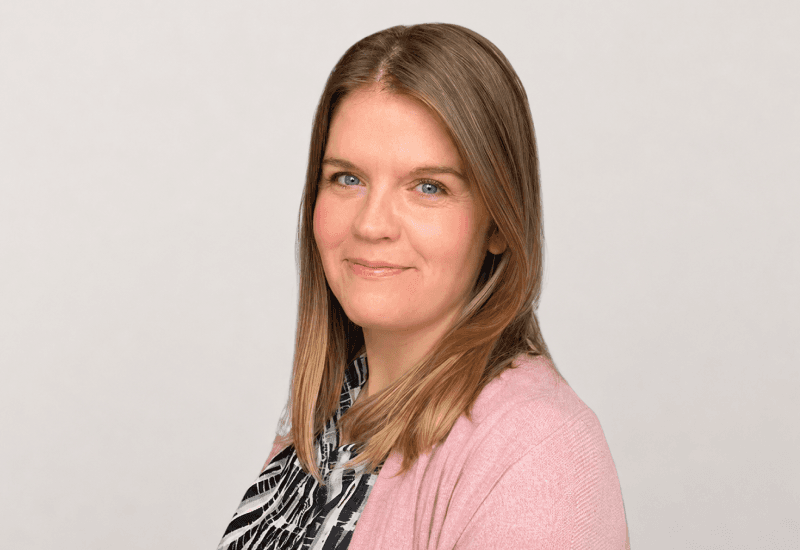
I am a compassionate and perceptive practitioner with strong interpersonal skills. I believe that effective communication, robust organisation and an ability to be creative and resourceful, are key aspects of an efficient EOTAS Co-ordinator. I have managed an EOTAS package for a young person with PDA and other diagnoses for 2 years and prior to this, was responsible for amending EHCP's, writing Annual Review paperwork and chairing Annual Review Meetings for students in each of my classes within a Special Needs School.
I have consistently been recognised for my conscientious and positive outlook; delivering solutions and practical ideas for parents. I am tenacious and believe that it is my job to deliver the best outcomes for a young person; demonstrating unwavering commitment to the families I work with. I lead a multi-disciplinary team of professionals and providers and I am confident in writing high-quality Annual Review and EHCP documentation, ensuring alignment with statutory requirements and individual needs. My experience includes chairing MDT meetings, distributing minutes, developing timetables and managing shared documentation through digital platforms
I strongly believe that a collaborative, multi-agency approach is essential for a child or young person to be able to achieve their EHCP outcomes and ensuring that each young person's needs are met through each provision.
My specialist administration and secretarial experience;
Before transitioning into education, I worked as a Personal Assistant in the private sector. This experience has equipped me with exemplary organisational skills, a high level of proficiency in Microsoft Office applications, and a strong attention to detail. These transferable skills continue to support my efficiency and professionalism in my various roles within education. In my current roles I work across various IT platforms with ease and will be able to co-ordinate the administration remotely and efficiently across an EOTAS package.
My leadership skills to support teaching and non-teaching staff;
As an experienced special needs teacher and previous Head of Department, I have managed staff at various qualification levels. Within my Special School provisions, this includes managing teaching assistants within the classroom setting, providing detailed planning, supporting staff to deliver personalised teaching against specific EHCP objectives and mentoring NQT/non-qualified teachers.
My specialist experience working with young people with SEN to develop trusting and meaningful relationships;
I have personal lived experience of both brain injury and autism within my immediate family, which has informed my understanding and empathy when working with children and young people with SEND, as well as their families. This insight allows me to build meaningful, trusting relationships and is something I consider the most rewarding and impactful aspect of being a tutor/ co-ordinator. Throughout my career, I have been fully committed to each and every student that I have supported, even within the demanding environments of busy special schools. I've consistently been commended for this dedication, and I take great pride in the positive difference I've made during each of my students' learning journeys.
My experience working with young people with ASC/ autism;
I have a patient, calm manner with my students and I have taught children/ young people with autism in a range of educational settings. I create relevant and purposeful and functional learning experiences for these students, whilst keeping to routine and using symbols and visual aids where appropriate. My brother has autism and complex needs and I have been a carer to him all his life. I therefore bring my personal experience to my professional work.
My specialist experience supporting children with ADHD:
The students that I have taught with ADHD have required several different strategies to keep them engaged, focused and be able to retain information. For example the tasks need to be; personalised as much as possible, use symbols or images, created for short bursts of attention and need to be built up very progressively. Repetition and consolidation are vital for ADHD and other SEN needs. It is also key to provide reward time and identify the students' motivators, including the use of technology and ramification where needed.
My experience supporting young people with Functional English and Maths;
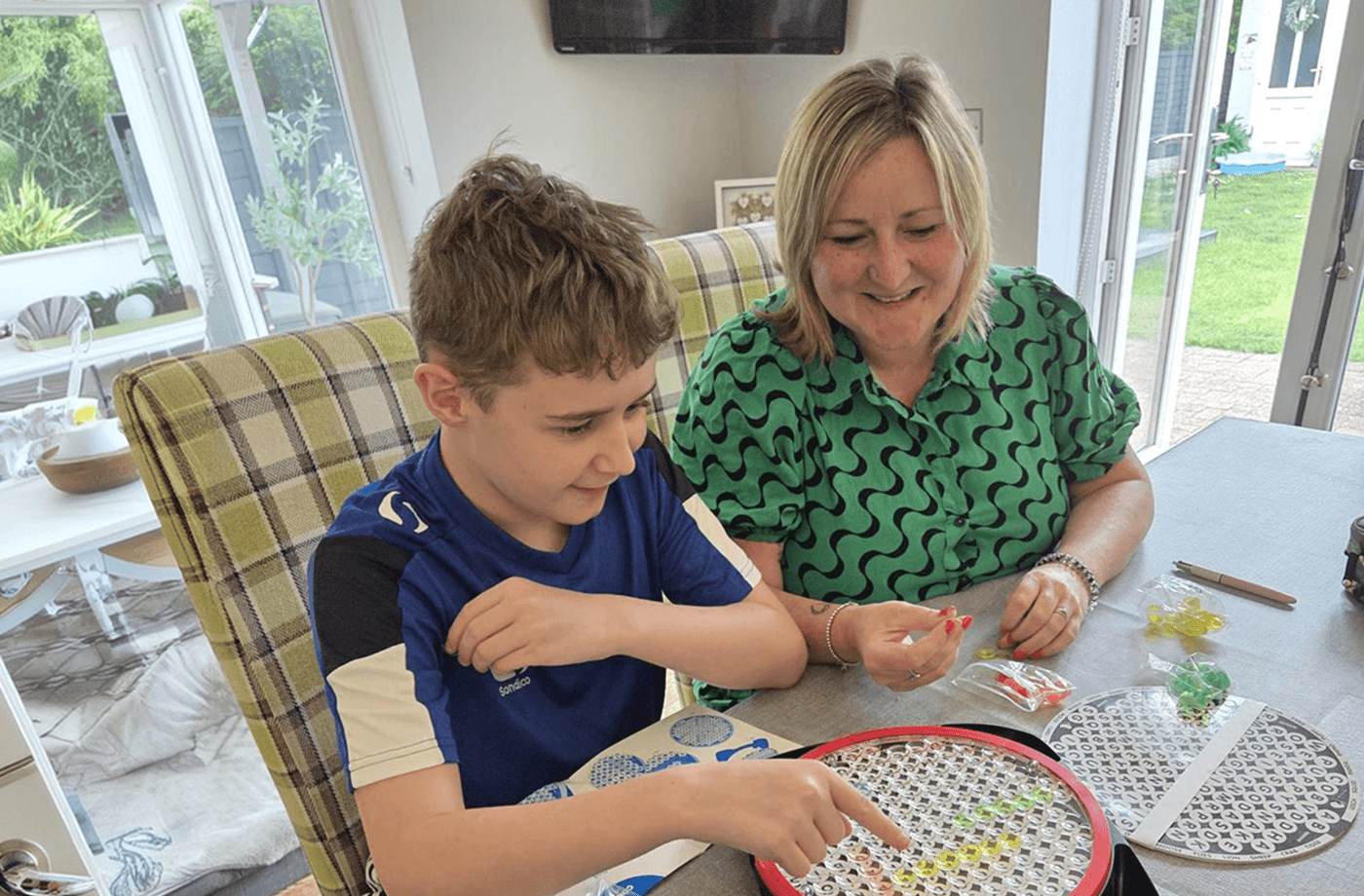
I have taught all levels of learners from Early Years up to Key Stage 5 and often work with students and families for 3+ years. I have had to explore and deliver a variety of strategies for teaching reading and phonics including; using visual aids, inclusive games and holistic learning approaches. I have adapted the National Curriculum to support the individual needs of my learners and made it relevant and engaging. My tutoring uses DfE approved resources and 'props' to create fun narratives and memorable learning experiences. I have taught English and Maths at Primary level, KS3 and up to Functional Skills, and I use gamification to make learning fun both online and in-person.
My experience developing confidence and self-esteem;
I have a positive and caring nature, which allows me to form bonds with students very quickly. I originally trained as an Art & Design teacher before I specialised in SEN teaching. This career pathway provided a creative edge to my tutoring and I have found that students with high anxiety levels have been able to benefit the most from sessions that are moulded around their interests.
My specialist experience providing engaging sessions to inspire a love of learning;
I have 15 years of experience within various learning environments and I make my tutoring sessions engaging and relevant to the needs of the student. During the pandemic I led sessions online that were well planned and interactive. I went above and beyond by sending out learning ‘packs' of resources, I ran group lessons and 1-2-1 sessions during a very turbulent time; with a focus on re-engagement, wellbeing and recovery.
My skills and experience supporting young people to develop their independence;
I believe that developing a student's independence is one of the most fundamental aspects of my job and it is integral to not just their learning but to their life chances and future prospects. It is something that needs to be built up gradually and I have experience of doing this through writing personalised learning plans, delivering and reflecting on lessons and creating holistic learning opportunities. Any task can be broken down into multiple steps and built up over time; increasing the independence level gently. It is vital that a student is proud of what they have done at each step and has some ownership over their learning.
My experience supporting young people with social interaction and friendship skills;
These skills are fundamental for an individual's personal development; the ability to develop relationships and to interact effectively with those around them. They have been a core part of my teaching philosophy, across all subjects, in schools and now into tutoring. I have experience teaching these skills through humour, role play activities, life skills, Functional Activities and interactive/ scenario based learning tasks. The introduction of social media has created a new way of communicating and I have experience helping students navigate these communication challenges in safe and effective ways where appropriate.
My experience teaching young people with SEMH/mental health needs;
I will have approached this differently for each group or individual but have always done so with kindness and compassion. As a teacher, I am solution focussed and come up with different creative strategies to address the mental health needs of my students, including; routine, considering the sensory environment, gaming, drawing, exercise and laughter. This will vary from student to student, as each one is unique and has their own interests and intrinsic motivators.
My experience supporting young people with sensory and/or auditory processing needs;
The students that I have taught with these needs have required different strategies to keep them engaged, focused and able to process and retain information. For example, the tasks need to be: personalised as much as possible, use symbols or images, created for the sensory needs of the learner and built up progressively. Repetition, overlearning, interleaving and consolidation are vital for students with any processing needs.