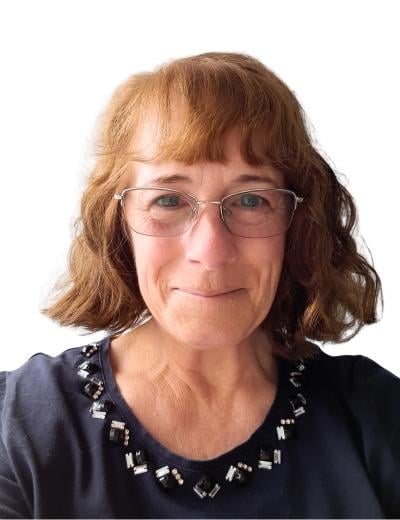
I have 33 years experience as a qualified teacher, most of which have been in specialist ASC or SEMH settings and for the last 12 years I was overseeing an SEMH provision and providing advisory support for a partnership of 9, then 17 mainstream schools. I understand the importance of establishing positive and trusting relationships,...
Sorry, no records were found. Please adjust your search criteria and try again.
Maps failed to load
Sorry, unable to load the Maps API.
×
My Favourites
No Favourites
Scroll to Top
Skills & Experience
ASC/ADHD/DCD/RSD/Attachment/Trauma/Sensory Needs
I have extensive experience of advising schools and families and working directly with learners who have a range of needs in these areas. I have used TEACCH, Makaton, PECS, therapeutic interventions (music, drawing & talking, sand play), visual resources such as schedules, Now/Next boards, forwards & backwards chaining and non-evidence based, but personal innovative approaches, to meet needs. My approach focuses on the present, but with a long-term view of learning for life and always with the child at the centre of planning. I understand the need for consideration of Proprioception, Interoception and Vestibular Movement, to plan for repetition to support brain pathway development and to be flexible with planned engagement, focus breaks and curriculum adaptation.
Understanding behaviour as a communication of unmet need
Throughout my teaching career, I have combined information from parents/carers/colleagues, with my own personal observations, to increase my understanding and lead my planning and interaction. This is particularly important when working directly with learners who demonstrate their distress through their behaviours, either at school, at home or in both settings. I know that patience and consistency build trust and that relationships are key to removing barriers and motivating engagement with learning. My focus is always on the voice of the child, whether that is verbal or communicated through behaviours (or both). I use patience and co-regulation strategies to reduce pressure and stress, together with distraction and breathing techniques, moving away or closer, as indicated by the child. Building an understanding of triggers and their impact, enables me to guide the child’s understanding, recognition of need and application of self-help tools, to reduce and prevent distress building and supporting them in voicing need, before escalation occurs.
Emotional Regulation and self-management of behaviour
I work closely with children and families, to recognise triggers and understand needs. I then build understanding and recognition of feelings and physical changes in the body, which indicate changing emotions. Learners can then recognise and indicate these needs to others and can utilise strategies for self-support, reducing escalation and minimising impact on others. Understanding how the brain works and the body’s automatic responses to real and perceived threats, is an important part of this process.
Social skills, communication and interaction
I have spent over 30 years working with neurodivergent individuals and their families, both in school and at home. Breaking down skills into repeated patterns can set an automatic response, but ‘reading the room’ and understanding inference in language, is more difficult. I teach skills through the game of becoming a Social Detective. What can you see and what might that mean? I use games, puppets and role play to practise behaviours and patterns of speech and teach the use of ‘I statements’, to share feelings without blame, reducing negative impact and minimising conflict. This is essential for the development and maintenance of relationships. I use clear, literal language and and understand the need to explain ‘grey areas’ thoroughly.
Primary Curriculum delivery
I enjoy being creative with teaching ideas and will use a variety of practical and written games and activities to engage interest with Primary Maths, English, Science, History Geography and Music. Understanding the world around us, is key to interacting with others, building and maintaining relationships and being able to make choices for ourselves, so I will integrate curriculum learning into activities which may have an alternative primary focus, such as managing anxiety, self-regulation and turn-taking.