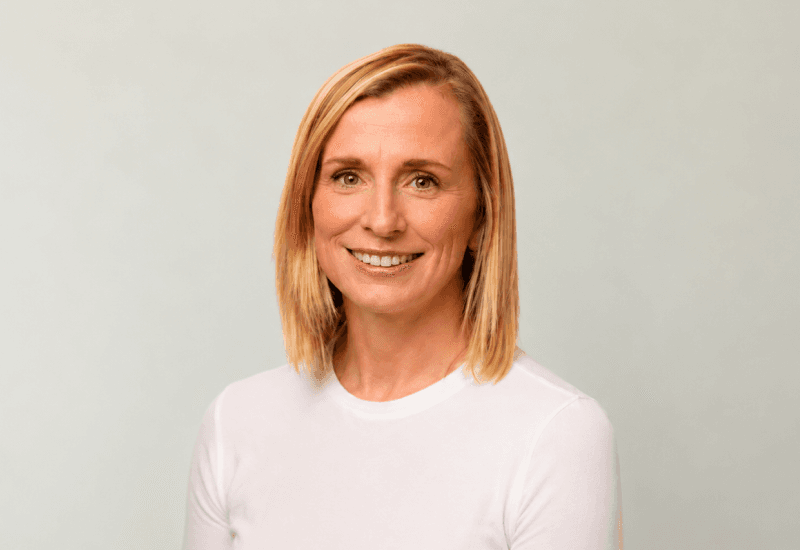
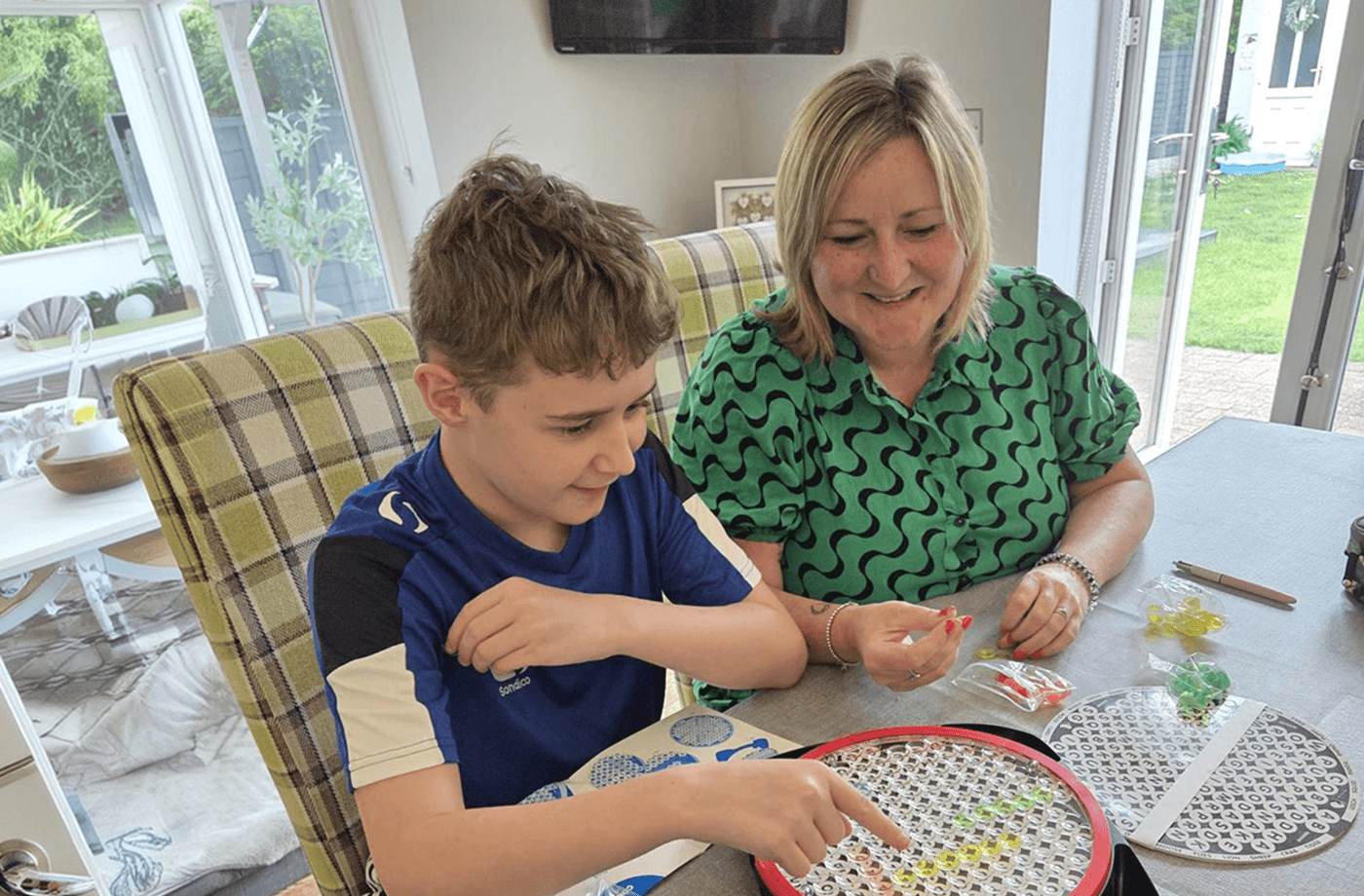
I have over 20 years of experience teaching in mainstream, specialist and tuition settings. During this time, I have fulfilled a wide range of roles, including Class Teacher of SEND, Pastoral Lead, Behaviour Lead, SENCo, Dyslexia Tutor, Designated Teacher for Looked After Children and Computing Lead. Each role has given me valuable insight into the challenges faced by children and young people with additional needs, alongside a strong understanding of how to help them identify their strengths and enhance these “superpowers”.
Building strong, respectful and purposeful relationships with children and young people, and their families, is one of my key strengths. Communicating clearly, honestly and empathetically is central to building these relationships, and I take this aspect of my role very seriously.
Many difficulties and challenges can overlap or co-exist, so a personalised and tailored learning programme is fundamental to providing effective support. For this reason, I do not offer a one-size-fits-all approach. While my skills and teaching strategies (outlined below) give an indication of what may be expected, it is more likely that a programme will be a blend of approaches carefully selected to suit the individual. The support programmes I deliver are underpinned by comprehensive research to ensure the greatest possible impact.
Specialist experience working with students with SEN and developing trusting relationships:
Developing a trusting relationship is always my priority, helping children and young people feel safe and secure. I work from the values of PACE (Dan Hughes): Playfulness (using games, light communication and shared enjoyment), Acceptance (acknowledging inner feelings and emotions even when behaviours cannot be accepted), Curiosity (showing genuine interest in their lives and inner world), and Empathy (hearing and understanding how the child is feeling and responding).
Experience teaching young people with autism:
I have extensive experience supporting children with ASC (autism). As ASC presents differently for each individual, flexibility and adaptability in planning and delivery are essential for successful sessions—it is never one-size-fits-all. Many children with ASC experience anxiety, which I manage through patience, positivity and time. I build strong, trusted relationships and establish familiar, structured routines, incorporating sensory or movement breaks where needed. Sessions also provide opportunities to explore emotions, identify triggers, understand how emotions present, and develop strategies to manage them using visuals, social stories and practical activities.
Specialist experience with ADHD:
Children and young people with ADHD may find it challenging to initiate tasks, maintain focus, complete work, organise themselves, follow instructions and remain motivated. To address these difficulties, I use short, structured and engaging tasks, supported by routine, scaffolding and high-interest activities, to promote engagement and success.
Experience teaching young people with anxiety:
I adopt a therapeutic approach to behaviour and social and emotional needs. I view behaviour—both pro-social and anti-social—as a form of communication. This understanding allows me to explore the reasons behind behaviours and work collaboratively on strategies to overcome barriers. Sessions may include exploring emotions, how they present, and how to manage them to prevent dysregulation, often using tools such as a five-point scale. We may also focus on creating positive experiences that lead to positive feelings and pro-social behaviours, alongside developing self-confidence, social skills, intrinsic motivation and a sense of safety. These elements are always woven into learning.
Specialist experience with working memory difficulties:
Many children and young people experience challenges with executive functioning, including working memory. I use visuals and supportive resources to reduce cognitive load, helping to scaffold learning in areas such as maths and writing. I also prioritise learning experiences that strengthen executive function skills, which supports concentration, comprehension, inference and working memory. This approach is key to developing effective study skills and lifelong learning habits.
Experience teaching young people with challenging behaviour:
I have a strong interest in psychology and am aware of the various approaches to behaviour. I adopt a therapeutic approach to behaviour, teaching pro-social values through experience and understanding, using plenty of praise and positive modelling. I have a firm but fair boundaries and uphold these within sessions. Undesirable behaviour is addressed in a non-threatening way and only once the child or young person has returned to a regulated state and is able to engage in discussion. This may be achieved through social stories, role play or reflective strategies.
Experience teaching young people with a PDA profile:
Creating an environment that is predictable yet flexible is central to working successfully with children and young people with a PDA profile. Lessons are adapted to suit the individual's needs and anxiety levels on the day, with clear communication of intentions to minimise demands. A key element of my work involves developing the child's understanding of their emotions, brain and behaviours.
Experience teaching English, maths and science:
Throughout my 20+ year career, I have consistently taught English and maths and have extensive experience across all key stages, including Functional Skills English, maths and ICT. Although primary trained, I spent a significant period teaching in a middle school in Worcestershire and now tutor individuals up to Key Stage 4, including English, maths and science.
In English, I take a holistic approach, exploring texts and characters in depth to develop comprehension, reading and writing skills through discussion, exploration, mind mapping, experimentation, role play and creative activities. I have completed several writing courses and value the creativity that English offers.
I studied maths to A-level, giving me a strong foundation in the subject. To further strengthen my delivery at Key Stages 3 and 4, I am currently completing an upskilling course to teach both Foundation and Higher GCSE maths. I use manipulatives, pictorial representations and games to develop conceptual understanding, alongside practical, real-life applications such as cooking, planning events or outdoor learning.
I have taught and tutored science from Key Stage 1 through to Key Stage 4, providing engaging and practical experiences with a balanced focus on investigative skills and subject knowledge across biology, physics and chemistry.
Experience teaching young people with SEMH and mental health needs:
I work with empathy and understanding when supporting children and young people with SEMH and/or mental health needs, adopting a curiosity-led approach where feelings and experiences are explored and validated. Teaching with compassion, kindness and patience helps children and young people feel safe, connected and ready to learn.
Inspiring a love of learning and supporting independence:
My teaching philosophy centres on developing confident, independent and curious learners who take ownership of their learning and grow into lifelong learners. I see it as my mission to unlock interests, skills and abilities, enabling children and young people to flourish and shine. I teach with kindness and flexibility, with confidence, curiosity and independence woven throughout the nurturing lessons I plan and deliver.