



Key Takeaways:
- Dyslexia is a neurological difference, not a sight issue or a measure of intelligence, and it affects how the brain processes language.
- Persistent myths about dyslexia can delay identification, limit support, and negatively impact a child’s confidence and emotional wellbeing.
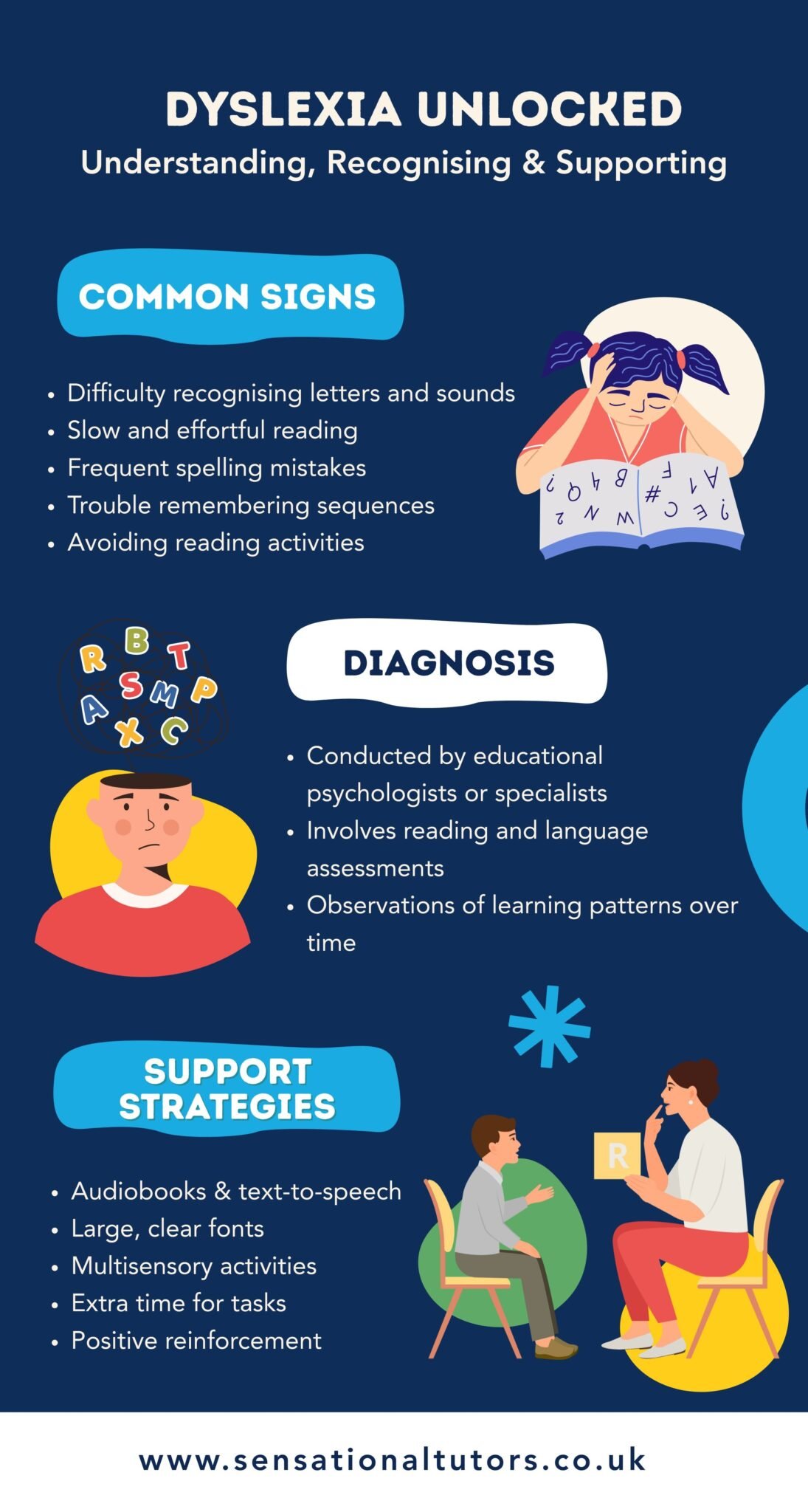
- Early screening, inclusive teaching strategies, and the use of assistive technology can make a powerful difference to learning outcomes.
- Dyslexic learners often have significant strengths, including creativity, problem-solving, and “thinking outside the box,” which should be recognised and celebrated.
- Raising awareness, challenging misconceptions, and sharing real-life success stories help shift the narrative and build a more inclusive culture for dyslexic individuals.
“Dismantling tenacious myths about dyslexia and drawing on evidence-based practices when teaching can make a powerful difference for students with the condition.” Parents and teachers can make a significant difference by identifying dyslexia early, using inclusive teaching strategies, embracing assistive technology, and focusing on strengths rather than difficulties.
Despite a slow change in the narrative, misconceptions about what it actually means to be dyslexic still prevail which can have many repercussions on the help people might receive. Combatting these beliefs could help develop a new thinking culture about dyslexia.
What are the Common Misconceptions?
“It’s a sight issue.” This is not the case; dyslexia is a condition driven by how the brain interprets language. Some sight interventions, may help with symptoms of dyslexia, but it is crucial to grasp the underlying reason why it exists in the first place.
“Dyslexic children cannot write letters or numbers.” Frequently associated with those that “reverse numbers and letters”, dyslexia is so much more than this. Whilst some learners (dyslexic or otherwise) may reverse letters/numbers, that is irrelevant to the issue of it being a learning challenge based on acquisition of language.
“Dyslexic students lack intelligence.” This is possibly the most harmful myth; in fact some dyslexic people are extremely gifted, and many have a high IQ. Low intelligence has never been a factor impacting dyslexic learners; it stems from a neurological difference affecting the way they access language.
“Dyslexic people can’t read.” Whilst there may be struggles with reading for a dyslexic student, the profile of every learner will vary. A child’s profile often extends way beyond a child’s reading skills, stretching out to writing, speaking and the use of executive function skills such as organisation/planning.
How Can We Challenge These Misconceptions?
Once we know the myths, we can make it our mission to implement change wherever possible.
Raise Awareness: Challenge any myths you overhear, correcting them and other people’s viewpoints.
Early Screening: Be an advocate of early intervention, so that a plan of action can be implemented for those who are struggling as soon as possible.
Support and Praise: Focus on the positives of being dyslexic. Learners are often highly imaginative, with great “thinking outside the box” capabilities. Present learning opportunities in the classroom or at home where these skills can be displayed. Highlight and celebrate the successes achieved.
Appropriate Resources: Promote the need for accommodations for dyslexic students and appropriate resources such as AT, (Assistive Technology) and AAC,( Augmentative and Alternative Communication), and alternative learning strategies, including systematic techniques and multisensory learning options.
Foster an inclusive culture: Championing a culture of inclusivity will factor dyslexic learners into all educational settings; suggest extra time allocation in tests with potential use of a scribe if needed, to ensure they are not omitted.
Dyslexia Awareness Month – In October each year, use social media to promote as many viewpoints as possible that reverse the current myths.
Promote the Successes. Upholding the success of dyslexic individuals present and past, aka Einstein and Spielberg will paint a very different picture for those still supporting the misconceptions. Incorporate your own experiences of present success stories of children you have taught.
When Dyslexia Is Misunderstood: A Real-Life Story
Valerie, a Recruitment Consultant from Kings Langley in Herts, is also mum to Connor, age 16 who has dyslexia. She believes that, in general, not enough people truly understand what dyslexia means: “When Connor was at the early stages of primary school, what was most difficult for me as a parent was the lack of understanding about his challenges. “
When Connor was in year 3, it was evident to Valerie that he was reading more slowly than other children of his age: “He was unable to understand what he was reading. I now know that this was because he was using so much energy to work out the sound of each letter, that understanding the meaning of the text was often forgotten because he was trying so hard to work out the sounds and blend them into recognisable words.”
“Comments referred to his inability to stay on task when reading. Remarks inferred he was lazy, or not trying. It was confusing as he was so curious about everything; I just felt there was an issue that wasn’t being detected.”
Children like Connor may sometimes feel misunderstood, and if their needs are not explained, a child might feel lost and undermined. Misconceptions about dyslexia can be very damaging as a child continually feels like they are underachieving, but no one can help them.
Valerie continues: “He would often come home from school miserable, because he felt ‘silly’, and different to his friends. He even said he didn’t want to go to school. At the end of primary school, we had a diagnosis. Fasting forward, it now feels like there is more of an appreciation about the reasons why dyslexic people face challenges.”
“At the time we went round int circles until we found a brilliant tutor who explained the condition so logically. Meeting him was a light bulb moment, and such a relief. As it turns out, Connor is very bright. I think I always knew this, but yet the way that some people thought about dyslexia made me doubtful at times.” Now, Connor has just completed his GCSEs and achieved excellent grades for all his subjects. Valerie reflects back: “I am so proud of what he achieved.”
We can all do something to create change. Whether a teacher, parent or otherwise, we all have the power to act. Comments amidst conversations, offering an anecdote or a success story will allow new beliefs about dyslexia to grow and become the new actual narrative.
Useful Websites:
https://www.understood.org/en/articles/common-myths-about-dyslexia-reading-issues
https://www.dyslexiahelpuk.co.uk/post/15-myths-about-dyslexia-and-the-truth-behind-them
https://cpdonline.co.uk/knowledge-base/care/addressing-myths-misconceptions-about-dyslexia/
Please note: The information provided within this blog, by SENsational Tutors, is for general information purposes only. We appreciate that every person is unique and any advice/experiences mentioned within the content of each blog may not be reflective of your own personal experience. All information on the site is provided in good faith and is for educational informational purposes only. It is not a substitute for professional advice. Before taking any actions based upon such information, we encourage you to consult with appropriate professionals.
