


Key Takeaways:
- Valuing neurodivergent strengths leads to better outcomes
- Disengagement and absenteeism are often systemic, not behavioural
- Special interests can be powerful learning tools
- Collaboration and trust are essential in alternative provision
- Inclusive workplaces require authentic cultural change
Technology changes quickly, and with the upcoming SEN white paper, education does too. Events like Bett London provide a space for educators to share ideas and connect.
The SENsational Team attended last week from Wednesday 21st to Friday 23rd, speaking with exhibitors and attending panels. In fact, our founder and CEO, Joanna Gibbs, spoke at several panels and presented the Joanna Gibbs Award for Inclusion.
As the PR and Blog Content Lead, I enjoyed looking around the exhibits and soaking up the event’s atmosphere. With lived experience of autism and ADHD, I was interested to see which technological developments are supporting neurodivergent students. So, what did we find out? Let’s take a deeper look at Bett London 2026.
What is Bett London and how does it relate to SEN?
Previously known as the British Educational Training and Technology Show, Bett London is an annual event showcasing the latest technology in education. It also features keynote speakers and specialist exhibits, often relating to SEN education.
For educators, it can be a rich source of information about new technologies to support students. It can also provide insights for parents and students looking for inclusive tech. This was my first time attending Bett. I was quite nervous, as I struggle with loud and bright environments. I enjoyed the TES SEN show last year, but found it to be very overstimulating, so I wasn’t sure what to expect.
In terms of the exhibits, it was amazing to see how technology and sensory tools are helping neurodivergent children to learn. I had a great time at the event, but would love to see more SEN exhibits and panels next year, as well as quiet spaces to decompress.
Below, I’ll dive into more detail about what Joanna and the team got up to this year, and the key takeaways for SEN education and employment in 2026.
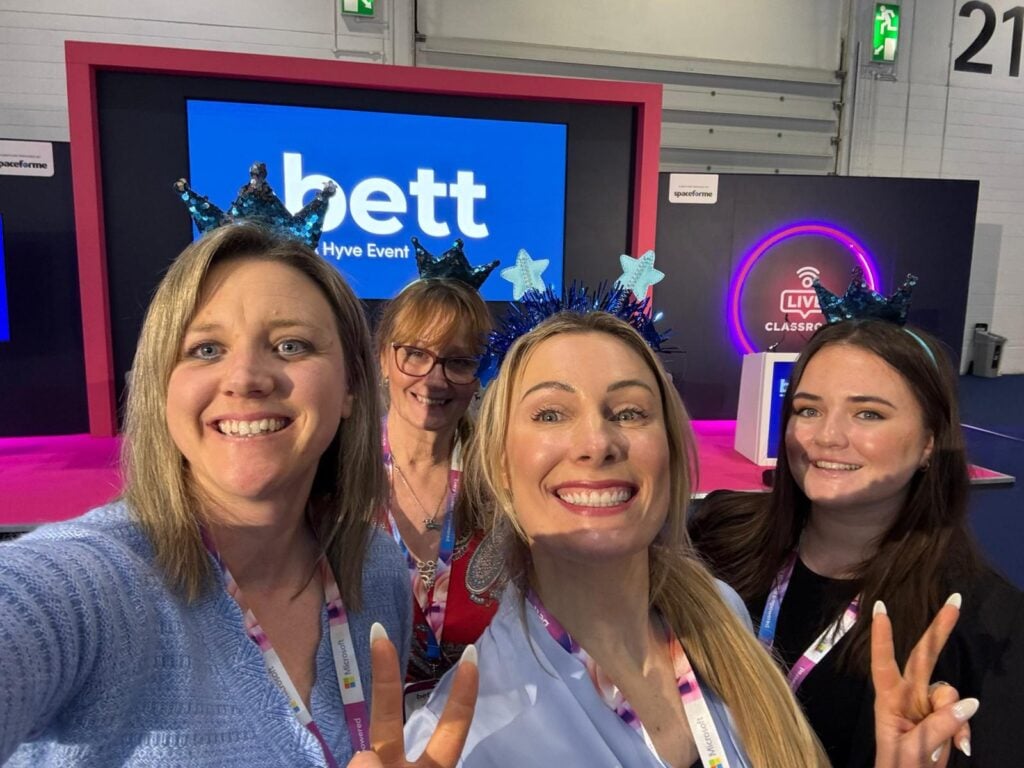
“It’s 9am… Do You Know Where Your Students Are?” - Absenteeism panel
Panellists: Joanna Gibbs, Laura Mackay, Channon Gray, Cat Scutt MBE
Joanna’s first panel at Bett London was a live debate about absenteeism. This panel aimed to explore why students disengage and how schools can improve outcomes.
Naturally, school refusal and absenteeism are important issues for SEN families. Yet, the discussion is often framed from a behavioral perspective, placing responsibility with children and families.
Instead, the panel highlighted the impact of mental health and the learning environment on absenteeism, including:
- Sensory challenges, like bright lighting and loud noises
- Rigid school structures
- Overwhelming demands
So, what about solutions? Joanna and the panellists emphasised the importance of strong relationships and care. This included developing emotional safety in the school environment and forming meaningful relationships between parents and educators.
Joanna also commented that adults are likely to disengage with a service when they don’t feel valued or respected. So, why do we expect different from children? Schools with improved attendance will be those that foster belonging and genuine trust.
Lived experience insight: It’s very positive to see school challenges being highlighted from an environmental and systemic perspective. I struggled with school and had to leave at age 9. I tried very hard to return at age 13, but school wasn’t the right place for me to learn. We need to recognise that SEN children often make a huge effort to engage with mainstream education, but schools need to make that effort too.
Key takeaway: Valuing children’s autonomy ensures they feel valued and able to engage in education.
➡️Read about how to support children experiencing school trauma.
“Gaming for all: Empowering inclusion and neurodiversity through esports” - Esports panel
Panellists: Joanna Gibbs, James Fraser-Murison, Nachelle Crowther
This panel explored how esports can unlock new opportunities for neurodivergent students. For children who struggle with traditional pathways, esports can:
- Build engagement through their special interests
- Offer flexibility to meet their needs
- Embrace differences and be personalised to each child
One challenge is raising awareness and breaking down misconceptions around esports in education. Some parents still have concerns, as they, understandably, feel that too much technology can be unhealthy for children. There’s also still a lack of awareness among educators and head-teachers about the benefits of esports for students.
Whilst panelists stressed the importance of moderation, they highlighted several ways that esports represents “tech for good,” including by helping neurodivergent children to:
- Develop highly valued skills, such as communication, teamwork and logistics
- Find a community space to feel connected
- Communicate in a way that suits them
- Engage with their education through a special interest
- Set out on pathways into the esports industry or other STEM careers
Lived experience insight: As a home-schooled teenager, I had several years without formal education where I focused on my special interests of gaming and Japanese language. This gave me an opportunity to develop my skills informally. I participated in online translation projects, which helped me to build my teamwork and organisational skills.
This helped me to prepare for formal studies at university during a time when I may have had no education at all otherwise, due to my poor mental wellbeing. Esports can provide similar opportunities for neurodivergent children to flourish.
Key takeaway: Leverage special interests to support SEN children to learn and thrive. It’s essential to co-create education with young people, and value their interests.
“Tutors and Local Authorities: New Solutions and New Standards” - Local Authority panel
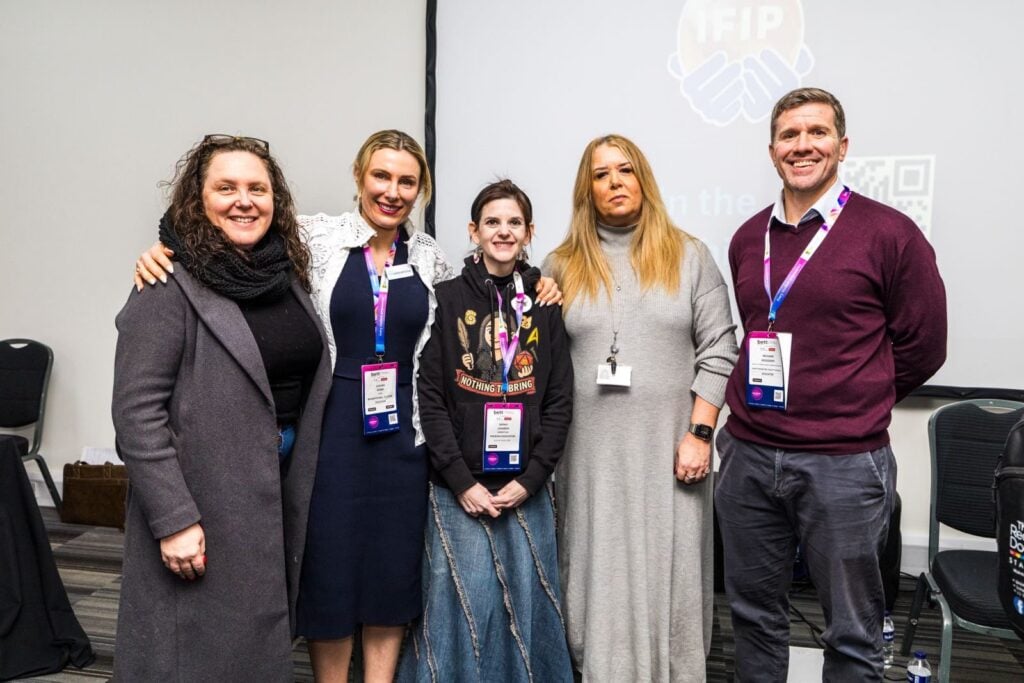
Panellists: Joanna Gibbs, Sharon Grainger, Sarah Johnson, Richard Woodard
With the potential for changes ahead, it’s more important than ever for local authorities and tutors to build strong relationships. But what are local authorities looking for from alternative provision? Hosted by IFIP, this panel provided an opportunity for LA representatives to share their priorities.
Key criteria for alternative provision included:
- Robust safeguarding processes
- Clear quality assurance frameworks
- Accountability and reliability
- Appropriate costs
- Delivering positive outcomes
- Strong relationships with children and families
So, how should AP providers build connections with Local Authorities? Panellists made a few suggestions:
- Aim to grow relationships early
- Engage through AP networks and partnerships
- Avoid spammy cold calls
Lived experience insight: It was great to hear how local authorities and AP providers are working together to provide meaningful EOTAS opportunities for SEN children. From my perspective, I feel there’s still too much emphasis on re-integration. It’s important to recognise that school isn’t the best place for every child to learn.
Key takeaway: As one panellist commented, “We want to know you before we need you.”
Long term collaboration and trust between AP providers and LAs is the priority.
IFIP awards
After the LA panel, the SENsational Team enjoyed attending the IFIP Global Inclusion Awards. This awards ceremony celebrated inclusion practitioners working in education and beyond.
With award winners from around the world, it was wonderful to see inclusive practices being championed.
“Leveraging Neurodiverse Talent in the Modern Workplace” - Neurodiversity Pane
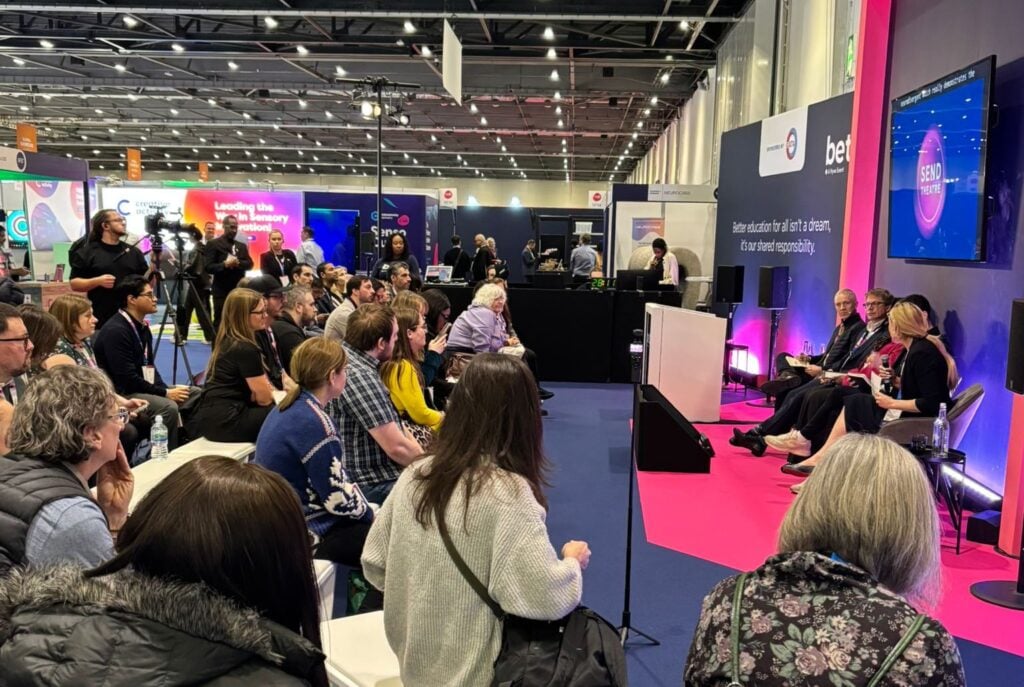
Panellists: Joanna Gibbs, Sean Gilroy, Jack McFerran, Frances Akinde, Edmund Lewis.
The final panel our team was involved in was very special, exploring the transition between education and employment for neurodivergent people. Joining together lived experience and professional insight, the panellists highlighted practical strategies for improving outcomes in the workplace.
Various barriers were identified, including:
- Exclusionary application processes
- Masking and fear of discrimination
- Lack of visible inclusivity within organisations, including during recruitment
- Poor, or non-existent, neurodiversity training for staff
- Assumptions about neurodivergent candidates, including being ruled out of certain jobs
To resolve this issue, organisations must create a culture where neurodivergent people can thrive. This should involve:
- Recognising neurodivergent strengths, including creativity and attention to detail
- Valuing different cognitive approaches
- Appreciating the impact of neurodivergent talent on organisational success
- Inclusive use of technology and AI to overcome cognitive barriers
- Creating unique, strength-based roles to get the best from SEN employees
- Raising awareness and building empathy among neurotypical team members
➡️Learn more about celebrating SEND strengths and achievements.
Case study: BBC CAPE
During the panel, Sean shared details about the development of the BBC’s CAPE initiative, which he co-founded with colleague Leena Haque.
The problem:
CAPE was initially intended to address the lack of neurodiversity guidance in the BBC’s diversity and inclusion agenda, which had a negative impact on neurodivergent staff.
Sean and Leena used a survey to identify key areas for improvement, which included education and awareness, physical environments, and culture and community.
The solution:
CAPE created first-person videos and VR experiences to encourage empathy with neurodivergent staff. For example, one video compared a neurodivergent person’s working day to stages in a video game to help colleagues understand what SEN staff struggle with on a daily basis.
The outcome:
These resources shifted responsibility away from neurodivergent staff to self-advocate. Instead, it encourages organisations (and neurotypical staff) to recognise their role in achieving inclusivity. The resources can be accessed on the BBC website, including neurodiversity training materials.
Lived experience insight: I absolutely loved this panel! I also struggled to get into work after leaving university, and understanding the complex social rules of the workplace was very challenging. Hearing how panellists developed impactful neurodiversity projects in their workplaces was really inspiring.
I loved how CAPE used VR and videos to help neurotypical people to see what we go through every day. Building empathy with neurodivergent experiences is so essential!
Key takeaway: We need to shift how we see neurodiversity in the workplace, embracing its benefits and encouraging neurotypical colleagues to get involved, wherever possible.
Valuing neurodivergent strengths at Bett London 2026
The team’s key takeaway from Bett London was the importance of “valuing neurodivergent strengths”. From education to the workplace, neurodivergent people have unique skillsets to offer, including innovation, hyperfocus and creativity. Without leveraging these skills, educators and employers risk missing out on neurodivergent talent.
At SENsational Tutors, we strongly believe in valuing neurodivergent strengths, whether that’s in our students or tutors. If you’d like to learn more about our affirming, low-demand tutoring services, book a free consultation call with our experienced team today.
Frequently Asked Questions: Bett London Panels 2026
What was the main SEN takeaway from Bett London 2026?
That valuing neurodivergent strengths, rather than trying to “fix” differences, leads to better outcomes in education and employment.
What role do special interests (like esports) play in learning?
Special interests can boost engagement, motivation, skill development, and confidence, especially when used as a springboard for education.
Why is collaboration with Local Authorities important for alternative provision?
Strong, long-term relationships build trust, ensure quality provision, and improve outcomes for children and families.
What barriers do neurodivergent people face in the workplace?
Common barriers include exclusionary recruitment processes, lack of neurodiversity training, fear of discrimination, and rigid job roles.
The panel “Leveraging Neurodiverse Talent in the Modern Workplace” highlighted the importance of encouraging neurotypical colleagues to get involved in inclusive practices.
How can employers better support neurodivergent talent?
There’s no one-size-fits-all solution, but several practices were discussed during the Bett London panel, including:
- Creating inclusive recruitment processes
- Valuing different thinking styles
- Offering flexible roles
- Building awareness across teams
What does “valuing neurodivergent strengths” actually mean?
It means recognising and nurturing skills associated with neurodivergence, such as creativity, attention to detail, problem-solving, and hyperfocus, rather than focusing solely on challenges.
Please note: The information provided within this article, by SENsational Tutors, is for general information purposes only. We appreciate that every person is unique and any advice/experiences mentioned within the content of each article may not be reflective of your own personal experience. All information on the site is provided in good faith and is for educational informational purposes only. It is not a substitute for professional advice. Before taking any actions based upon such information, we encourage you to consult with appropriate professionals.
