



- In Person
- Online
- Either in person or online
My experience of working with pupils who have dyslexia
As an English specialist, I have supported many pupils who have dyslexia and understand the challenges they face. I use structured, multisensory techniques to help them decode text, build fluency in reading and writing, and develop confidence. By breaking tasks into manageable steps and tailoring strategies to their strengths, I create a supportive environment where pupils feel capable, motivated, and increasingly successful in their learning. In addition to teaching English, I’ve also worked for many years as a GCSE and A level examiner, an experience that has equipped me with the knowledge of how to really hone in on how to achieve the best results possible.
My experience supporting pupils experiencing anxiety and wider SEMH difficulties
I have worked with many young children who experience significant anxiety and wider SEMH needs, including those who struggle with emotional regulation, confidence, or forming trusting relationships. My first priority is always to understand what your child is feeling and to acknowledge these experiences as completely real and valid, never dismissed or minimised. From this foundation of trust, I create a calm, predictable, nurturing space where your child feels truly seen and safe to engage. Sessions move gently at their pace, using co-regulation, play-based and interest-led activities, low-pressure tasks, and clear routines to reduce overwhelm. By focusing on connection first, we build resilience and coping skills step by step, ensuring learning feels achievable and empowering while confidence grows in small, meaningful ways.
My experience of working with pupils who have ASD
Throughout my tutoring and teaching career, I have worked extensively with pupils who have ASD, and over the past eight years I have developed deeper expertise through roles in alternative provisions as well as working as a 1:2:1 tutor. These experiences have strengthened my understanding that every learner with ASD has needs unique to them, and that a flexible, individualised approach is essential.
I prioritise creating a safe, predictable environment from the very first session, building strong relationships with both pupils and their families to ensure a collaborative home-school partnership. My practice focuses on reducing anxiety through strategies such as offering choice, using low-pressure tasks that appeal to the individual, incorporating interest-led activities, and supporting co-regulation. We work, in particular, on developing communication as this is both the foundation to all other learning as well as a way of giving pupils a sense of success. Sessions are dynamic and responsive so that pupils’ needs are met at every stage, while we work together to remove barriers step by step and celebrate small wins.
I also provide structured, multisensory support in reading, writing, and numeracy, carefully adapted to address processing and working-memory challenges.
My experience of working with pupils who experience ADHD and ADD
Alongside my work with pupils who have ASD, I have extensive experience supporting learners with ADHD or ADD, including many who present with a combination of ASD and ADHD. These dual diagnoses often require a highly flexible and responsive approach, as pupils may experience both sensory sensitivities and challenges with attention and impulse control.
One effective strategy I use is breaking tasks into short, manageable steps with clear visual cues, combined with movement breaks and interest-based activities. This approach helps maintain focus while reducing overwhelm, and it supports self-regulation by allowing pupils to reset before continuing. By embedding choice and predictability into sessions, I create an environment where pupils feel safe, engaged, and able to succeed.
My experience supporting pupils with Communication & Language difficulties
I have supported many EYFS children who find communication challenging, whether due to delayed speech, limited expressive language, or difficulties understanding instructions. My sessions focus on building strong foundations through play-based, interactive activities that encourage natural communication. I use visual supports, modelling, repetition, and child-led dialogue to create a pressure-free environment where your child can explore language confidently. By celebrating every attempt and giving plenty of opportunities for success, children begin to communicate with greater ease, supporting not only their learning but also their self-esteem and ability to connect with others.
My experience of working with pupils who have PDA
I have supported pupils with Pathological Demand Avoidance (PDA), where reducing anxiety and maintaining trust are central to effective learning. My approach focuses on creating a collaborative, non-confrontational environment by embedding choice and flexibility into every session. I use indirect language, low-demand tasks, and interest-led activities to reduce perceived pressure, while prioritising co-regulation and emotional safety. Building strong relationships with pupils and families is key, ensuring that strategies are consistent and supportive across home and school settings.
My experience of working with pupils who have sensory and auditory processing needs
I have supported many pupils with sensory processing challenges, often alongside ASD and ADHD. A key strategy I use is creating a low-stimulation environment and offering sensory breaks with calming tools such as weighted cushions or fidget items. This helps pupils regulate their sensory input, reducing anxiety and improving focus so they can engage more effectively in learning tasks.
My experience of working with pupils who have GDD
I have extensive experience supporting children with Global Developmental Delay, and my approach is grounded in patience, gentle encouragement, and a genuine belief in every child’s potential. I focus on what can be achieved rather than what can’t, taking time to understand each learner’s strengths so that we can build on them together. Progress for pupils with GDD is often steady and gradual, so I create a calm, reassuring learning environment where they feel safe to take risks and practise new skills at their own pace. I break tasks down into small, achievable steps and offer consistent praise to nurture confidence and motivation. My sessions are flexible, responsive, and shaped around the child’s individual abilities, ensuring that every moment feels manageable, positive, and meaningful as we work towards secure, lasting progress.
My experience supporting pupils with sensory seeking and sensory avoidance needs
Many of the children I work with experience sensory sensitivities or sensory-seeking behaviours, and my approach is shaped around helping them feel regulated and comfortable before any learning begins. I carefully adapt activities using a multisensory, child-led approach, offering movement breaks, tactile resources, and a low‑pressure environment where your child’s needs guide each moment. By reducing sensory overload and building predictable routines, children are better able to focus, participate, and enjoy learning. My aim is always to help your child feel safe in their body so they can thrive emotionally and academically.
My experience of working with pupils who have complex needs, including medical needs
I have worked with pupils whose learning is impacted by complex needs, including medical conditions requiring tailored care and planning. I understand the need to follow all medical advice and procedures, and my experience has strengthened my ability to adapt sessions around health requirements, fatigue, and sensory sensitivities, while maintaining a calm, predictable environment. I collaborate closely with families and professionals to ensure safety and continuity, and I use highly individualised strategies to balance academic progress with wellbeing. My practice is rooted in flexibility, empathy, and clear communication, so pupils feel secure and supported at every stage.
In Summary
My experience to date has taught me the need to ensure tailored support is provided for each learner so that they can achieve to the best of their ability. I build strong relationships not just with children, but with their families, and I prioritise safety, predictability and genuine care from the first session. I’m skilled at reducing anxiety by using choice, low-pressure tasks, interest-led activities, and co-regulation, and my sessions are dynamic to ensure that my learner’s needs are met every step of the way. In collaboration with learners, I remove barriers step by step and celebrate small wins. I also provide structured, multisensory reading, writing and numeracy support, adapted for processing and working-memory needs.
Typically, I will use a range of strategies and pedagogies, such as:-
- Numeracy and Literacy: use of kinaesthetic materials as well as visual activities, such as art and drawing
- GCSE English (Language or Literature): anxiety-aware pacing, guided annotation of set texts, scaffolded paragraph building, and practice papers with calm coaching
- Reading and Writing Support: multisensory phonics, sentence construction vocabulary games, dictation-to-composition bridges, and interest-led prompts
- Executive Function Boost: visual schedules, chunked tasks, movement breaks, and co-created checklists that learners can reuse independently
- Life Skills, PHSE and Communication Skills: practical based sessions, with use of PECs and Social Stories to support
Please note that all sessions, whilst prepared in advance, are dynamic to suit the specific needs of each individual learner during that particular session. I have found that my dynamic, flexible approach to sessions enables the building of positive relationships and builds self-esteem.
- MA Creative Writing
- BA Hons Combined (English Literature, Language and Communication)
- PGCE Secondary
- Certificate in Understanding Autism
- Safeguarding (children and vulnerable adults)
I strongly believe that learning works best when sessions are dynamic and engaging, and when the tutor is kind and patient. I start with what the learner already likes - their interests, strengths, sensory preferences - then build challenge gradually. My principles: 1) Relationship first – trust, communication and emotional safety enable learning. 2) Strength-based – notice success; grow confidence; pace carefully. 3) Flexible and creative: adapt in the moment; reduce demands when needed; co-design goals with the learner and family. 4) Independence – scaffold now, fade support later; celebrate success and self-advocacy.
· Your child needs a tutor who is patient and who focuses on what can be done rather than what can't.
· You are looking for someone who is prepared to learn as well as teach.
· You need someone who truly understands that sessions need to be adapted dynamically to your child’s unique needs.
· You want someone who will build trust and positive relationships, with a focus on developing communication and reducing anxiety.
· You want sessions that are flexible, creative, and interest-led, not rigid or one-size-fits-all.
· You value a tutor who prioritises relationship first, celebrates small wins, and scaffolds independence step by step.
· You’re looking for someone experienced with Global Development Delay, Autistic Spectrum Disorders, Attention Deficit Disorders and a vast amount of experience of working with pupils who experience anxiety and wider SEMH difficulties.
· You want clear, practical communication and ideas that support both home and school.
· You believe learning should feel safe, positive, and empowering, never pressured or critical.
- General Engagement, Confidence and Self Esteem
- Primary (Maths and/or English/Literacy)
- Secondary English (including GCSEs)
- Study Skills & Executive Functioning Skills
- Social Communication & Language Skills
- Functional Skills (English & Maths)
- Homework Support
- Other (please provide details when contacting us)
- Early Years
- Primary
- Secondary
- Post 16
- Adult
- Anxiety
- Autism
- ADHD & ADD
- Dyslexia
- PDA (Pathological Demand Avoidance)
- SEMH (Social & Emotional & Mental Health needs)
- Working Memory and Processing Needs
- Speech and Language Needs (including non-verbal)
- DCD (Dyspraxia)
- Global Developmental Delay & Learning Difficulties
- Complex & Medical Needs (including Cerebral Palsy; Brain Injury; Epilepsy and other needs)
- Trauma/Abuse
- SEND (inc. disabilities)
- Other SEN
When I’m not tutoring, you’ll often find me caring for pets. I volunteer as a pet sitter and also hold a dog boarding licence, so animals are a big part of my life. I love the outdoors and spend as much time as possible walking, exploring nature, and enjoying fresh air. This balance keeps me grounded and energised, which I bring into my sessions. Whether it’s building trust with learners or creating calm, positive spaces, my love for animals and nature reflects my approach: patient, nurturing, and adaptable. I believe learning should feel safe, just like home.

- In Person
I am a skilled tutor with experience of working both within students’ homes and in specialist settings (including working with the Home and Hospital Teaching Service in Oldham for several years). I have experience in teaching pupils who have ASD, dyslexia, dyscalculia and ADHD, as well as supporting children with both mental and physical health conditions.
My ethos is built around developing positive relationships with the students. I work to understand the strengths and difficulties a student may face and develop a flexible, bespoke curriculum to support the needs of the individual. I strive to develop confidence within the student and encourage them to develop an enquiring mind which supports their problem solving and creative thinking. I embrace the fact that we are all different and that everybody learns in a different way, and have a willingness to tailor learning around interests and existing areas of strength.
My Specialist Experience Teaching Pupils with Autism:
Throughout my 22 years in mainstream schools, alternative provisions and in the home environment I have taught many autistic learners. As with any student, the needs of the learner differ and the key aspect of my teaching is to respect the individual and identify both their academic needs and their preferred way of learning. A large number of the students I have taught have struggled with abstract concepts in mathematics, such as algebra. I have found that using Realistic Maths Education which focuses on the transition between concrete and pictorial learning has offered greater opportunities to access areas of the curriculum which they have previously found inaccessible. As confidence develops in the student the anxiety previously created by learning is lessened.
My specialist experience working with young people with SEN to develop trusting and meaningful relationships:
My ethos is built around developing positive relationships with the students. I work to understand the strengths and difficulties a student may face and develop a flexible, bespoke curriculum to support the needs of the individual. I believe that education should be an engaging experience, which is underpinned by mutual respect between teacher and student.
My experience teaching young people with ADHD:
With specialised experience in teaching young people with ADHD, I employ targeted strategies to ensure each student reaches their full potential. I offer clear structure to the individual learners and “chunk” work into manageable tasks to reduce cognitive overload and offer opportunities for brain-breaks through alternative tasks. Where appropriate I use dual-coding strategies to support the learner. Most importantly, I ensure that immediate feedback is provided to reinforce positive achievements and outcomes.
My experience teaching young people with sensory and/or auditory processing needs:
With 20 years of experience within specialist settings I have much experience of supporting students with different processing needs. Time to think is important and often not offered in a classroom setting; it is therefore an important skill of mine to ensure that the student understands a topic. Clear outcomes need to be agreed and shared with the student – I often provide tick-lists, so students are able to measure their own progress within the course of the lesson and haver a clear structure they are able to follow and understand.
My experience teaching young people with challenging behaviour
I strongly believe that “one size does not fit all” and therefore not every student learns in the same way. Often by making education more engaging and having a flexible approach to the process of learning I have been able to overcome some of the challenging behaviour students have demonstrated in my 23 years in teaching. I feel by developing mutual respect between teacher and student some of the barriers students might have experienced in traditional classroom settings are removed and therefore behaviour is improved.
My experience working with young people to develop their social interaction and access community activities:
Within my teaching in alternative provisions, it has been necessary to look for opportunities to look beyond the classroom. As such, I have taken students into the community on visits and trips; providing social modelling in wider scenarios which have enabled students to develop confidence in social skills as well as their classroom based-skills.
My experience teaching Primary English and maths:
I have a vast experience of teaching in specialist settings, as such, I have taught across the curriculum in most subjects delivering work at Key Stage 2 and 3 through project based learning. I currently specialise in Mathematics – delivering maths from an Entry level standard to the GCSE curriculum. However, my ethos has always been based around developing fluency within a student’s understanding of the subject. I therefore have based much learning on a confident understanding of the foundations of the subjects I teach.
My experience working with young people to boost their confidence and self-esteem:
Having worked in alternative provisions for over 20 years, the importance of the student’s self-esteem is easily recognisable to me as a barrier to their learning. This is particularly the case in mathematics where students experience a large amount of maths anxiety. Often this can be overcome by revisiting topics and building on foundations of learning, ensuring the student has developed fluency before moving on. It is necessary to highlight achievements and positive outcomes and ensure the student recognises how these link to other aspects of learning. As a student’s self-belief and confidence in their learning increases so does their capacity to learn new areas which has a profound affect on their experiences in education.
My specialist experience providing engaging sessions to inspire a love of learning:
I strive to develop confidence within the student and encourage them to develop an enquiring mind which supports their problem solving and creative thinking. I embrace the fact that we are all different and that everybody learns in a different way, and have a willingness to tailor learning around interests and existing areas of strength. By tailoring the experiences to meet the interests of the student and demonstrating a style of learning which doesn’t just rely on text-books I foster a love of learning and highlight the relevance of knowledge in different scenarios. Context is important to this style of learning as we need to recognise the relevance of a task to ensure it has some validity to the student’s life.
My Specialist Experience Teaching Pupils with Anxiety:
As a young child I struggled greatly with anxiety and it was only in my early 40s that I was diagnosed with OCD, which was proven to be the cause of much of my anxiety. I am therefore understanding of the challenges which students may have in accessing their education and whilst every child is unique, I have experience of supporting students in this respect. Working in specialist settings over the past 20 years of my career, I have supported students to develop their confidence both academically and socially. In particular, maths can be quite exposing to some students so I am keen to build on the foundations of learning and take learning at a pace which supports the student to develop their fluency in the subject.
My Specialist Experience Teaching Young People with SEMH/Mental Health Needs:
Having taught in specialist settings for the last 20 years, I’ve helped many students with SEMH needs not only succeed academically but also gain confidence socially. Although each lesson is structured and broken into more manageable “chunks”, I strive to provide engaging activities which are flexible in their demands to meet the needs of the student. I use Realistic Maths Education to provide concrete examples to students and then from this contextual basis support students in their further exploration of a topic through both pictorial and abstract representations. This has proven to be a successful technique in reducing the cognitive load for the student and therefore maximising outcomes in both lessons and exams.
My Specialist Experience Supporting Learners with Dyslexia:
Although dyslexic learners face challenges in traditional, class-based learning systems, they offer creative brilliance that with the right support can allow them to flourish as confident mathematicians. Many of the barriers to success can be through the complexity of the questioning and the unnecessary use of complex vocabulary. I encourage students to use pictorial representations of the question which supports the successful completion of questions. This pictorial representation often leads to the student gaining a much deeper understanding of the mathematical techniques used, rather than following a rote process.
- My understanding of child BA Hons - Geography - University of Salford
- Secondary PGCSE in Geography and ICT - Manchester Metropolitan University
- Qualified Teacher Status
- Qualified Mountain Leader (summer)
- Team Teach Qualified
- Secondary Mathematics TSST Course - University of Plymouth
- Realistic Maths Education Trained
My teaching philosophy is based around developing enquiring minds and I find the best way to achieve this is to make the student’s learning engaging.
I focus on developing fluency in a subject and ensure that students are confident with topics before moving on. Having completed training in Realistic Maths Education, I recognise the importance of context in the teaching and learning process and seek opportunities to provide examples or practical experiences which give students a deeper understanding.
I treat all students as individuals and create a working environment based around mutual respect. I pride myself in ensuring that success is shared with the student through positive praise and reinforcement.
- You want your child to develop confidence in their ability in Maths or Business.
- You want your child to feel empowered in their learning, enabling them to overcome anxieties about their ability to achieve.
- You want an empathetic and flexible teacher who bases the teaching and learning process around the specific needs of the child.
- You want someone who is willing to go above and beyond to provide personalised learning for your child.
- You want someone who always reflects on their teaching and considers how they could improve in the next session.
- Secondary Maths (Including GCSEs)
- Study Skills & Executive Functioning Skills
- Functional Skills (English & Maths)
- Homework Support
- Secondary
- Post 16
- Anxiety
- Autism
- ADHD & ADD
- Dyslexia
- SEMH (Social & Emotional & Mental Health needs)
- Working Memory and Processing Needs
- Dyscalculia
- Trauma/Abuse
- SEND (inc. disabilities)
When I'm not teaching I am usually running up hills (I'm a keen, though not talented, fell runner) or working on a market stall selling hot sauces.

- In Person
- Online
- Either in person or online
My Specialist Experience Working with Young People with SEN to Develop Trusting and Meaningful Relationships
Building positive and trusting relationships with the children I teach and support is at the heart of my approach. I strive to create a welcoming and inclusive environment where every child feels valued and respected. By taking the time to understand their individual interests, needs, and backgrounds, I demonstrate genuine care and empathy. I communicate with warmth and positivity, ensuring my interactions are respectful and encouraging. Consistency and reliability are central to my practice—I follow through on promises and maintain routines that provide a sense of security. I also prioritise active listening, validating their feelings, and fostering a safe space for self-expression. By celebrating their successes, supporting them through challenges, and empowering them to take ownership of their learning, I help build their confidence and trust. Through these efforts, I establish meaningful connections that enable each child to thrive.
My Experience Working with Young People with ASC (Autism)
With extensive experience teaching and supporting children with autism, I have worked across roles such as Specialist SEN Teacher, SENDCO, Assistant Headteacher, and SEMH Outreach Lead, providing individualised support in mainstream schools, Resourced Provisions, and specialist settings. I am highly skilled in creating tailored, evidence-based interventions that support the unique needs of children with autism, fostering their academic, social, and emotional growth.
My teaching strategies prioritise structure, predictability, and flexibility. I effectively use approaches like TEACCH, which combines structured environments with visual schedules and task boards to enhance independence. Social stories, comic strip conversations, and video modelling are integral to my teaching, helping children understand social cues, routines, and expectations. To develop communication, I am proficient in implementing tools like PECS (Picture Exchange Communication System), AAC devices, and other assistive technologies, ensuring that children with delayed language skills, or pre-verbal can express themselves effectively.
I am adept at recognizing sensory processing challenges and integrating strategies such as sensory diets, calming corners/toolkits, and sensory movement breaks to support regulation and focus. I use a strengths-based approach to identify each child’s interests, incorporating these into learning activities to increase engagement and motivation. I also employ scaffolding techniques, differentiated instruction, and chunking of tasks to build skills incrementally, ensuring success at every step.
My behaviour support strategies include conducting functional behaviour assessments to understand the purpose of behaviours and implementing positive behaviour support plans that teach alternative skills. I use de-escalation techniques and visual tools like 'emotional thermometers' and Zones of Regulation to help children identify and manage their feelings.
Collaboration is central to my approach. I work closely with families, speech and language therapists, occupational therapists, and mental health professionals to ensure a holistic support plan.
My skills in empathy, active listening, and building trusting relationships underpin my practice. I strive to create environments where children feel safe, understood, and capable of achieving their full potential. By combining structured methods with creativity and individualised care, I empower children with autism to thrive academically, socially, and emotionally.
My Specialist Experience Teaching Young People with ADHD/ADD
I adopt a dynamic, individualised approach when working with children with ADHD/ADD that leverages their strengths, while addressing their unique challenges. I create structured, predictable environments with clear expectations and routines, which help minimise distractions and provide a sense of security. My teaching strategies include breaking tasks into manageable chunks, using visual schedules, and providing frequent and immediate feedback to keep children focused and motivated. I incorporate movement breaks, sensory tools, and active learning techniques to channel their energy positively and maintain engagement.
To support executive functioning skills, I use tools such as checklists, timers, and organisational aids, helping children develop self-management strategies. Incorporating technology, like apps for time management and interactive learning platforms, also enhances focus and makes learning more engaging. I tailor interventions to suit each child’s needs, such as incorporating flexible seating options, offering frequent changes in activity, and using reward systems to reinforce positive behaviours. Social-emotional learning activities, including mindfulness exercises and self-regulation techniques like Zones of Regulation, are integrated into my teaching to help children manage emotions and impulses.
My empathetic, patient, and adaptive nature enables me to build strong relationships with children, making them feel supported and understood. I use a strengths-based approach to highlight their talents and achievements, fostering confidence and a positive self-image. My ability to balance structure with flexibility, along with my enthusiasm, creativity, and understanding of ADHD, ensures that children feel empowered to learn and succeed in a way that works best for them.
My Experience Working with Young People with Sensory and/ or Auditory Processing Needs
Teaching and supporting children with sensory processing needs requires a thoughtful, personalised approach that creates a balanced and sensory-friendly learning environment. I use personalised sensory diets, which are tailored to each child’s sensory needs, incorporating a range of activities and strategies to help them self-regulate and maintain focus. These sensory diets may include activities such as deep pressure exercises, stretching, or calming sensory tools like fidget toys or weighted blankets. By embedding these activities into the child’s daily routine, I help them manage sensory sensitivities and remain engaged in learning.
I also use low arousal approaches to reduce stress and anxiety, such as creating a calm, predictable learning environment with soft lighting, minimal noise, and clear visual schedules. These strategies help to prevent sensory overload and provide children with a sense of safety and control. Sensory circuits, which are structured physical activities designed to provide sensory input and help children focus, are incorporated into lessons to offer regulated sensory breaks. These circuits help to promote alertness, improve concentration, and manage overstimulation.
In addition, I make use of visual aids, calming techniques, and mindfulness practices to help children regulate their emotions and sensory experiences. I also adapt my teaching approaches by breaking tasks into smaller steps, offering frequent movement breaks, and providing clear instructions, ensuring that children with sensory processing challenges can engage in learning without becoming overwhelmed. Resources such as noise-cancelling ear defenders, tactile sensory tools, and wobble cushions are also used to support sensory needs during lessons.
Through careful assessment and observation, I monitor each child’s sensory triggers and responses, tailoring my strategies to meet their individual needs. I collaborate with other professionals, including occupational therapists and parents, to develop consistent and holistic support plans.
My Experience Working with Young People with Speech and Language Needs
Teaching and supporting children with Speech, Language, and Communication Needs (SLCN) and developmental language disorder (DLD) requires a personalized, strengths-based approach. As a trained Elklan Practitioner, I have extensive experience collaborating with speech and language therapists (SLTs) to design and implement individualised therapy programs. I use evidence-based strategies such as Blank Level Questions, WellComm screenings, Talk Boost, Intensive Interaction, and Colourful Semantics to develop language comprehension, expressive skills, and social communication. These interventions are complemented by resources like visual timetables, social stories, PECs, and Makaton, ensuring communication support is accessible and engaging.
To enhance language learning, I integrate tools like barrier games, mind maps, vocabulary maps, and structured routines, tailored to children’s needs. I also foster creativity and coherence in writing through storytelling development and phonological awareness activities. Attention and listening strategies, such as visual aids and Attention Autism, further support children in maintaining focus and engaging actively in their learning.
My practice emphasises building confidence by celebrating individual achievements and creating an inclusive, nurturing environment where children feel valued and empowered. Regular assessment and progress monitoring allow me to adapt teaching strategies effectively. By working closely with professionals and families, I ensure a holistic, coordinated approach that supports children’s communication, learning, and social skills, helping them thrive in both educational and everyday contexts.
My Experience Working with Young People with Social Interaction/ Communication Needs
I have extensive experience in teaching children who have social communication and interaction needs. I create a Total Communication Environment, where a variety of communication methods—such as objects of reference, visual supports, and spoken language—are used to ensure accessibility and encourage effective communication.
During tutoring, I focus on developing social communication skills through a range of personalised strategies. I use social stories and comic strip conversations to help children understand social situations, manage interactions, and develop social skills. Social skills and friendship interventions are also integrated into my sessions to support the development of relationships and peer interactions. Additionally, I employ structured interventions like Identiplay to improve play skills, using motivating activities (e.g., role play, pretend scenarios, and sensory elements) to encourage communication and language development. I offer children regular opportunities to engage in play, including the introduction of new objects and themes to spark creativity and language modelling.
Building on child-led play is central to my approach. I follow the child’s lead, extending ideas and modelling actions to encourage independence and social interaction. I also provide regular opportunities for turn-taking games, supported by visual aids like turn-taking boards to help children understand and participate in the activity.
In addition, I integrate sensory activities into the sessions to help regulate emotional and sensory needs. This includes visual, tactile, and proprioceptive activities, as well as a sensory diet tailored to the child's needs. I ensure that there are regular opportunities to experience these activities, which help to regulate arousal levels and support focus during sessions.
I emphasise the use of a minimal language approach, using simple instructions and key words along with visual supports like Now-Next boards and visual timetables to aid understanding. I allow sufficient processing time and model new language through frequent repetition. Additionally, I use programmes such as Talk Boost, WellComm, and Time to Talk to support the development of expressive and receptive language skills.
Overall, my approach is flexible and tailored to the needs of each child, ensuring that they have the opportunity to build essential social, communication, and play skills in a supportive, home-based environment. I work closely with families to ensure the support is consistent and holistic, fostering a positive learning experience that enhances the child's development.
My Experience Working with Young People to Boost Their Confidence and Self-Esteem
Promoting children’s self-esteem and confidence is central to my teaching, as these qualities are foundational to their development and success. I create a nurturing environment where children feel valued, respected, and safe to take risks in their learning. By celebrating each child’s unique strengths and achievements, I help them develop a positive sense of self. I use purposeful praise, focusing on effort and growth, to foster a mindset where challenges become opportunities for learning.
My strategies include setting achievable, personalised goals to build a sense of accomplishment and scaffolding tasks to ensure success. I encourage autonomy by involving children in decision-making and offering choices, empowering them to take ownership of their learning. Social-emotional learning activities, such as mindfulness exercises and positive affirmations, help children build resilience and self-awareness. A strengths-based approach, focusing on what children can do rather than limitations, further supports confidence and motivation.
Building trusting and empathetic relationships is key to my practice. I create a positive, inclusive culture where mistakes are normalised as part of learning and every child feels seen and heard. Through encouragement, active listening, and adapting to individual needs, I help children recognise their worth and develop lasting confidence to thrive both in and beyond the classroom.
My Specialist Experience Providing Engaging Sessions to Inspire a Love of Learning
I am passionate about developing a love of learning in the children I teach by creating a positive, engaging, and nurturing environment where curiosity and exploration are encouraged. I recognise that every child is unique, so I tailor my approach to meet their individual interests, strengths, and learning styles. By incorporating hands-on, interactive activities, real-life connections, and multi-sensory resources, I make learning feel exciting, relevant, and meaningful. I also use celebration of achievements, no matter how small, to build confidence and self-esteem, helping children recognise their own progress and fostering a growth mindset.
I actively encourage student choice and autonomy, allowing children to take ownership of their learning. Whether it’s through selecting topics for projects or offering different ways to demonstrate understanding, I empower children to be active participants in their education.
To cultivate a love of learning, I ensure lessons are dynamic and flexible, often incorporating games, stories, and creative problem-solving challenges. This approach encourages critical thinking and helps children see learning as an enjoyable and exciting process rather than a task to be completed. Through positive reinforcement, praise, and encouragement, I create an atmosphere where mistakes are viewed as a natural part of learning, helping children feel safe to take risks and explore new concepts with confidence. Ultimately, I strive to inspire curiosity, foster resilience, and help children develop a lifelong love of learning that extends beyond the classroom.
My Skills and Experience Supporting Young People to Develop Their Independence
Promoting independence in the children I work with is a core aspect of my teaching approach, and I achieve this by fostering a supportive environment that encourages autonomy while providing the necessary structure and guidance. A strategy I use is the TEACCH approach, which involves creating structured workstations where tasks are broken down into clear, manageable steps. This approach allows children to work independently at their own pace, with visual cues, labels, and clear instructions to guide them through each task. These workstations are set up with specific visual supports, such as visual schedules, task cards, and colour-coded instructions, to help children understand what is expected and give them the tools to complete tasks with minimal adult intervention.
In addition to the TEACCH approach, I use visual supports like first/then boards, choice boards, and social stories to help children understand transitions, routines, and expectations, which supports their ability to work independently. These strategies are designed to reduce anxiety and increase confidence, enabling children to feel secure in completing tasks on their own.
My general ethos centres on creating an environment where children are empowered to take ownership of their learning and behaviour. I encourage problem-solving, self-regulation, and decision-making through consistent routines, positive reinforcement, and opportunities for children to make choices in their learning. By gradually increasing the level of independence expected, while ensuring that each child receives the right level of support when needed, I help them build the skills and confidence to work autonomously, develop resilience, and take pride in their own achievements. Ultimately, my approach is rooted in the belief that all children have the potential to be independent learners, and my role is to guide, scaffold, and celebrate their journey toward self-sufficiency.
My Experience Teaching Maths and English
I have extensive experience in designing and delivering personalised, multisensory maths programmes tailored to meet each child’s unique learning needs. By integrating a variety of strategies that appeal to different learning styles, I ensure maths is accessible, engaging, and meaningful. I use visual aids such as number lines, ten frames, and colour-coded charts alongside tactile resources like base-ten blocks, counters, and manipulatives to help children develop a concrete understanding of abstract concepts. Kinaesthetic activities, including physical movement exercises and interactive games, further reinforce learning through hands-on experiences.
To support deeper understanding, I incorporate digital tools and educational apps that cater to visual, auditory, and kinaesthetic learners, providing dynamic ways for children to practise and consolidate their skills. I also make maths relevant by embedding real-life applications, such as budgeting, measuring, and cooking, to show its practical significance. My approach includes breaking tasks into manageable steps, using scaffolding techniques, and providing positive reinforcement to build confidence and motivation. Through targeted interventions focusing on number sense, arithmetic, and problem-solving, I ensure children develop a strong foundation in maths while fostering a positive attitude towards the subject.
In English, I have significant expertise in teaching both reading and writing, with a particular focus on phonics and comprehension. I have led the implementation of the Read Write Inc. programme across a school, ensuring its success through staff training, progress monitoring, and strategic adaptations to meet diverse learner needs. My ability to create personalised phonics programmes has enabled me to support individual children effectively, addressing specific gaps in knowledge and providing targeted interventions. My in-depth understanding of the National Curriculum ensures high-quality, structured teaching that promotes continuity and progression in reading skills.
Beyond phonics, I employ a variety of strategies to enhance reading comprehension, including guided reading, shared reading to model fluency, and activities that build inference, prediction, and summarisation skills. To support sight word recognition, I use interactive games that reinforce high-frequency words in a fun and engaging way, helping children develop automaticity and confidence in their reading. I also incorporate vocabulary maps, visual aids, and multi-sensory techniques to support vocabulary acquisition and deeper understanding. Additionally, I work closely with parents to create a supportive reading environment, ensuring sustained progress and engagement.
In writing, I am trained in Talk for Writing, a structured approach that develops children’s confidence and skills through imitation, innovation, and independent application. I use strategies such as Colourful Semantics to support children with additional needs, helping them construct grammatically accurate sentences in a structured way. Mind maps, story planners, graphic organisers, and assistive technology further aid idea development, spelling, and grammar. By blending evidence-based methodologies with targeted SEND interventions, I ensure that all children, regardless of ability, feel supported in their writing journey, building confidence, creativity, and a love for storytelling.
My Specialist Experience Teaching Young People with Anxiety
I have extensive experience supporting children with anxiety across a range of settings (Mainstream schools, Resourced Provisions, LA Specialist Advisory Teacher). I have also supported children and families as part of Local Authority EBSA (Emotionally Based School Avoidance) teams. As a trauma and attachment-informed practitioner and mental health lead, I implement a variety of evidence-based approaches tailored to each child's needs. These include co-regulation techniques, mindfulness practices, solution-focused coaching, and the Zones of Regulation framework to support emotional awareness and control.
I prioritise creating a safe, nurturing, and predictable environment that reduces anxiety triggers while fostering trust and connection. My strategies include the use of visual supports, structured routines, and graduated exposure to help children manage challenges at their own pace. I also integrate cognitive-behavioural principles into my teaching, encouraging positive thought patterns and coping strategies. My skills in restorative practices and therapeutic play enable me to build strong relationships and address underlying anxieties effectively.
My ability to differentiate and adapt teaching, promote social-emotional learning, and scaffold activities ensures that all children feel supported and capable. I am highly skilled in behaviour analysis, de-escalation techniques, and proactive problem-solving, which help children build resilience and confidence. By combining empathy, adaptability, and a holistic understanding of SEND, SEMH, and mental health needs, I empower children with anxiety to overcome barriers and achieve their potential.
My Experience Working with Young People with PDA
Teaching and supporting children with Pathological Demand Avoidance (PDA) requires a highly nuanced, relationship-centred approach tailored to their need for autonomy and control. I prioritise building trust and reducing anxiety, which often underpins demand avoidance, by fostering a calm, predictable environment. My strategies are rooted in collaboration and flexibility, focusing on minimising perceived demands and empowering the child through choice and shared decision-making. I use indirect communication techniques, such as presenting tasks as invitations, using humour, and embedding learning into everyday, interest-led activities to reduce the pressure to comply.
To support children with PDA, I implement low-arousal approaches to create a sense of safety and avoid escalating anxiety. I employ scaffolding techniques, breaking tasks into smaller, manageable steps and using tools like 'learning menus' to offer options without overtly demanding participation. Role reversal strategies, where the child takes the lead or “teaches” me, are also effective in engaging them while maintaining their sense of control. Sensory tools, calming activities like mindfulness or art, and flexible routines further support self-regulation and reduce stress.
When introducing new concepts or activities, I use graduated exposure, starting with non-threatening, familiar elements and gradually building complexity as the child’s confidence grows. Positive reinforcement is used carefully, ensuring praise feels genuine and pressure-free. Visual supports, timers, choice boards, and unobtrusive prompts help provide gentle structure without triggering avoidance.
My skills in empathy, adaptability, and creative problem-solving enable me to respond dynamically to a child’s evolving needs. I focus on building trust through active listening, validating their feelings, and maintaining a calm, supportive demeanour. By fostering autonomy, respecting their need for control, and focusing on strengths, I create an environment where children with PDA feel safe, understood, and empowered to learn and grow.
My Specialist Experience Teaching Young People with SEMH
With extensive experience in supporting children who have experienced trauma, are Looked After Children (LAC), or have SEMH needs, I bring a deep understanding of the challenges these children face and the strategies necessary to support their emotional and academic development. As a SEMH Outreach Lead Teacher for Salford LA, I worked closely with schools to develop tailored support systems for children facing significant emotional challenges. I have also served as a Designated LAC Teacher, ensuring that children in care received the specific support they needed to succeed both academically and emotionally. In addition, I led SEMH projects across schools, creating frameworks that promote positive mental health and resilience, and I have set up and run nurture groups and SEMH provisions to provide children with a safe, supportive environment that fosters their emotional and social development.
My approach is deeply informed by trauma-sensitive, attachment-based relational practices, understanding that children who have faced trauma or instability often struggle to form trusting relationships and regulate their emotions. I use a trauma-informed approach to ensure that my interactions with children are calm, consistent, and nurturing, helping to build a sense of safety and security. I focus on creating predictable routines, offering clear and compassionate communication, and providing opportunities for children to express their emotions in a safe space. By embedding attachment theory in my teaching, I help children form secure relationships with both adults and peers, which in turn promotes emotional regulation and positive social interactions.
I employ a range of strategies and interventions tailored to each child's individual needs. These include nurture group activities that focus on building emotional literacy, self-regulation strategies such as mindfulness or calming techniques, and therapeutic approaches like attachment play therapy to help children process and express difficult emotions. I also implement restorative justice practices to support conflict resolution and repair relationships, encouraging children to reflect on their actions and understand the impact on others. Through the use of positive behaviour reinforcement, I aim to build resilience and confidence in children, helping them develop coping strategies for managing their emotions and behaviours.
I interact with children in a way that is empathetic, non-judgmental, and patient, always seeking to understand the root causes of their behaviours and emotions. I offer consistent, clear boundaries while providing the emotional support and encouragement needed for them to feel valued and understood. My ability to remain calm under pressure, coupled with my dedication to building trust and fostering positive relationships, enables me to support children with trauma, LAC, and SEMH needs effectively, helping them develop the skills and confidence to thrive in both their academic and personal lives.
My Specialist Experience Teaching Young People with Dysgraphia (DCD)
Supporting children with dyspraxia requires a tailored, patient, and multi-sensory approach to help them develop motor skills, coordination, and confidence in their learning. With my extensive experience, I use a combination of teaching strategies and interventions designed to address the unique challenges these children face. I employ task-breaking techniques, simplifying complex tasks into smaller, manageable steps, which makes it easier for children with dyspraxia to process and complete activities. I also provide clear, consistent instructions and visual aids, such as step-by-step diagrams, to support their understanding and reduce any anxiety or frustration associated with the task at hand.
I incorporate fine and gross motor activities into the learning routine, offering exercises to improve hand-eye coordination, balance, and spatial awareness. For instance, I use handwriting programs specifically designed for children with dyspraxia, such as Write from the Start or Handwriting Without Tears, which focus on strengthening hand muscles and improving letter formation. I also encourage the use of specialised equipment, such as pencil grips, slant boards, and weighted tools, to help improve motor control and ease of writing. To support gross motor skills, I provide activities like obstacle courses or ball games, which promote balance and coordination in a fun, low-pressure setting.
In addition to physical skills, I support executive functioning by teaching strategies for organisation, time management, and sequencing tasks. Children with dyspraxia often struggle with these areas, so I use visual timetables, checklists, and colour-coded materials to help them stay organised and on track. I also utilise assistive technology when necessary, such as speech-to-text programs or typing software, to help them with written tasks and reduce the impact of motor difficulties.
I regularly assess progress through informal observations, motor skill assessments, and feedback from parents and specialists, such as occupational therapists, to ensure that interventions are effective and that the child is progressing. This allows me to adjust my teaching strategies as needed and provide ongoing support tailored to each child’s needs.
My Specialist Experience Teaching Young People with Working Memory and Processing Needs
Supporting children with working memory and processing difficulties requires a structured, individualised, approach to help them process, retain, and recall information effectively. My strategies include breaking tasks into smaller, manageable steps to reduce cognitive overload and allow children to focus on one element at a time. I incorporate visual aids, such as mind maps, graphic organizers, and checklists, to externalise information and provide clear frameworks for understanding.
For retention and recall, I utilise techniques such as repetition, active recall, and chunking—grouping information into smaller, digestible units. Mnemonic devices, task boards, and visual reminders further support memory retention, while tools like written instructions, audio recordings, and interactive digital apps scaffold cognitive abilities.
To address processing challenges, I offer explicit instruction, pace activities to align with children’s processing speeds, and integrate multisensory learning approaches to strengthen comprehension. Importantly, I also employ metacognitive strategies to help children understand and manage their own learning processes. These include teaching children to think about how they learn best, set goals, monitor their progress, and adjust strategies when needed. Reflection activities and self-assessment tools empower children to take ownership of their learning, building their capacity for independent problem-solving.
Creating a calm, supportive, and organised environment is key. Positive reinforcement and regular assessments ensure interventions remain effective and tailored to individual needs.
My Specialist Experience Teaching Young People with Dyslexia
With extensive experience in supporting children with dyslexia, I specialise in creating personalised multisensory literacy programs that cater to each child’s unique learning needs. I utilise structured literacy programs like Kelly & Phillips Multi-Sensory Dyslexia Programme, Beat Dyslexia, Lexia, Hegarty Reading, and Word Shark, which emphasise systematic phonics to build strong skills in reading, writing, and spelling. Currently completing a postgraduate certificate to become a Dyslexia Specialist Teacher and Assessor, I’ve gained expertise in creating multisensory programs engaging visual, auditory, and kinaesthetic pathways for improved retention and understanding.
I employ strategies such as breaking tasks into smaller steps, using color-coded text, and incorporating visual aids like phonics charts and mind maps to improve organisation and comprehension. Repetition and overlearning reinforce skills, while assistive technologies, including text-to-speech tools and audiobooks, provide alternative ways to access content. I scaffold tasks, use templates, and teach metacognitive strategies to help children self-monitor and structure their work effectively.
My postgraduate training has deepened my ability to screen and assess dyslexia and design personalised interventions, focusing on strengths and challenges. By fostering a growth mindset and creating a supportive environment, I help children build confidence and resilience, ensuring they feel empowered in their learning journey.
EHCPs/SEN Support Plans Experience
I have in-depth experience in writing and securing Education, Health, and Care Plans (EHCPs) for children with a wide range of needs. This process involves conducting detailed assessments, collaborating with parents, carers, and professionals such as educational psychologists and speech and language therapists, and ensuring that the child’s strengths, needs, and aspirations are thoroughly represented. I am adept at translating this information into clear, targeted outcomes that align with the child’s developmental and educational goals.
In my teaching, I consistently incorporate EHCP targets and outcomes into personalised learning plans to ensure that my approach is fully aligned with each child’s specific needs. I also integrate SEN Support Plans, tailoring my teaching strategies, interventions, and resources to deliver the support outlined in these documents. By regularly reviewing progress against these targets, I adapt my teaching to remain responsive and effective.
My bespoke teaching approaches often include multi-sensory strategies, structured routines, and evidence-based interventions to address areas such as communication, social interaction, and academic skills. Through close collaboration with families, school staff, and external professionals, where appropriate, I ensure that children’s
- SpLD (Dyslexia) with AMBDA/ADS Postgraduate Certificate - Currently Studying
- The National Award for Special Educational Needs Co-ordination (NASENCo)
- Primary Postgraduate Certificate in Education with QTS
- Psychology (BSc) 2:1 - University of Liverpool
- Senior Mental Health Lead Practitioner
- Team Teach Trained
- Trauma Responsive Education and Attachment Lead
- Designated Safeguarding Lead (Level 3)
- Restorative Practice
- Emotionally Friendly Schools
- Emotionally Based School Avoidance (EBSA)
- DDP Pace for Educators
- Attachment Play
- Understanding Behaviour and De-Escalation
- Emotion Coaching
- Zones of Regulation
- Motivational Interviewing
- SCERTS Model Practitioner
- Attention Autism
- Autism and SPELL Framework
- TEACCH Approach - Structured Workstations
- Emotional Regulation and Management of Anxiety
- Positive Behaviour Support (PBS)
- Intensive Interactions
- Precision Teaching
- Reading Recovery
- Read Write Inc Phonics
- Adaptive Teaching (across the four main areas of need)
- The use of Visual Support Aids
- Education Endowment Fund (EEF) SEND Strategies and Interventions
- Sensory Integration Therapy - Sensory Diets and Sensory Circuits
- Elklan Practitioner
- Speech and Language (expressive, receptive language and social communication)
- The Engagement Curriculum (children with complex needs)
- Autism, PDA, ADHD/ADD, Anxiety, Dyslexia, Dyscalculia, DLD, DCD
My teaching philosophy is grounded in the belief that every child is unique and has the potential to succeed, regardless of their challenges. I believe in creating an inclusive, supportive, and nurturing environment where children feel valued, safe, and confident to explore their learning. My approach is child-centred, focusing on understanding each child's individual strengths, needs, and interests to inform personalised, meaningful teaching. I believe in the power of collaborative learning, where children are encouraged to share ideas, problem-solve together, and develop social and emotional skills.
I prioritise building strong, trusting relationships with the children I teach, knowing that a positive connection is key to fostering motivation, engagement, and resilience. Through the use of differentiated and adapted teaching, multi-sensory strategies, consistent use of visual aids, and clear routines, I ensure that all children, can access and enjoy learning at their own pace. I also encourage the development of a growth mindset, where mistakes are seen as opportunities for growth and perseverance is celebrated.
Above all, my philosophy is rooted in the belief that learning should be an exciting and empowering experience. I strive to ignite a love of learning in every child by making lessons engaging, relevant, and fun, while fostering their independence and self-confidence. I am committed to continuous reflection and professional development to ensure that my teaching remains responsive, effective, and centred around the needs of the children I teach.
You want someone who:
- Is a dedicated, experienced, and compassionate educator who is committed to helping children and young people with SEND thrive.
- Has a proven track record of personalising learning through holistic, individualised teaching plans, using evidence-based strategies and multi-sensory teaching methods, incorporating children's interests and strengths to promote engagement and ensure exceptional outcomes.
- Is deeply committed to creating inclusive, supportive learning environments that cater to the diverse needs of children, ensuring they feel safe, valued, and confident in their learning journey.
- Demonstrates effective communication skills, patience, and empathy, allowing me to build strong, trusting relationships with children and their families. I use a collaborative approach, working closely with parents, teachers, and other professionals to ensure the very best outcomes for each child.
With years of experience as a SENDCO, Assistant Headteacher, SEND Consultant, and Mainstream and Specialist Teacher across multiple schools, I bring a wealth of knowledge and expertise in effectively teaching and supporting children with a wide range of needs, including autism, PDA, dyslexia, dyspraxia, ADHD/ADD, SEMH, Trauma, Anxiety, SLCN and more.
I provide highly tailored, practical teaching and interventions, fostering both academic and personal growth in a way that recognises each child’s unique abilities and challenges. My approach is rooted in a deep understanding of SEND, an unwavering dedication to student success, and a genuine passion for making a positive difference in the lives of children and young people with additional needs.
- General Engagement, Confidence and Self Esteem
- Primary (Maths and/or English/Literacy)
- Study Skills & Executive Functioning Skills
- Social Communication & Language Skills
- Functional Skills (English & Maths)
- Homework Support
- Other (please provide details when contacting us)
- Early Years
- Primary
- Secondary
- Anxiety
- Autism
- ADHD & ADD
- Dyslexia
- PDA (Pathological Demand Avoidance)
- SEMH (Social & Emotional & Mental Health needs)
- Working Memory and Processing Needs
- Speech and Language Needs (including non-verbal)
- Dyscalculia
- DCD (Dyspraxia)
- Global Developmental Delay & Learning Difficulties
- Complex & Medical Needs (including Cerebral Palsy; Brain Injury; Epilepsy and other needs)
- Trauma/Abuse
- SEND (inc. disabilities)
- Other SEN
One special aspect of who I am is my passion for a variety of activities that nurture both my physical and mental well-being. I thoroughly enjoy yoga, dance, running and swimming, which not only help me maintain balance and energy in my own life, but also allows me to bring a sense of calm, focus, and creativity into my teaching.
Whether I’m taking my dog Reggie on exciting adventures, or embarking on long walks, I embrace the joy of outdoor exploration, which inspires me to appreciate the small wonders of everyday life.
My love for travelling has exposed me to diverse cultures and perspectives, enriching my ability to connect with people from all walks of life.
In my downtime, I can often be found reading, listening to Podcasts, or indulging in the uplifting experience of watching musicals, which fuel my creativity and offer me a sense of joy and relaxation.
These hobbies not only bring fulfilment to my personal life, but also allows me to model for the children and young people I teach, the importance of self-care, exploration, and lifelong learning.

- In Person
- Online
- Either in person or online
I have extensive experience supporting secondary-age pupils with a wide range of Special Educational Needs and Disabilities, both in mainstream education and one-to-one provision. My specialist areas include autism (including PDA), ADHD, speech and language needs, working memory difficulties, sensory and auditory processing needs, anxiety, trauma, and SEMH.
My work is grounded in the belief that meaningful progress begins with trust. I specialise in establishing calm, consistent learning environments, particularly for pupils who are disengaged, anxious, or currently out of education. I maintain high expectations alongside a clear understanding that readiness to learn develops at different rates.
Autism, Anxiety, and Emotional Regulation
I have significant experience supporting autistic pupils and those with complex anxiety profiles. My approach prioritises predictability, reduced sensory load, and clear lesson structure. Visual scaffolding, explicit modelling, and carefully sequenced tasks are used to support comprehension and enable pupils to engage confidently with challenging material, including GCSE-level texts.
Lessons are designed with a clear understanding of each pupil’s tolerance for change. Routine and preparation are used to build trust and emotional safety, supporting sustained engagement over time.
ADHD, Working Memory, and Attention Needs
When working with pupils with ADHD or working memory difficulties, I focus on clarity, structure, and momentum. Tasks are broken into manageable stages with clear goals and regular feedback.
I use visual supports, checklists, and repetition strategically, while reducing cognitive overload and unnecessary multitasking. Independence is developed gradually through scaffolded practice.
Speech, Language, and Communication Needs
I have extensive experience supporting pupils who find it difficult to articulate ideas, organise responses, or interpret implicit meaning in texts.
My approach includes:
-
explicit modelling of analytical responses
-
structured, step-by-step skill development
-
visual prompts to support inference and writer’s methods
-
chunking and reordering texts to aid understanding
This enables pupils across the full GCSE grade range (1–9) to make sustained progress.
SEMH and Mental Health Needs
I have worked extensively with pupils with SEMH needs in both mainstream and specialist contexts. My approach is calm, consistent, and relational, with a strong emphasis on emotional safety, clear boundaries, and personalised support.
Where appropriate, I incorporate grounding strategies to support emotional regulation. In all cases, maintaining stability, safety, and engagement is the priority.
Subjects and Curriculum Experience
I have taught the following subjects at secondary level:
-
English Language and Literature (AQA, WJEC, iGCSE)
-
Media Studies (AQA)
-
ICT (AQA, BTEC)
-
Computer Science (AQA)
-
Business Studies (AQA, BTEC)
Prior to specialising in English, I taught ICT for six years, including graphic and web design, office applications, and introductory programming (Scratch, Python, HTML).
Independence, Confidence, and Engagement
A central aim of my work is to develop independence, confidence, and a realistic sense of capability.
Pupils are given structured choices to promote ownership, while scaffolding is gradually reduced at an appropriate pace. This supports sustained engagement and long-term progress.
- Qualified Teacher Status (QTS)
-
PGCE Secondary ICT – Sheffield Hallam University
-
BA (Hons) English Studies (2:1)
-
NPQML – National Professional Qualification for Middle Leadership
Teaching Experience
-
Over 10 years’ experience teaching at secondary level in mainstream and private settings
-
Subjects taught include:
-
English Language and Literature
-
Media Studies
-
ICT
-
Computer Science
-
Business Studies
-
Safeguarding and SEND Training
-
Safeguarding Children (Levels 1, 2, and 3) – CPD Certified
-
Autism Awareness – Level 2 CPD Certification
-
Working with Children with SEND – Level 2 CPD Certification
-
PREVENT Awareness – Level 2
Additional Certifications
-
Food Safety and Hygiene – Level 2
I maintain high expectations while working in a calm, patient, and empathetic manner. My teaching is grounded in the belief that pupils make meaningful progress when they feel emotionally safe, understood, and respected. Establishing trust early is a priority, particularly for learners who have previously struggled within educational settings.
I create structured, low-pressure learning environments where pupils can engage without fear of failure. This is especially important for those who have experienced anxiety, disengagement, or repeated difficulty in school. A consistent, predictable approach enables pupils to feel secure enough to participate and sustain engagement over time.
My teaching emphasises reflection, dialogue, and incremental progress. Pupils are supported to understand how they learn, respond constructively to feedback, and build confidence through achievable steps. Academic development is closely linked to self-belief and independence, both of which are developed alongside subject knowledge.
My aim is for every pupil to leave sessions more confident, more engaged, and better equipped to approach future learning with increasing independence.
I am particularly well-suited to supporting pupils with additional learning needs, including autism, ADHD, anxiety, SEMH, and complex profiles where traditional approaches have not been effective.
My work is most effective with pupils who require a highly personalised, structured, and calm approach in order to engage with learning. This includes those who are disengaged, anxious, or currently unable to access mainstream education.
I provide consistent, relationship-led support that prioritises emotional safety alongside academic progress. Pupils are supported to build confidence, independence, and resilience in a way that is sustainable over time.
I work closely with parents, carers, schools, and Local Authorities to ensure clarity around provision, communication, and progress. This joined-up approach is particularly effective for pupils with long-standing or complex barriers to learning.
This provision is best suited to families and professionals seeking specialist, structured support with a clear focus on sustained progress and long-term outcomes.
- General Engagement, Confidence and Self Esteem
- Primary (Maths and/or English/Literacy)
- Secondary English (including GCSEs)
- Study Skills & Executive Functioning Skills
- Social Communication & Language Skills
- Functional Skills (English & Maths)
- Homework Support
- Other (please provide details when contacting us)
- Primary
- Secondary
- Post 16
- Adult
- Anxiety
- Autism
- ADHD & ADD
- Dyslexia
- PDA (Pathological Demand Avoidance)
- SEMH (Social & Emotional & Mental Health needs)
- Working Memory and Processing Needs
- Speech and Language Needs (including non-verbal)
- DCD (Dyspraxia)
- Trauma/Abuse
- SEND (inc. disabilities)
Outside of my professional work, I have a strong interest in music. I play acoustic guitar and continue to develop my skills through regular practice and study of music theory. Music provides a valuable creative outlet and a way to focus and reflect.
I also have a background in professional cooking, having previously run a British Indian restaurant cooking school. Cooking remains an important part of my life and reflects qualities I value in teaching: patience, structure, and attention to detail.
I am a parent to two children, and family life is central to who I am. Supporting their curiosity and confidence reinforces my belief that learning is most effective when it feels natural, engaging, and low-pressure.
I enjoy board games and digital games such as Minecraft and Roblox, which often provide useful shared reference points when building rapport with young people.
I spend a great deal of time outdoors, particularly walking and observing wildlife. This helps me maintain a calm, grounded approach that carries through into my work with pupils.

- In Person
- Online
- Either in person or online
Over the last twenty years, I have taught children with many different special educational needs, including ADHD/ADD, autism, and dyslexia, creating Individual Education Plans, setting academic targets, and adapting work and teaching methods accordingly. I am a qualified Specialist Dyslexia Teacher accredited by the British Dyslexia Association. I have delivered I: I dyslexia specialist intervention lessons and I: I learning sessions to children with a range of special educational needs.
I have developed trusting and meaningful relationships with children with special educational needs by prioritising open communication and creating a safe, supportive environment. I take the time to get to know each child individually, understanding their interests, strengths, and challenges, which helps me to connect with them. I strive to consistently demonstrate patience and empathy, allowing children to express themselves freely without fear of judgment. I actively listen to their thoughts and feelings and let them know their opinions are valued.
As a specialist teacher, I have supported and worked with children with Autism Spectrum Condition (ASC) in whole class, small group and I:I settings. I begin by creating a structured learning environment that reduces sensory overload and supports individual needs. I use visual aids, such as visual timetables, to help learners understand expectations and transitions between activities and social stories to understand a range of situations and how others think and feel. Incorporating the learner’s interests into the lesson helps to engage and motivate the learner. From my experience, I understand the importance of providing sensory breaks to enhance engagement, reduce anxiety, and allow the learner to reset, focus, and self-regulate. I work closely with learners to develop individualised communication and social interaction strategies, ensuring they have the tools needed to thrive academically and socially. I understand the importance of the learner feeling successful and praised for their efforts and progress and ensure that sessions are positive from beginning to end.
As a specialist teacher, I have extensive experience supporting children with speech and language needs. In previous roles, I have worked closely with speech and language therapists to design and implement individualised support plans tailored to each child's unique needs. I have provided targeted interventions to develop communication skills, such as phonological awareness, articulation, and language comprehension. Through a combination of structured activities, multi-sensory learning techniques, and consistent encouragement, I have helped children build confidence in their ability to communicate effectively.
As a specialist teacher, I have supported children with Global Developmental Delay (GDD) by providing tailored, multi-sensory learning experiences that meet their unique developmental needs. I have worked closely with parents to develop individualised learning plans, breaking tasks into manageable steps to ensure steady progress. By incorporating visual aids, structured routines, and play-based learning, I’ve helped children build essential communication, motor, and cognitive skills.
As a specialist teacher, I have supported young people with social communication and language needs by implementing targeted interventions to address specific challenges, such as understanding non-verbal cues, improving conversational skills, and developing emotional awareness. Through structured activities, using social stories, and group discussions, I have helped young people gain confidence in their ability to navigate social situations and build meaningful connections with peers.
Throughout my career as a teacher, I have developed ways to prioritise the emotional needs of students and have worked with young learners with a range of needs, as well as those who have experienced trauma. I have worked with children experiencing social and emotional challenges in a I:I setting and in small group settings. I foster a supportive and inclusive environment where students feel safe first and foremost, and their feelings are respected and valued. This sense of safety and respect is the foundation of our learning environment, providing a solid ground for learners to build their confidence and skills. I have worked with children using Lego-based therapy to promote social interaction, turn-taking and sharing and to create opportunities for peer interaction through cooperative learning projects. Through picture books, social stories, and games, I have helped learners develop resilience and a positive self-image. I have taught learners how to have a growth mindset to overcome challenges and build confidence and self-esteem. I have also led small sessions on mindfulness to help children better understand their feelings and thoughts and to develop ways to reduce anxiety.
I am an experienced teacher, and Primary English is my specialist subject area. I have worked with many dyslexic children and have developed a range of strategies to support them. When teaching children with dyslexia, I focus on implementing individualised, evidence-based strategies tailored to their unique learning needs. This includes using multi-sensory approaches and incorporating visual, auditory, and tactile elements into lessons to make the learning more memorable and engaging. I provide structured, cumulative literacy sessions that incorporate phonics and memory training activities as well as a focus on reading, writing and spelling. I also understand the importance of helping learners develop organisational skills to independently manage their homework/ assignments. I always break tasks into smaller steps and set achievable goals. I have had significant training in a range of phonics programmes. I have implemented phonics schemes in several schools and delivered phonics sessions to whole classes, small groups and on a I: I basis.
I have extensive experience teaching primary Maths and also working with children who are dyscalculic or struggle to understand mathematical concepts. These learners benefit from using concrete materials and visual aids in maths teaching. I find it important to use manipulatives such as counting cubes, counters, number lines, Numicon, Base Ten sets, and diagrams to support learners in understanding mathematical operations. I always break down complex mathematical problems into smaller, more manageable steps and work with the learner to develop step-by-step instructions for working through word problems methodically and systematically so that they can become independent. Multi-sensory learning works well in Maths; for example, moving physical objects, such as counting beads or number tiles, while verbalising number facts and sequences. I provide hands-on activities and interactive tools that cater to various learning styles, allowing students to explore mathematical concepts in a tangible way. Frequent, focused practice can help to reinforce mathematical concepts. As such, I always build in a review of key concepts from previous lessons and link this knowledge to new learning in small, achievable steps.
I am an experienced primary teacher and school leader with extensive knowledge of the National Curriculum, particularly in Key Stage 1 and Key Stage 2. I have taught a range of year groups, from Year 1 through to Year 6, delivering lessons in all core subjects, including English, Maths, Science, and all the foundation subjects. As a school curriculum lead, I have designed and updated Programmes of Study and Medium-Term Plans, ensuring appropriate scope and sequence in subjects such as phonics, reading, writing, and mathematics. I’ve also ensured that the curriculum is engaging, inclusive, and responsive to the diverse needs of learners.
In Key Stage 1, I’ve focused on developing early literacy skills, using phonics and language-rich environments to foster reading and writing confidence. For Key Stage 2, I have built upon these foundations, guiding children through more complex literacy and numeracy skills, while ensuring a broad and balanced curriculum. I have mentored staff, led INSET days, and trained colleagues on best practices in curriculum delivery, particularly in integrating technology to enhance learning outcomes. My experience in both mainstream and independent settings has equipped me with a robust understanding of how to meet the needs of all learners, including those with specific learning difficulties.
My teaching is engaging for children; I focus on creating experiences that respond to their unique learning styles and needs. I incorporate multi-sensory techniques to ensure my lessons are accessible and stimulating, using visual aids, hands-on activities, and auditory prompts to maintain their interest. I help children feel secure and supported through a structured and predictable environment. I use clear, simple communication and positive reinforcement to foster their confidence and encourage participation. Additionally, my patience and ability to adapt to each child’s pace ensure they can engage with the material in a way that suits them best, making learning a positive experience.
Over the last 20 years, I have taught many children with ADHD/ADD as a class teacher and in small groups and I: I settings. In doing so, I have developed various teaching methods to maximise learning, such as creating an environment that minimises distractions and provides consistent routines. I use visual timetables and organisational tools to help learners stay focused and manage their time effectively. I incorporate short breaks into sessions to allow learners to return to tasks with renewed attention. I also include activities that will enable the learner to move around the space safely whilst learning and employ a range of learning styles while chunking the learning into a series of small and interesting tasks. I use positive reinforcement to motivate and engage learners, setting achievable goals and providing immediate feedback.
I am dedicated to ongoing professional development and strive to enhance my teaching practices, providing the highest quality of education for my learners. I have completed a PG Cert SpLD (dyslexia) and have been awarded Accredited Teacher Status by the British Dyslexia Association to teach learners with Specific Learning Difficulties (Dyslexia) up to and including 18 years of age.
- BA (Hons) English Language and French
- Post Graduate Certificate Education: Primary Education with French (QTS)
- Post Graduate Certificate Specific Learning Difficulties (Dyslexia)
- Leading From the Middle
- Read Write Inc. Phonics
- Introduction to the Primary Years Programme
- Reading and Writing in the PYP
- Learning Through Play, Level 3
- Level 3 Safeguarding
- Prevent Duty
- NSPCC Child Protection for Tutors
- Dyslexia Friendly Schools
- Enabling Students with SpLDs to Succeed in HE Through the Effective Use of Study Skills (Sandra Hargreaves through PATOSS)
- Place2B: Mental Health Champions Foundation
My teaching philosophy is founded on the belief that each learner has unique strengths and the potential to achieve their goals. I believe learners can be successful when we, as educators, recognise their individual needs and provide personalised support that maximises their potential and helps them to achieve their academic and personal goals.
I encourage learners through a growth mindset approach and develop metacognitive strategies to make them feel successful, encouraged, and motivated. I understand the importance of multi-sensory learning and small steps, ensuring repetition, revision, and overlearning of key knowledge.
Creating an inclusive and respectful environment is fundamental to my teaching philosophy; I aim to create a space where learners feel valued, fostering confidence and independence. I believe that teachers and tutors need to empower learners to take ownership of their learning and that developing a positive self-image is essential for learners to overcome challenges.
I prioritise open communication and believe collaboration with families and other professionals can ensure that learners receive holistic support that addresses their needs.
Learning also needs to be fun and memorable, and I constantly endeavour to create an exciting and engaging learning experience.
...you would like a personalised learning plan for your child that maximises their potential and boosts their confidence.
...are looking for a tutor with both expertise and experience with special educational needs as well as enthusiasm and passion for teaching.
...are looking for a friendly, kind, approachable tutor.
- General Engagement, Confidence and Self Esteem
- Primary (Maths and/or English/Literacy)
- Study Skills & Executive Functioning Skills
- Functional Skills (English & Maths)
- Homework Support
- Early Years
- Primary
- Autism
- ADHD & ADD
- Dyslexia
- SEMH (Social & Emotional & Mental Health needs)
- Working Memory and Processing Needs
- Dyscalculia
- Global Developmental Delay & Learning Difficulties
I love to go camping with friends and family in my blue and white campervan called Dash!
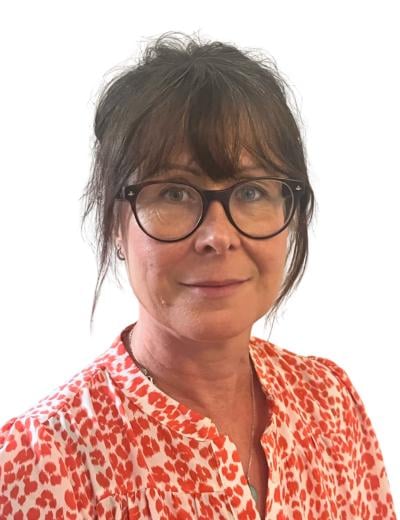
- In Person
- Online
- Either in person or online
Throughout my career, I have developed expertise in Special Educational Needs (SEN), particularly in ASD, sensory processing issues, emotional and behavioural challenges, global developmental delay, speech and language and social communication difficulties. I have used structured teaching methods such as TEACCH and SPELL to create a supportive learning environment. My experience includes the use of visual aids, clear communication strategies, and individualised education plans to meet the diverse needs of my students. I provide a highly-specialist autism-specific support that aims to improve receptive understanding, expressive communication, social skills and emotional regulation. I believe it’s crucial to support autistic young people firstly to be regulated and ready to learn and to provide engaging learning opportunities which support students to thrive.
I have successfully supported pupils with challenging/distress behaviours by implementing positive behavioursupport plans and focusing on proactive and empathetic support. To engage my students, I design lessons that incorporate their interests and use creative methods such as Attention Autism and multisensory activities. My efforts to enhance emotional and social skills in my students include co-regulation and implementing strategies like the Zones of Regulation, helping pupils to recognise and manage their emotions effectively and teaching calming techniques and strategies, in addition to incorporating movement breaks and sensory activities.
I have also worked on developing independence in my students, empowering them to take ownership of their learning through organisational strategies and study skills. In order to support students with anxiety and executive functioning challenges, I adapt my teaching methods and provide a structured approach that minimises overwhelm, by working at their pace and breaking down tasks into manageable steps that contribute to a positive learning experience.
I hold Qualified Teacher Status (QTS) and have completed a PGCE in Art Education, which has equipped me with the skills to integrate creativity into my teaching approach. Additionally, I have completed a Level 2 Counseling course, enhancing my ability to support students emotionally. I am currently studying for a Post Graduate Certificate in SEND, specialising in Autism. This continuous learning enables me to implement evidence-based practices that benefit my students. Within my current role I provide training and outreach, Iwrite and deliver training on a range of SEND areas, including topics such as Understanding Autism, Anxiety Management, Communication Strategies, Supporting Behaviour that Challenges and the Use of Visuals in the Classroom and I offer individual pupil support and advice to mainstream schools in best practise and ways to support their SEND pupils.
I believe that learning should be a positive experience, centered on students' well-being and self-esteem. I adopt a person-centered approach that incorporates individual strengths and interests and is built on a foundation of trust and rapport where the children I work with feel safe, seen and supported. I aim to build self-esteem, resilience, and a love for learning in every student. I believe that every student deserves an inclusive and engaging educational experience, and I am dedicated to implementing personalised strategies for each individual pupil.
- You are looking for a compassionate and dedicated tutor who values the unique needs of each student, ensuring they feel understood and supported throughout their learning journey.
- You seek a specialist in Autism Spectrum Conditions who possesses a strong understanding of effective strategies to meet the diverse learning needs of your child
- You need expertise in supporting your child with a variety of challenges, including high- and low-functioning autism, moderate or severe learning needs, and social, emotional, and behavioral difficulties.
- You want someone who can support mental health issues, sensory processing difficulties, communication and language delays, and implement effective behaviour management strategies.
- You're looking for an empathetic professional who truly understands the individual learning needs of each child
- You value a passionate and caring tutor dedicated to helping your child reach their full potential by providing the encouragement and support they need to thrive
- You want engaging, meaningful lessons that are thoughtfully tailored to meet your child's unique learning needs and cognitive profile, making each session enjoyable and productive.
- You prefer creative, flexible, and adaptive teaching methods that cater to diverse learning styles, ensuring your child feels empowered and confident in their abilities.
- General Engagement, Confidence and Self Esteem
- Primary (Maths and/or English/Literacy)
- Study Skills & Executive Functioning Skills
- Social Communication & Language Skills
- Functional Skills (English & Maths)
- Homework Support
- Primary
- Secondary
- Post 16
- Anxiety
- Autism
- ADHD & ADD
- PDA (Pathological Demand Avoidance)
- SEMH (Social & Emotional & Mental Health needs)
- Working Memory and Processing Needs
- Speech and Language Needs (including non-verbal)
- Global Developmental Delay & Learning Difficulties
- Trauma/Abuse
- SEND (inc. disabilities)
My passion for education extends beyond the classroom, as I also teach yoga and guided relaxation sessions, emphasising the importance of holistic well-being and emotional regulation. I also enjoy making art, and enjoy doing acrylic pour paintings.

- In Person
- Online
- Either in person or online
My specialist experience working with young people with SEN to develop trusting and meaningful relationships
I have extensive experience supporting children and young people with a wide range of special educational needs, including autism, ADHD, anxiety, and complex communication profiles. I prioritise building trust and creating a calm, safe learning environment where each student feels valued and understood. My approach combines patience, empathy, and flexibility to help students re-engage with learning at their own pace, forming strong, meaningful relationships along the way.
⸻
My experience supporting young people with ASC
I have worked with many autistic learners in both mainstream and specialist settings. I understand the importance of structure, routine, and predictability, and I adapt lessons to accommodate sensory preferences and individual interests. I use visual supports, clear communication, and gentle transitions to promote confidence and consistency, helping autistic students feel secure and motivated to learn.
⸻
My experience supporting young people with anxiety
Many of the young people I support experience high anxiety related to education. I take a calm, trauma-informed approach, reducing pressure and focusing on positive reinforcement. I help students manage anxiety through predictable routines, co-regulation, and achievable goals. My aim is to create a low-stress environment that encourages self-belief and enjoyment in learning.
⸻
My experience supporting young people with PDA
I have significant experience working with students who display demand-avoidant profiles. I use collaborative, choice-based approaches that foster autonomy and reduce perceived pressure. By embedding learning within enjoyable and meaningful activities, I help students feel in control and more willing to engage. My focus is always on building trust, flexibility, and intrinsic motivation.
⸻
My experience supporting young people with executive function skills and study skills
Supporting executive function development is central to my practice. I help students with planning, organisation, working memory, and task initiation through small, structured steps. Using visual supports, scaffolding, and personalised strategies, I empower learners to understand their own strengths and develop independence in their studies and everyday routines.
⸻
My experience supporting young people with SEMH needs
I have supported students with a wide range of social, emotional, and mental health needs. I promote emotional literacy and resilience through a calm, empathetic approach that helps learners identify and manage their emotions. By combining encouragement with reflective conversation, I support students to build confidence and develop healthy coping strategies.
⸻
My experience teaching secondary maths
As a qualified secondary maths teacher, I have taught across Key Stages 3 and 4, including GCSE preparation. I break down complex concepts into clear, manageable steps and use a variety of creative methods to make maths engaging and accessible. My teaching helps students overcome maths anxiety, gain confidence, and see the subject as both practical and enjoyable.
⸻
My experience teaching secondary English
I have successfully supported students in developing reading comprehension, writing, and communication skills. I encourage creativity and self-expression through engaging topics and personalised learning materials. My English sessions often focus on rebuilding confidence, improving fluency, and developing a genuine enjoyment of language.
⸻
My experience developing confidence and self-esteem
Helping students develop confidence is a key priority in my sessions. I celebrate effort, perseverance, and progress, not just outcomes. I create a supportive environment where students feel safe to take risks, learn from mistakes, and recognise their own achievements. This approach helps build resilience and self-belief both academically and personally.
⸻
My specialist experience providing engaging sessions to inspire a love of learning
My sessions are interactive, creative, and tailored to each student’s interests. I use multisensory and project-based approaches to make learning meaningful and enjoyable. Whether through games, problem-solving, or real-world applications, I aim to ignite curiosity and help students rediscover the joy of learning.
⸻
My skills and experience supporting young people to develop their independence
I support students to become more independent by gradually increasing responsibility for their learning in a supportive way. I teach planning, self-monitoring, and reflection skills, using visuals and step-by-step strategies to encourage confidence. Over time, students learn to take pride in their ability to work independently and make positive choices for their own progress.
- Qualified Teaching and Learning Status
- Diploma in Education and Training
- Diploma in Teaching Mathematics
- ADHD Training Level 3
- Autism Level 2
- English as an Additional Language training
- Dyscalculia Training
I believe that learning should be engaging, supportive, and tailored to the individual. Every student is unique, and my approach is to build confidence first, then knowledge. A good tutor doesn’t just teach facts; they help students understand, apply, and enjoy learning.
How I Like to Teach:
- I focus on understanding over memorization, ensuring students grasp concepts deeply.
- I create a calm and encouraging environment, where mistakes are seen as learning opportunities.
- I use real-life examples to make abstract concepts relatable and meaningful.
Strategies & Interventions:
- Scaffolding: Breaking down complex topics into smaller, manageable steps.
- Visual & Interactive Learning: Using diagrams, models, and hands-on activities to enhance understanding.
- Adaptive Teaching: Adjusting my methods based on the student’s learning style and pace.
- Positive Reinforcement: Encouraging effort and progress to build confidence.
- Metacognitive Strategies: Teaching students how to reflect on their thinking and learning processes.
- You want a patient and supportive tutor who tailors lessons to individual needs.
- You appreciate structured yet flexible teaching that adapts to different learning styles.
- You’re looking for someone with experience in SEN, EAL, ASD, and ADHD support.
- You need a maths tutor who can make complex concepts simple and relatable.
- You value reliability, professionalism, and a positive learning environment.
- You want lessons that build confidence, not just knowledge.
- General Engagement, Confidence and Self Esteem
- Primary (Maths and/or English/Literacy)
- Secondary Maths (Including GCSEs)
- Study Skills & Executive Functioning Skills
- Functional Skills (English & Maths)
- Homework Support
- Early Years
- Primary
- Secondary
- Post 16
- Adult
- Anxiety
- Autism
- ADHD & ADD
- Dyslexia
- PDA (Pathological Demand Avoidance)
- SEMH (Social & Emotional & Mental Health needs)
- Working Memory and Processing Needs
- Dyscalculia
- DCD (Dyspraxia)
- Global Developmental Delay & Learning Difficulties
- Complex & Medical Needs (including Cerebral Palsy; Brain Injury; Epilepsy and other needs)
- Trauma/Abuse
- SEND (inc. disabilities)
- Other SEN
Music has always been a big part of my life—I love playing and creating music in my free time. I also enjoy hiking and exploring new trails, finding it a great way to clear my mind and stay active. Writing is another passion of mine, and I have completed two novellas, with more stories always in the works. Additionally, I have a keen interest in learning languages and am currently studying British Sign Language (BSL) to expand my communication skills.

- In Person
- Online
- Either in person or online
My specialist experience working with young people with SEN to develop their engagement, trust and interest in learning;
As an educator who has had experience in Secondary Education, FE and HE I have been used to accommodating and making provision for SEN pupils and students and working with support staff to ensure that these students have the provision they need to maximize their own potentials and develop and engage in subjects and learning. I have taught a variety of students over this period, who are all very individual and need a tailored approach and consideration for their capabilities, interests, personalities and SEN. I always like to start with very soft skills introductions and use this opportunity to discover the student’s interests, prior knowledge, skillset, ability level, want, needs and aims, so that I can gauge from what and how they would most benefit from my expertise. Though I always plan and structure each session according to the all the individual factors, I am very aware the need to keep this very flexible and adaptable in order to meet the needs of the moment, the student, and the ever-changeable elements of the session, day or the longer program.
- My experience working with autistic young people;
During the last 4 years of my teaching practice however, I have specifically taught autistic students on a 1 to 1 basis. This period has been the most rewarding of my teaching profession to date and I feel I have learned much myself with regard to Autism, ADHD, PDA and SEMH and developing strategies that make for conducive learning environments and fun and interesting creative projects which help students relax, focus, engage and enjoy learning in and of itself.
I have taught students with autism and SEN to various levels during the last 4 years. Each has been very individual, have their own specific needs and aims and I have adapted the subject matter, levels and delivery style accordingly for each.
Obviously, the level of individual ability and experience regarding their creative practice and understanding of subject differs for each student and so pace and ‘over the shoulder’ support needs to be ascertained early on so that the student feels independent enough n their work, but supported, inspired and guided throughout. This is crucial for the student to keep interest and engagement while also developing confidence and independence.
- My experience working with young people with PDA;
Regarding the students with PDA, I always use strategies to avoid conflict and bring instruction or direction in gently and ‘softly’, often talking around the creative ideas and learning and allowing the student to absorb possibilities, discuss options and even suggest the way forward themselves. Patience is key and planning and routine help with the calmness of sessions and I usually try to have visual guides to our aims, goals and sessions on the wall, printed and at hand or available to be referenced on screen. Monitoring the student and pupil is important to constantly reassess if the session’s demands need to be adjusted or scaled back. Often, I will have background music playing of the students choosing to help create a relaxing space. Avoiding direct instruction and using more indirect phrases can help avoid conflict situations and giving choices allows the sense of creative ownership for the student.
- My experience working with young people with ADHD;
Regarding the students with ADHD, I use a personalized response the student for each session to accommodate how the student is feeling and acting. I find having a structure to work towards is useful but with the ability to be flexible depending on the needs of the moment and the student. Structured lesson plans are useful to offer routine and an overarching curriculum with previews of the work we will be undertaking. Reminders of aims and goals help students and repeating instructions and targets and using visual guides for this works well too to support the students. Variety and short sections help but with the flexibility to continue on work that the student has become engaged with. In session I use frequent breaks, background music that is student led and suitable, reviews and praise and encouragement and discussion.
- My experience working with young people anxiety;
In the sessions I run, we always strive to break the time into manageable blocks and always with the proviso that if the pace is too much or concentration is lapsing, we can break, change focus, rest or even go outside, talk or just have some downtime. The sessions need to be fun and enjoyable. This is key. Finding a topic or subject that the student/pupil is interested in as a project’s focus is a great way to motivate learning and keep attention and enthusiasm, though this ‘focus’ still needs to be able to adapt and change as necessary.
- Social skills/social interaction/friendship skills;
During my sessions with my students I have encouraged collaborative working with other students and socializing during break times. This has included myself and other tutors escorting students over lunch break where they have socialised and developed friendships with peers as well as us all enjoying dialogue, conversation and discussion including likes, interests and more general topics. We also encouraged the development of basic practical social skills such as ordering food and drinks, payment and supervised this as the students became more confident and independent.
Many of the strategies included above form routine parts in my sessions when I teach pupils/students how to animate, design and create digital content, images, digital games and animation. There are various cross-over strategies used and applied, but each student is individual and the sessions are always about working specifically to the needs of the student with the goal of building their confidence, social abilities and specific subject related skills and knowledge while encouraging their interests. Holistically this works towards helping them to become creative, happy, confident and positive individuals.
Currently one of my main students, who I have been teaching digital skills to for 4 years now, has been nominated for the prestigious Anna Kennedy Autism Hero Awards, which I see as a mark of how inclusive education, patience, space and a passion for creative digital design can elevate any student and their sense of self-worth.
- Post Graduate Certificate of Education in Applied ICT with QTS
- First Class BA (Hons) Multimedia Design and Digital Animation
- HND (Distinction) in Multimedia Design
- Regular ASC & SEN/D CPD, delivered through college,
- 2D Graphics: Photoshop, Procreate, Illustrator, InDesign.
- 3D Modelling, 3D printing and 3D Animation: 3D Studio Max, Blender.
- Games Design – Unreal Engine and Unity
- Video and audio editing: After Effects, Premiere, Audacity, ToonSquid.
- Storyboarding skills & cinematographic flair.
- Interactive: Animate, Flash, Dreamweaver, Muse, Spark, WordPress, Character CC.
I returned to education myself as a mature student after running my own business for years and found this to be one of the most rewarding periods of my life. During this time as a student, I was asked to teach the year below my own on the BA hons course I was taking and discovered my passion for teaching. After qualifying as a design practitioner, I found that I wanted to return and train formally as an educator to understand, practice and develop the skills needed.
Education for me is an exchange. I have learned as much through the process of teaching as I hope my students and pupils have under my guidance. Passing on or unlocking skills and knowledge is obviously important in any education, but equally so is helping students learn how to learn themselves, develop the ability of how to communicate effectively to others, problem solving and how to express themselves and their own ideas clearly.
This expression might be verbal or visual, but giving them the toolset do this with confidence is the reward of education as a teacher. Using the processes of animation, moving image or static design and digital technology is a natural way to connect many students to the creative process in today’s world. Watching their confidence and self-esteem rise along with their independence as they learn and create is the success of it all for me.
... you want someone who will work with all parties, listen, be patient, support and encourage your child to find their own voice of expression through learning, practicing and creating.
- General Engagement, Confidence and Self Esteem
- Social Communication & Language Skills
- Other (please provide details when contacting us)
- Secondary
- Post 16
- Adult
- Anxiety
- Autism
- ADHD & ADD
- PDA (Pathological Demand Avoidance)
- SEMH (Social & Emotional & Mental Health needs)
I have a Standard Poodle, a ridiculously large 1950’s American car, I play double bass in my own band which I manage, but also tour and record with and for other local artists such as Richard Hawley and Jarvis Cocker.
Design and creativity have always been an integral part of my life and has been a constant ‘soul-food’. This year one of my students, who struggled badly in their former educational system, has been nominated for the prestigious Anna Kennedy Autism Hero Awards Due to her achievements and progression. I see this as a mark of how truly inclusive education coupled to a passion for creative digital design can nurture and elevate any student and help them manifest their potential. I have a number of accolades, which I am very proud of. For example I was a finalist in the BBC New Talent (Animation) (2005) and received the Adult Learner Award (2004).