





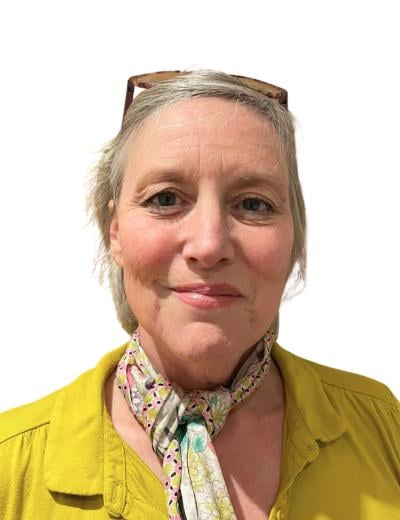
Hello, I’m Nicola. I’m an educator with over 23 years’ experience of teaching and tutoring, specialising in SEND, Communication, English, Literacy, Numeracy, Functional Skills and Life Skills, prioritising support for children and young people with a wide range of needs. I’ve worked with learners across the whole age range, from early years all the way through to adult, and specialise in nurturing neurodiverse learners, including those who have Dyslexia, ASD, ADHD, PDA and GDD. I’ve spent considerable time working with pupils who have sensory and communication needs as well as those who experience anxiety and SEMH difficulties, and many of my pupils have complex needs. I’m warm, patient, flexible and practical, and I believe that trusting, meaningful relationships are the foundation of successful learning, especially for learners with complex needs and those who’ve had difficult or traumatic experiences in school. I work hard to help my learners overcome their anxieties and have volunteered with local mental health charities. In addition to tutoring, I’ve worked in a range of SEND, alternative provisions, pupil referral units, FE colleges, mainstream and independent settings. Before teaching, I was a residential social worker, supporting young people and adults with learning disabilities. I also – for thirteen years – shared my family home with a gentleman with significant learning disabilities and welcomed other adults for respite care. Those years gave me a deep, lived understanding of how to balance support with fostering independence, a perspective that continues to shape everything I do as a tutor.
Sorry, no records were found. Please adjust your search criteria and try again.
Sorry, unable to load the Maps API.
About Me
Skills & Experience
My experience of working with pupils who have dyslexia
As an English specialist, I have supported many pupils who have dyslexia and understand the challenges they face. I use structured, multisensory techniques to help them decode text, build fluency in reading and writing, and develop confidence. By breaking tasks into manageable steps and tailoring strategies to their strengths, I create a supportive environment where pupils feel capable, motivated, and increasingly successful in their learning. In addition to teaching English, I’ve also worked for many years as a GCSE and A level examiner, an experience that has equipped me with the knowledge of how to really hone in on how to achieve the best results possible.
My experience supporting pupils experiencing anxiety and wider SEMH difficulties
I have worked with many young children who experience significant anxiety and wider SEMH needs, including those who struggle with emotional regulation, confidence, or forming trusting relationships. My first priority is always to understand what your child is feeling and to acknowledge these experiences as completely real and valid, never dismissed or minimised. From this foundation of trust, I create a calm, predictable, nurturing space where your child feels truly seen and safe to engage. Sessions move gently at their pace, using co-regulation, play-based and interest-led activities, low-pressure tasks, and clear routines to reduce overwhelm. By focusing on connection first, we build resilience and coping skills step by step, ensuring learning feels achievable and empowering while confidence grows in small, meaningful ways.
My experience of working with pupils who have ASD
Throughout my tutoring and teaching career, I have worked extensively with pupils who have ASD, and over the past eight years I have developed deeper expertise through roles in alternative provisions as well as working as a 1:2:1 tutor. These experiences have strengthened my understanding that every learner with ASD has needs unique to them, and that a flexible, individualised approach is essential.
I prioritise creating a safe, predictable environment from the very first session, building strong relationships with both pupils and their families to ensure a collaborative home-school partnership. My practice focuses on reducing anxiety through strategies such as offering choice, using low-pressure tasks that appeal to the individual, incorporating interest-led activities, and supporting co-regulation. We work, in particular, on developing communication as this is both the foundation to all other learning as well as a way of giving pupils a sense of success. Sessions are dynamic and responsive so that pupils’ needs are met at every stage, while we work together to remove barriers step by step and celebrate small wins.
I also provide structured, multisensory support in reading, writing, and numeracy, carefully adapted to address processing and working-memory challenges.
My experience of working with pupils who experience ADHD and ADD
Alongside my work with pupils who have ASD, I have extensive experience supporting learners with ADHD or ADD, including many who present with a combination of ASD and ADHD. These dual diagnoses often require a highly flexible and responsive approach, as pupils may experience both sensory sensitivities and challenges with attention and impulse control.
One effective strategy I use is breaking tasks into short, manageable steps with clear visual cues, combined with movement breaks and interest-based activities. This approach helps maintain focus while reducing overwhelm, and it supports self-regulation by allowing pupils to reset before continuing. By embedding choice and predictability into sessions, I create an environment where pupils feel safe, engaged, and able to succeed.
My experience supporting pupils with Communication & Language difficulties
I have supported many EYFS children who find communication challenging, whether due to delayed speech, limited expressive language, or difficulties understanding instructions. My sessions focus on building strong foundations through play-based, interactive activities that encourage natural communication. I use visual supports, modelling, repetition, and child-led dialogue to create a pressure-free environment where your child can explore language confidently. By celebrating every attempt and giving plenty of opportunities for success, children begin to communicate with greater ease, supporting not only their learning but also their self-esteem and ability to connect with others.
My experience of working with pupils who have PDA
I have supported pupils with Pathological Demand Avoidance (PDA), where reducing anxiety and maintaining trust are central to effective learning. My approach focuses on creating a collaborative, non-confrontational environment by embedding choice and flexibility into every session. I use indirect language, low-demand tasks, and interest-led activities to reduce perceived pressure, while prioritising co-regulation and emotional safety. Building strong relationships with pupils and families is key, ensuring that strategies are consistent and supportive across home and school settings.
My experience of working with pupils who have sensory and auditory processing needs
I have supported many pupils with sensory processing challenges, often alongside ASD and ADHD. A key strategy I use is creating a low-stimulation environment and offering sensory breaks with calming tools such as weighted cushions or fidget items. This helps pupils regulate their sensory input, reducing anxiety and improving focus so they can engage more effectively in learning tasks.
My experience of working with pupils who have GDD
I have extensive experience supporting children with Global Developmental Delay, and my approach is grounded in patience, gentle encouragement, and a genuine belief in every child’s potential. I focus on what can be achieved rather than what can’t, taking time to understand each learner’s strengths so that we can build on them together. Progress for pupils with GDD is often steady and gradual, so I create a calm, reassuring learning environment where they feel safe to take risks and practise new skills at their own pace. I break tasks down into small, achievable steps and offer consistent praise to nurture confidence and motivation. My sessions are flexible, responsive, and shaped around the child’s individual abilities, ensuring that every moment feels manageable, positive, and meaningful as we work towards secure, lasting progress.
My experience supporting pupils with sensory seeking and sensory avoidance needs
Many of the children I work with experience sensory sensitivities or sensory-seeking behaviours, and my approach is shaped around helping them feel regulated and comfortable before any learning begins. I carefully adapt activities using a multisensory, child-led approach, offering movement breaks, tactile resources, and a low‑pressure environment where your child’s needs guide each moment. By reducing sensory overload and building predictable routines, children are better able to focus, participate, and enjoy learning. My aim is always to help your child feel safe in their body so they can thrive emotionally and academically.
My experience of working with pupils who have complex needs, including medical needs
I have worked with pupils whose learning is impacted by complex needs, including medical conditions requiring tailored care and planning. I understand the need to follow all medical advice and procedures, and my experience has strengthened my ability to adapt sessions around health requirements, fatigue, and sensory sensitivities, while maintaining a calm, predictable environment. I collaborate closely with families and professionals to ensure safety and continuity, and I use highly individualised strategies to balance academic progress with wellbeing. My practice is rooted in flexibility, empathy, and clear communication, so pupils feel secure and supported at every stage.
In Summary
My experience to date has taught me the need to ensure tailored support is provided for each learner so that they can achieve to the best of their ability. I build strong relationships not just with children, but with their families, and I prioritise safety, predictability and genuine care from the first session. I’m skilled at reducing anxiety by using choice, low-pressure tasks, interest-led activities, and co-regulation, and my sessions are dynamic to ensure that my learner’s needs are met every step of the way. In collaboration with learners, I remove barriers step by step and celebrate small wins. I also provide structured, multisensory reading, writing and numeracy support, adapted for processing and working-memory needs.
Typically, I will use a range of strategies and pedagogies, such as:-
- Numeracy and Literacy: use of kinaesthetic materials as well as visual activities, such as art and drawing
- GCSE English (Language or Literature): anxiety-aware pacing, guided annotation of set texts, scaffolded paragraph building, and practice papers with calm coaching
- Reading and Writing Support: multisensory phonics, sentence construction vocabulary games, dictation-to-composition bridges, and interest-led prompts
- Executive Function Boost: visual schedules, chunked tasks, movement breaks, and co-created checklists that learners can reuse independently
- Life Skills, PHSE and Communication Skills: practical based sessions, with use of PECs and Social Stories to support
Please note that all sessions, whilst prepared in advance, are dynamic to suit the specific needs of each individual learner during that particular session. I have found that my dynamic, flexible approach to sessions enables the building of positive relationships and builds self-esteem.
Read More
My Teaching Philosophy
I strongly believe that learning works best when sessions are dynamic and engaging, and when the tutor is kind and patient. I start with what the learner already likes – their interests, strengths, sensory preferences – then build challenge gradually. My principles: 1) Relationship first – trust, communication and emotional safety enable learning. 2) Strength-based – notice success; grow confidence; pace carefully. 3) Flexible and creative: adapt in the moment; reduce demands when needed; co-design goals with the learner and family. 4) Independence – scaffold now, fade support later; celebrate success and self-advocacy.
Read More
Qualifications and Training
- MA Creative Writing
- BA Hons Combined (English Literature, Language and Communication)
- PGCE Secondary
- Certificate in Understanding Autism
- Safeguarding (children and vulnerable adults)
Read More
Choose me if…
· Your child needs a tutor who is patient and who focuses on what can be done rather than what can’t.
· You are looking for someone who is prepared to learn as well as teach.
· You need someone who truly understands that sessions need to be adapted dynamically to your child’s unique needs.
· You want someone who will build trust and positive relationships, with a focus on developing communication and reducing anxiety.
· You want sessions that are flexible, creative, and interest-led, not rigid or one-size-fits-all.
· You value a tutor who prioritises relationship first, celebrates small wins, and scaffolds independence step by step.
· You’re looking for someone experienced with Global Development Delay, Autistic Spectrum Disorders, Attention Deficit Disorders and a vast amount of experience of working with pupils who experience anxiety and wider SEMH difficulties.
· You want clear, practical communication and ideas that support both home and school.
· You believe learning should feel safe, positive, and empowering, never pressured or critical.
Read More
Availability
Ages Supported
- Early Years
- Primary
- Secondary
- Post 16
- Adult
Specialisms
- Anxiety
- ASC (autism)
- ADHD & ADD
- Dyslexia
- PDA (Pathological Demand Avoidance)
- SEMH (Social & Emotional & Mental Health needs)
- Working Memory and Processing Needs
- Speech and Language Needs (including non-verbal)
- DCD (Dyspraxia)
- Global Developmental Delay & Learning Difficulties
- Complex & Medical Needs (including Cerebral Palsy; Brain Injury; Epilepsy and other needs)
- Trauma/Abuse
- SEND (inc. disabilities)
- Other SEN
Subjects Provided
- General Engagement, Confidence and Self Esteem
- Primary (Maths and/or English/Literacy)
- Secondary English (including GCSEs)
- Study Skills & Executive Functioning Skills
- Social Communication & Language Skills
- Functional Skills (English & Maths)
- Homework Support
- Other (please provide details when contacting us)
Locations Covered
Close Map
Sorry, no records were found. Please adjust your search criteria and try again.
Sorry, unable to load the Maps API.
Something Sensational About Me
When I’m not tutoring, you’ll often find me caring for pets. I volunteer as a pet sitter and also hold a dog boarding licence, so animals are a big part of my life. I love the outdoors and spend as much time as possible walking, exploring nature, and enjoying fresh air. This balance keeps me grounded and energised, which I bring into my sessions. Whether it’s building trust with learners or creating calm, positive spaces, my love for animals and nature reflects my approach: patient, nurturing, and adaptable. I believe learning should feel safe, just like home.