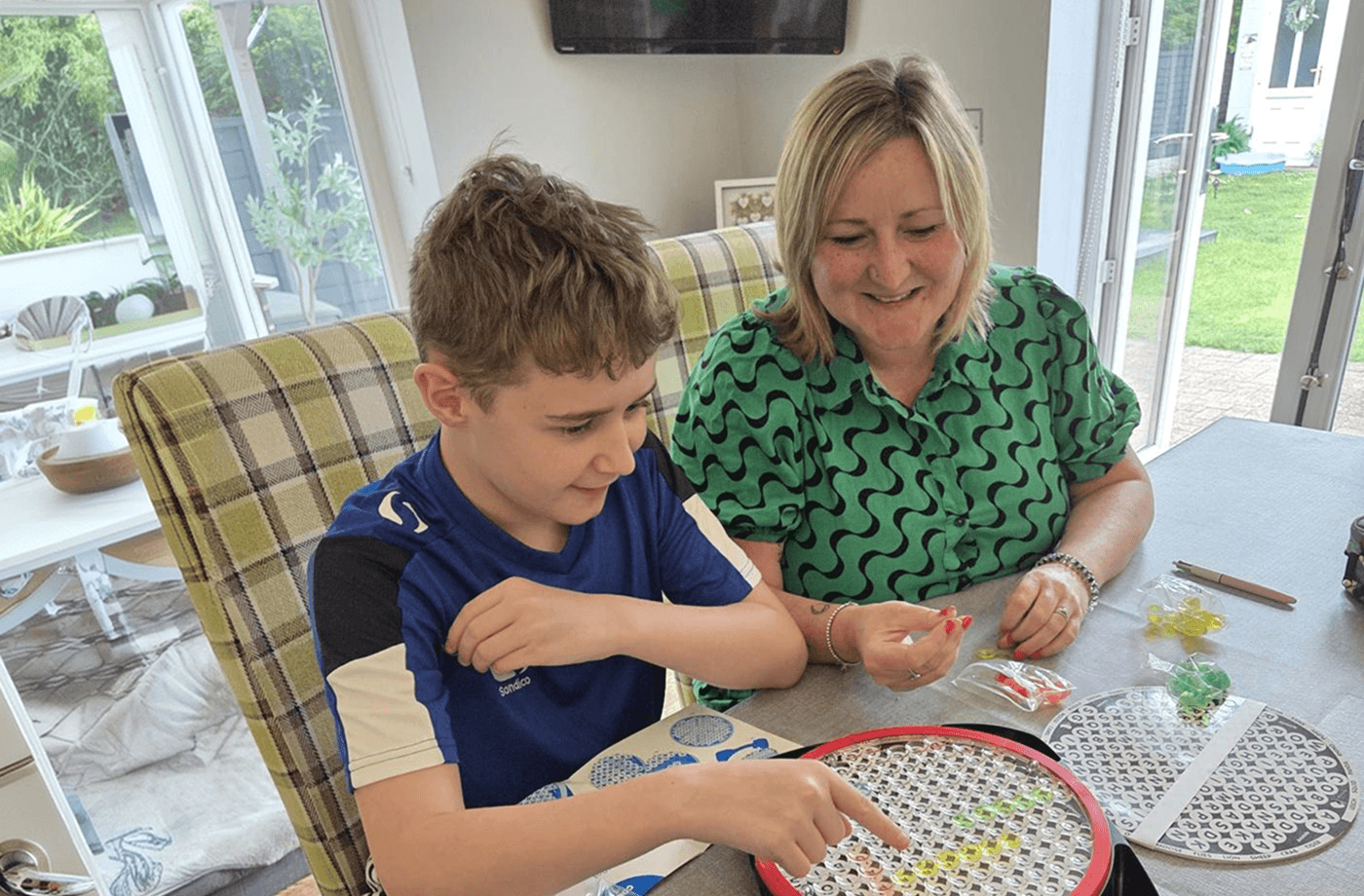
My specialist experience working with young people with SEN to develop trusting and meaningful relationships
Over my 20 years of working with children with SEN, I have come to see that building a trusting relationship is often the most important part of my work. Before any meaningful learning can take place, children need to feel safe, understood and accepted for who they are.
I take time to get to know each child, follow their interests, listen to what they are communicating and allow the relationship to develop at their own pace. Sometimes this means putting academic expectations aside and simply spending time together, sharing an activity or finding something that makes us both laugh. I have found that these seemingly small moments are often where trust begins to grow.
For me, the relationship is not something separate from teaching. It is the foundation of everything that follows. When children feel comfortable and connected, they are often more willing to engage, explore and gradually step outside their comfort zone.
My Experience with Pathological Demand Avoidance (PDA)
My specialist PDA training and practical experience have shaped my understanding of PDA as a Persistent Drive for Autonomy, rather than simply demand avoidance. Children with this profile often experience high levels of anxiety, even when this is not obvious on the surface.
My approach follows the child's pace, interests and agenda. Strategies that often work well for autistic children, such as visual timetables, first and then boards or reward charts, can sometimes create additional pressure for children with PDA, as even predictable routines can become perceived demands. Instead, I work within a loose structure, using low demand language, humour, novelty and indirect approaches to learning, often adapting activities spontaneously according to how the child is feeling that day.
I recognise that progress is not always linear. Some days children are ready to engage in learning, while on others the focus needs to be on emotional regulation and connection. My role is to remain a consistent but adaptable co-regulator, helping to reduce anxiety and maintain engagement. For me, emotional safety and engagement always come before academic expectations.
My experience supporting young people with executive functioning and study skills
In my experience, difficulties with executive functioning can often get in the way of a child's ability to demonstrate what they already know. Many children have a wealth of knowledge, ideas and creativity, but struggle to organise their thoughts and express them in a clear, sequential way. Challenges with planning, task initiation, time management and working memory can make even familiar learning activities feel overwhelming.
I help children make sense of their ideas and organise their thinking, using practical, individualised strategies such as visual planners, breaking tasks into manageable steps and structured routines. My aim is to help each child discover what works best for them, gradually building their confidence and independence while allowing their individual strengths and creativity to come through.
My experience developing confidence and self esteem
Over the years, I have worked with many children whose confidence has been affected by repeated struggles with learning. I often find that rebuilding their belief in themselves is just as important as the academic support I provide. I focus on recognising their strengths, celebrating small achievements and creating opportunities for them to experience success at their own pace.
I also draw on my training in mindfulness and approaches such as the Zones of Regulation to help children better understand their emotions and develop ways to manage them. For me, building confidence starts with helping children feel understood, accepted and capable. When children begin to trust themselves and their abilities, they are often much more willing to take risks, try something new and engage with learning.
My skills and experience supporting young people to develop their independence
Helping children become as independent as possible is something close to every parent's heart. In my experience, independence develops gradually, through small everyday achievements that build confidence and a sense of capability. I encourage children to take an active role in their learning, make choices, solve problems and discover what works best for them.
I often build in opportunities to reflect together on what went well, what was challenging and what we could try differently next time. I adapt the level of support I provide, stepping in when needed and gradually stepping back as their confidence grows. For me, independence is not about expecting children to manage everything on their own, but helping them develop the skills and confidence to do more for themselves, at their own pace.
My experience teaching primary English and Maths
Before becoming a private tutor, I spent 18 years teaching in various specialist SEN settings, developing an excellent knowledge of the Primary National Curriculum and how to adapt it for children with a wide range of learning needs. I currently work with home educated children with PDA profiles, designing personalised learning programmes that make the curriculum accessible while taking into account their individual needs, interests and readiness to engage.
Throughout my teaching career, I have developed bespoke learning programmes for children who may find the traditional curriculum difficult to access. One of my particular strengths is knowing how to scaffold learning effectively. I take time to get to know each child, understand how they think, process information and approach learning, before designing practical, visual and multisensory activities that make English and Maths more accessible.
My Experience Working with Children with Anxiety
Through my experience of supporting children with EBSA, PDA and other anxiety related difficulties, I have seen how overwhelming busy, unpredictable environments such as schools can be for some children. Many are bright, creative and capable, but struggle to show their abilities in environments that do not suit their needs. When supporting these children through tutoring or home education, I believe it is important not to recreate the very pressures and demands that may have contributed to their anxiety in the first place.
Academic learning remains an important part of my work, but I recognise that emotional safety and trust need to come first. I draw on my experience in mindfulness, trauma informed practice and craniosacral therapy to create a flexible, supportive approach that meets each child where they are, allowing learning and confidence to develop at a pace they can manage.
My experience teaching children with Autism
I have extensive experience supporting autistic children with a wide range of learning, communication and sensory needs. I recognise that every autistic child experiences and processes the world differently, so taking time to understand their individual profile, strengths and interests is always my starting point. I draw on specialist approaches such as TEACCH, SCERTS, Attention Autism, visual supports and structured teaching to make learning accessible and meaningful. For many autistic children, predictability, clear routines and knowing what to expect can help reduce anxiety and support engagement. I also make good use of children's interests, often weaving them into learning activities to build motivation and encourage curiosity.
My approach is always individualised, balancing structure and familiarity with opportunities to explore new ideas, develop confidence and gradually extend learning at a pace that feels manageable for each child.
My experience supporting young people with ADHD
Over the years, I have worked with many children with ADHD who are full of ideas, curiosity and creativity, but sometimes find it difficult to organise their thoughts or show what they know.
I have learned that often it is the small adjustments that make the biggest difference. Keeping instructions short and clear, breaking tasks into smaller steps, allowing time to process information and knowing when a movement break is needed. I also love bringing children's interests into our sessions, as this can make learning so much more engaging.
For me, it is important to focus on what a child knows and understands, rather than how long they can sit still or concentrate.
My specialist experience providing engaging sessions to inspire a love of learning
I have worked with many children who have come to associate learning with frustration, pressure or repeated experiences of getting things wrong. Part of my role is helping them rediscover that learning can actually be interesting and enjoyable.
I use humour, creativity, practical activities and children's own interests to make lessons engaging and relevant to them. I am also happy to change direction when something is not working. I find that when children begin to experience success, feel comfortable making mistakes and become curious enough to ask their own questions, their attitude towards learning often starts to change. And that, to me, is where a love of learning begins.
My Experience Teaching Young People with Sensory Processing Needs
Having worked with children with a wide range of sensory processing needs, I have learned how much their sensory environment can affect their ability to engage in learning. Some children need movement and sensory stimulation, while others can become easily overwhelmed by noise, light or too much going on around them. I take time to understand each child's sensory profile and adapt both the environment and activities accordingly.
I regularly incorporate movement breaks, sensory tools and regulation activities into my sessions. I also work closely with Occupational Therapists where appropriate, following individual sensory diets and incorporating strategies such as sensory circuits. I recognise that behaviours such as stimming often serve an important purpose in helping children regulate, rather than being something that needs to be stopped.
My background in craniosacral therapy adds another dimension to my understanding of nervous system regulation and how stress and sensory overload can affect a child's everyday functioning. I work with home educated children whose families choose to incorporate craniosacral therapy alongside tutoring and OT support, offering an additional opportunity for relaxation and helping children feel more settled when experiencing sensory overload.