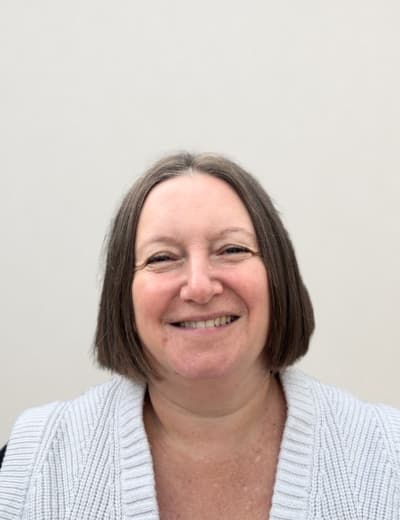
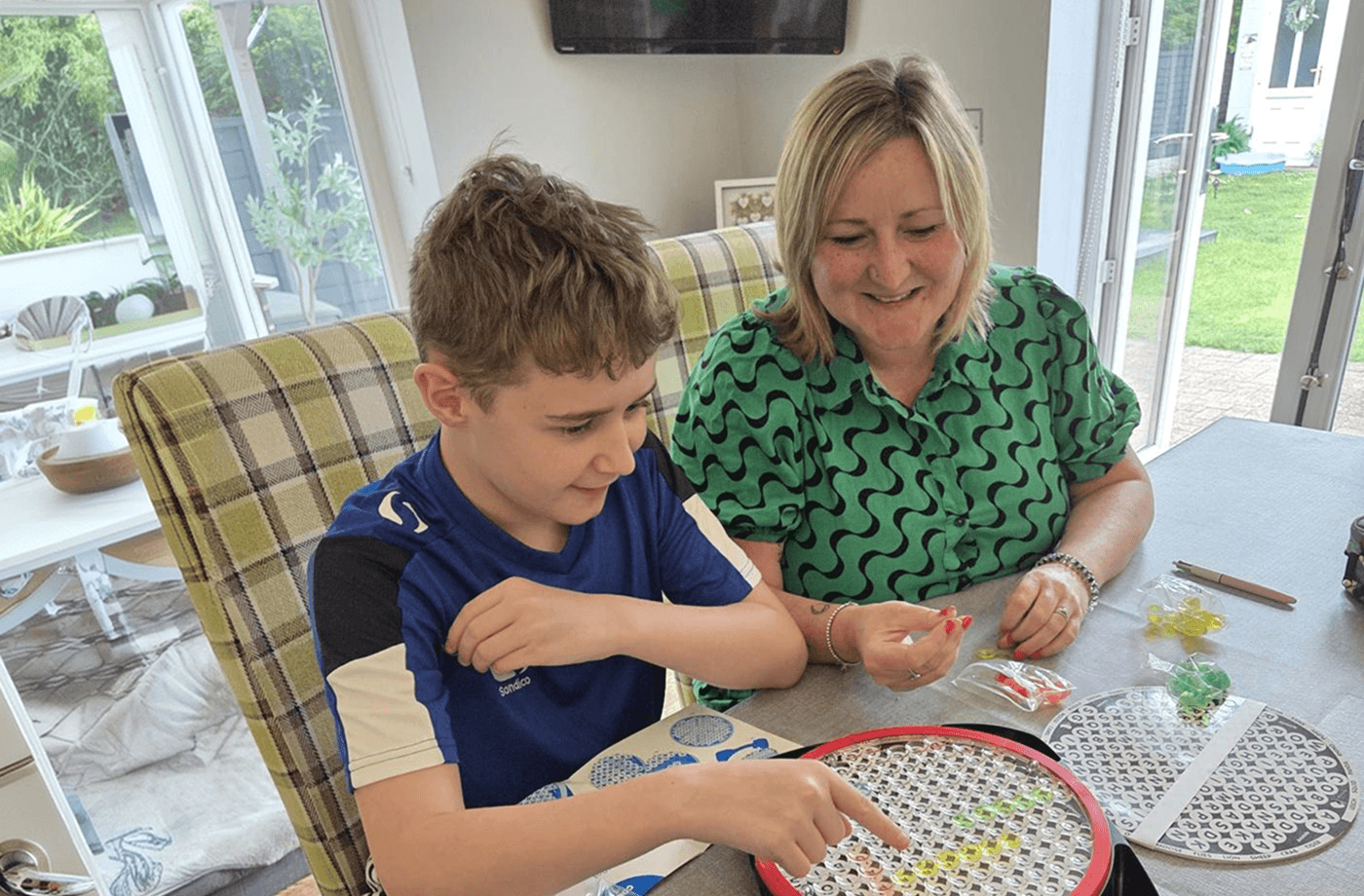
I am a qualified secondary teacher with more than 20 years’ experience in education, combining classroom teaching with extensive pastoral, wellbeing and safeguarding work. My teaching specialisms are Drama and Health & Social Care, and I have experience supporting students through GCSE and post-16 education. Throughout my career, I have differentiated teaching for young people with a wide range of abilities and additional needs, using creative, practical and accessible approaches to increase participation, communication, confidence and engagement.
I have extensive experience supporting young people with SEND and additional needs, including autism, ADHD, dyslexia, PDA profiles, emotionally based school avoidance (EBSA), speech and language needs, SEMH, anxiety and trauma. I recognise that a diagnosis does not define a young person or automatically tell us how they learn. I therefore take an individualised approach, getting to know the young person, identifying their strengths and barriers to learning, and adapting my communication, expectations and teaching accordingly.
As Student Wellbeing Lead, I established and developed a school Wellbeing Hub and provided targeted one-to-one support for young people experiencing difficulties with emotional wellbeing, attendance, communication and engagement with education. My work included supporting students with SEND and SEMH, coordinating safeguarding referrals, working closely with parents and carers, and collaborating with school colleagues and external professionals. I also designed and delivered wellbeing workshops and contributed to developing trauma-informed practice across the school.
Building trusting relationships is central to my practice, particularly when working with young people who have become anxious about or disengaged from education. As a Head of Year, for example, I supported an autistic Year 11 student with significant anxiety who had stopped attending school. I made regular home visits, providing individual tutoring, revision and emotional support, while working closely with her family to establish realistic goals. Rather than expecting an immediate return to school, we worked towards enabling her to attend her GCSE examinations; she ultimately attended all of her examinations and achieved sufficient GCSE passes to progress to college.
My practice is strongly informed by trauma-informed, relational, restorative and solution-focused approaches. When a young person is struggling, I try to understand what may be communicated through their behaviour rather than simply focusing on compliance or academic output. As Student Wellbeing Lead, I supported a Year 10 student experiencing trauma and at significant risk of school avoidance by helping to coordinate counselling, a bespoke timetable, regular one-to-one mentoring and wellbeing support. Through a consistent, low-demand approach and close collaboration with her parent, her attendance and engagement gradually improved and she was able to complete her Year 10 mock examinations.
I am also experienced in adapting learning for students who find conventional classroom expectations challenging. When teaching a student with autism and a PDA profile, I found that increasing demands was counterproductive, so I provided greater autonomy, broke learning into manageable stages, used clear scaffolding and offered choices about how tasks could be approached. As trust developed and the student experienced a greater sense of control over her learning, her engagement improved and she successfully completed the course. This experience reinforced my belief that adapting teaching does not mean lowering expectations; it means finding an accessible and appropriate route through which an individual learner can succeed.
Alongside my teaching and SEND experience, I bring strong safeguarding, mentoring and multi-agency working skills. I have worked as a Deputy Designated Safeguarding Lead, supported young people and families through complex safeguarding and mental health concerns, and collaborated with external services to coordinate appropriate support. I also hold a Senior Mental Health Lead qualification and have contributed to research into implementing trauma-informed practice in secondary schools. Ultimately, my aim as a tutor is not simply to help a young person complete academic work, but to help them feel understood, recognise their strengths, rebuild confidence and develop greater independence and a more positive relationship with learning.