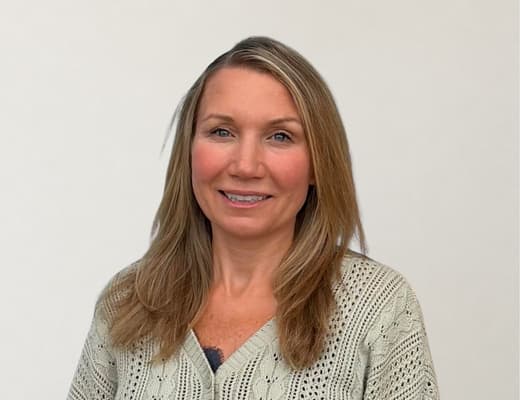
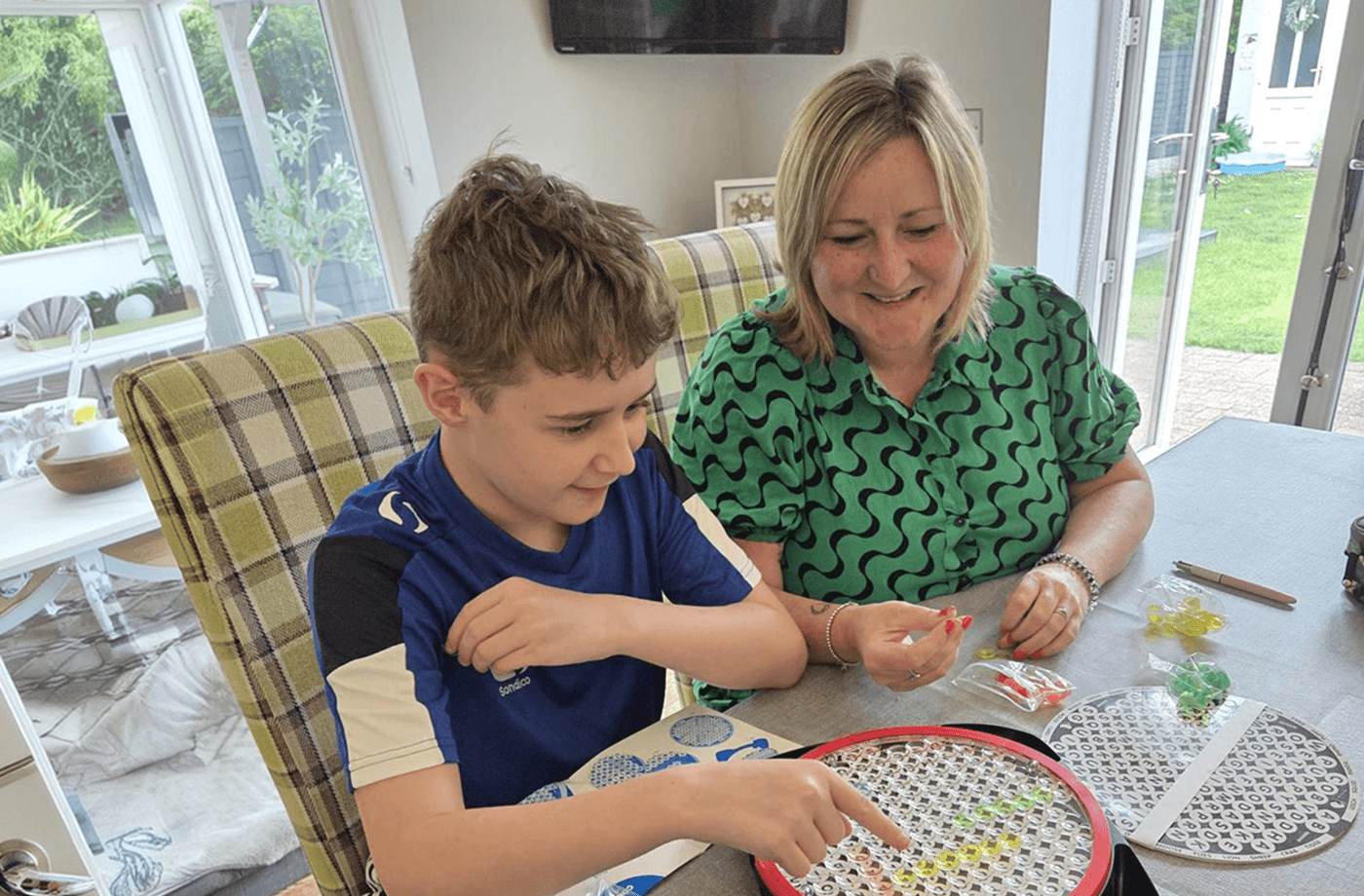
With 18+ years of experience as a qualified teacher (QTS), I have had the privilege of teaching children from EYFS (Primary age) through to KS4 (Secondary), working with pupils from a wide range of backgrounds and with diverse SEND needs. My experience spans a variety of educational settings, from mainstream and independent schools to specialist SEND provision, as well as working as a specialist 1:1 tutor for pupils. This breadth of experience has given me a deep understanding that every child learns differently, and I pride myself on creating a warm, calm, supportive and encouraging learning environment where children feel understood, build confidence and are able to make real progress.
My years working as a Paediatric Nurse (PGDip Paediatric Nursing) and my degree in Psychology BSc (Hons), compliments my teaching experience and strengthens my approach to tutoring. It gives me a deep understanding of children’s emotional, developmental and learning needs — particularly those experiencing anxiety, school avoidance, trauma, neurodivergence, complex medical needs or emotional overwhelm . This enables me to look at the whole child, not just their academic needs, and tailor each session accordingly, creating a supportive environment where they feel understood, confident and ready to learn. I enjoy keeping up to date with current research in SEND, psychology and education, which ensures my sessions are engaging, purposeful and bespoke. All my sessions combine creativity, multisensory learning and high quality, purposeful learning with evidence-informed teaching and SEND approaches.
My experience providing engaging sessions to inspire a love of learning across the Primary Curriculum:
I’m a naturally creative teacher who loves designing lessons that genuinely spark children’s interest in learning. My vast amount of EYFS, KS1 and KS2 Primary Curriculum experience gives me a rich bank of multisensory, hands‑on ideas that make learning exciting, achievable and tailored to each child. My sessions are calm, interactive and movement‑based, helping children re‑engage, feel proud of their progress and rebuild confidence step by step. I have strong experience supporting young people to develop engagement and trust, taking time to understand each child’s communication style, motivators and regulation needs so they feel safe and ready to participate. By combining creative activities with outdoor or practical learning, I make sessions enjoyable and accessible, helping pupils connect with learning at a pace that suits them and build a positive, confident relationship with education.
My experience working with students to rebuild confidence and self - esteem:
One of the most rewarding parts of my work is helping children rediscover confidence in themselves. Many of the learners I support have started to believe they “can’t do it” after difficult experiences in education, and I work gently to change that narrative. I celebrate every success, highlight their strengths and create opportunities for genuine achievement. Watching a child take pride in their work, smile again and rebuild their self‑belief is one of the greatest privileges of my job.
My experience teaching Community Support and outside activities:
I have extensive experience teaching Community Support and leading outdoor, real‑world learning activities that help young people feel confident, capable and connected to their environment. I regularly plan and deliver sessions in parks, nature areas and local community spaces, using movement, exploration and practical tasks to support regulation and engagement. My background includes PE leadership, running sport‑ and adventure‑based summer programmes as well as organising small‑group and whole‑year outings linked to history, geography, art and cultural learning. These experiences have strengthened my ability to create calm, purposeful learning outside the classroom, helping pupils develop independence, social understanding and a sense of achievement through hands‑on, meaningful activities.
My experience supporting children with ADHD:
I bring extensive personal and professional experience supporting young people with ADHD, giving me a deep, compassionate understanding of what helps them feel safe, confident and able to thrive. I know how creative, curious and capable they are when learning feels right for them. With my background in psychology, paediatric nursing and lived experience, I teach in a way that works with each child’s brain rather than against it — and I consistently see children become calmer, more focused and more confident when learning is adapted to their strengths. I create fun, multisensory sessions broken into manageable steps, using evidence‑based strategies such as chunked tasks, movement breaks, clear routines, visual scaffolds, positive reinforcement and co‑regulation. I also draw on Collaborative & Proactive Solutions (CPS), an evidence‑based approach that reduces overwhelm by working with the child to understand challenges and make choices together. With interest‑based, kinaesthetic and visual learning, students stay engaged and make faster, more meaningful progress. I understand the emotional impact of repeated struggles — including frustration, low confidence and rejection sensitivity — so I help children recognise their strengths, rebuild self‑belief and feel genuinely proud of what they can do.
My experience supporting children with working memory difficulties and executive dysfunction:
Working‑memory and executive‑function difficulties can make learning feel overwhelming, especially for neurodiverse children. I’ve supported many students with these challenges in both school and home settings, and I genuinely enjoy helping them find approaches that make learning feel manageable again.
My sessions are warm, attuned and grounded in evidence‑based strategies that reduce cognitive load and strengthen executive‑function skills. I use structured, low‑arousal approaches — including Cognitive Load Theory, visual scaffolds and executive‑function supports — to make learning feel lighter and more manageable. By using these strategies in my sessions I see children experience success quickly: tasks feel easier for them to start, organise and complete, their confidence grows, and they progress more quickly. One of the best parts of my job is celebrating those moments with them — seeing their pride, their relief and their excitement as learning finally starts to click.
My experience supporting children with PDA and Anxiety:
I have supported many children with a PDA profile in mainstream, specialist and 1:1 settings, and I understand how differently each child experiences the world. Avoidance is rarely “defiance” — it is usually an anxiety response when demands feel overwhelming or unpredictable. Because of this, I prioritise emotional safety. I build trust, follow each child’s pace and use gentle, low‑demand approaches that reduce pressure and help them feel calm and in control. I also draw on PACE (Playfulness, Acceptance, Curiosity and Empathy), an evidence‑informed relational approach that helps reduce anxiety, strengthen connection and make learning feel safe and collaborative. Through creating sessions that allow for genuine choices, collaborative learning and a focus on feeling understood, I see the students I teach begin to relax, re‑engage and rebuild confidence. Many move from overwhelm to curiosity and enjoyment; others grow in independence and self‑belief. My goal is always to help each child feel respected, capable and emotionally secure, allowing progress to unfold naturally at their pace.
My experience supporting children with sensory and processing needs:
I’ve supported many children with sensory processing needs throughout my teaching career and really enjoy seeing how effective small adjustments can be, in making these children become calmer, more regulated and more able to learn. I understand how sensory differences shape a child’s whole day, from overwhelm caused by sounds, lights or textures to difficulties with sitting still, focusing or coping in busy spaces.
I’ve worked closely with occupational therapists to assess sensory needs and I make sure I integrate recommended strategies directly into my sessions. I’m tuned in to changes in body language, breathing and behaviour, and I quietly assess the environment to spot early signs of overwhelm long before a child reaches crisis.
When I see a child becoming overloaded, I adapt gently and immediately — offering movement breaks, slowing the pace, lowering demands or reducing sensory load. These adjustments help children feel understood, safe and ready to learn again. As their regulation improves, they begin to experience real success: they settle more quickly, re‑engage more easily and make meaningful progress. Celebrating those moments with them is one of the best parts of my job.
My experience working with autistic Children (ASC):
I have extensive experience supporting autistic children in mainstream schools, specialist settings and one‑to‑one home tuition. Every autistic child is unique, so I take time to understand how they experience the world, what helps them feel safe and what enables them to thrive. My practice is grounded in building trust first and draws on current research and evidence‑based approaches, including Structured Teaching (TEACCH principles), which uses clear visuals, predictable routines and step‑by‑step tasks to reduce anxiety and support regulation, communication and learning. My psychology and paediatric nursing background helps me recognise the emotional and sensory factors influencing learning, allowing me to respond to my students in a way that feels calming and supportive. When children feel regulated, understood and genuinely engaged, academic progress begins to unfold naturally and steadily.
My sessions use gentle, effective approaches shaped around each child’s sensory profile, communication style and emotional needs that help children feel safe, settled and ready to learn. By creating fun, engaging multisensory lessons and weaving in each child’s interests — alongside low‑arousal approaches, Structured Teaching, visual supports, sensory‑informed practice, low‑demand communication and co‑regulation — I create calm, predictable learning that boosts motivation, strengthens connection and builds confidence through small, achievable successes.
My specialist experience teaching children with speech and language needs:
I have worked closely supporting children with speech and language needs and always take time to learn each child’s communication style and processing pace. I have experience using PECS and symbol- based communication books - alongside visual supports and gentle modelling - to make communication feel achievable. Through multisensory, movement‑based and outdoor activities, I help pupils stay regulated and engaged, building clearer communication, stronger self‑esteem and a more positive relationship with learning.
My experience working with children with complex medical needs:
My years as a Paediatric Nurse gave me a deep understanding of complex medical needs and how they shape a child’s learning, confidence and daily life. Whilst teaching I’m quick to notice early signs that a child is struggling, and I adapt calmly and instantly by slowing the pace, reducing cognitive load, offering breaks or using low‑arousal approaches to keep them comfortable and able to learn.
My psychology training strengthens this further. I understand how medical needs affect the nervous system, motivation and processing, so I shape each session around what the child can manage that day. I work confidently with the child’s wider team to align learning with medical guidance, and I bring a steady, reassuring presence that helps families feel supported during uncertainty.
This blend of nursing intuition, psychological insight and extensive teaching experience allows medically vulnerable children to feel safe, capable and ready to make meaningful academic progress.
My experience supporting children with Dyslexia:
I've worked with many children with Dyslexia over the years across a variety of environments. I’m highly experienced in teaching phonics from Nursery to KS2, and this forms the foundation of the progress dyslexic learners make with me. Over the years, I’ve taught phonics daily in classrooms, small intervention groups and 1:1 settings, completed specialist phonics training, studied phonological awareness as part of my psychology degree, and deepened my expertise through dyslexia‑assessment CPD. Because dyslexia affects how the brain processes sounds and links them to letters, I use structured, evidence‑based phonics and break reading and spelling into clear, manageable steps.
Pulling ideas from my years of teaching EYFS and KS1 continuous provision my teaching is fully multisensory — using visuals, rhythm, movement, songs and hands‑on activities — to strengthen memory and make learning stick. I also break skills into small, achievable steps, scaffold writing carefully and use assistive technology to reduce overwhelm and keep learning fun and engaging. I’ve found that these approaches help children make rapid progress in reading and writing, and this boost in confidence carries over into all other areas of learning.
My experience supporting children with SEMH needs including Trauma:
I have a wealth of experience supporting children with trauma and SEMH needs. Throughout my career, I’ve watched so many children make meaningful progress in both learning and wellbeing when given the right support, and celebrating those moments with them is one of the most rewarding parts of my work. Seeing their pride grow, their confidence lift and their belief in themselves strengthen is exactly why I love doing what I do. Building trust first forms the foundation of all my sessions, reducing pressure and using small, achievable steps, I help children regain confidence and self‑belief — and once they feel understood and secure, their motivation grows and learning begins to flourish. I understand how trauma or emotional distress affects behaviour, attention and confidence and respond with calm, attuned care that helps children feel safe enough to learn again. I use Zones of Regulation to help children understand their emotions and find practical ways to manage them, and I teach gentle mindfulness strategies where appropriate. These approaches help children feel calmer, more in control and more confident as they learn.